
Industrial Assembly Defect Reduction: Which Torque and Fit Checks Matter Most?





Industrial assembly defects rarely start where teams first look
In industrial assembly, visible failures often appear late. The real cause is usually a small torque drift, a poor fit condition, or an unchecked stack-up.
That is why industrial assembly control cannot rely on one universal tightening rule. Different joints fail for different reasons, even when the hardware looks similar.
A bolted steel bracket, a press-fit bearing seat, and an aluminum housing cover do not ask for the same checks. Load path, material behavior, vibration, and service access all change the priority.
Across construction equipment, vehicle systems, maintenance workshops, and aerospace support work, the most effective quality routines focus on the few torque and fit checks that truly predict field reliability.
This practical view aligns with the intelligence approach seen across GPTWM, where precision metrology, tool design, and industrial economics are read together rather than in isolation.
Actual priorities change once the assembly scene changes
In actual use, the first judgment is not the fastener size. It is the assembly condition behind the joint.
Some industrial assembly lines run stable parts, fixed fixtures, and repeatable torque tools. Others face mixed batches, repair work, coated surfaces, or operators switching between product variants.
Those differences matter because torque is only an indirect measure. It reflects friction, lubrication, thread quality, seating condition, and tool calibration as much as clamp load.
Fit checks also behave differently. A clearance fit may tolerate small variation in one station, yet create noise, wear, or misalignment after thermal cycling in another.
A more useful way to judge industrial assembly risk is to ask four questions before choosing checks.
- Does the joint carry static load, cyclic load, or shock load?
- Is the fit locating, transmitting force, sealing, or only covering?
- Do material pairs change friction or thermal expansion behavior?
- Can the joint be rechecked later, or is first-pass verification the only chance?
High-load joints need clamp force confidence, not just torque numbers
For structural frames, heavy equipment modules, and welded-to-bolted subassemblies, the key risk is losing clamp force under vibration or dynamic loading.
In these cases, industrial assembly teams should care less about nominal torque alone and more about what influences preload consistency.
Checks that matter most here
- Thread condition and coating consistency before tightening.
- Washer seating flatness and surface embedment risk.
- Tool output capability across the full torque window.
- Prevailing torque or rundown behavior for lock nuts.
- Residual torque audit after settling, where standards allow.
A common mistake is treating zinc-plated, oiled, and dry fasteners as interchangeable. The target torque may stay the same on paper, while real clamp load shifts enough to create looseness or thread damage.
Where joints sit close to welded areas, surface distortion adds another variable. Flatness and hole alignment should be checked before blaming the torque tool.
Precision housings and rotating parts are ruled by fit more than fastening
More delicate assemblies follow a different logic. Gear cases, bearing seats, motor end covers, and metrology-related fixtures can pass torque checks and still fail in service.
Here, the higher-value industrial assembly checks usually sit around concentricity, bore condition, insertion force, and thermal fit behavior.
What deserves attention in fit-critical work
Interference fits need more than dimension confirmation. Surface finish, edge condition, cleanliness, and temperature at assembly strongly affect insertion outcome.
For slip or transition fits, the question is often positional stability. If a shaft can rotate, creep, or walk under load, the assembly may drift before anyone notices.
A practical checkpoint is to compare measured bore and shaft values with process temperature, not room-temperature nominal values alone. This is especially relevant in lightweight aluminum structures.
Repair, retrofit, and mixed-batch work change the judgment again
Not every industrial assembly setting is a clean production line. Field service, remanufacturing, and retrofit jobs usually involve reused threads, unknown previous loads, and uneven component histories.
In these environments, the most important checks are often basic but easy to skip. Thread wear, bore deformation, mating face damage, and substitute part tolerance need closer attention than catalog torque values.
A reused fastener can still reach target torque while delivering weak clamp load. A repaired bore can still accept a part while no longer holding alignment under duty cycle.
More reliable decisions come from combining dimensional inspection with process history. This is where metrology intelligence becomes useful, because it connects measurement data with realistic service behavior.
Different industrial assembly scenes demand different check depth
The same checkpoint list does not fit every operation. Some stations need 100 percent verification. Others benefit more from layered sampling and trend monitoring.
This is also why IoT-based torque control systems are gaining traction. They are useful when the process is repeatable enough for data patterns to reveal drift early.
Still, connected tools do not replace fit judgment. They only make torque-related variation easier to see.
Where teams misread risk in industrial assembly
Several recurring errors weaken defect reduction efforts.
- Using one torque value across coatings, lubricants, or suppliers.
- Checking final torque but ignoring tightening sequence and joint seating.
- Measuring fit dimensions without controlling temperature and cleanliness.
- Assuming similar assemblies share the same tolerance risk.
- Judging cost only by tool price, not by calibration, scrap, and downtime.
The broader lesson is simple. Industrial assembly quality improves fastest when checks are linked to actual failure modes rather than copied from legacy plans.
A practical way to decide what to verify next
If defect reduction is the goal, start by mapping joints into three groups: load-critical, alignment-critical, and seal-critical. The same assembly may contain all three.
Then compare each group against real process conditions. Review material pairings, access limits, rework frequency, inspection timing, and whether the joint can be confirmed after assembly.
For load-critical points, tighten the control over friction condition and tool traceability. For alignment-critical points, deepen fit measurement and insertion monitoring. For seal-critical points, focus on surface flatness and sequence discipline.
That approach fits the GPTWM view of industrial progress: precision tools, intelligence, and practical field judgment should work together at the last mile of manufacturing.
The next step is not to inspect everything equally. It is to define which torque and fit checks most directly prevent hidden failures in each industrial assembly scene, then standardize those checks with measurable limits.
Related News

How Procurement Teams Can Map the Industrial Value Chain to Reduce Supply Risk
Industrial value chain procurement helps teams map hidden dependencies, qualify resilient sources, and reduce supply risk before disruptions stop production.
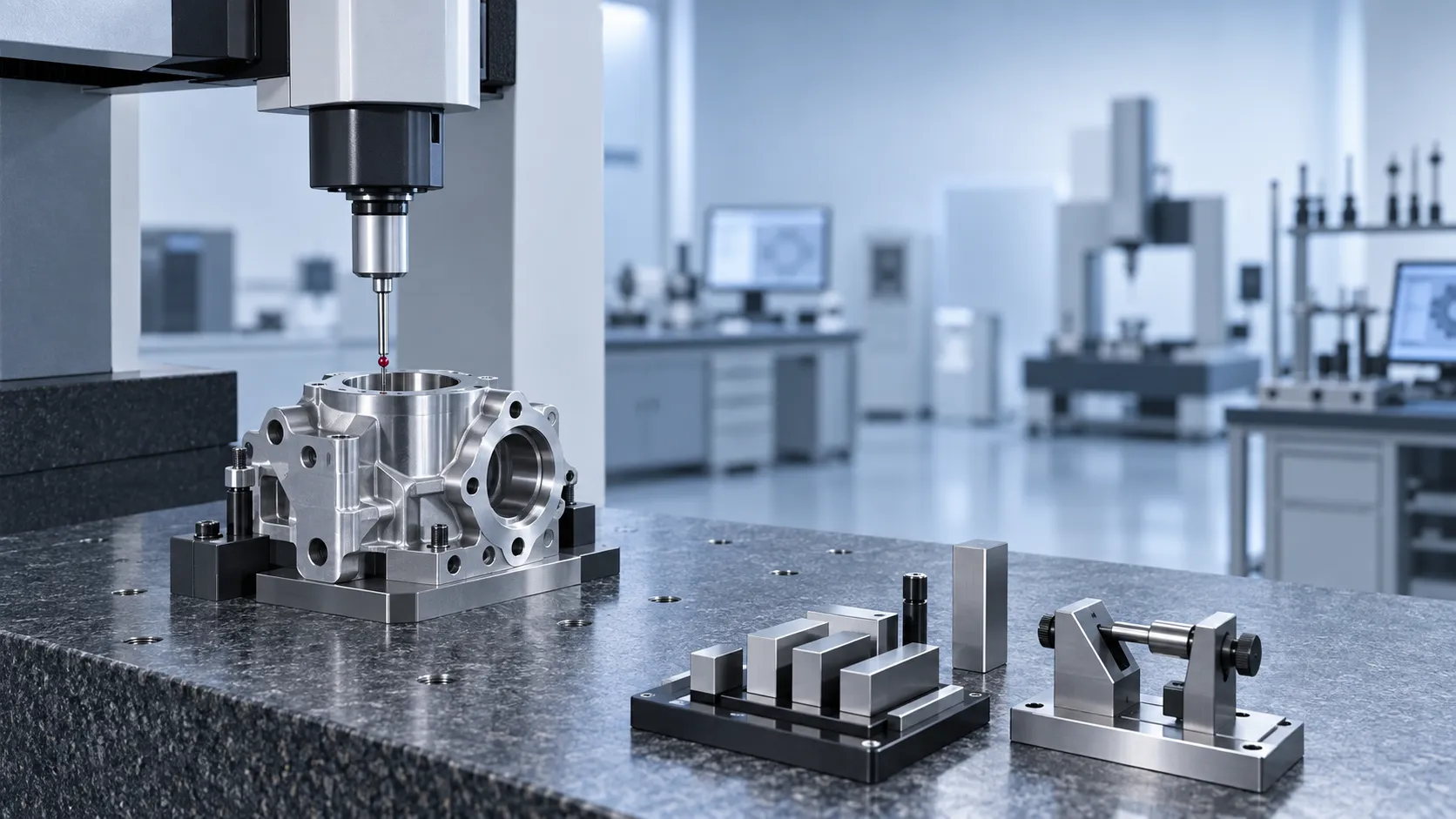
How Specification-Driven Articles Improve Precision Measurement System Selection
Specification-oriented articles precision measurement guidance helps teams compare accuracy, repeatability, environment, and data needs to select reliable systems with confidence.

How to Evaluate a Technology Integration Service Provider for Complex Projects
Technology integration service provider selection guide: evaluate interface ownership, delivery discipline, scalable architecture, and risk control for complex projects.
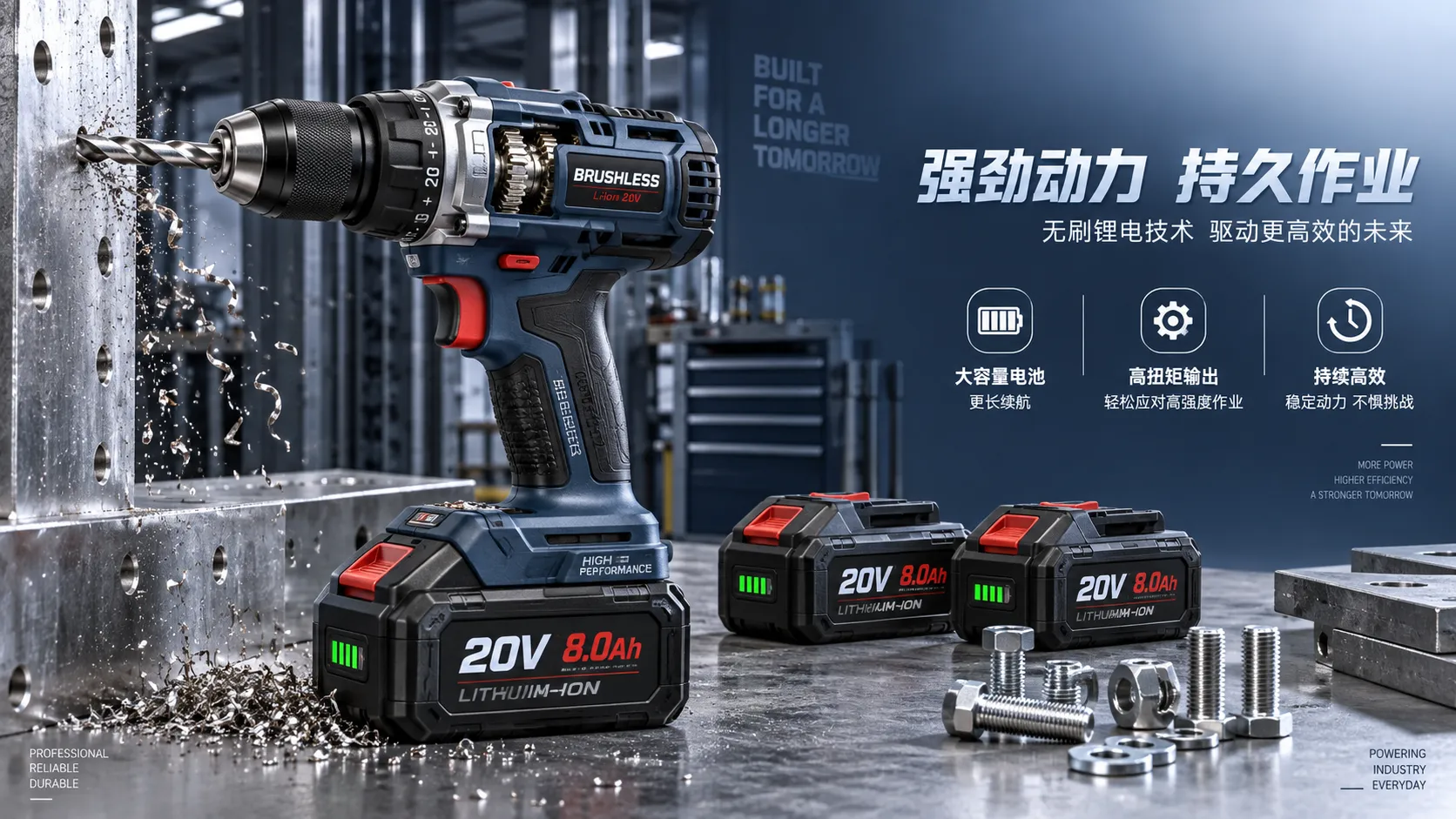
How Battery, Torque, and Duty Cycle Affect Cordless Power Tool Efficiency
Cordless power tool efficiency depends on battery output, torque, and duty cycle. Learn how to match tools to demanding jobs for stronger runtime and productivity.

Product Comparison Resources for Component Compatibility and Lifecycle Risk
Product comparison resources for components: evaluate compatibility, interfaces, service support, and lifecycle risk to reduce downtime, avoid redesigns, and make confident sourcing decisions.
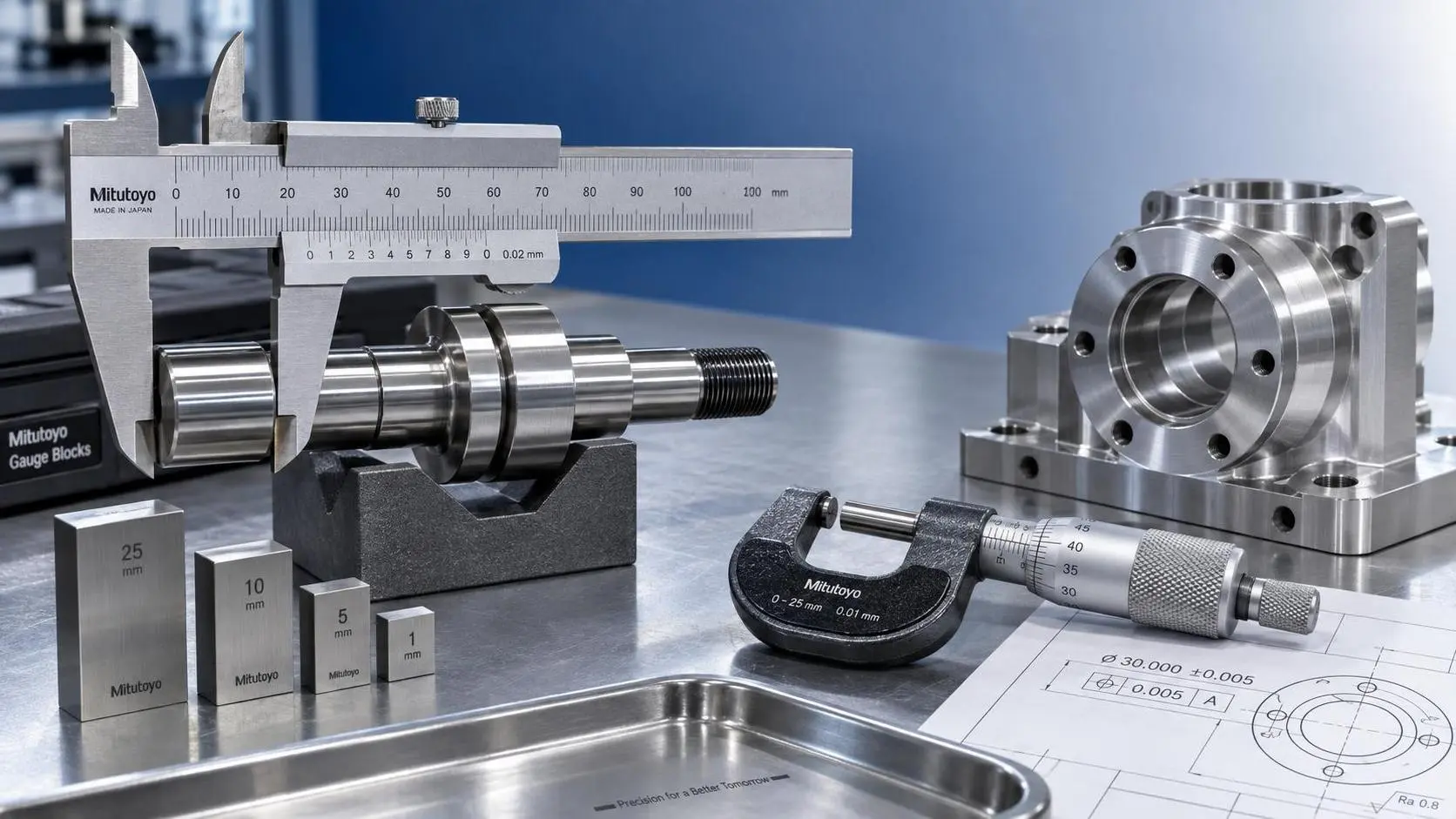
How to Select Vernier Precision Calipers for Tight-Tolerance Machining Inspection
Vernier precision calipers for tight-tolerance machining: learn how to select the right range, jaw design, accuracy, and verification process for reliable inspection.
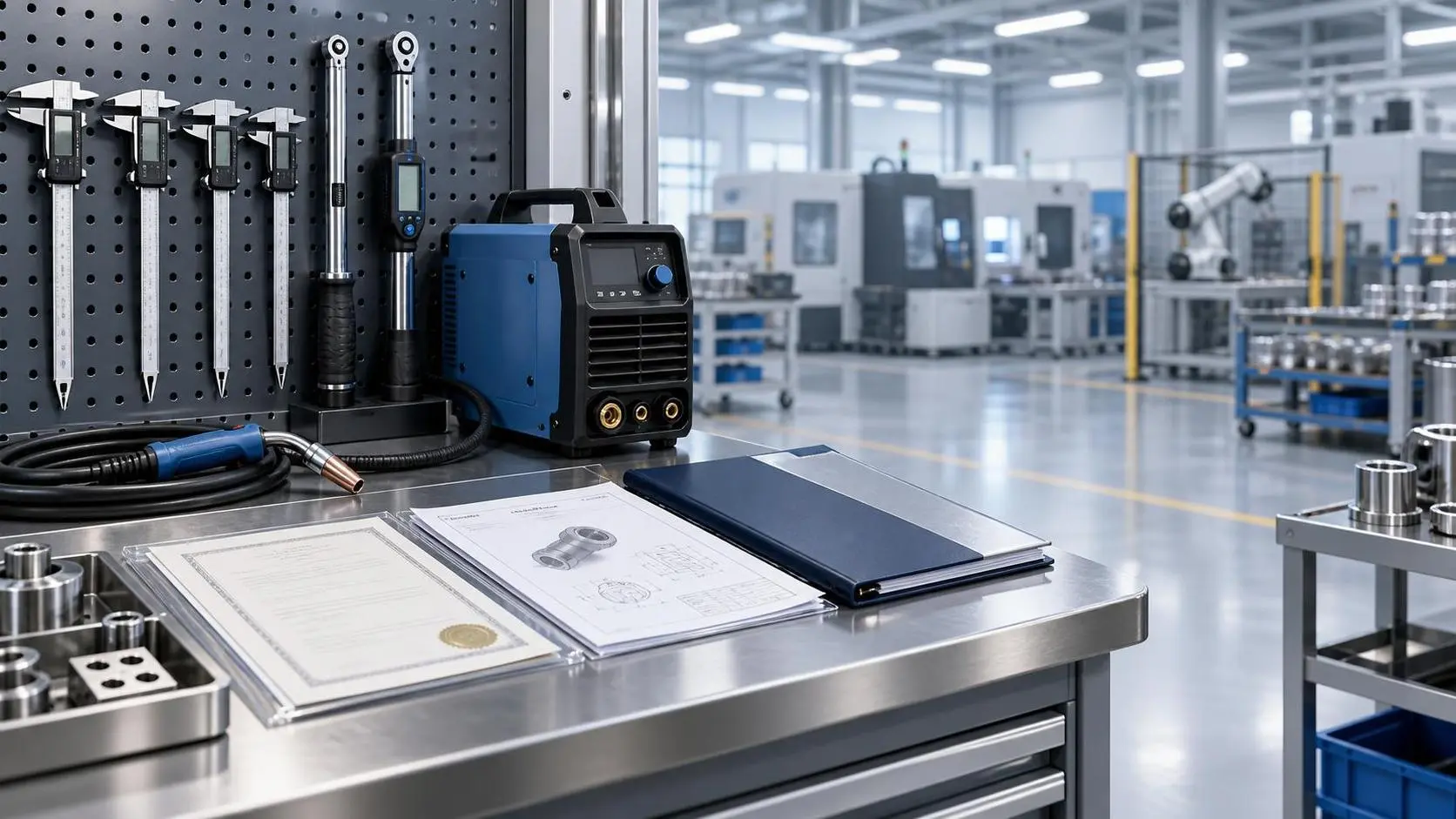
Product Comparison Resources in Europe: How Buyers Can Verify Specs and Suppliers
Product comparison resources Europe: learn how to verify industrial specs, compliance claims, supplier credibility, and delivery risk for smarter purchasing decisions.

How to Evaluate an Industrial Metrology Solution Manufacturer for Production Use
Industrial metrology solution manufacturer evaluation guide for production: compare accuracy, traceability, automation, software, service, and acceptance testing to reduce risk.
Which ISO Standards Matter Most for Precision Engineering Quality Control?
Precision engineering ISO standards explained: discover how ISO 9001, ISO/IEC 17025, ISO 10012, GPS, and ISO 3834 strengthen quality control, traceability, and compliance.
Related News
- 00
0000-00
How Specification-Driven Articles Improve Precision Measurement System Selection - 00
0000-00
Product Comparison Resources for Component Compatibility and Lifecycle Risk - 00
0000-00
Which ISO Standards Matter Most for Precision Engineering Quality Control? - 00
0000-00
Selecting Metal Joining Methods for Aluminum-to-Steel Assemblies - 00
0000-00
How to Evaluate Industrial Manufacturing Systems for Throughput, Flexibility, and ROI
Prof. Marcus Chen
Weekly Insights
Stay ahead with our curated technology reports delivered every Monday.