
Digital Factories vs Traditional Plants: Costs, Data Flow, and ROI Factors





Digital Factories vs Traditional Plants: Costs, Data Flow, and ROI Factors
For enterprise decision makers, the shift from traditional plants to digital factories is no longer a technology debate.
It is a capital allocation question tied to cost structure, data flow, workforce readiness, and measurable return.
Beyond automation hardware, digital factories reshape production visibility, quality control, and operational resilience.
Traditional plants still offer cost advantages, especially where product variety, labor flexibility, or legacy craftsmanship remain decisive.
Scenario Background: Why Factory Type Depends on Operating Conditions
The business case for digital factories changes by industry, product complexity, compliance pressure, and order volatility.
A high-volume automotive line faces different priorities than a repair workshop using welding tools and precision gauges.
In assembly, metal joining, and metrology, the last mile of production often determines final value.
That last mile includes torque consistency, welding traceability, dimensional inspection, calibration discipline, and operator ergonomics.
Digital factories create value when these activities become measurable, comparable, and continuously optimized.
Traditional plants remain practical when variation is high and automation rules are difficult to standardize.
Scenario 1: High-Volume Production With Repeatable Processes
High-volume production is the most obvious use case for digital factories.
Stable demand supports investment in sensors, manufacturing execution systems, robotics, and automated inspection.
The key judgment point is not whether automation works.
The key question is whether each process cycle generates enough savings to recover integration costs.
Digital factories improve uptime through predictive maintenance, energy monitoring, and real-time bottleneck detection.
For repetitive welding, fastening, cutting, or measurement tasks, digital records also support quality audits.
Traditional plants can still compete where equipment is fully depreciated and defect costs remain manageable.
Scenario 2: Precision Manufacturing With Strict Quality Evidence
Precision manufacturing often benefits strongly from digital factories because measurement data becomes a production asset.
In aerospace maintenance, medical components, automotive safety parts, and energy equipment, traceability has direct commercial value.
A caliper reading, torque curve, weld seam profile, or laser welding parameter should not remain isolated.
Digital factories connect these signals into inspection histories, process capability studies, and nonconformance workflows.
The ROI driver is often reduced rework, fewer warranty claims, and faster customer approval.
Traditional plants may pass inspections, yet documentation can be slow, fragmented, or dependent on individual discipline.
When compliance becomes stricter, manual records become a hidden cost center.
Scenario 3: Mixed-Model Lines and Short Product Life Cycles
Mixed-model production requires careful evaluation before moving fully into digital factories.
Frequent changeovers can reduce the benefit of rigid automation if software recipes are poorly designed.
The suitable approach is often modular digitization rather than complete plant replacement.
Examples include smart torque tools, barcode-based work instructions, portable metrology, and connected welding power sources.
Digital factories perform well when product routing, fixture logic, and inspection rules are digitally maintained.
Traditional plants provide flexibility when skilled teams adapt rapidly without heavy system configuration.
The best scenario decision compares engineering change frequency against the cost of maintaining digital master data.
Scenario 4: Labor-Intensive Workshops and Field-Oriented Operations
Not every operation should become a fully integrated digital factory at once.
Repair, maintenance, construction, and field assembly often rely on mobility, judgment, and rapid tool deployment.
Here, digital factories should be interpreted as connected work ecosystems, not only automated production halls.
Connected hydraulic equipment, IoT torque control, and handheld laser welding monitoring can create practical gains.
The core judgment point is whether digital records reduce disputes, improve safety, or speed final acceptance.
Traditional plants and workshops remain attractive when job scope changes daily and equipment utilization is unpredictable.
Cost Differences: Where Capital Really Goes
The cost gap between digital factories and traditional plants extends beyond machines.
Digital factories require integration, cybersecurity, data architecture, staff training, maintenance contracts, and change management.
Initial spending may include sensors, gateways, industrial networks, MES modules, analytics tools, and cloud or edge infrastructure.
Traditional plants usually spend more on manual supervision, paper documentation, overtime, inspection buffers, and inventory cushions.
A fair comparison should convert both models into lifecycle cost.
Data Flow Maturity: The Real Divider Between Models
Data flow maturity often separates successful digital factories from expensive technology showcases.
Machines must generate reliable data, but systems must also interpret it in operational context.
A torque deviation, weld current shift, or measurement drift should trigger defined action.
Without process ownership, data becomes noise rather than intelligence.
Digital factories need four connected layers: capture, standardization, analysis, and response.
- Capture: collect signals from tools, machines, gauges, and operators.
- Standardization: align naming, units, timestamps, and part identities.
- Analysis: detect trends, exceptions, correlations, and root causes.
- Response: update maintenance, quality, scheduling, or work instructions.
Traditional plants can digitize selected layers without becoming fully automated.
This phased approach reduces risk and supports gradual ROI validation.
Different Scenario Requirements: A Practical Comparison
The strongest decision framework compares production conditions with expected digital value.
Digital factories should be prioritized where visibility, repeatability, and traceability affect margin or market access.
Scenario Adaptation: How to Choose the Right Path
The safest path is not always full conversion to digital factories.
A staged roadmap often delivers faster learning and clearer financial control.
- Start with loss mapping across scrap, downtime, rework, energy, and inspection delays.
- Select one process where data can change decisions within weeks.
- Connect tools or machines only after defining owners and response rules.
- Measure ROI using actual baseline performance, not vendor assumptions.
- Scale digital factories only when benefits repeat across lines or sites.
This approach protects capital and prevents digital systems from becoming disconnected reporting layers.
It also respects legacy strengths, including craft knowledge and proven operating routines.
ROI Factors That Deserve Close Attention
ROI in digital factories should include both direct savings and avoided business risk.
Direct gains include labor efficiency, fewer defects, lower downtime, reduced inventory, and improved energy use.
Strategic gains include faster audits, stronger customer confidence, and better response to raw material volatility.
In global supply chains, export standards and documentation demands increasingly influence competitiveness.
Digital factories can support these demands by making production history accessible and trustworthy.
However, ROI weakens when data quality is poor or operators see systems as administrative burden.
Training, ergonomic tool design, and simple interfaces are therefore financial variables, not soft issues.
Common Misjudgments and Overlooked Points
One common mistake is treating digital factories as equipment upgrades only.
The larger challenge is aligning process logic, information flow, and human decision rights.
Another mistake is automating unstable processes before root causes are understood.
Automation can make poor processes faster, but not necessarily better.
Cybersecurity is also frequently underestimated in connected industrial environments.
A connected torque tool or welding station can become an operational risk without access control.
Traditional plants have their own blind spots, especially hidden rework and undocumented process variation.
These costs may stay invisible until customers demand traceable proof.
Action Guide: Building a Decision-Ready Factory Roadmap
A practical roadmap should start with business pain, not technology enthusiasm.
Define which scenarios truly need digital factories and which only need targeted digital reinforcement.
For assembly, compare takt time losses, fastening errors, tool utilization, and inspection delays.
For metal joining, review weld parameter stability, safety controls, qualification records, and rework patterns.
For precision metrology, examine calibration discipline, measurement repeatability, and data transfer reliability.
Then rank projects by payback period, implementation risk, and scalability across future operations.
GPTWM’s intelligence perspective supports this disciplined comparison across tools, welding, and metrology ecosystems.
The strongest factories will not be purely traditional or blindly digital.
They will combine craftsmanship, connected tools, reliable data flow, and scenario-based investment logic.
That is where digital factories become a measurable path to resilience, quality, and global competitiveness.
Related News
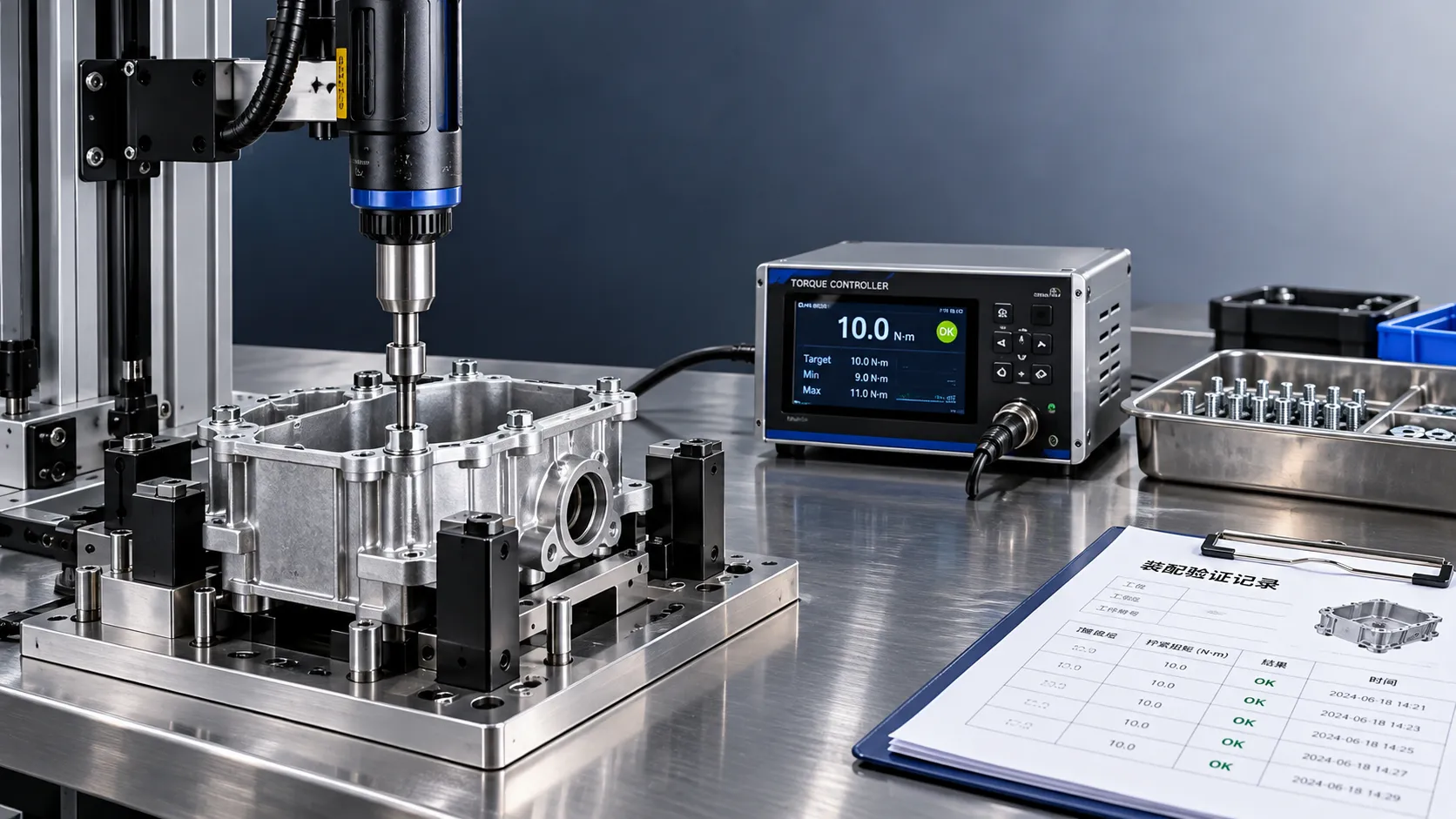
Torque System Suppliers: How to Assess References for Assembly Projects
Explore supplier and solution references torque systems buyers should verify. Assess assembly fit, traceability, and support to reduce risk and choose with confidence.
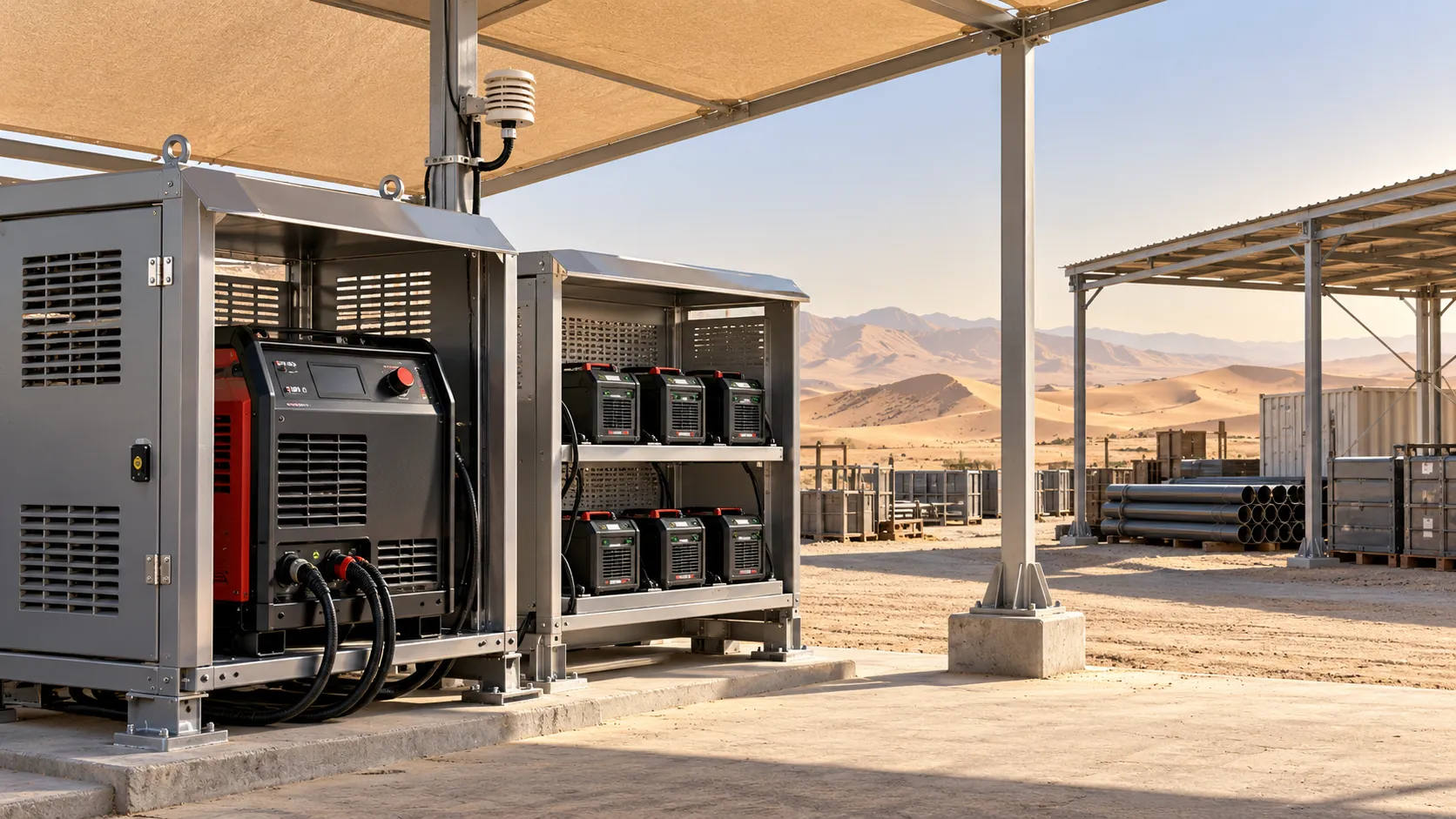
Equipment Application Guidance for the Middle East: Managing Heat and Dust
Explore application guidance Middle East teams can use to manage heat and dust, protect welding equipment, batteries and precision tools, and reduce downtime. Get practical tips.
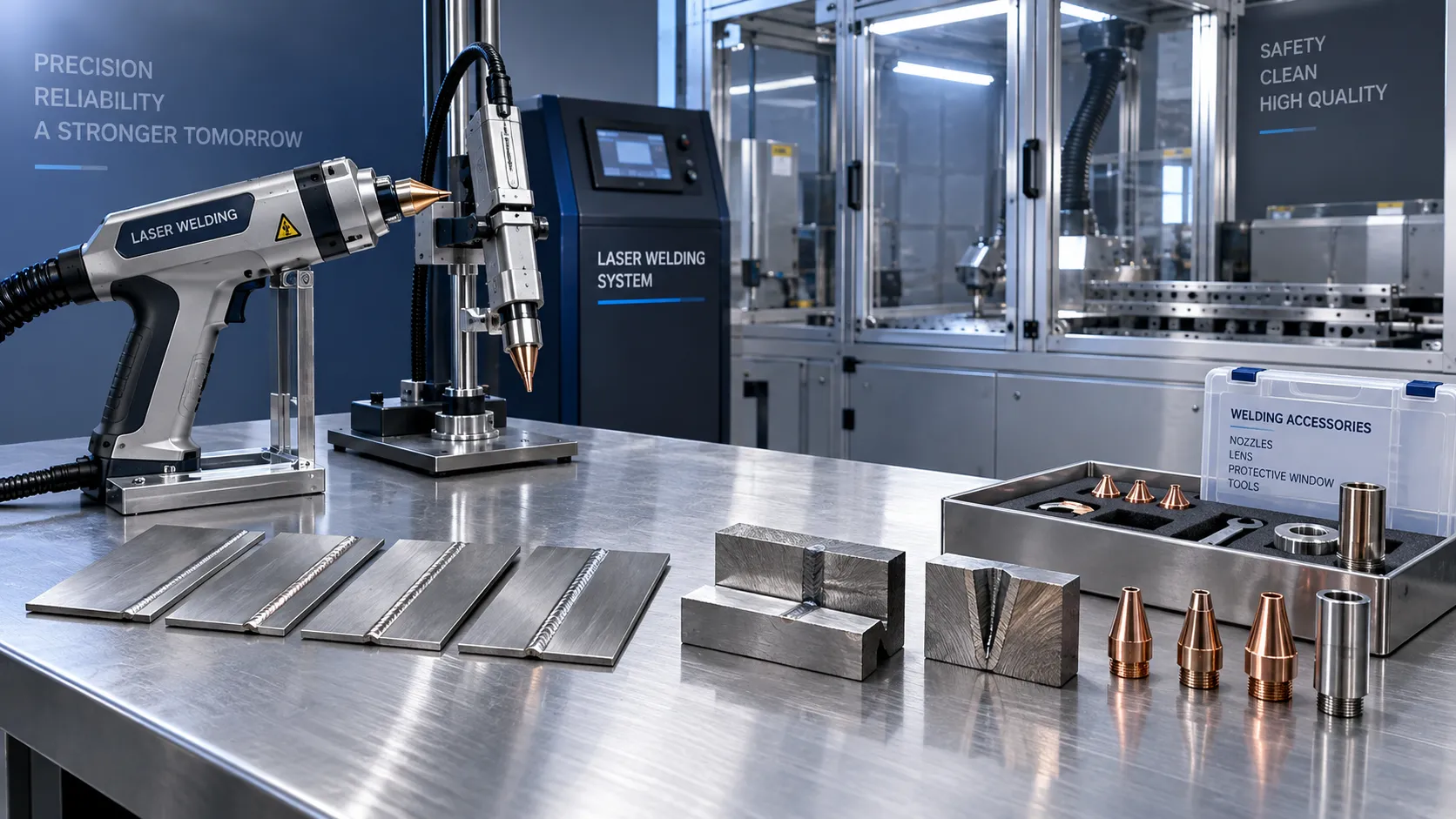
Choosing a Handheld Laser Welding Supplier: Weld Trials, Training, and Service
Choose a handheld laser welding supplier with proven weld trials, safety training, and reliable service. Learn what to verify before buying to reduce downtime and protect your investment.
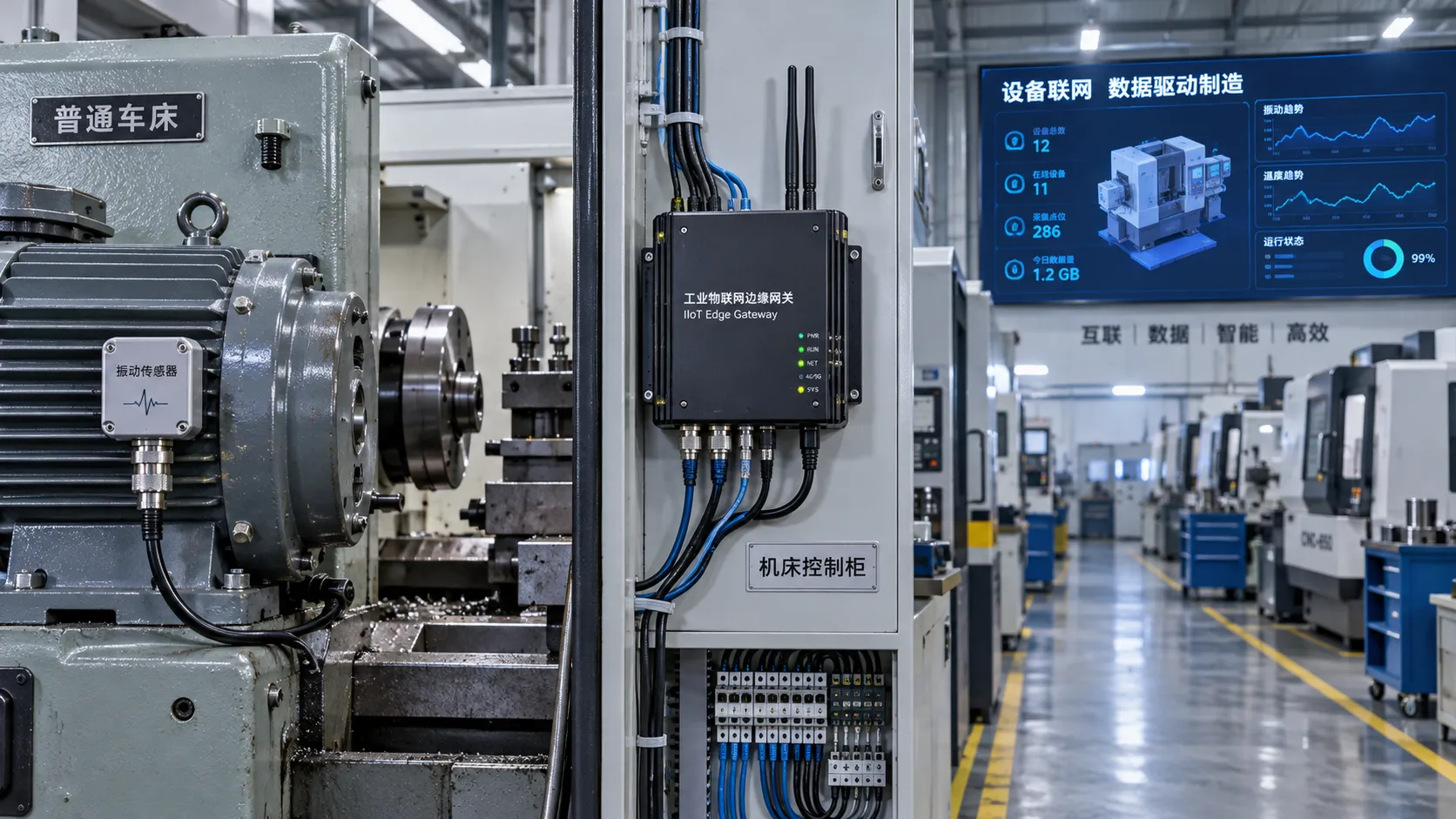
Choosing an Industrial IoT Platform: Key Criteria for Legacy Equipment
Choose an industrial IoT platform for legacy equipment with confidence. Discover key checks for connectivity, data integrity, security, and lifecycle costs before investing.

In-House vs. Outsourced Aircraft Maintenance: Comparing Total Costs
Compare aerospace maintenance cost for in-house vs. outsourced aircraft upkeep. Discover hidden expenses, downtime impacts, and break-even factors to find the best fit for your fleet.
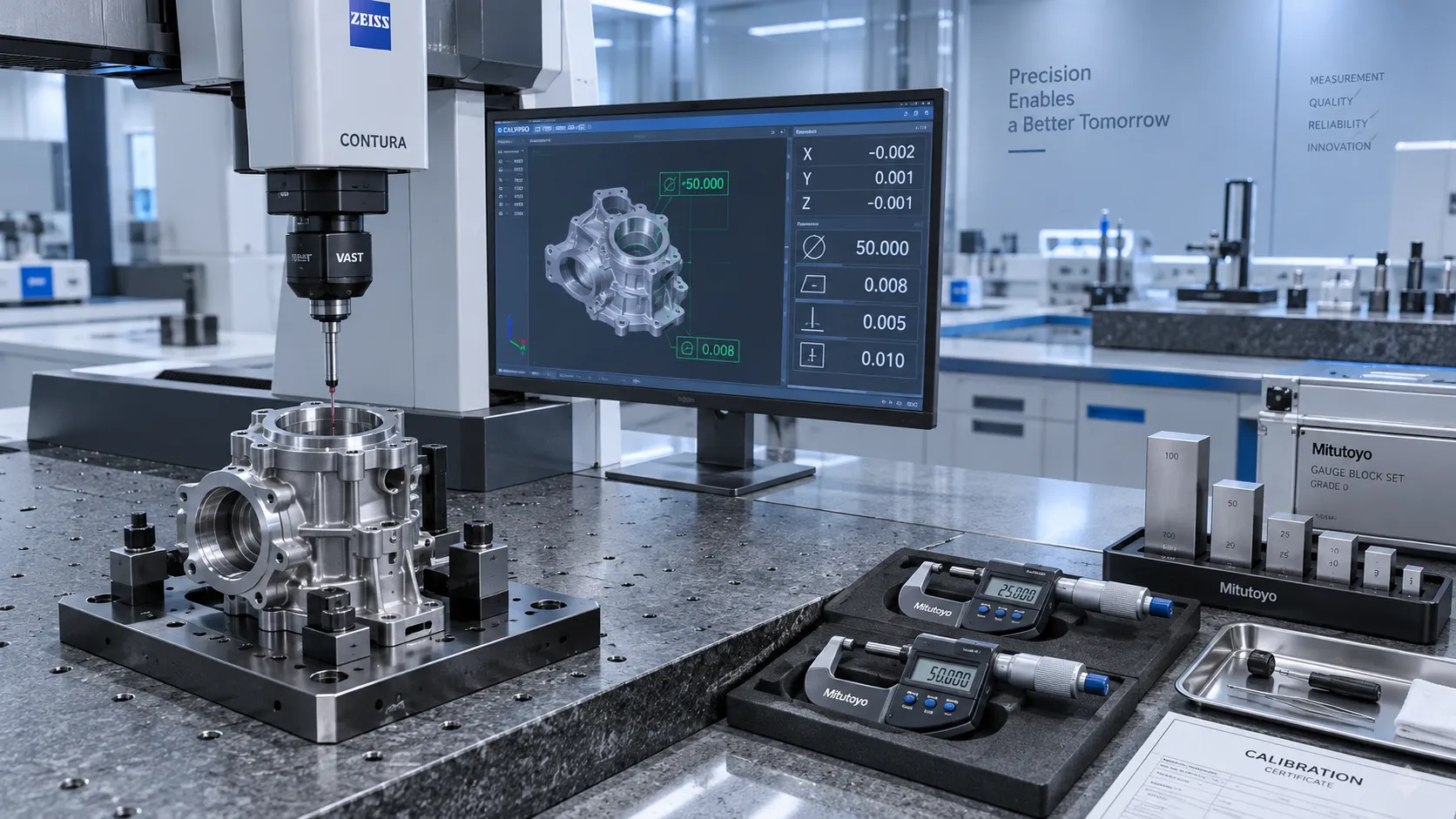
How to Select High-Precision Measuring Instruments for Tight-Tolerance Production?
High-precision measuring instruments are essential for tight-tolerance production. Learn how to evaluate accuracy, repeatability, environment, calibration, and data integration.
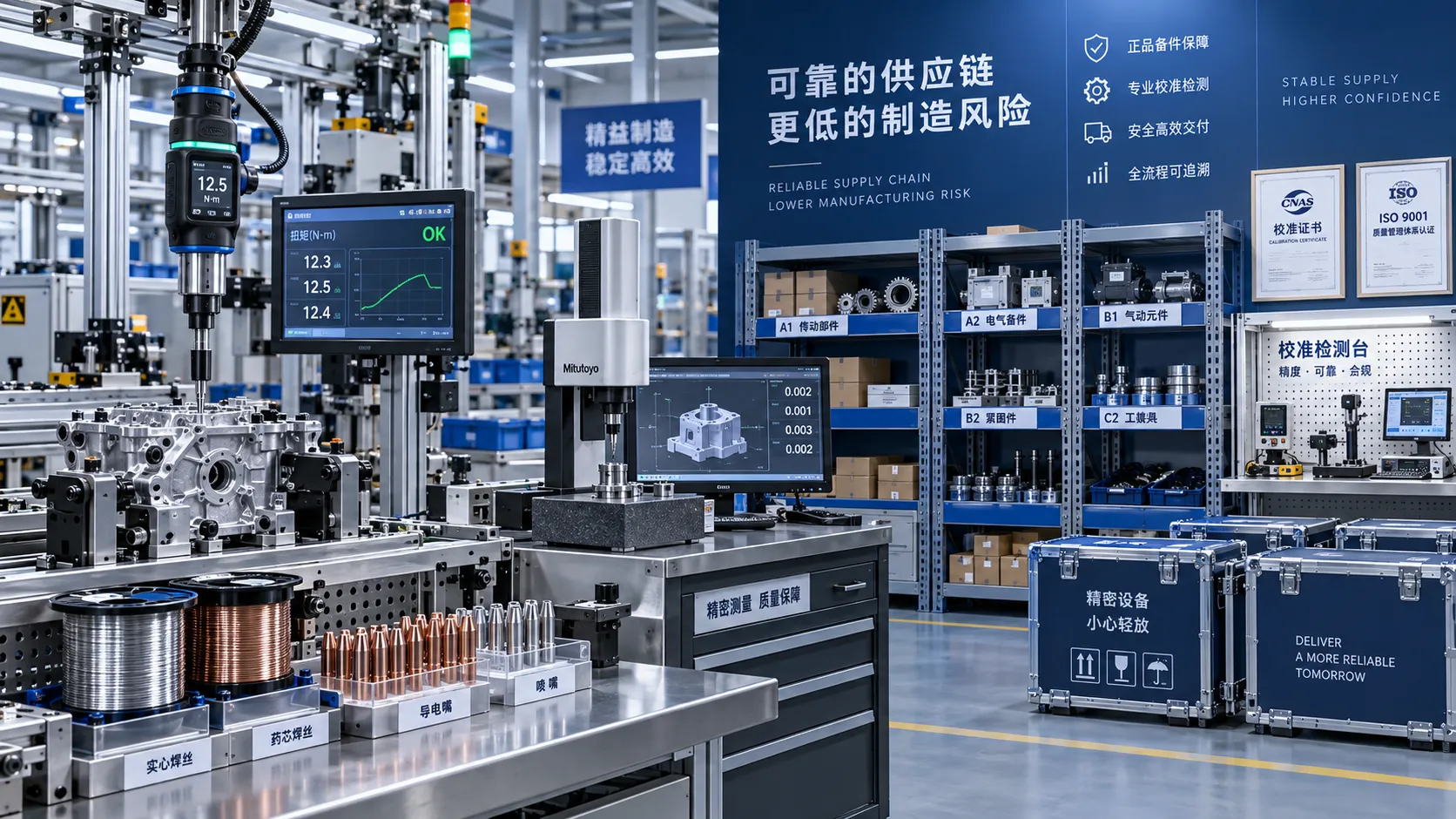
How Industrial Innovation Supplier Networks Reduce Sourcing Risk for Manufacturers
industrial innovation supplier network insights help manufacturers reduce sourcing risk, control lifecycle costs, and choose reliable tools, services, and suppliers with confidence.
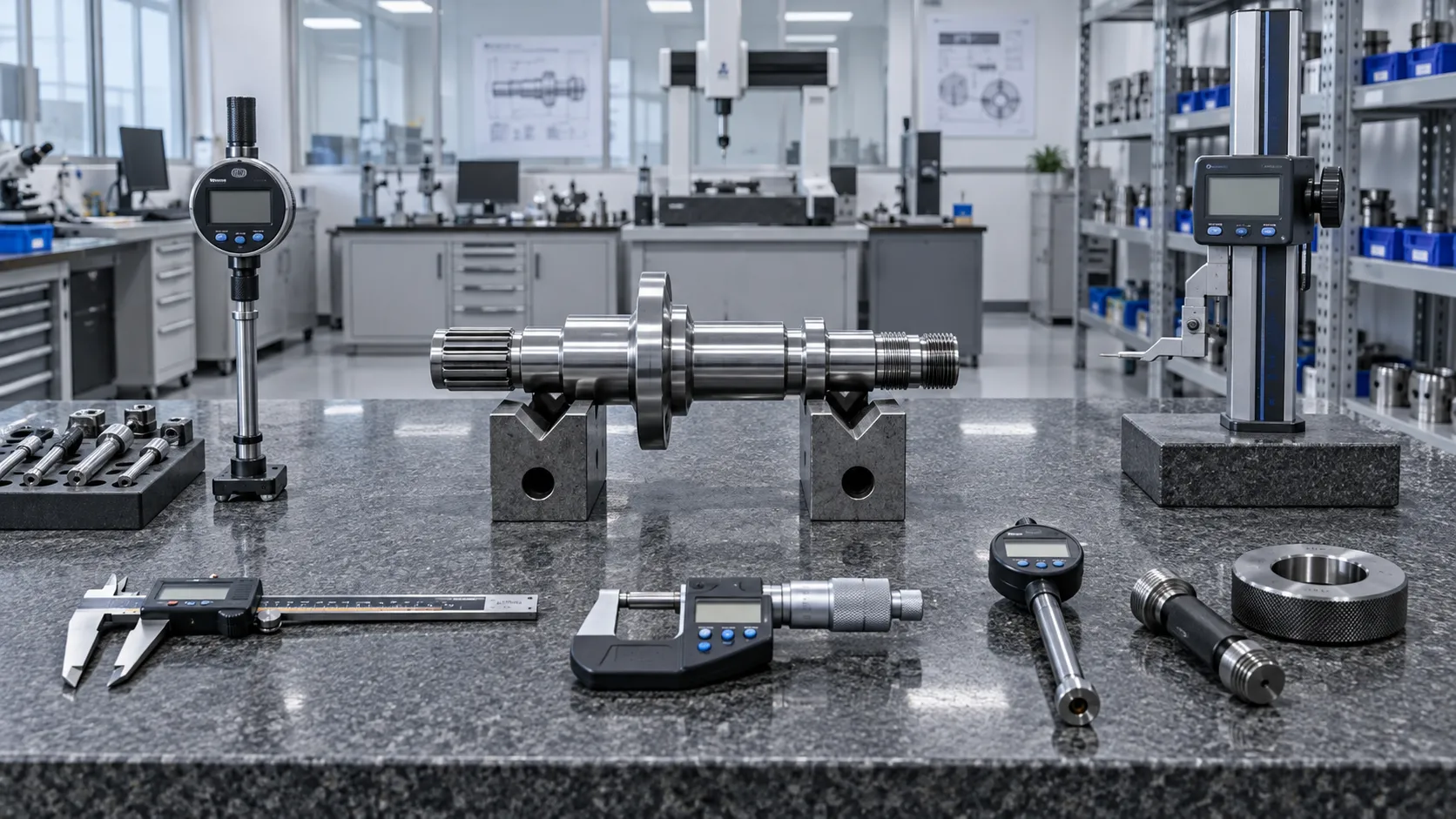
Which Precision Measuring Tools Are Best for Incoming Inspection?
Which precision measuring tools are best for incoming inspection? Explore calipers, micrometers, gauges, CMMs, and smarter strategies to prevent costly defects.
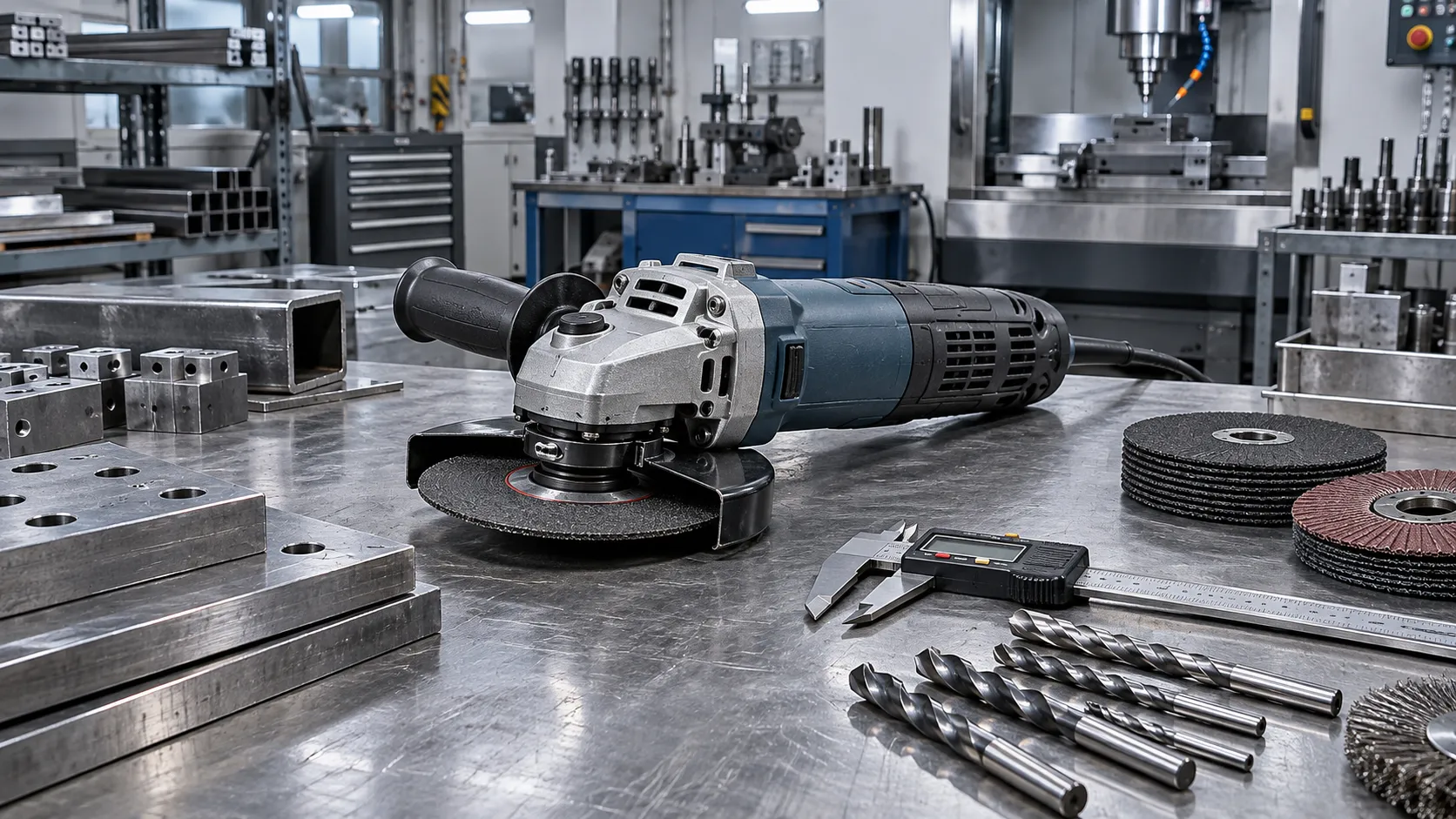
Are Lower-Cost Metalworking Tools More Likely to Fail Early?
Are cheaper metalworking tools more likely to fail early? Explore duty cycle, build quality, and total ownership costs to make smarter buying decisions.
Related News
- 00
0000-00
South East Asia Machine Tools Market: Demand Outlook by Manufacturing Industry - 00
0000-00
How Middle East Manufacturers Can Improve Production Efficiency Under Heat and Labor Constraints - 00
0000-00
Why Are Specification-Oriented Articles Gaining Traction in Europe’s B2B Markets? - 00
0000-00
Industrial Solutions in Latin America: Key Growth Sectors and Market Entry Risks - 00
0000-00
What Is Driving Manufacturing Efficiency in Europe’s Industrial Sectors?
Dr. Alistair Vaughn
Weekly Insights
Stay ahead with our curated technology reports delivered every Monday.