
Are ergonomic standards reducing tool injury risks?





Are ergonomic standards reducing tool injury risks?
Tool-related injuries remain a hidden cost in industrial assembly, welding, and precision inspection environments.
They affect productivity, compliance, repeatability, and workforce reliability across mixed industrial operations.
Ergonomic standards now serve as practical benchmarks for safer tool selection, workstation layout, and operator training.
The key question is whether ergonomic standards reduce injury risks in real scenarios, or only increase documentation.
For GPTWM, this question sits at the intersection of precision tools, industrial intelligence, and safer last-mile manufacturing.
Why ergonomic standards matter differently by operating scenario
Tool injury risk is rarely caused by one poor tool choice.
It usually emerges from force, posture, vibration, repetition, heat, visibility, and production pressure working together.
Ergonomic standards help convert these mixed risks into measurable requirements for decision-making.
However, the value of ergonomic standards depends heavily on the application scene.
A torque tool used overhead needs different controls than a caliper used at an inspection bench.
A welding torch used continuously requires different ergonomic logic than a hydraulic cutter used in short bursts.
This is why scenario-based evaluation is more useful than a generic safety checklist.
When ergonomic standards are tied to real task exposure, injury prevention becomes practical and measurable.
Scenario 1: Assembly lines with repetitive fastening tasks
Repetitive fastening is one of the clearest areas where ergonomic standards reduce tool injury risks.
The main hazards include wrist deviation, grip force, reaction torque, shoulder elevation, and cycle-time pressure.
Modern ergonomic standards encourage balanced tool weight, low trigger force, suitable handle diameter, and torque reaction control.
In high-frequency assembly, even small design improvements can reduce cumulative strain significantly.
The strongest results appear when ergonomic standards are connected with torque accuracy and workstation positioning.
A lightweight tool still creates risk if the fastener position forces repeated arm extension.
Intelligent torque control also supports safer work by reducing over-tightening and unnecessary corrective actions.
Scenario 2: Welding and metal joining under heat and posture constraints
Welding environments create ergonomic challenges beyond grip and repetition.
Heat, protective equipment, cable drag, restricted visibility, and awkward access can increase physical load.
Ergonomic standards are reducing risks when they address torch balance, hose flexibility, handle insulation, and access angle.
Handheld laser welding adds another layer of evaluation.
The tool may reduce process time, yet safety depends on control layout, fatigue management, and stable workholding.
Ergonomic standards should not be separated from optical safety, fume control, and thermal protection.
The best outcomes occur when tool ergonomics and process engineering are assessed together.
Scenario 3: Precision inspection and metrology workstations
Precision inspection appears low-risk, but strain injuries can develop quietly.
Common sources include static posture, fine pinch force, visual concentration, and repeated measurement handling.
Ergonomic standards help define bench height, lighting, display position, fixture support, and tool reach zones.
For calipers, micrometers, gauges, and digital indicators, injury prevention depends on hand comfort and process flow.
A high-precision measuring instrument can still create fatigue if data entry interrupts natural movement.
Here, ergonomic standards improve both operator comfort and measurement consistency.
Reduced fatigue often supports fewer handling errors, better repeatability, and stronger inspection reliability.
Scenario 4: Maintenance, repair, and field service environments
Field maintenance is unpredictable, making ergonomic standards harder to apply but highly valuable.
Tasks may involve confined spaces, overhead work, uneven footing, and limited support for heavy tools.
Hydraulic tools, impact wrenches, cutters, grinders, and portable welding systems need scenario-specific evaluation.
In these settings, ergonomic standards should guide tool portability, handle placement, vibration control, and carrying systems.
Battery-powered tools can reduce hose restrictions, but added battery weight may shift wrist and shoulder loads.
Therefore, ergonomic standards must consider total task exposure, not only tool specifications.
A safer field solution often combines tool selection, job planning, and temporary support fixtures.
How requirements differ across industrial tool scenarios
This comparison shows why ergonomic standards should be interpreted through task realities.
The same tool may be acceptable in one scenario and risky in another.
Scenario adaptation: turning ergonomic standards into action
Ergonomic standards become effective when translated into procurement, layout, training, and monitoring decisions.
A practical adaptation process should begin with task observation, not product brochures.
- Map tool exposure by cycle time, force, posture, vibration, and recovery time.
- Compare each task against relevant ergonomic standards and internal injury data.
- Select tools that reduce the most frequent and severe exposure factors.
- Validate workstation geometry before expanding the solution across sites.
- Train users on neutral posture, tool support, grip variation, and early symptom reporting.
Digital tools can strengthen this process through torque records, vibration data, and usage patterns.
IoT-based intelligent torque systems are especially useful in repetitive fastening environments.
They help connect ergonomic standards with traceability, quality control, and process discipline.
Common misjudgments that weaken injury reduction
The first mistake is treating ergonomic standards as a document library.
Standards reduce risk only when they affect design choices and operating behavior.
The second mistake is focusing on tool weight alone.
Weight matters, but balance, handle shape, vibration, and task angle can matter more.
The third mistake is ignoring production variation.
A tool safe during normal output may become risky during overtime or urgent rework.
The fourth mistake is separating safety from quality performance.
Poor ergonomics can increase missed defects, inconsistent torque, unstable welds, and inspection drift.
The fifth mistake is underestimating adaptation after automation upgrades.
Collaborative systems and smart tools still require human interaction, recovery time, and clear interface design.
Are ergonomic standards actually reducing injury risks?
The answer is yes, when ergonomic standards are applied as operational controls.
They are less effective when treated as compliance paperwork after tool selection is complete.
Their strongest value appears in scenarios with measurable exposure and repeatable tasks.
Assembly lines, welding cells, inspection benches, and maintenance programs all benefit differently.
The real improvement comes from combining ergonomic standards with industrial intelligence.
This includes metrology insight, tool design knowledge, process economics, and field feedback.
For global operations, unified ergonomic standards also support more consistent training and supplier evaluation.
That consistency matters as supply chains, export rules, and safety expectations continue to evolve.
Next steps for safer and smarter tool decisions
A useful next step is to build a scenario-based ergonomic review for critical tool families.
Start with high-frequency fastening, constrained welding, precision inspection, and demanding maintenance tasks.
Then compare actual exposure against ergonomic standards, incident history, and productivity requirements.
Prioritize changes that reduce force, awkward posture, vibration, heat exposure, and unnecessary repetition.
GPTWM supports this approach by connecting precision tool intelligence with manufacturing efficiency decisions.
Through sharper intelligence, ergonomic standards can become more than rules.
They can become a practical foundation for safer work, better quality, and stronger industrial resilience.
Related News
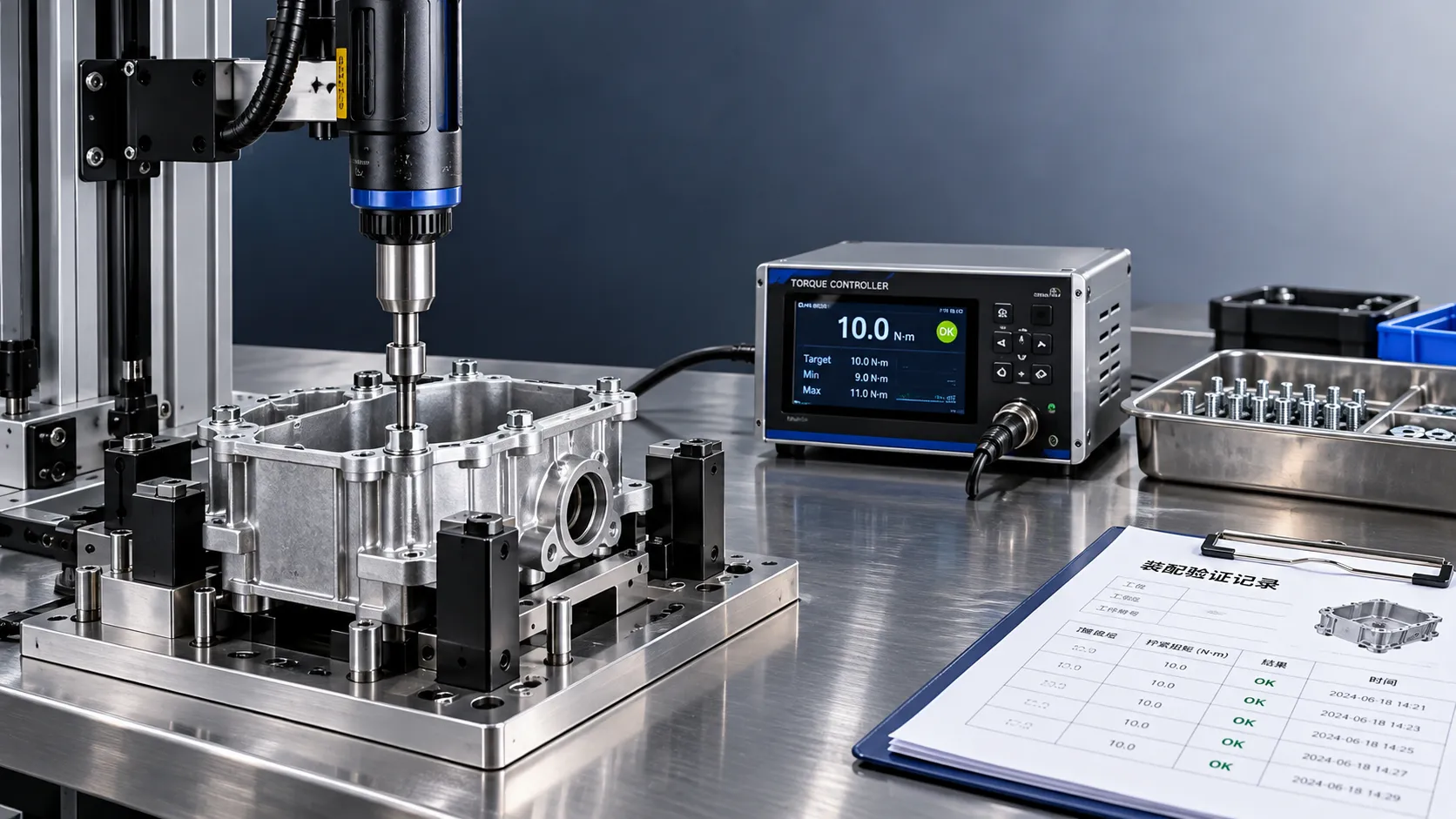
Torque System Suppliers: How to Assess References for Assembly Projects
Explore supplier and solution references torque systems buyers should verify. Assess assembly fit, traceability, and support to reduce risk and choose with confidence.
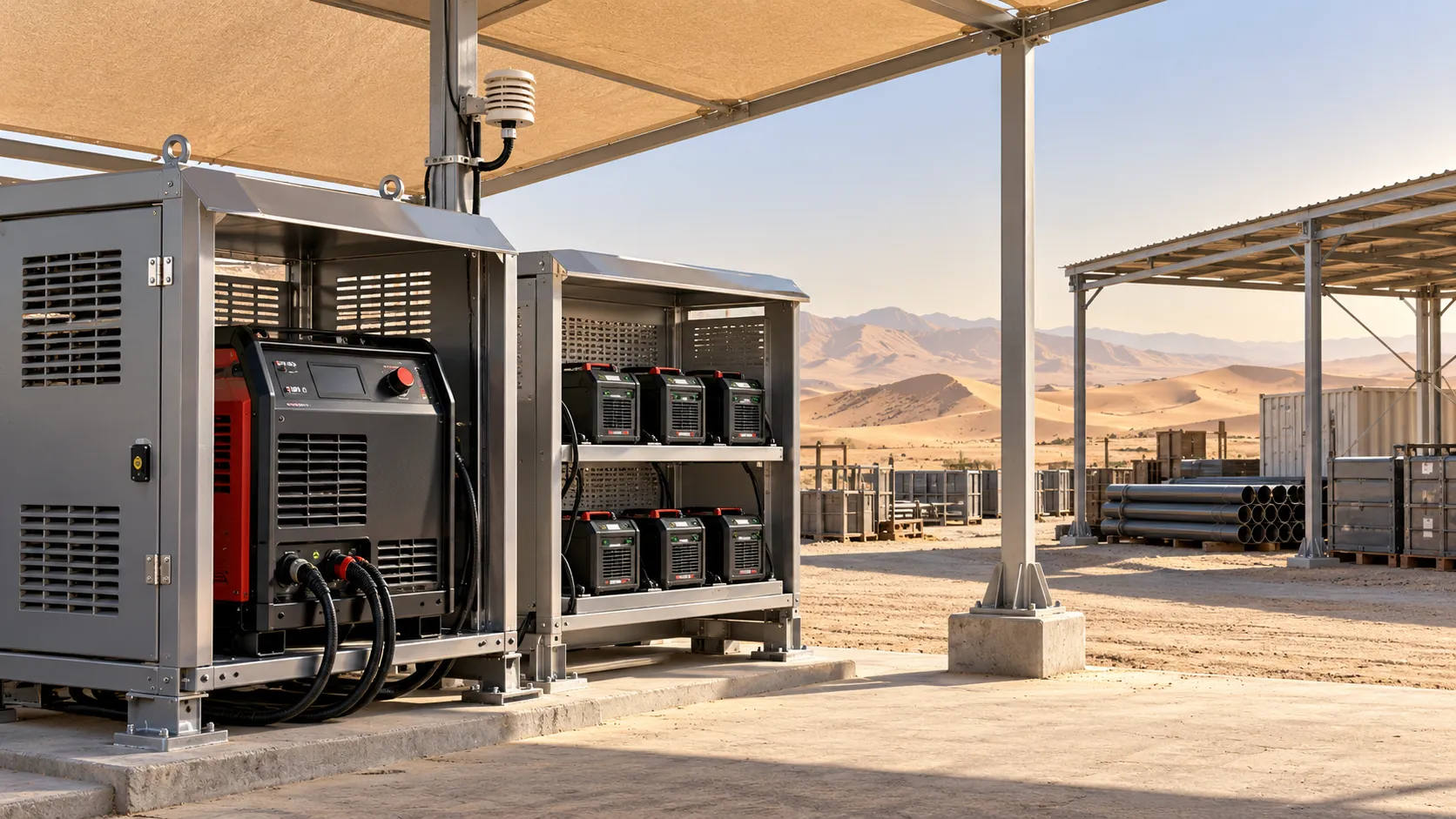
Equipment Application Guidance for the Middle East: Managing Heat and Dust
Explore application guidance Middle East teams can use to manage heat and dust, protect welding equipment, batteries and precision tools, and reduce downtime. Get practical tips.
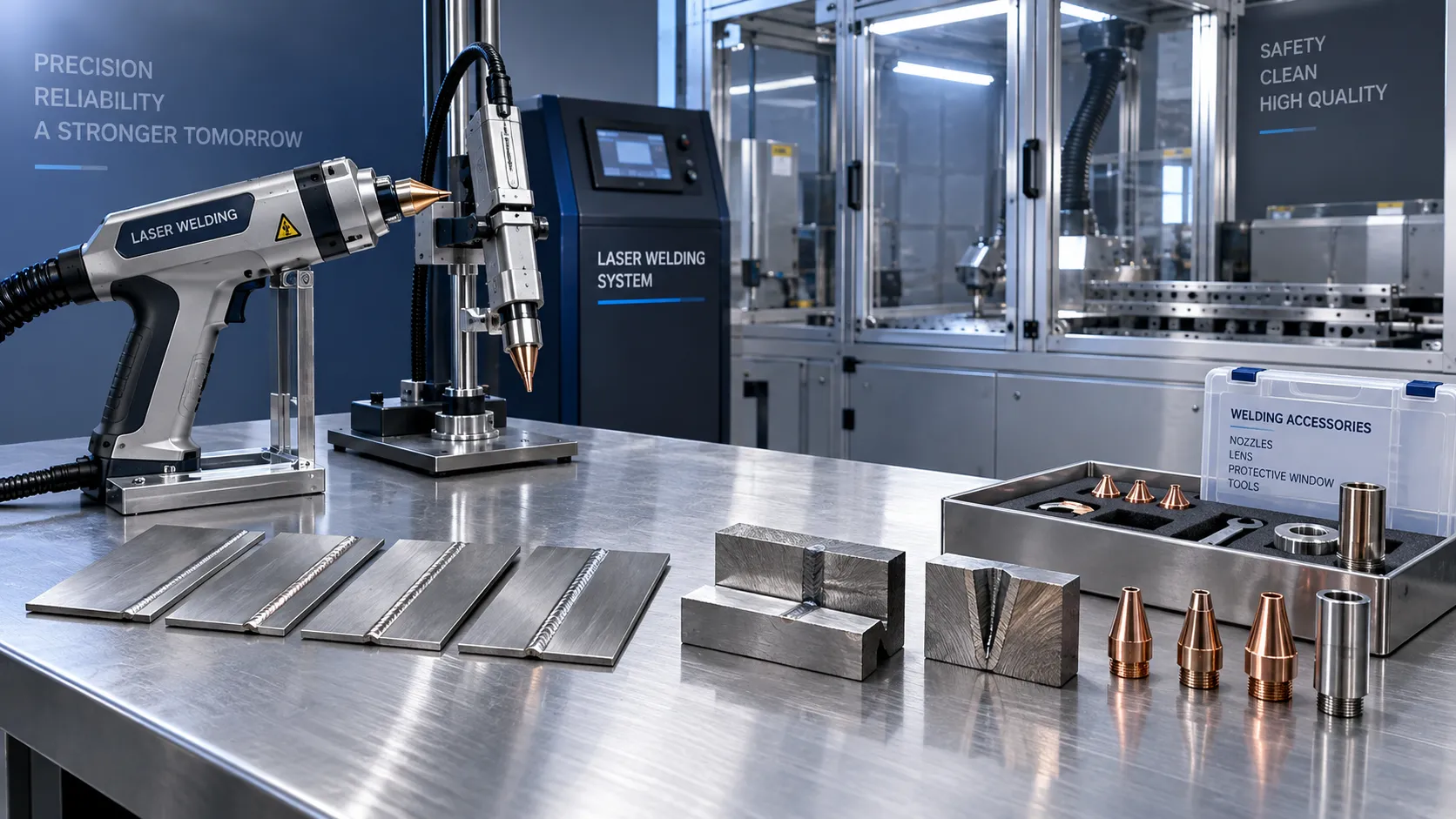
Choosing a Handheld Laser Welding Supplier: Weld Trials, Training, and Service
Choose a handheld laser welding supplier with proven weld trials, safety training, and reliable service. Learn what to verify before buying to reduce downtime and protect your investment.
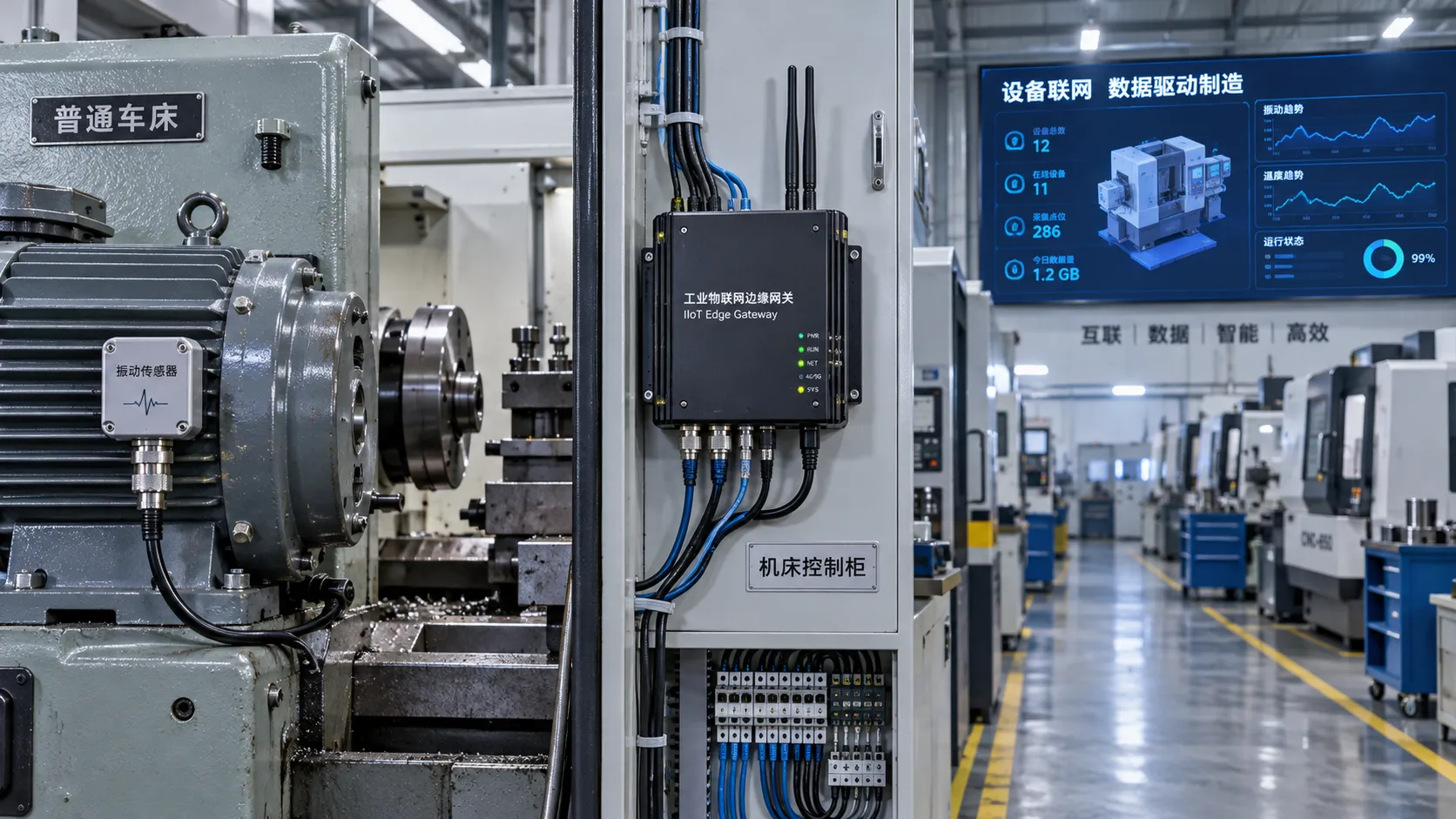
Choosing an Industrial IoT Platform: Key Criteria for Legacy Equipment
Choose an industrial IoT platform for legacy equipment with confidence. Discover key checks for connectivity, data integrity, security, and lifecycle costs before investing.
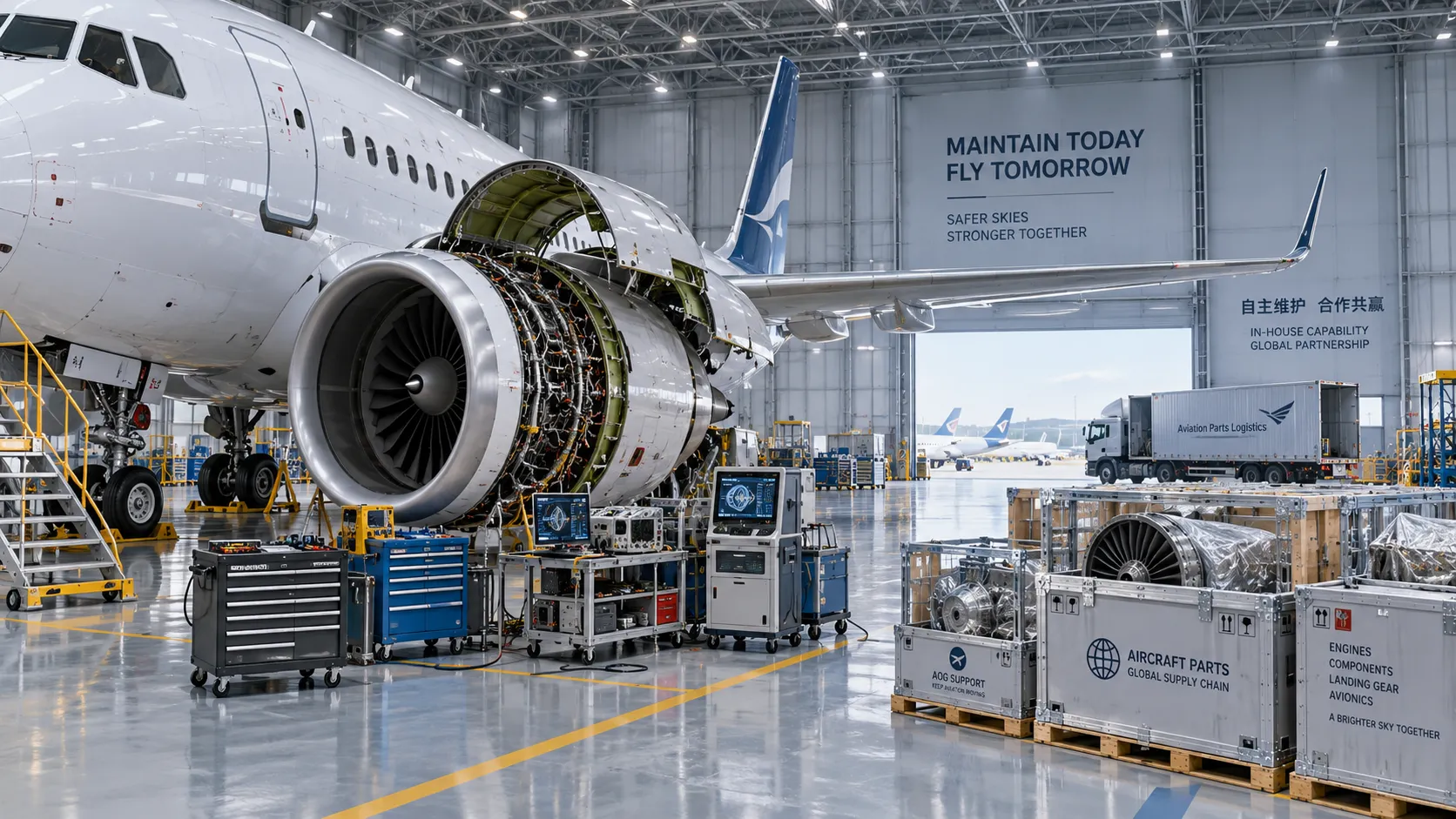
In-House vs. Outsourced Aircraft Maintenance: Comparing Total Costs
Compare aerospace maintenance cost for in-house vs. outsourced aircraft upkeep. Discover hidden expenses, downtime impacts, and break-even factors to find the best fit for your fleet.
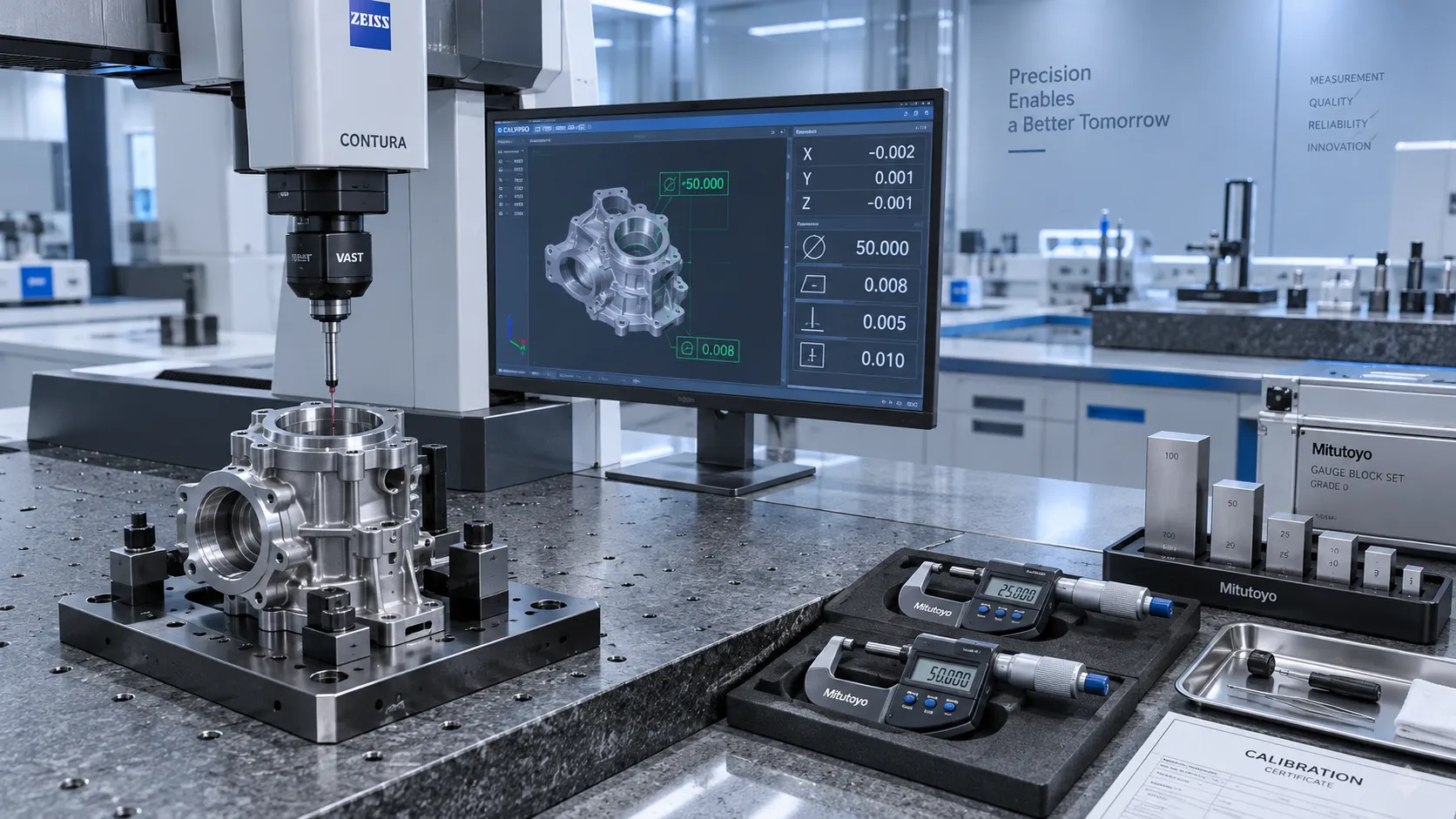
How to Select High-Precision Measuring Instruments for Tight-Tolerance Production?
High-precision measuring instruments are essential for tight-tolerance production. Learn how to evaluate accuracy, repeatability, environment, calibration, and data integration.
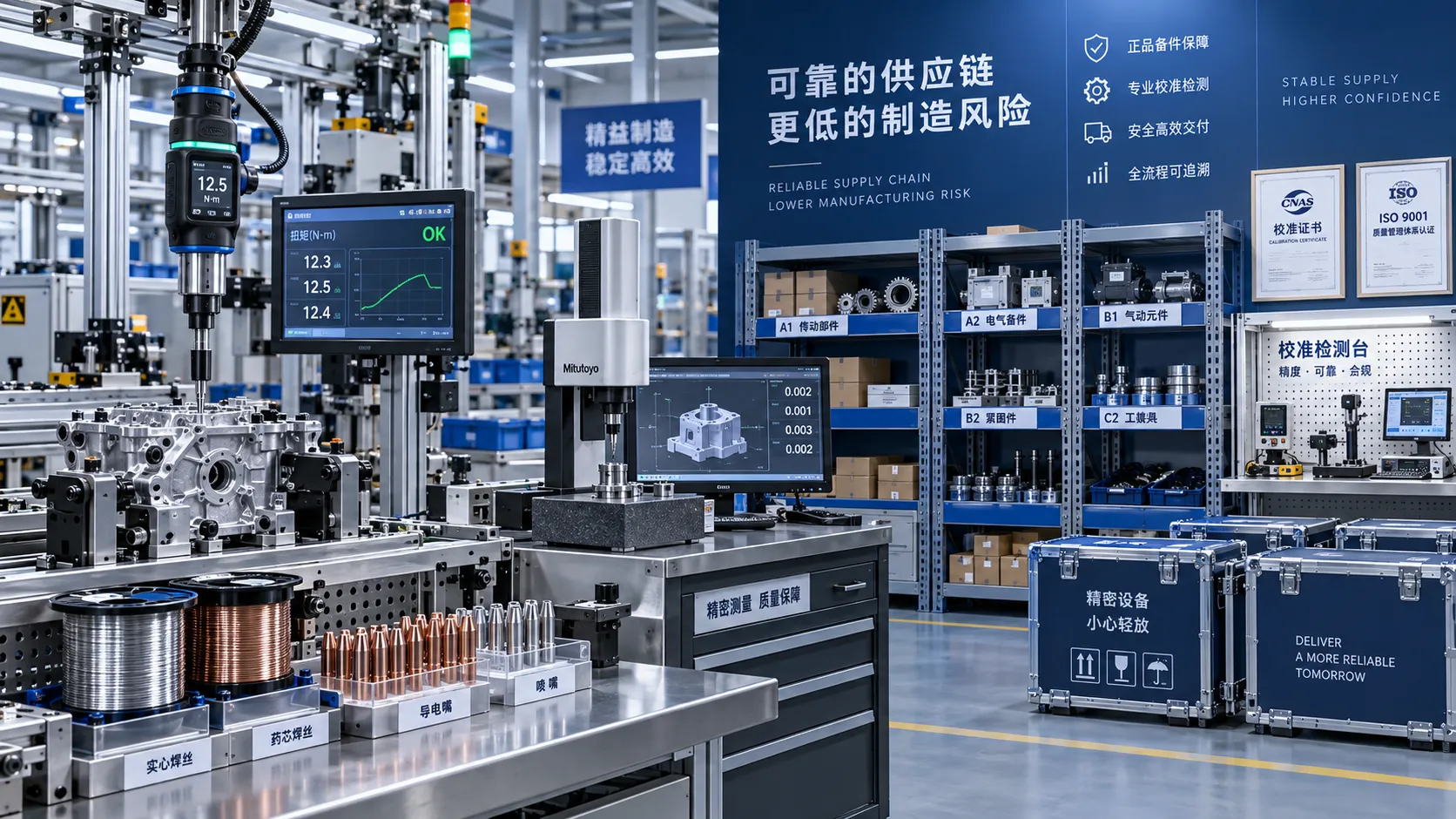
How Industrial Innovation Supplier Networks Reduce Sourcing Risk for Manufacturers
industrial innovation supplier network insights help manufacturers reduce sourcing risk, control lifecycle costs, and choose reliable tools, services, and suppliers with confidence.
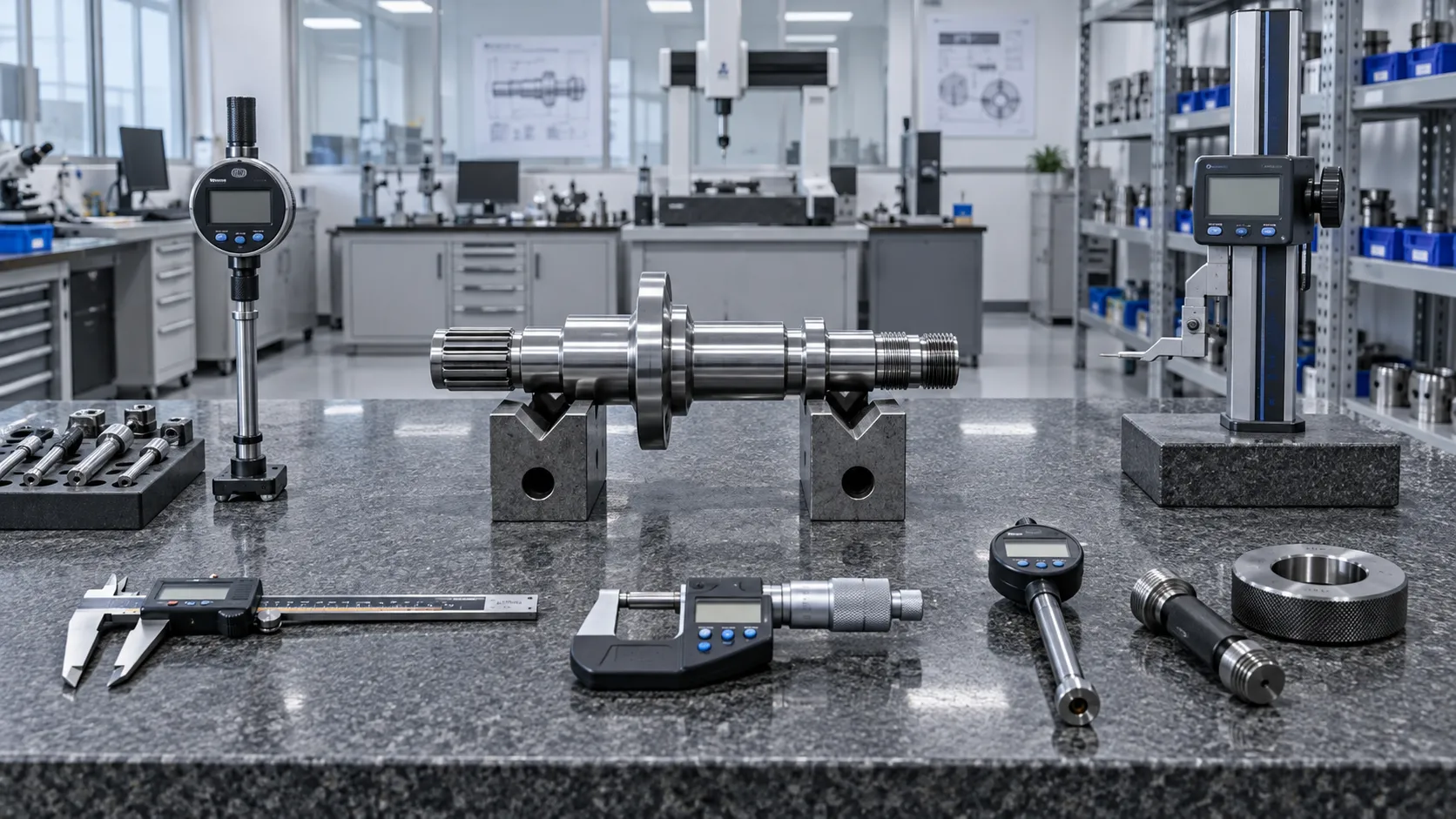
Which Precision Measuring Tools Are Best for Incoming Inspection?
Which precision measuring tools are best for incoming inspection? Explore calipers, micrometers, gauges, CMMs, and smarter strategies to prevent costly defects.
Are Lower-Cost Metalworking Tools More Likely to Fail Early?
Are cheaper metalworking tools more likely to fail early? Explore duty cycle, build quality, and total ownership costs to make smarter buying decisions.
Related News
- 00
0000-00
Automotive Tools: How to Build a Reliable Toolkit for Routine Vehicle Service - 00
0000-00
How to Build an Automotive Hand Tool Set for Routine Vehicle Service - 00
0000-00
Construction Maintenance Tools for Site Repair: What to Pack for Concrete, Steel, and Pipe Fixes - 00
0000-00
Product Information Resources for Assembly Tools: What Specs Matter Before You Compare Models? - 00
0000-00
Industrial Applications of Torque Control Wrenches in Assembly Lines and Field Maintenance
Industrial Craft Curator
Weekly Insights
Stay ahead with our curated technology reports delivered every Monday.