
Aerospace Tools Selection Guide: Materials, Access Limits, and Compliance





Selecting aerospace tools is no longer a simple procurement task. It is a project risk decision tied to material compatibility, restricted access, torque integrity, traceability, and compliance readiness.
The wrong tool choice can delay schedules, create rework, or weaken audit confidence. This guide explains how to evaluate aerospace tools for alloys, confined zones, and regulated workflows.
Why Aerospace Tools Need a Checklist-Based Selection Process
Aerospace assembly rarely allows casual substitution. Fasteners, composite panels, nickel alloys, titanium parts, and sealed systems each demand controlled tool behavior.
A checklist prevents decisions based only on price, catalog familiarity, or general industrial experience. It connects performance claims with measurable requirements.
For aerospace tools, the selection process should verify access geometry, torque repeatability, surface protection, calibration evidence, and documentation quality before field deployment.
This approach also supports supplier comparison. Teams can judge different aerospace hand tools, power tools, torque systems, and measuring instruments using the same criteria.
Core Aerospace Tools Selection Checklist
Use this checklist before approving aerospace tools for assembly, maintenance, inspection, repair, or controlled production work.
- Confirm material compatibility with titanium, aluminum, composites, stainless steel, and nickel alloys before approving cutting, gripping, drilling, or fastening contact surfaces.
- Verify torque accuracy, repeatability, and calibration interval requirements for every controlled fastening operation involving structural or safety-related assemblies.
- Check access limits using real joint geometry, not catalog dimensions, especially around ribs, frames, brackets, wiring, and hydraulic routing.
- Select low-profile, offset, or flexible aerospace tools when standard handles increase wrist angle, fastener misalignment, or collision risk.
- Assess surface protection features, including non-marring jaws, coated contact points, chip control, and debris containment for sensitive aircraft structures.
- Require documented calibration certificates, serial numbers, service records, and traceable inspection data for regulated torque and metrology equipment.
- Review battery safety, electromagnetic compatibility, and software control features before adopting connected aerospace power tools in controlled areas.
- Evaluate ergonomics under realistic working positions, including overhead access, glove use, confined panels, repetitive torque cycles, and restricted visibility.
- Confirm that tool materials, lubricants, coatings, and cleaning methods do not introduce contamination risks into oxygen, fuel, or adhesive bonding zones.
- Compare supplier documentation, spare part support, repair turnaround, and training resources before standardizing aerospace tools across multiple work cells.
Materials: Matching Aerospace Tools to Advanced Alloys
Material selection shapes tool choice. Aerospace tools used on titanium must manage galling, heat, and burr formation more carefully than general workshop tools.
For aluminum structures, avoid tools that damage protective coatings or leave embedded debris. Even small surface defects may increase downstream inspection burden.
Composite work requires dust control, edge quality, and delamination prevention. Cutting and drilling aerospace tools should match laminate thickness and fiber orientation.
For nickel-based alloys, heat resistance and tool rigidity matter. Selection should include cutting geometry, coolant compatibility, and predictable wear behavior.
Material Compatibility Questions
- Identify whether the tool contacts base metal, coating, sealant, adhesive, fastener head, or inspection surface during normal use.
- Ask whether the tool may create galvanic contamination, embedded particles, uncontrolled chips, heat tint, or unacceptable edge deformation.
- Confirm whether cleaning and storage procedures preserve tool condition after exposure to coolants, sealants, dust, or hydraulic fluids.
Access Limits: Choosing Tools for Confined Aerospace Zones
Access is often the hidden constraint. A technically correct tool may fail if it cannot reach the fastener without forcing an unsafe angle.
Confined zones include wing boxes, avionics bays, landing gear areas, nacelles, interiors, and densely routed hydraulic or electrical sections.
Aerospace tools should be validated against the actual assembly stack-up. CAD clearance alone may not capture hoses, temporary fixtures, or operator posture.
Access Evaluation Checklist
- Measure the available swing arc, insertion depth, handle clearance, and line-of-sight before selecting sockets, extensions, or offset drivers.
- Test whether aerospace tools maintain fastener alignment under load, especially where universal joints or long extensions are required.
- Check whether the chosen tool can be removed cleanly after tightening, drilling, inspection, or part installation is complete.
Restricted access also affects measurement. Calipers, bore gauges, laser trackers, and borescopes must be selected for reach, visibility, and repeatable positioning.
Torque Integrity and Calibration Control
Torque integrity is central to aerospace tools selection. The issue is not only peak torque, but controlled application under repeatable conditions.
Digital torque wrenches, transducerized tools, and connected fastening systems can improve traceability. However, software configuration and calibration discipline remain critical.
When selecting aerospace torque tools, confirm accuracy range, overload protection, data export format, environmental limits, and service availability.
Torque Control Actions
- Match the normal working torque to the tool’s most accurate operating range, not merely its maximum rated capacity.
- Define calibration intervals according to usage frequency, criticality, environmental exposure, and internal quality system requirements.
- Record serial numbers, operator settings, torque results, and pass-fail data whenever controlled fastening evidence is required.
Compliance Readiness for Regulated Workflows
Compliance readiness starts before the tool arrives. Aerospace tools should support documentation, inspection, training, and audit review from day one.
Relevant frameworks may include AS9100, ISO 9001, NADCAP-related practices, internal maintenance procedures, export controls, and customer-specific quality clauses.
The exact requirement depends on the program, region, and task. The selection process should never assume that industrial-grade documentation is enough.
Documentation to Request
- Request calibration certificates, conformity declarations, repair history, software revision records, and controlled user manuals before final approval.
- Verify whether measurement uncertainty, environmental limits, and calibration standards are clearly stated and accepted by the quality system.
- Confirm that aerospace tools can be uniquely identified, quarantined, serviced, and reintroduced without losing traceability.
Scenario Notes for Common Aerospace Applications
Structural Assembly
Structural assembly requires accurate drilling, fastening, deburring, and inspection. Aerospace tools must protect hole quality and prevent surface damage.
Choose tools that control feed, speed, torque, and chip evacuation. Poor control can create rework at the most expensive assembly stage.
Maintenance and Repair
Maintenance environments add uncertainty. Access conditions, part age, corrosion, and limited visibility can change the performance of aerospace tools.
Portable torque equipment, borescopes, extraction tools, and compact inspection devices should be checked for durability, battery life, and field calibration support.
Metrology and Final Inspection
Inspection tools must support repeatability and confidence. Calipers, micrometers, gauges, torque testers, and laser systems require clear uncertainty control.
For aerospace tools used in metrology, storage, handling, temperature stability, and operator technique can be as important as instrument specification.
Common Overlooked Risks When Selecting Aerospace Tools
Ignoring tool-induced damage: A tool may meet torque or cutting requirements while damaging coatings, fastener heads, sealant edges, or composite surfaces.
Underestimating access fatigue: If the working posture is unstable, repeatability drops. Confined access can turn a compliant tool into a process risk.
Accepting weak traceability: Missing serial records, unclear certificates, or undocumented repairs reduce confidence during audits and root-cause investigations.
Overlooking software control: Connected aerospace tools need managed firmware, permissions, data retention rules, and cybersecurity awareness.
Choosing by brand alone: Reputation helps, but the final decision must prove fit for material, access, torque, compliance, and service conditions.
Practical Execution Advice
Start with task mapping. List each fastening, drilling, cutting, measuring, gripping, welding, or inspection operation before comparing aerospace tools.
Then classify each task by criticality. Structural joints, safety-related systems, and regulated measurements should receive the strictest selection criteria.
Run a trial on representative parts or mock-ups. Record access issues, tool marks, torque behavior, user feedback, and inspection results.
Create a controlled approval file. Include specifications, certificates, photos of access conditions, calibration records, and any deviation approvals.
Standardize only after evidence is complete. Aerospace tools should enter regular use with training notes, storage rules, and maintenance responsibilities.
Summary and Action Guidance
The best aerospace tools are not simply stronger, smaller, or more expensive. They are compatible, reachable, repeatable, traceable, and audit-ready.
A structured checklist reduces avoidable risk. It links material behavior, access limits, torque control, documentation, and real application conditions.
Before the next tool approval, build a shortlist from actual tasks. Test each option against material, clearance, calibration, compliance, and service requirements.
For deeper industrial intelligence, GPTWM tracks precision tools, welding systems, metrology technologies, and evolving compliance trends across aerospace and advanced manufacturing.
Related News
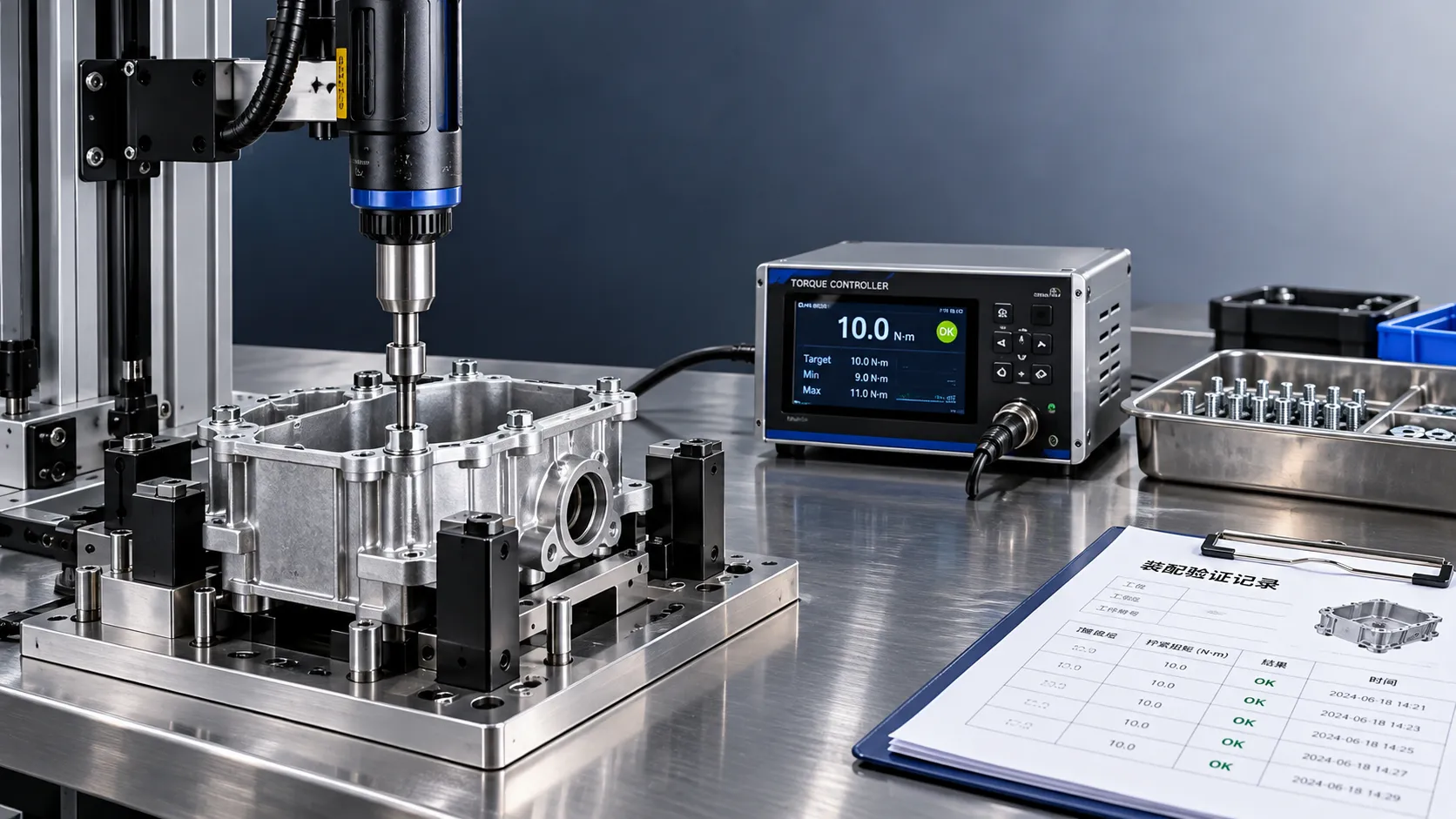
Torque System Suppliers: How to Assess References for Assembly Projects
Explore supplier and solution references torque systems buyers should verify. Assess assembly fit, traceability, and support to reduce risk and choose with confidence.

Equipment Application Guidance for the Middle East: Managing Heat and Dust
Explore application guidance Middle East teams can use to manage heat and dust, protect welding equipment, batteries and precision tools, and reduce downtime. Get practical tips.
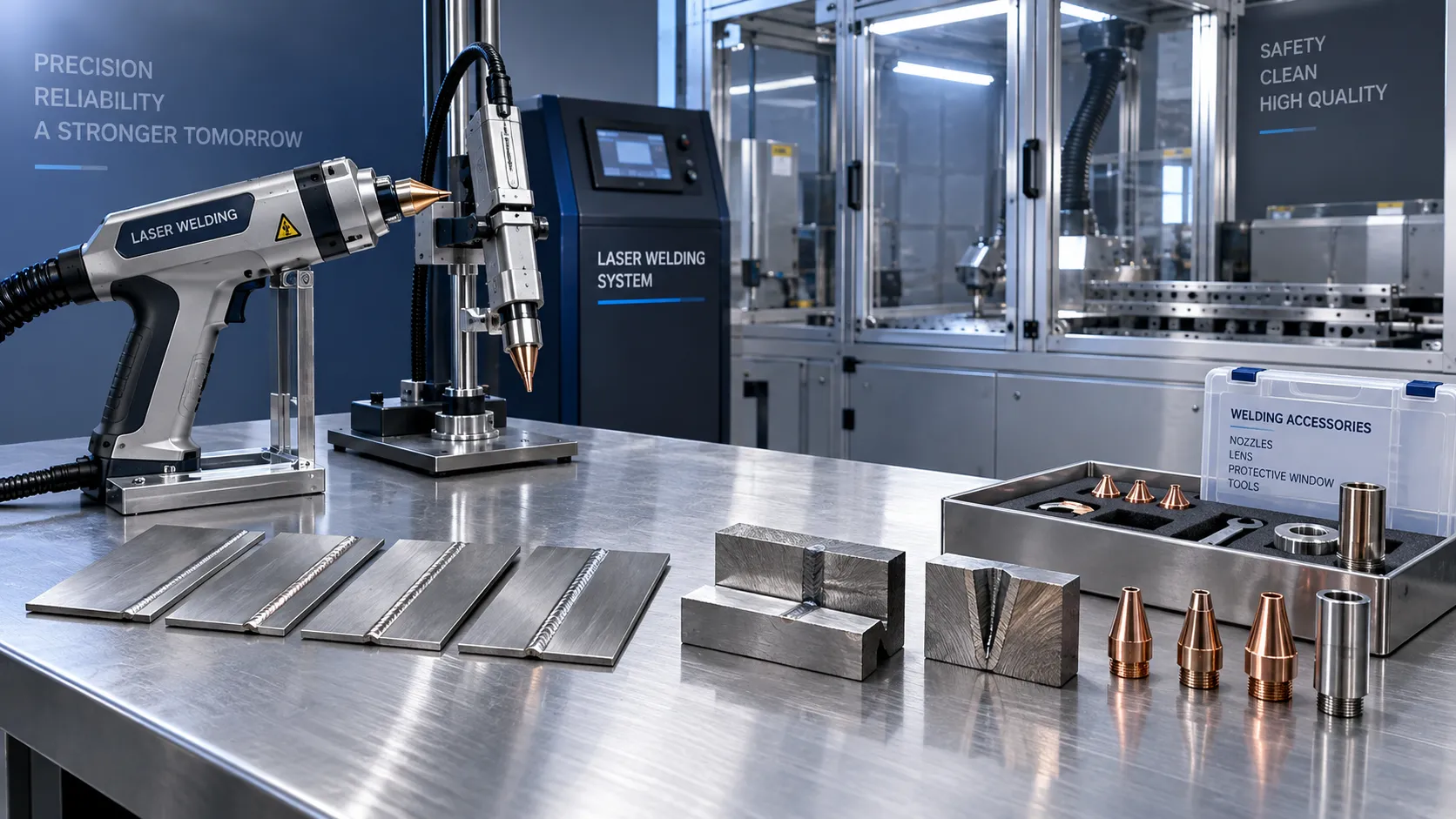
Choosing a Handheld Laser Welding Supplier: Weld Trials, Training, and Service
Choose a handheld laser welding supplier with proven weld trials, safety training, and reliable service. Learn what to verify before buying to reduce downtime and protect your investment.

Choosing an Industrial IoT Platform: Key Criteria for Legacy Equipment
Choose an industrial IoT platform for legacy equipment with confidence. Discover key checks for connectivity, data integrity, security, and lifecycle costs before investing.

In-House vs. Outsourced Aircraft Maintenance: Comparing Total Costs
Compare aerospace maintenance cost for in-house vs. outsourced aircraft upkeep. Discover hidden expenses, downtime impacts, and break-even factors to find the best fit for your fleet.
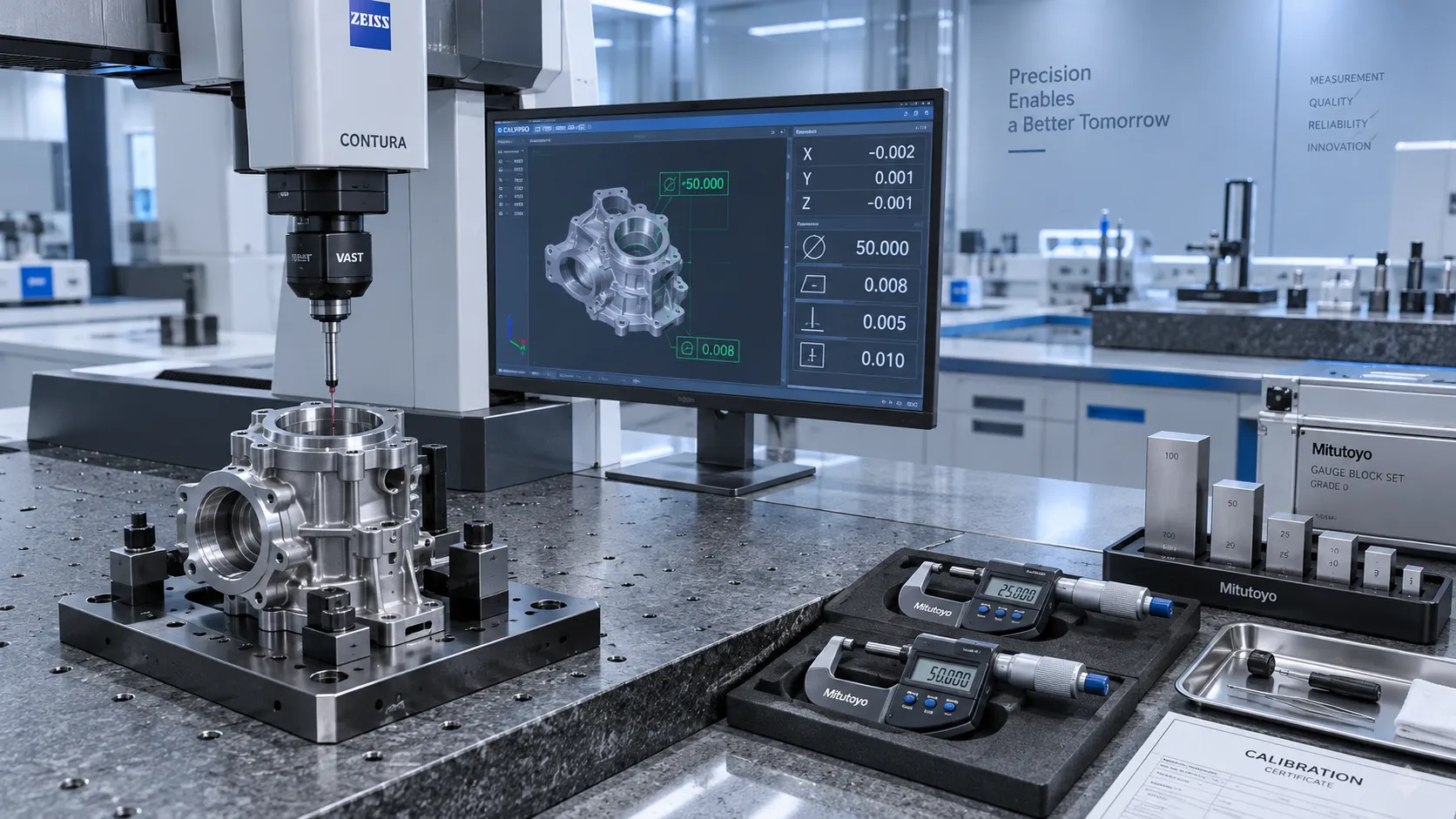
How to Select High-Precision Measuring Instruments for Tight-Tolerance Production?
High-precision measuring instruments are essential for tight-tolerance production. Learn how to evaluate accuracy, repeatability, environment, calibration, and data integration.

How Industrial Innovation Supplier Networks Reduce Sourcing Risk for Manufacturers
industrial innovation supplier network insights help manufacturers reduce sourcing risk, control lifecycle costs, and choose reliable tools, services, and suppliers with confidence.
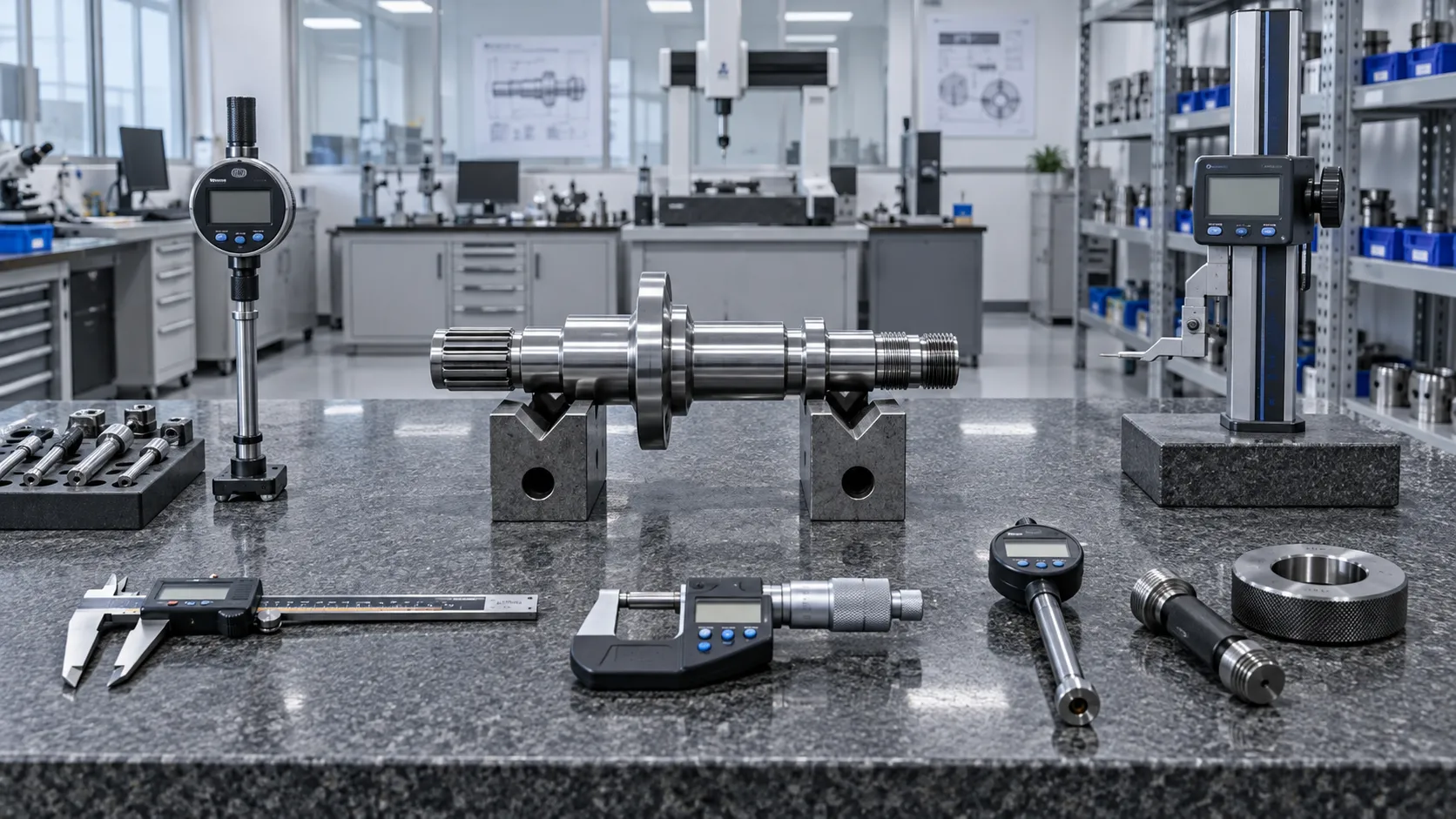
Which Precision Measuring Tools Are Best for Incoming Inspection?
Which precision measuring tools are best for incoming inspection? Explore calipers, micrometers, gauges, CMMs, and smarter strategies to prevent costly defects.
Are Lower-Cost Metalworking Tools More Likely to Fail Early?
Are cheaper metalworking tools more likely to fail early? Explore duty cycle, build quality, and total ownership costs to make smarter buying decisions.
Related News
- 00
0000-00
How to Select Battery Assembly Tools for Torque Control and High-Volume Production - 00
0000-00
How Battery, Torque, and Duty Cycle Affect Cordless Power Tool Efficiency - 00
0000-00
How to Size High-Torque Tool Motors for Continuous-Duty Assembly Lines - 00
0000-00
How to Choose 24V Brushless Tool Motors for Torque, Runtime, and Duty Cycle? - 00
0000-00
Automotive Repair Tools List: What Every Workshop Needs for Daily Service Jobs
Electro-Mech Tool Designer
Weekly Insights
Stay ahead with our curated technology reports delivered every Monday.