
How to Choose Industrial Tools for Assembly, Cutting, and Repair Work





Choosing the right industrial tools for assembly, cutting, and repair work affects output, safety, downtime, and long-term buying cost. The real decision is rarely about one spec sheet.
A smart evaluation looks at task fit, operator comfort, spare parts access, compliance, and how the tool performs after months of daily use. That is where many buying decisions become either efficient or expensive.
Drawing on market observations aligned with GPTWM, this article breaks down how to compare industrial tools in a practical way, especially where assembly precision, cutting consistency, and repair flexibility matter most.
Start with the job, not the catalog
Before comparing brands, define the actual working conditions. Many tool mismatches happen because the buying process begins with features instead of process demands.
For assembly, focus on torque accuracy, cycle frequency, and operator fatigue. For cutting, check material thickness, heat effect, edge quality, and duty cycle. For repair, portability and fast setup often matter more than peak power.
What to confirm first
- Match industrial tools to the real task sequence, not the broad department label. A fastening station, field repair cart, and cutting bench need very different performance priorities.
- Check daily runtime, material type, and accuracy tolerance early. These three factors quickly filter out tools that look competitive but fail under actual workload pressure.
- Review power source limits before shortlisting. Corded, cordless, pneumatic, and hydraulic industrial tools each affect mobility, maintenance rhythm, and infrastructure cost differently.
- Ask how often operators switch applications. If one tool must cover multiple repair tasks, flexibility may deliver more value than a narrowly optimized specification.
Evaluate performance in the context of assembly, cutting, and repair
The same performance number can mean very different things depending on the work. A higher rating is not automatically a better buying decision.
For assembly work
Assembly operations depend on repeatability. Torque drift, vibration, and grip design can influence output quality more than headline motor power.
In higher-volume environments, intelligent torque control is becoming more relevant. GPTWM market tracking also shows growing interest in connected systems that reduce rework and improve traceability.
- Prioritize repeatable torque and low vibration for assembly. Small fastening errors create hidden quality costs, especially when rework disrupts line balance or inspection timing.
- Check handle balance and trigger effort during trials. Ergonomic gains may look minor on paper, but they strongly affect shift-long consistency and operator acceptance.
For cutting work
Cutting decisions should consider edge finish, spark generation, thermal distortion, and consumable life. Speed matters, but poor finish often adds labor later.
If metal fabrication is involved, compare not only throughput but also post-cut cleanup. A faster cut that requires grinding or dressing may not be the more efficient option.
- Compare cutting speed with edge quality and consumable wear. The best industrial tools reduce secondary finishing, not just the time spent on the first pass.
- Look at heat impact on nearby components. In repair or mixed-material work, excessive heat can damage seals, coatings, or alignment-sensitive assemblies.
For repair work
Repair settings are less predictable. Access constraints, limited power supply, and time pressure make portability and reliability especially important.
This is where all-in cost becomes clearer. A slightly more expensive tool that starts quickly, reaches tight spaces, and rarely fails often saves more over time.
- For repair tasks, value setup speed, compact size, and easy access. Portable industrial tools often outperform heavier models when downtime reduction is the main target.
- Confirm spare battery, hose, or accessory compatibility before purchase. Missing field accessories create delays that erase the benefit of a lower unit price.
Look beyond purchase price
Initial price is only one part of the decision. The better question is how much the tool will cost across its working life.
This includes consumables, calibration, service intervals, training time, and unplanned stoppage. In many cases, low-cost industrial tools become high-cost assets after six months.
- Estimate total cost over one to three years. Include maintenance, consumables, calibration, and stoppage exposure, especially when comparing premium and entry-level industrial tools.
- Ask suppliers for service response time, not only warranty length. A long warranty means little if repair turnaround regularly disrupts production or field repair schedules.
Do not ignore compliance, safety, and training
Safety and compliance should be built into the comparison stage, not handled after purchase. This is especially important in cross-border sourcing.
GPTWM’s intelligence focus on export standards and tool evolution highlights a recurring issue: a tool can be technically capable but commercially risky if certification, labeling, or training support is incomplete.
- Verify certification, guarding, and safety documentation before approval. Good industrial tools should arrive ready for compliant use, not dependent on last-minute interpretation.
- Check training needs for newer technologies like connected torque systems or handheld laser-related processes. Poor onboarding can turn advanced features into underused cost.
- Review noise, dust, spark, and thermal exposure together. Safety performance should match the workspace, especially in mixed-use facilities handling assembly and cutting side by side.
Use supplier intelligence as part of the decision
A good tool with weak supply backing is still a risky choice. Supplier intelligence helps validate whether performance claims will hold up in the real market.
This is where a platform perspective becomes useful. GPTWM tracks shifts in raw material prices, export restrictions, and technology adoption, helping buyers read beyond product brochures.
- Compare supplier stability, parts availability, and regional support depth. Reliable industrial tools need a reliable support chain behind them, especially in global sourcing programs.
- Use sector intelligence to time purchases where possible. Raw material swings and standards changes can affect pricing, delivery, and replacement planning more than expected.
A practical shortlisting approach
A clear shortlist usually beats a long comparison sheet. Keep the process focused on what changes performance, risk, and ownership cost.
Start with three or four options. Run the same evaluation logic across assembly, cutting, or repair scenarios. Then remove any tool that fails a critical requirement, even if the price looks attractive.
Questions worth asking before final approval
- Can the tool maintain output quality after repeated daily cycles, or does performance drop as heat, vibration, or wear increases during regular operation?
- Will the current team use the tool correctly with minimal retraining, or will hidden learning time slow deployment and delay productivity gains?
- Are replacement parts and service channels already clear, priced, and regionally available, or is future support still based on assumptions?
- Does this option fit future process upgrades, such as smart traceability, ergonomic improvement, or higher precision requirements now emerging across industrial tools markets?
The best choice is usually the one that fits the work, stays compliant, and keeps operating cost predictable. In other words, the right industrial tools should perform well today and still make sense a year from now.
Use trial feedback, lifecycle cost, and supplier intelligence together. That combination leads to better decisions than price comparison alone, especially when assembly quality, cutting efficiency, and repair speed are all on the line.
If the next step is shortlisting options, begin with one real application, one measurable output target, and one clear service expectation. That simple starting point usually makes the rest of the selection process much easier.
Related News
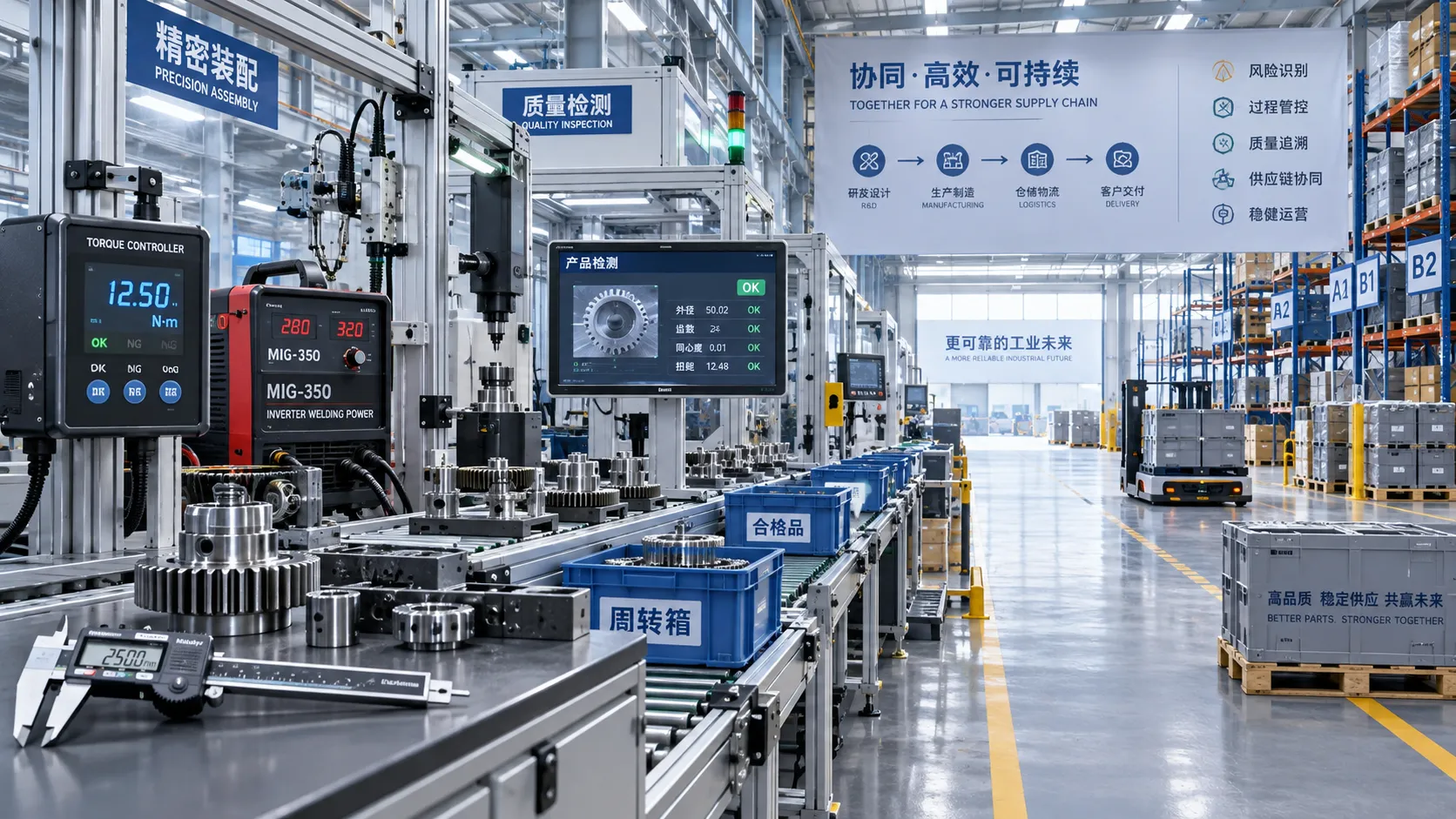
How Procurement Teams Can Map the Industrial Value Chain to Reduce Supply Risk
Industrial value chain procurement helps teams map hidden dependencies, qualify resilient sources, and reduce supply risk before disruptions stop production.

How Specification-Driven Articles Improve Precision Measurement System Selection
Specification-oriented articles precision measurement guidance helps teams compare accuracy, repeatability, environment, and data needs to select reliable systems with confidence.

How to Evaluate a Technology Integration Service Provider for Complex Projects
Technology integration service provider selection guide: evaluate interface ownership, delivery discipline, scalable architecture, and risk control for complex projects.
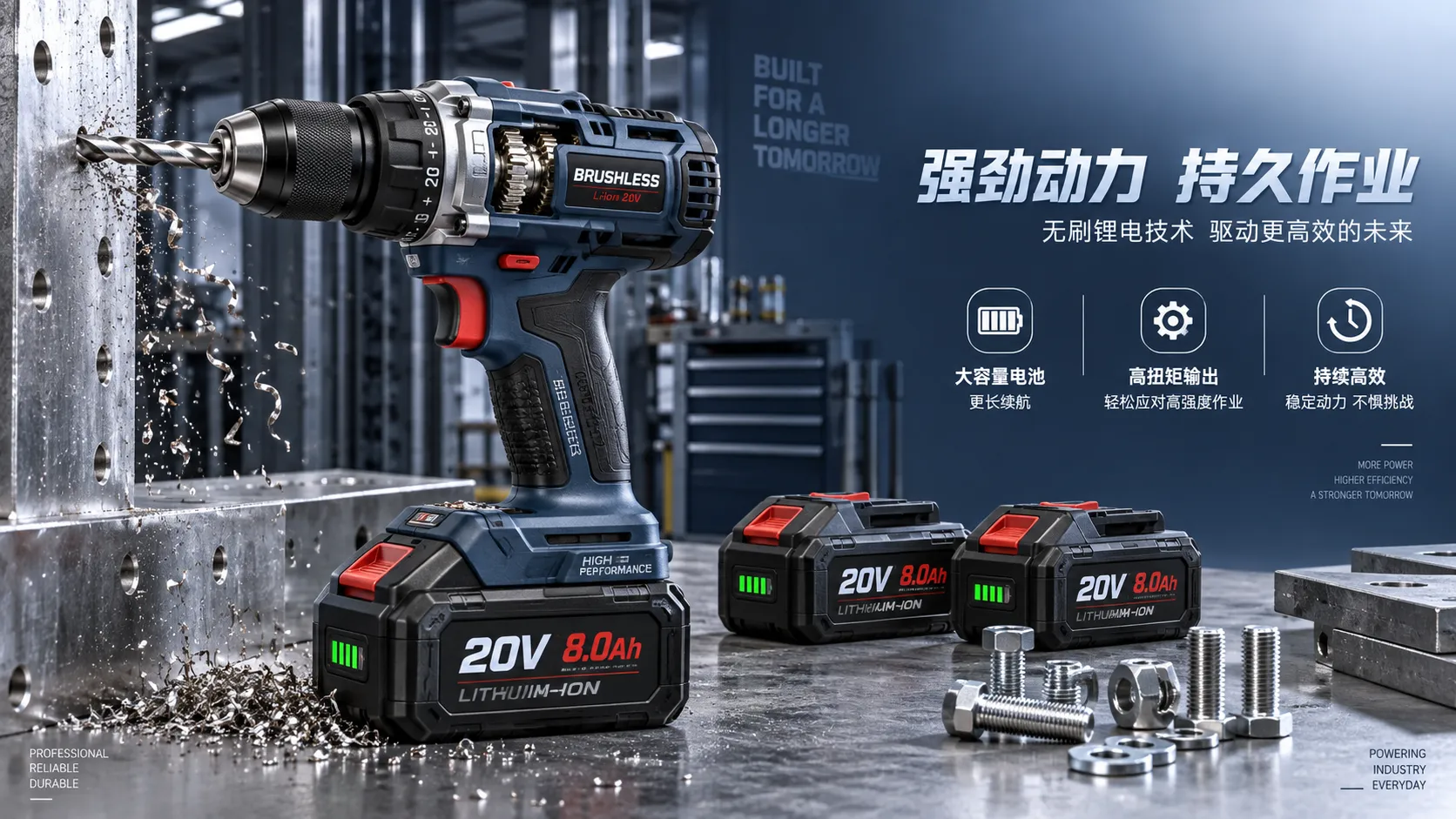
How Battery, Torque, and Duty Cycle Affect Cordless Power Tool Efficiency
Cordless power tool efficiency depends on battery output, torque, and duty cycle. Learn how to match tools to demanding jobs for stronger runtime and productivity.

Product Comparison Resources for Component Compatibility and Lifecycle Risk
Product comparison resources for components: evaluate compatibility, interfaces, service support, and lifecycle risk to reduce downtime, avoid redesigns, and make confident sourcing decisions.
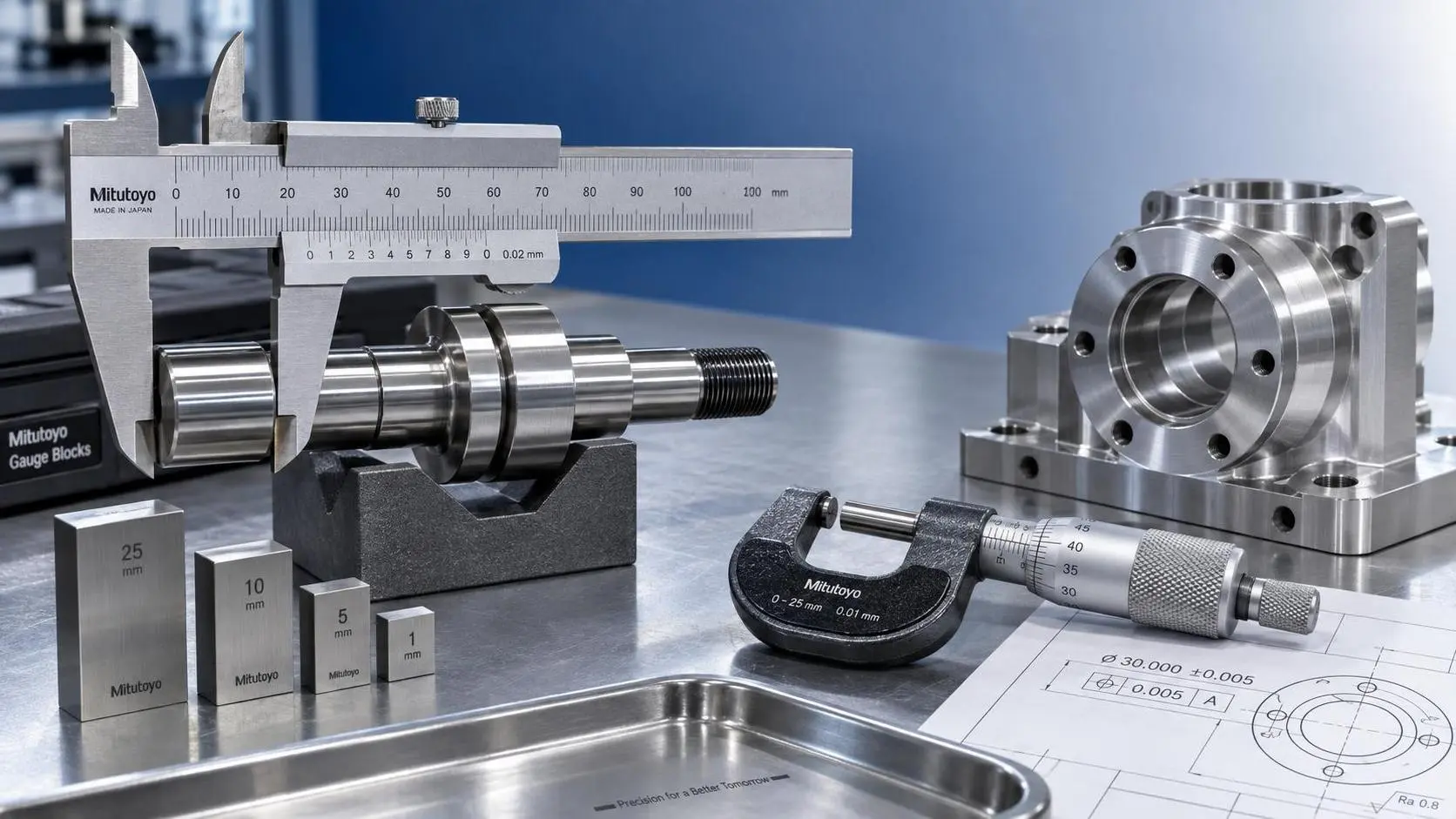
How to Select Vernier Precision Calipers for Tight-Tolerance Machining Inspection
Vernier precision calipers for tight-tolerance machining: learn how to select the right range, jaw design, accuracy, and verification process for reliable inspection.
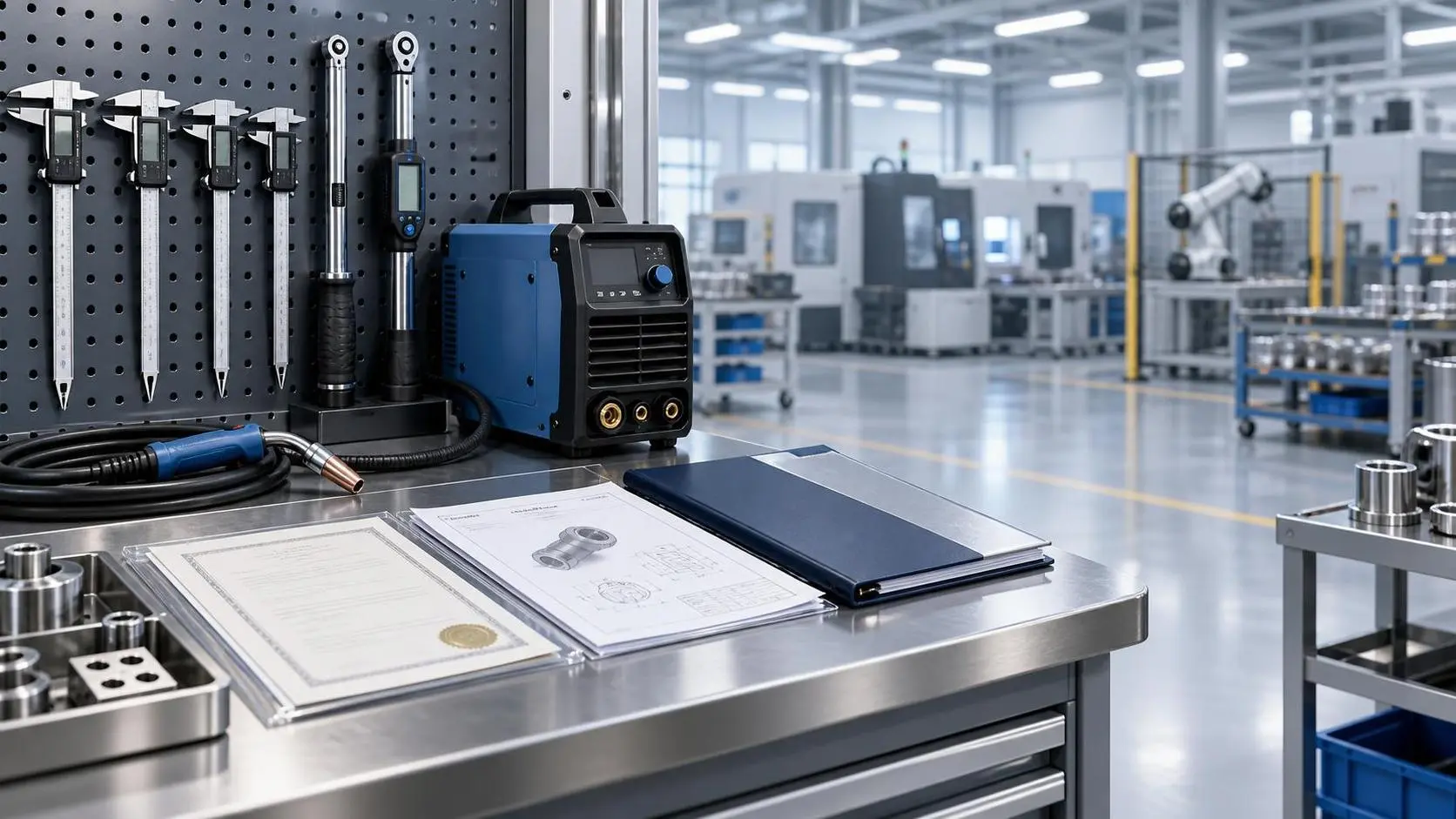
Product Comparison Resources in Europe: How Buyers Can Verify Specs and Suppliers
Product comparison resources Europe: learn how to verify industrial specs, compliance claims, supplier credibility, and delivery risk for smarter purchasing decisions.

How to Evaluate an Industrial Metrology Solution Manufacturer for Production Use
Industrial metrology solution manufacturer evaluation guide for production: compare accuracy, traceability, automation, software, service, and acceptance testing to reduce risk.

Which ISO Standards Matter Most for Precision Engineering Quality Control?
Precision engineering ISO standards explained: discover how ISO 9001, ISO/IEC 17025, ISO 10012, GPS, and ISO 3834 strengthen quality control, traceability, and compliance.
Related News
- 00
0000-00
How Battery, Torque, and Duty Cycle Affect Cordless Power Tool Efficiency - 00
0000-00
How to Size High-Torque Tool Motors for Continuous-Duty Assembly Lines - 00
0000-00
How to Choose 24V Brushless Tool Motors for Torque, Runtime, and Duty Cycle? - 00
0000-00
Automotive Repair Tools List: What Every Workshop Needs for Daily Service Jobs - 00
0000-00
36V Brushless Tool Motors Selection Guide: Torque, Efficiency, Thermal Limits, and Duty Cycle
Electro-Mech Tool Designer
Weekly Insights
Stay ahead with our curated technology reports delivered every Monday.