
How to Improve Power Tool Efficiency Without Losing Torque or Runtime





How to Improve Power Tool Efficiency Without Losing Torque or Runtime
Improving power tool efficiency is not simply about making a tool run faster.
It means getting more useful work from every watt, battery cycle, and operator movement without sacrificing torque or runtime.
Across assembly, construction, maintenance, and metalworking, this balance now defines practical productivity.
The right mix of motor technology, battery management, torque control, and technique can reduce fatigue and extend tool life.
It also protects output quality, especially where fastening accuracy, cut consistency, or weld preparation affects final performance.
Efficiency Is Becoming a Measured Industrial Performance Standard
Power tool efficiency is moving from a marketing claim to a measurable production requirement.
Battery platforms, brushless motors, embedded sensors, and connected torque systems are changing how tools are evaluated.
The old question was whether a tool had enough power for the task.
The new question is how consistently that power becomes controlled, useful output.
This shift matters because runtime alone no longer tells the full story.
A tool may run longer yet waste energy through heat, vibration, poor bit engagement, or unstable speed control.
True power tool efficiency combines torque retention, thermal stability, battery health, operator control, and repeatable work results.
Trend Signals: Tools Are Shifting From Output Power to Useful Work
Several signals show why power tool efficiency is now central to industrial decision-making.
- Brushless motors are becoming standard across cordless drills, grinders, impact drivers, and cutting tools.
- Battery packs now include smarter cell balancing, temperature monitoring, and discharge protection.
- Torque control is moving from mechanical clutches toward electronic feedback and programmable profiles.
- Connected tools are recording fastening events, load peaks, runtime, and service alerts.
- Ergonomic design is being linked with energy savings and lower rework rates.
These signals point to a broader trend.
The market is rewarding tools that preserve torque under load while reducing wasted energy.
That is the practical definition of power tool efficiency in demanding environments.
What Actually Drives Better Power Tool Efficiency
Efficiency gains rarely come from one component alone.
They come from a system where the motor, battery, electronics, accessory, and operator work together.
This system view prevents a common mistake.
A high-torque tool can still deliver poor power tool efficiency if accessories or settings waste its output.
Use Brushless Motors, but Evaluate the Whole Drive System
Brushless motors are a major step forward for power tool efficiency.
They eliminate brushes, reduce mechanical wear, and allow electronic control of speed and torque.
However, not every brushless tool performs equally under demanding loads.
The controller, winding design, cooling path, gearbox, and firmware all affect real output.
Look beyond peak torque figures and examine sustained torque behavior.
A tool that holds speed under pressure often delivers better productivity than one with impressive short bursts.
For drilling, grinding, and fastening, sustained control is essential for power tool efficiency.
Protect Runtime by Managing Battery Load, Heat, and Charge Cycles
Battery management is one of the most overlooked factors in power tool efficiency.
A battery is not only an energy tank; it is part of the power delivery system.
High current draw creates heat, and heat reduces both runtime and long-term cell life.
Use battery packs with the correct amp-hour rating and discharge capability for the tool class.
Underpowered packs may fit physically but can cause voltage sag and reduced torque.
- Avoid running packs until repeated deep shutdowns occur.
- Let hot batteries cool before fast charging.
- Rotate packs to balance cycle wear.
- Keep terminals clean to reduce resistance.
- Store batteries in moderate temperatures whenever possible.
These habits improve power tool efficiency without changing the tool itself.
Preserve Torque Through Smarter Settings, Not Constant Maximum Power
Maximum speed is not always efficient.
Many operations need controlled torque, stable speed, and predictable engagement more than raw RPM.
Using the correct mode improves power tool efficiency because the tool stops fighting the workpiece.
For fastening, electronic clutch settings prevent overdriving and reduce rework.
For drilling, lower gear settings often preserve torque and reduce bit overheating.
For grinding or cutting, steady pressure prevents motor overload and unnecessary battery drain.
The best setting is the one that completes the task cleanly with the least thermal stress.
Accessory Quality Now Has a Direct Impact on Tool Efficiency
Bits, blades, discs, sockets, and abrasives strongly affect power tool efficiency.
A dull drill bit converts battery energy into heat instead of cutting progress.
A poor socket fit wastes impact energy and damages fasteners.
A low-quality abrasive disc forces the operator to apply extra pressure.
That pressure increases motor load, vibration, and fatigue.
Choose accessories based on material, diameter, coating, geometry, and duty cycle.
The cheapest accessory can become expensive if it reduces runtime or damages precision surfaces.
In many industrial tasks, accessory optimization is the fastest path to better power tool efficiency.
Ergonomics and Operator Technique Are Efficiency Multipliers
Human movement also influences power tool efficiency.
Poor grip angle, unstable posture, or excessive force can waste energy and reduce accuracy.
A balanced tool lets the operator maintain alignment with less fatigue.
Lower fatigue supports steadier pressure, fewer mistakes, and more consistent torque application.
Technique matters most in repetitive fastening, overhead work, surface preparation, and maintenance tasks.
- Keep the tool aligned with the fastener or cutting path.
- Let the accessory cut instead of forcing the motor.
- Use both hands when torque reaction could disturb control.
- Reduce unnecessary trigger pulsing during continuous tasks.
These practices support power tool efficiency while improving safety and workmanship.
Connected Torque Control Is Redefining Consistency
IoT-based torque control is turning efficiency into traceable data.
Connected tools can record fastening curves, cycle counts, error events, and battery condition.
This data helps identify inefficient settings, worn accessories, and process variations.
For precision assembly, the value is not only speed.
It is the ability to confirm that torque was applied correctly with minimal waste.
This is where power tool efficiency meets quality assurance.
The trend will likely accelerate as digital factories demand measurable tool performance.
Impact Across Assembly, Construction, Maintenance, and Metalworking
Better power tool efficiency changes several operational outcomes.
In assembly, it reduces torque variation and supports repeatable fastening quality.
In construction, it extends cordless runtime and lowers delays caused by battery swaps.
In maintenance, it improves readiness because tools stay cooler and batteries last longer.
In metalworking, it supports cleaner cuts, steadier grinding, and better surface preparation.
The shared benefit is not simply faster work.
It is more controlled output with lower energy loss and fewer quality disruptions.
Key Priorities for Improving Power Tool Efficiency
Improvement should begin with the tasks that consume the most time, energy, or rework.
- Match tool class to task load instead of relying only on peak specifications.
- Select battery packs that support required current without excessive heat.
- Use brushless tools where runtime, duty cycle, and control matter.
- Standardize accessories for material, speed, and quality expectations.
- Train operators on pressure, alignment, speed selection, and torque settings.
- Track failures, overheating events, and abnormal battery consumption.
These priorities create measurable power tool efficiency gains without reducing torque or runtime.
A Practical Response Framework for the Next Tool Cycle
This framework avoids unnecessary equipment changes.
It also helps separate real efficiency gains from temporary speed improvements.
Final Outlook: Efficiency Will Depend on Intelligence, Not Just Power
The future of power tool efficiency will be shaped by intelligent control and better measurement.
Motors will keep improving, but software, sensors, and battery chemistry will decide much of the gain.
The strongest results will come from tools that adapt to load while protecting torque and runtime.
For practical improvement, start with one high-frequency task.
Measure runtime, heat, torque stability, accessory condition, and operator technique.
Then adjust settings, battery strategy, and accessories before scaling changes across other workflows.
This disciplined approach improves power tool efficiency while preserving the force and endurance demanding work requires.
GPTWM will continue tracking tool intelligence, metrology integration, and industrial efficiency trends worldwide.
Use those insights to connect precision tools with smarter, more reliable industrial performance.
Related News
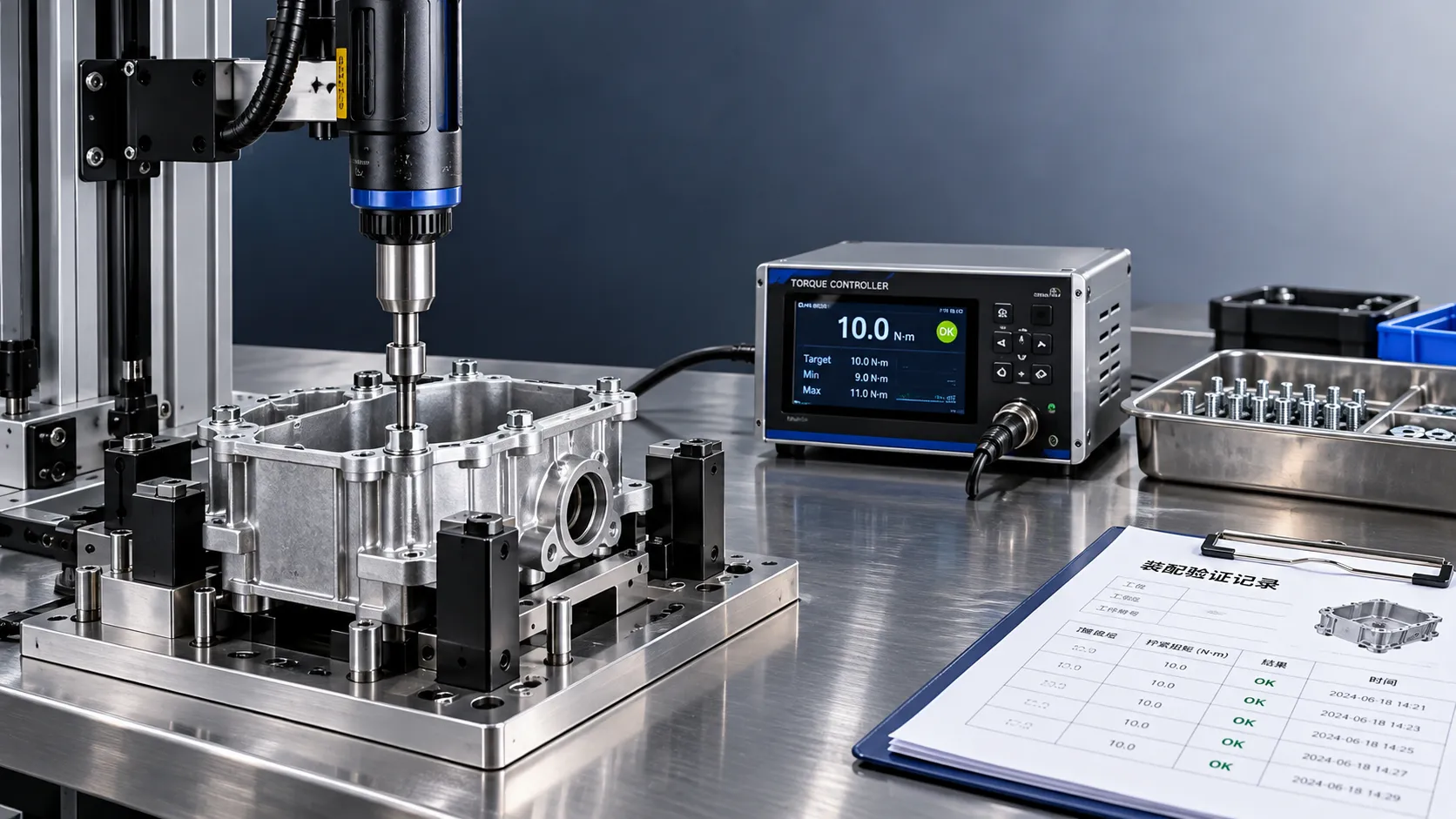
Torque System Suppliers: How to Assess References for Assembly Projects
Explore supplier and solution references torque systems buyers should verify. Assess assembly fit, traceability, and support to reduce risk and choose with confidence.
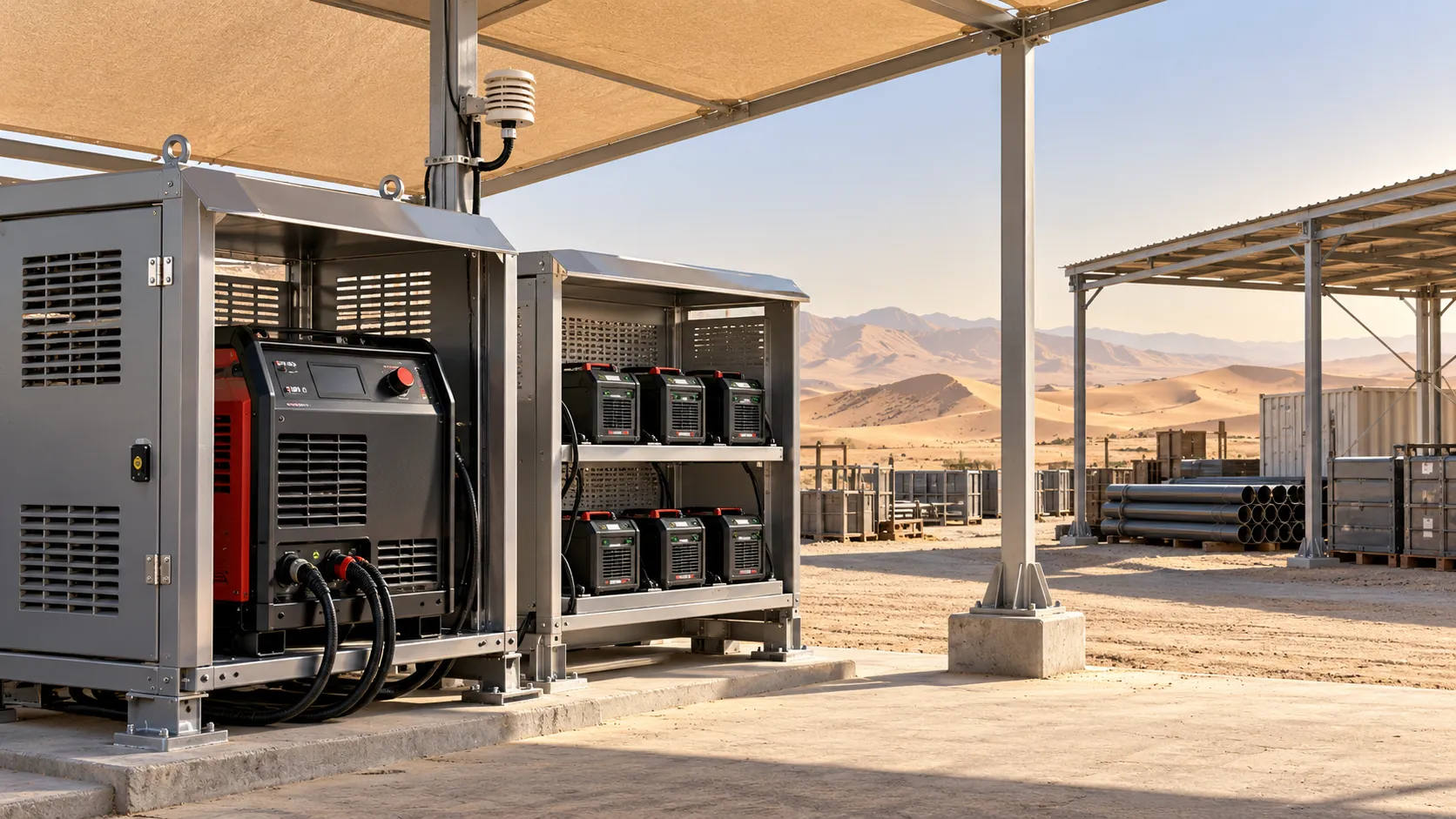
Equipment Application Guidance for the Middle East: Managing Heat and Dust
Explore application guidance Middle East teams can use to manage heat and dust, protect welding equipment, batteries and precision tools, and reduce downtime. Get practical tips.
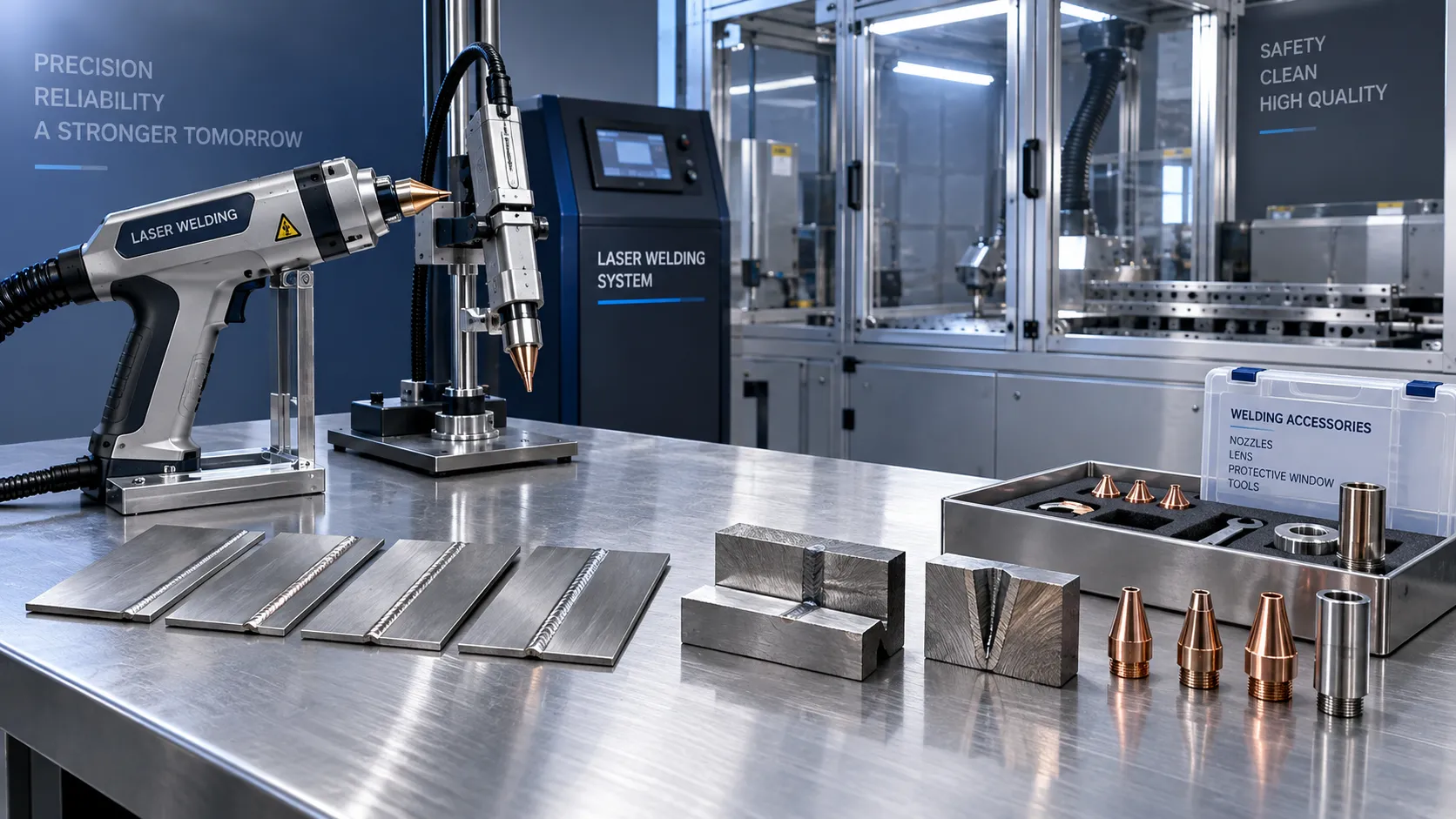
Choosing a Handheld Laser Welding Supplier: Weld Trials, Training, and Service
Choose a handheld laser welding supplier with proven weld trials, safety training, and reliable service. Learn what to verify before buying to reduce downtime and protect your investment.
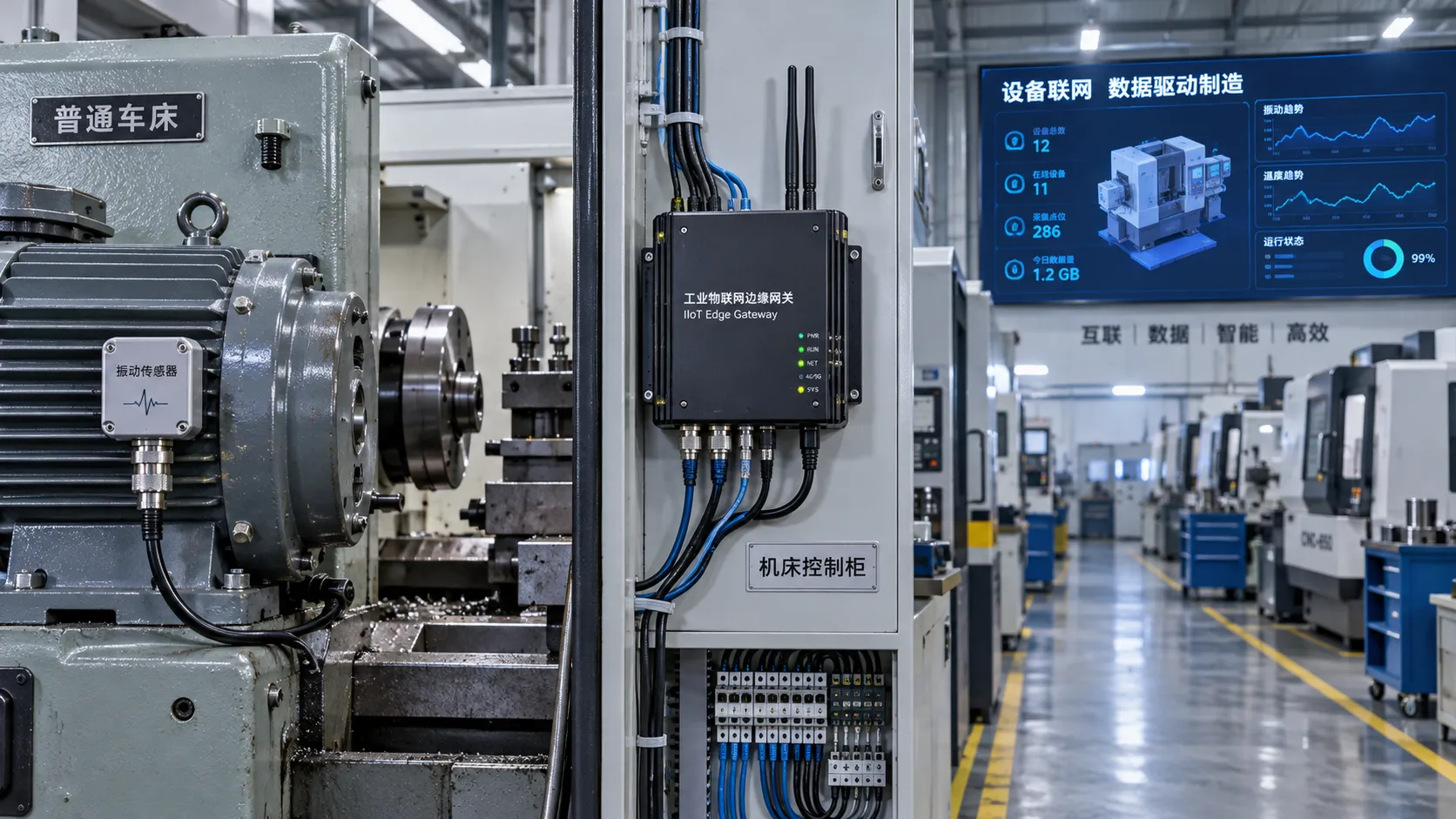
Choosing an Industrial IoT Platform: Key Criteria for Legacy Equipment
Choose an industrial IoT platform for legacy equipment with confidence. Discover key checks for connectivity, data integrity, security, and lifecycle costs before investing.

In-House vs. Outsourced Aircraft Maintenance: Comparing Total Costs
Compare aerospace maintenance cost for in-house vs. outsourced aircraft upkeep. Discover hidden expenses, downtime impacts, and break-even factors to find the best fit for your fleet.
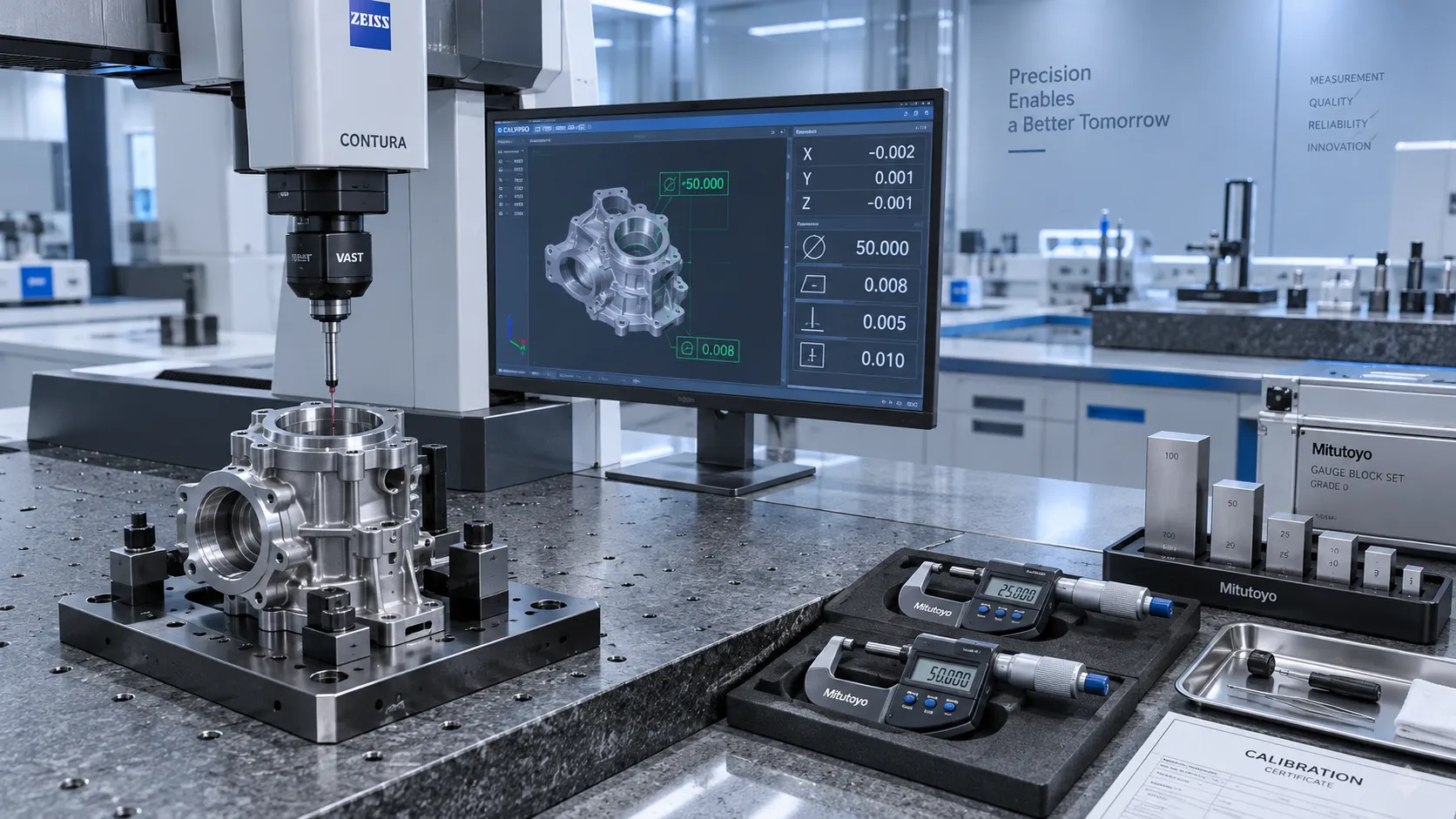
How to Select High-Precision Measuring Instruments for Tight-Tolerance Production?
High-precision measuring instruments are essential for tight-tolerance production. Learn how to evaluate accuracy, repeatability, environment, calibration, and data integration.
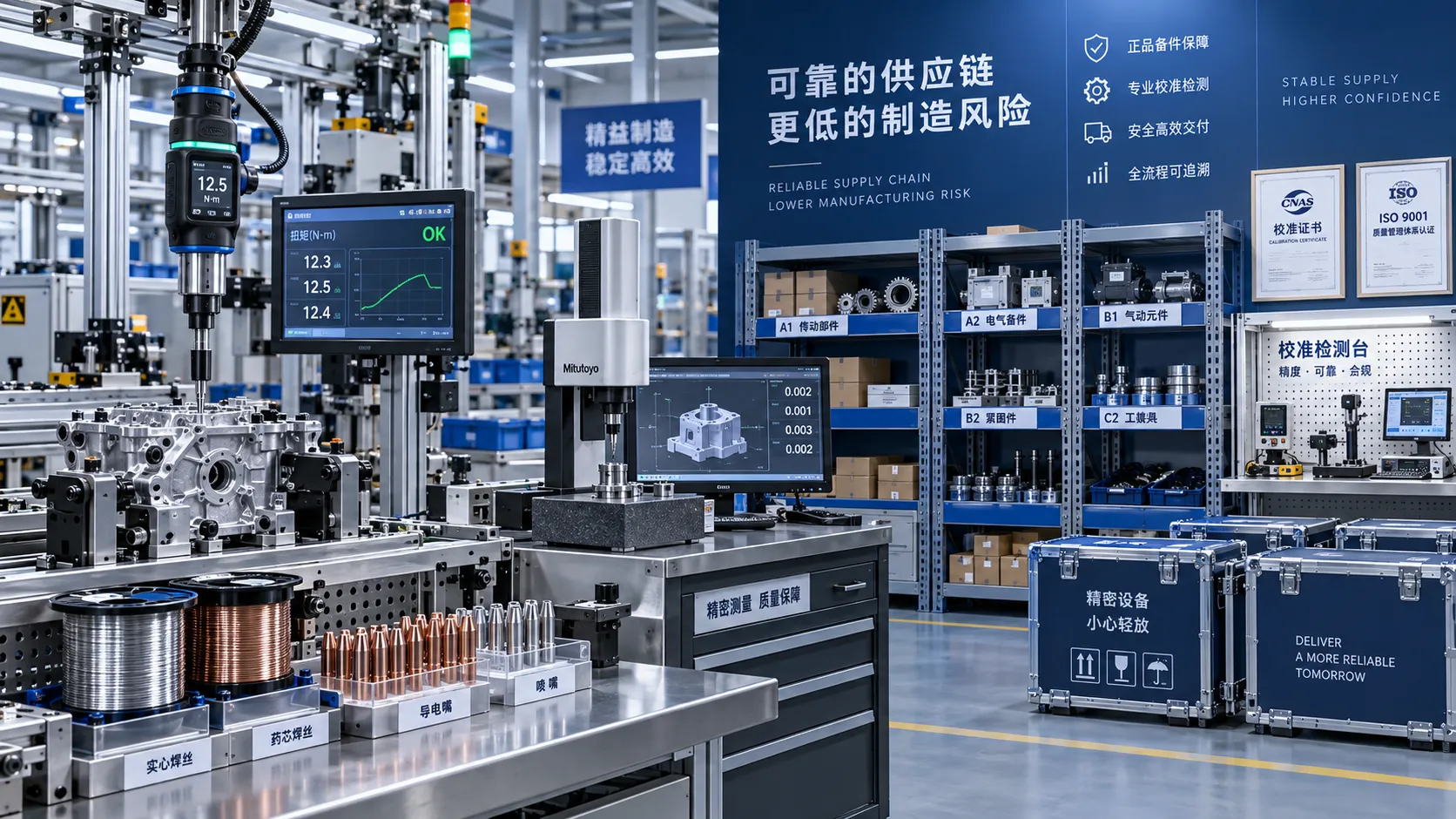
How Industrial Innovation Supplier Networks Reduce Sourcing Risk for Manufacturers
industrial innovation supplier network insights help manufacturers reduce sourcing risk, control lifecycle costs, and choose reliable tools, services, and suppliers with confidence.
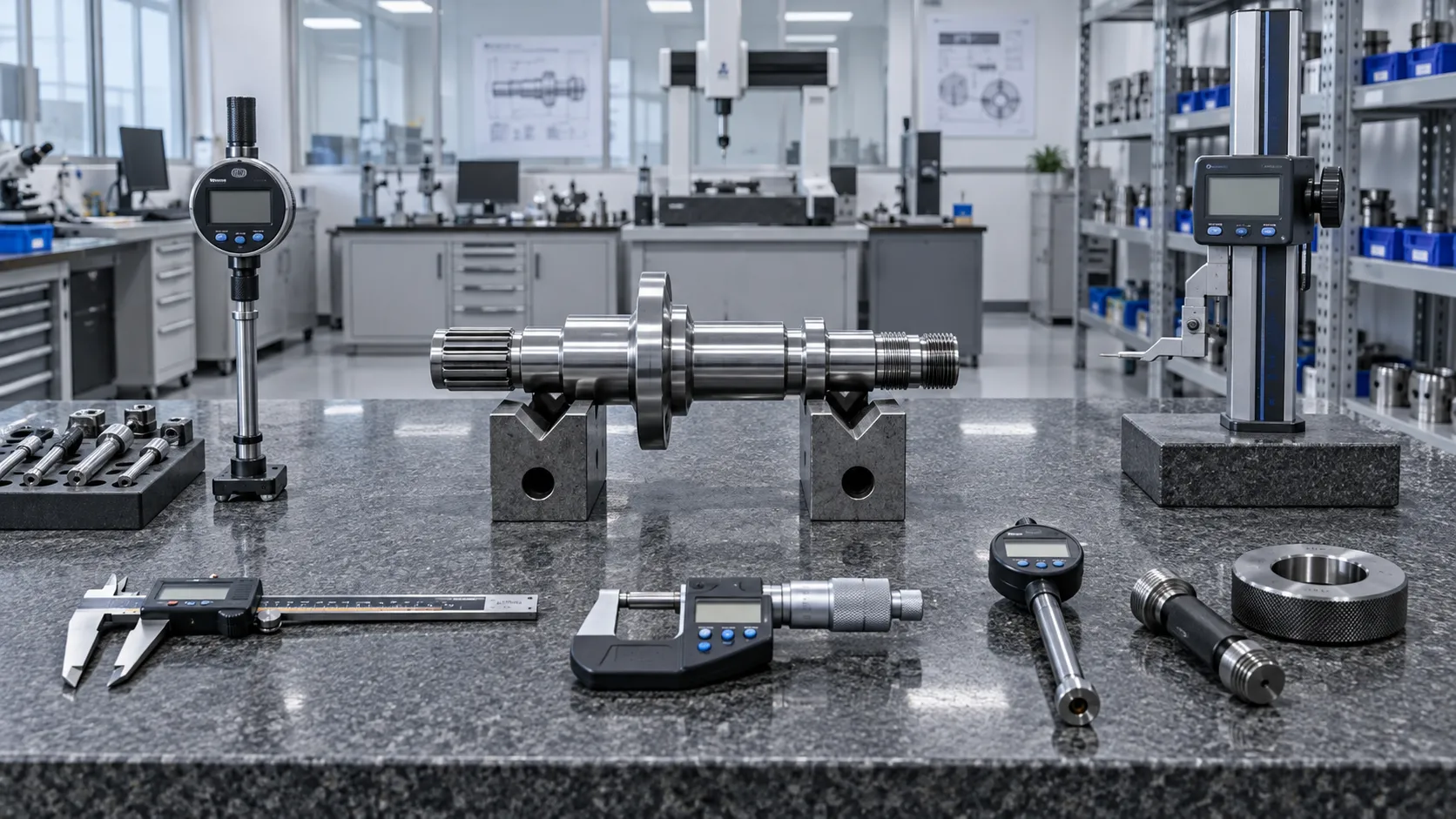
Which Precision Measuring Tools Are Best for Incoming Inspection?
Which precision measuring tools are best for incoming inspection? Explore calipers, micrometers, gauges, CMMs, and smarter strategies to prevent costly defects.
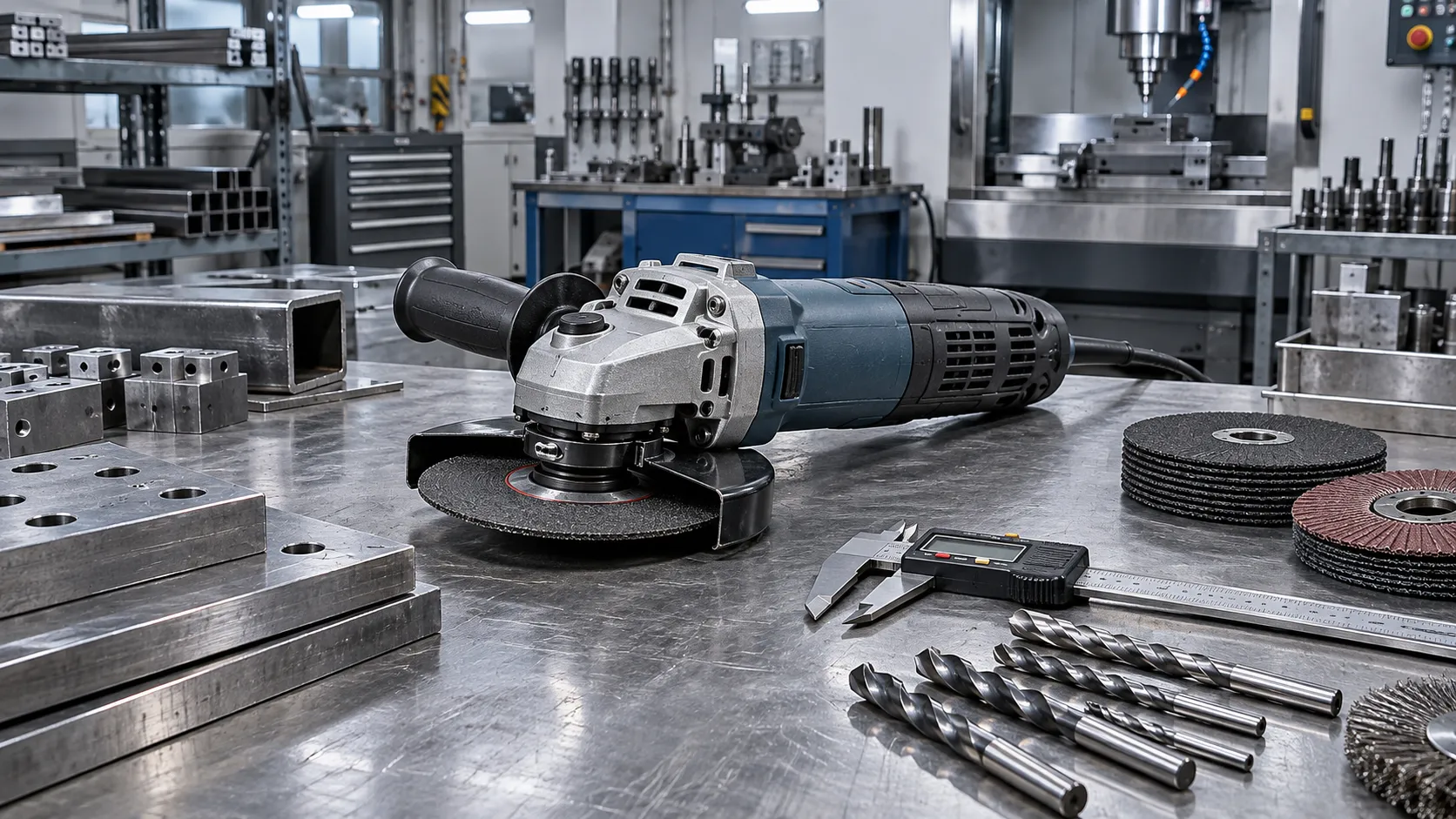
Are Lower-Cost Metalworking Tools More Likely to Fail Early?
Are cheaper metalworking tools more likely to fail early? Explore duty cycle, build quality, and total ownership costs to make smarter buying decisions.
Related News
- 00
0000-00
How to Select Battery Assembly Tools for Torque Control and High-Volume Production - 00
0000-00
How Battery, Torque, and Duty Cycle Affect Cordless Power Tool Efficiency - 00
0000-00
How to Size High-Torque Tool Motors for Continuous-Duty Assembly Lines - 00
0000-00
How to Choose 24V Brushless Tool Motors for Torque, Runtime, and Duty Cycle? - 00
0000-00
Automotive Repair Tools List: What Every Workshop Needs for Daily Service Jobs
Electro-Mech Tool Designer
Weekly Insights
Stay ahead with our curated technology reports delivered every Monday.