
Tool Intellectualization for Factory Upgrades: Functions, Integration Costs, and Payback Factors





Tool Intellectualization for Factory Upgrades: Functions, Integration Costs, and Payback Factors
For factory upgrades, tool intellectualization has moved from a pilot topic to a purchasing priority.
It now affects output stability, labor efficiency, quality traceability, and cost visibility at the same time.
That is why many modernization plans begin with smart fastening, welding, measuring, and material handling tools.
The challenge is not whether tool intellectualization matters.
The real question is which functions create value, what integration really costs, and how fast payback appears.
In practical sourcing work, clear evaluation criteria reduce overbuying, avoid weak system fit, and improve implementation confidence.
This guide breaks down core functions, hidden costs, and realistic return drivers for better smart tool decisions.
What Tool Intellectualization Actually Means on the Factory Floor
Tool intellectualization means adding sensing, connectivity, control logic, and data feedback to industrial tools.
This can apply to torque tools, laser welding units, digital calipers, hydraulic devices, and assembly stations.
The goal is not digitalization for its own sake.
The goal is tighter process control, fewer defects, faster changeovers, and cleaner production data.
A basic connected tool may only record usage data.
A more advanced system can guide operators, enforce parameter limits, trigger alarms, and send quality records into MES or ERP.
This difference matters because the value of tool intellectualization depends on how deeply the tool supports operational decisions.
Core Functions That Usually Justify Smart Tool Investment
Not every smart function deserves a premium.
The strongest business case usually comes from functions tied directly to scrap, rework, downtime, and labor consistency.
1. Parameter Control and Error Proofing
This is often the most valuable feature in tool intellectualization.
Tools can lock torque, speed, heat input, or measurement tolerances within approved windows.
That prevents operator drift and reduces variation across shifts.
2. Traceability and Quality Records
Smart tools can capture who used the tool, when it was used, and what result was achieved.
In regulated or export-driven production, this traceability lowers audit risk and simplifies root-cause analysis.
3. Predictive Maintenance Signals
Some tool intellectualization platforms monitor cycles, vibration, battery health, or calibration drift.
That helps maintenance teams replace parts before failure interrupts production.
4. Guided Workflows and Training Support
Interactive prompts and process sequencing reduce dependency on highly experienced operators.
This is especially useful in high-mix production or during rapid labor onboarding.
5. Real-Time Performance Visibility
Dashboards can show cycle completion, pass rates, tool utilization, and alarm trends.
This turns tool intellectualization into a management asset, not only an engineering feature.
Where Integration Costs Usually Rise Faster Than Expected
Many sourcing teams focus on unit price first.
But tool intellectualization projects often succeed or fail because of integration cost, not hardware cost alone.
From recent market shifts, the bigger signal is clear.
Factories want connected tools, but they also want low disruption and faster deployment.
That means cost evaluation must go beyond the purchase order.
Common Cost Layers
- Tool hardware premiums for sensors, controllers, and communication modules.
- Software licenses for device management, analytics, and user access control.
- Gateway, network, or edge device costs for plant connectivity.
- MES, ERP, SCADA, or QMS integration work.
- Validation, cybersecurity checks, and protocol compatibility testing.
- Operator training, supervisor adoption, and maintenance support.
- Calibration workflows, spare parts planning, and service contracts.
In actual business terms, the integration bill can exceed the tool price when legacy systems are fragmented.
This is why early technical alignment with IT, production, and quality teams saves money later.
A Practical Cost Framework for Comparing Suppliers
A useful sourcing model separates visible cost from operating cost and transition cost.
With this structure, tool intellectualization becomes easier to compare on total ownership cost, not marketing claims.
How to Estimate Payback Without Overstating the Return
Payback should be tied to measurable plant economics.
The best estimates use current defect rates, downtime history, labor content, and throughput limits.
A realistic tool intellectualization case often includes five savings channels.
- Lower scrap and rework through tighter process control.
- Lower unplanned downtime from predictive maintenance alerts.
- Lower labor waste from faster setup and reduced manual recording.
- Lower warranty or compliance risk through traceable records.
- Higher output from more stable cycle completion.
At the same time, smart buyers should discount soft benefits that are hard to verify.
For example, “better digital culture” may matter, but it should not dominate the ROI model.
A stronger method is to build three scenarios.
Use conservative, expected, and accelerated assumptions for savings and rollout time.
That makes tool intellectualization easier to defend internally when budget reviews become tougher.
Best-Fit Use Cases for Faster Returns
Some operations gain value from tool intellectualization much faster than others.
- High-volume assembly lines with repeatable torque or fastening steps.
- Welding cells where process consistency directly affects downstream repair rates.
- Inspection stations that still rely on manual data entry.
- Multi-shift operations where skill variation creates unstable quality results.
- Export-oriented plants needing stronger traceability and documentation control.
On the other hand, low-volume custom work may need selective deployment instead of plant-wide replacement.
This also means the smartest tool intellectualization roadmap often starts with one constrained bottleneck, not everything at once.
Questions to Ask Before Final Supplier Selection
A polished demo is not enough.
Before choosing a tool intellectualization supplier, the evaluation process should test everyday operating reality.
- Can the tool connect with current MES, ERP, or quality systems without custom rebuilding?
- Which functions are standard, and which require paid upgrades?
- How is calibration managed across multiple tools and sites?
- What happens if network access fails during production?
- How are user permissions, data retention, and cybersecurity handled?
- What local service capacity exists for repairs, spare units, and training?
- Can the supplier share proven payback data from similar production environments?
These questions keep tool intellectualization grounded in operating fit, not presentation quality.
A Smarter Way to Move from Pilot to Scale
A phased rollout usually delivers better control.
Start with one use case where defects, downtime, or traceability pressure are already visible.
Then define baseline metrics before installation.
Track scrap, cycle time, operator deviations, maintenance events, and manual reporting effort.
After that, validate whether tool intellectualization improves those exact metrics within a fixed review period.
If results hold, expand by process family, not by random department demand.
This creates a repeatable deployment model and keeps integration standards consistent.
For organizations tracking broader industry shifts, platforms such as GPTWM can also help frame supplier comparisons.
That includes changes in welding safety expectations, precision metrology demand, and connected tool architecture trends.
In the end, tool intellectualization works best when it serves a measurable manufacturing objective.
Choose functions that reduce variation, price the full integration path, and model payback with realistic assumptions.
That approach makes factory upgrades more predictable and investment decisions easier to justify.
When the evaluation is disciplined, tool intellectualization becomes less of a trend purchase and more of a practical productivity tool.
Related News
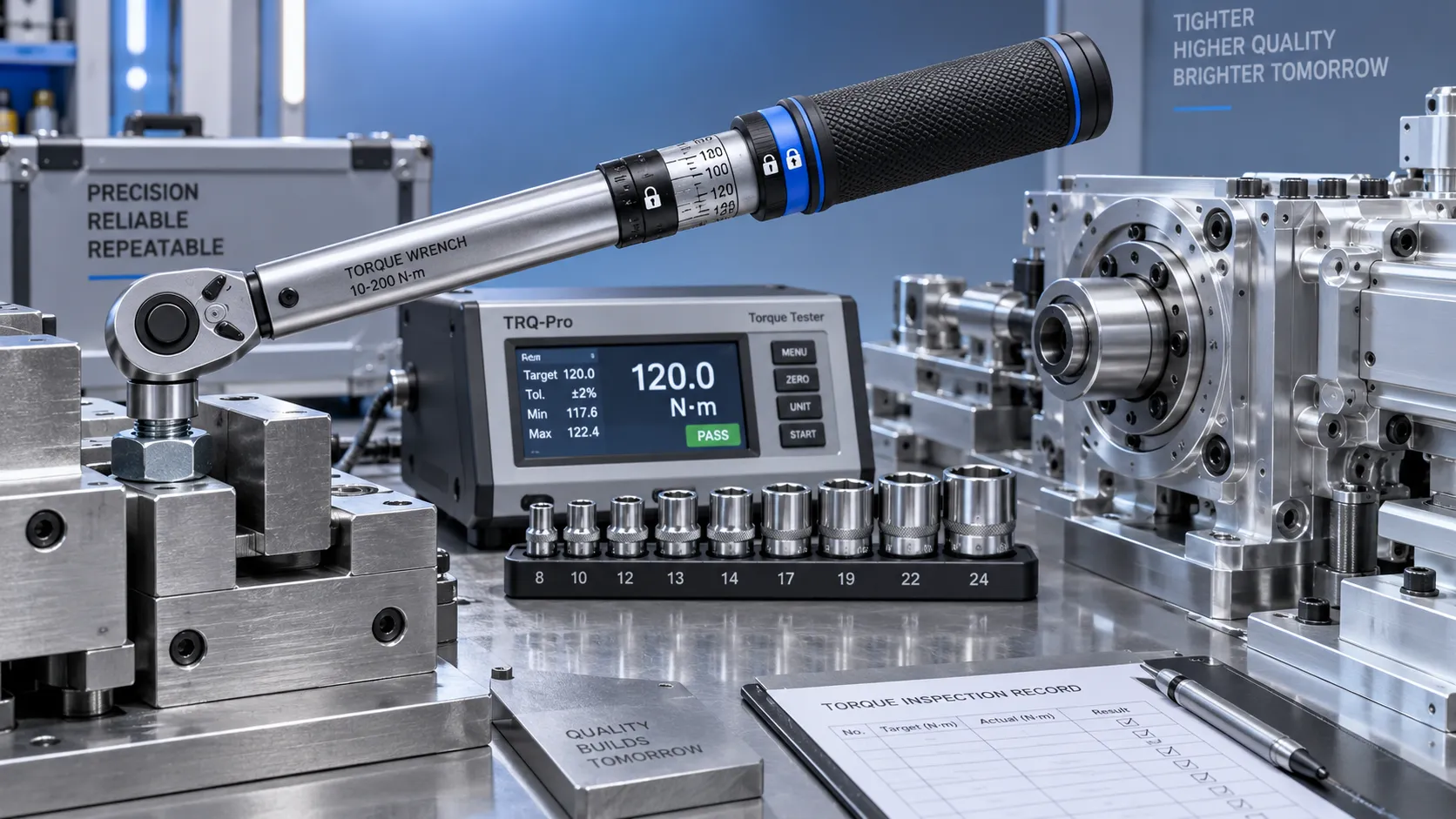
Selecting Adjustable Torque Tools for Repeatable Fastener Assembly
Adjustable torque tools: learn how to match range, accuracy, control methods, calibration, and ergonomics for repeatable, reliable fastener assembly.

How to Select Aerospace Inspection Tools for Aircraft Maintenance Tasks
Aerospace maintenance inspection tools: learn how to select reliable, traceable equipment for aircraft access, accuracy, calibration, and compliant maintenance decisions.

How to Select Wire Bonding Tools for Fine-Pitch Semiconductor Packaging
Explore semiconductor manufacturing tools for wire bonding and learn how to select precision solutions for fine-pitch packaging, reliable loops, accuracy, and yield.
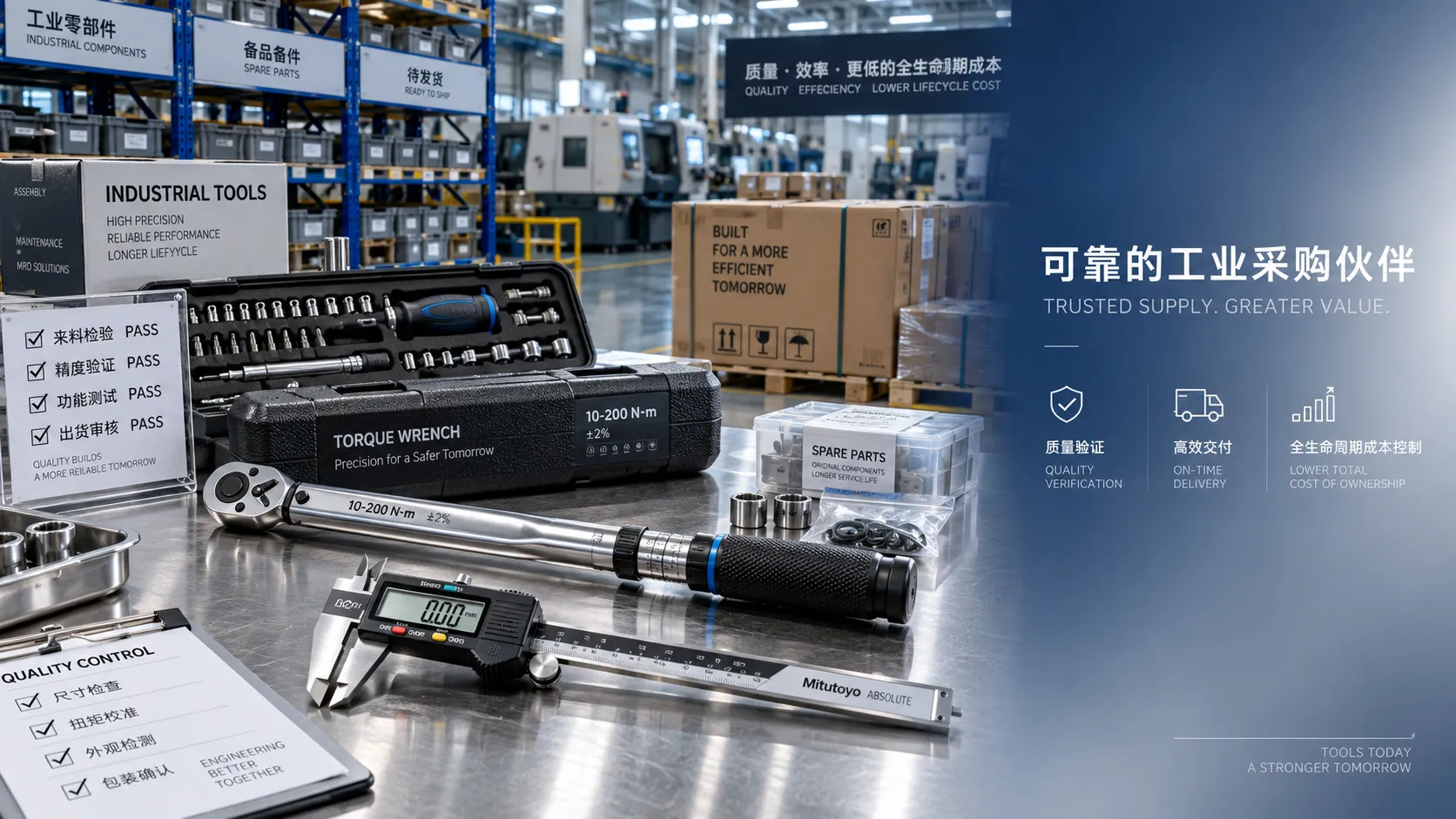
How to Compare Industrial Tool Suppliers for Quality, Lead Time, and Total Cost
Industrial tool selection supplier comparison made simple: evaluate quality, lead times, total cost, service, and supply resilience for confident sourcing decisions.
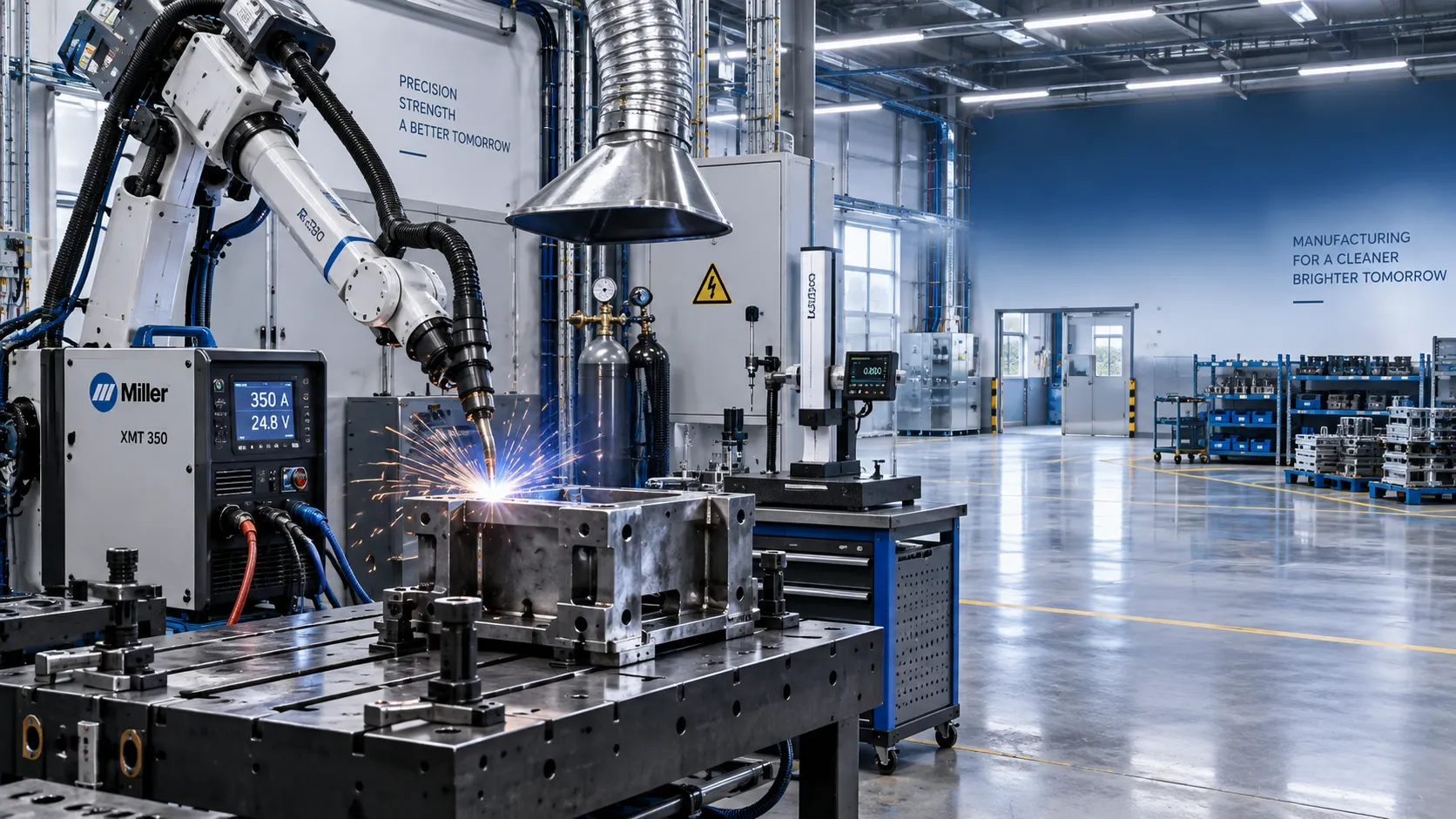
Industrial Equipment Application Guidance: Match Machines to Operating Conditions
Application guidance industrial equipment: match capacity, duty cycle, materials, site conditions, safety, and lifecycle cost to improve reliable output. Read the guide.
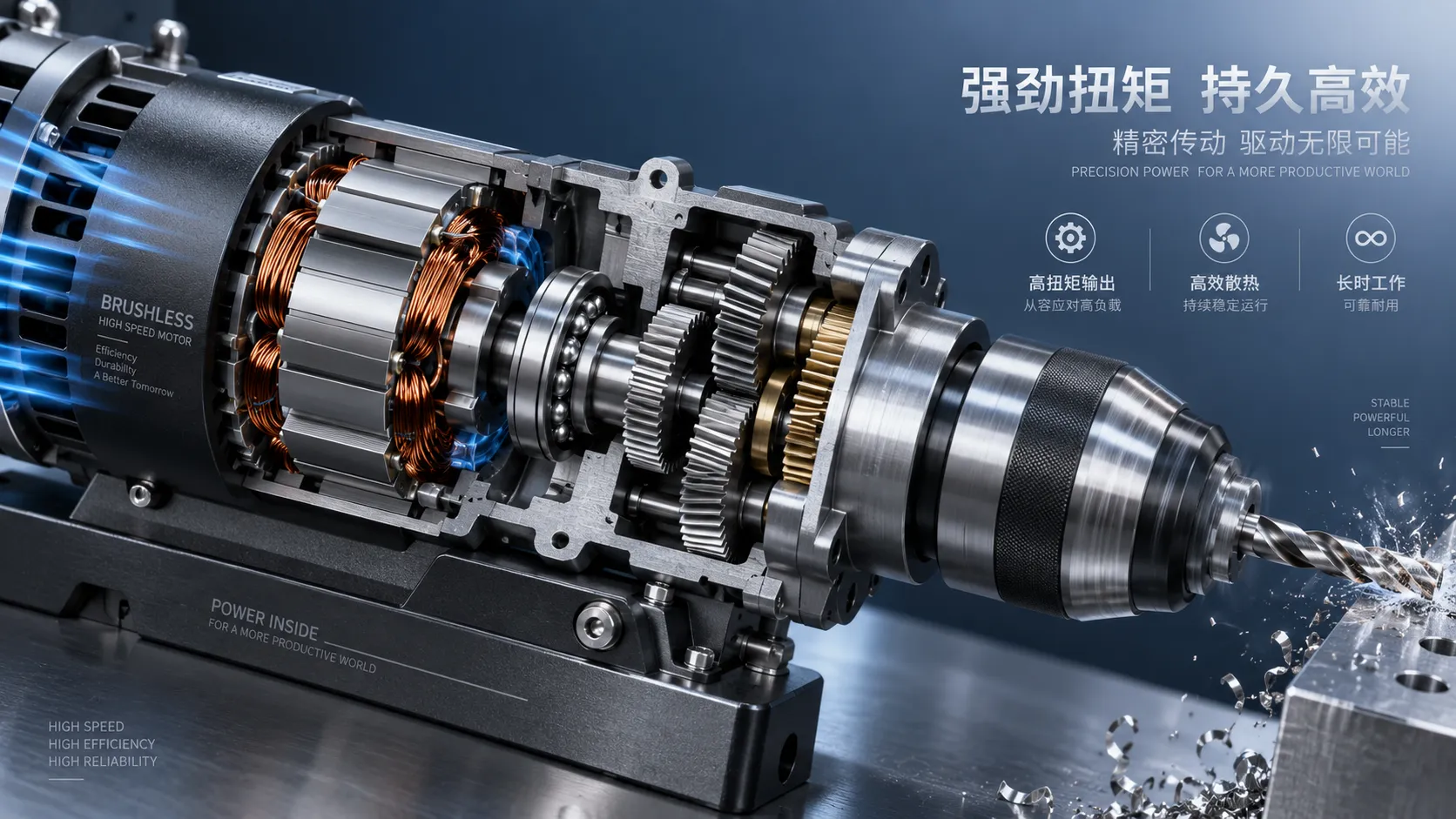
Selecting High-Speed Brushless Tool Motors for Torque, Heat, and Duty Cycle
High speed brushless tool motors: learn how to balance torque, heat, gearing, and duty cycle for reliable industrial tool performance and longer service life.
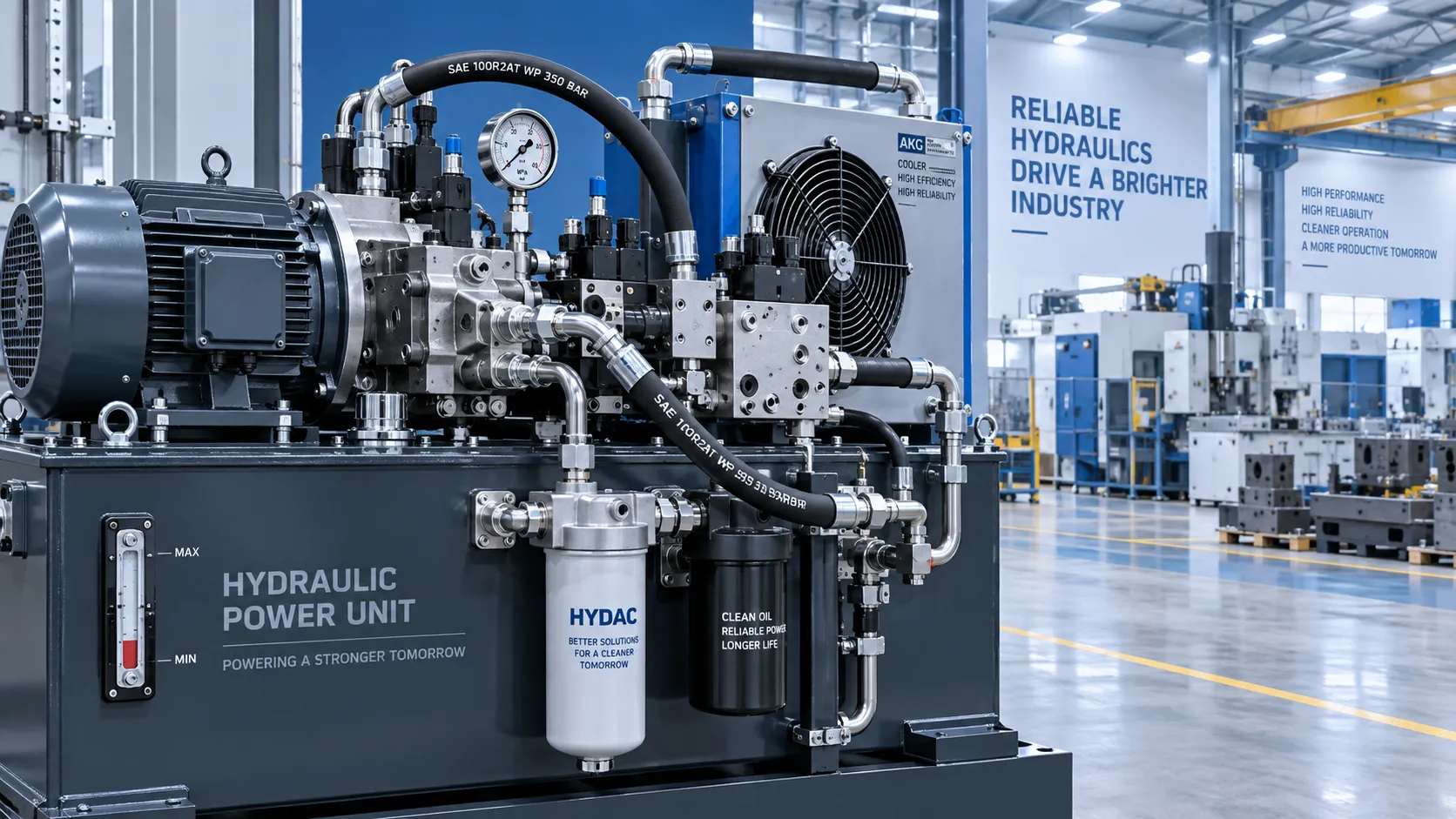
What Determines Industrial Hydraulic System Price for Heavy-Duty Equipment?
Industrial hydraulic system price depends on duty cycle, pressure, components, cooling, and integration. Compare quotes intelligently to secure reliable heavy-duty performance.
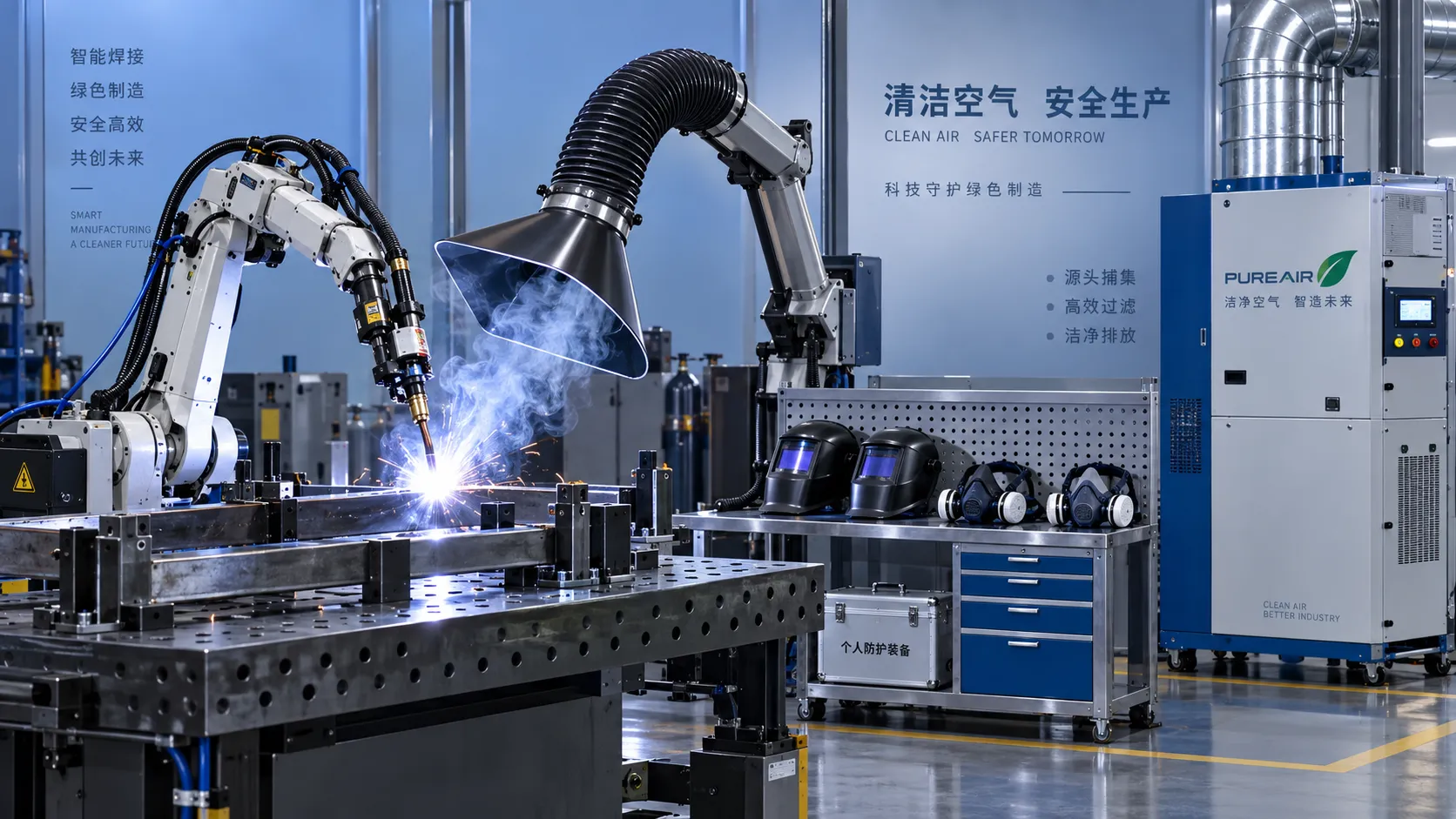
Welding Fume Extraction PPE: When Respirators Are Not Enough for Shop Safety
Welding fume extraction PPE: learn why respirators alone fall short and how source capture, ventilation, and layered controls improve shop safety.

How to Select Optical Metrology Solutions for Tight-Tolerance Manufacturing
Optical industrial metrology solutions for tight-tolerance manufacturing: evaluate accuracy, surface compatibility, workflow, and traceability to select with confidence.
Related News
- 00
0000-00
How to Select Battery Assembly Tools for Torque Control and High-Volume Production - 00
0000-00
How Battery, Torque, and Duty Cycle Affect Cordless Power Tool Efficiency - 00
0000-00
How to Size High-Torque Tool Motors for Continuous-Duty Assembly Lines - 00
0000-00
How to Choose 24V Brushless Tool Motors for Torque, Runtime, and Duty Cycle? - 00
0000-00
Automotive Repair Tools List: What Every Workshop Needs for Daily Service Jobs
Electro-Mech Tool Designer
Weekly Insights
Stay ahead with our curated technology reports delivered every Monday.