
Brushless Motors vs Brushed Motors: Which Is Better for High-Duty Industrial Tools?





For technical evaluators selecting motors for high-duty industrial tools, the choice between brushed and brushless motors affects efficiency, maintenance, heat control, and long-term reliability. This article examines how brushless motors perform under demanding industrial workloads, compares them with brushed alternatives, and highlights the key factors that influence tool lifecycle value, safety, and operational consistency.
In industrial assembly, metal joining, surface preparation, fastening, and precision maintenance, motor selection is rarely a simple power question. It directly influences thermal stability, downtime frequency, operator fatigue, spare-parts planning, and consistency over 8-hour, 12-hour, or even multi-shift production cycles.
For organizations tracking tool performance across construction, automotive repair, fabrication, and aerospace maintenance, brushless motors are increasingly evaluated not only for speed and torque, but also for lifecycle economics. Yet brushed motors still remain relevant in selected duty profiles, especially where cost thresholds, simpler controls, or intermittent use dominate the decision.
Why Motor Type Matters in High-Duty Industrial Tools
A high-duty industrial tool typically runs under one or more demanding conditions: long daily runtime, repeated load spikes, elevated ambient temperatures, airborne dust, or precision-sensitive output. In these environments, the motor is not just a component. It is the main determinant of how reliably the tool converts electrical input into usable mechanical work.
Brushed motors use mechanical brushes and a commutator to switch current. Brushless motors replace that contact-based switching with electronic control. That design difference affects at least 5 critical areas: efficiency, wear rate, heat generation, speed control, and maintenance intervals.
The practical impact on industrial operations
In a welding preparation tool, grinder, torque tool, or heavy-duty drill, even a 5% to 15% difference in energy conversion efficiency can translate into lower heat buildup and more stable output over extended use. For technical evaluators, that matters because excessive heat often shortens bearing life, stresses insulation, and reduces repeatability in continuous-duty applications.
Another key issue is maintenance exposure. In brushed systems, brushes are wear items. Depending on load, speed, and contamination, service intervals may become frequent enough to disrupt productivity. In contrast, brushless motors eliminate brush replacement, which can reduce service interventions across a 12- to 24-month operating window.
Typical high-duty evaluation conditions
- Daily operation of 4 to 12 hours
- Frequent start-stop cycles exceeding 200 activations per shift
- Ambient temperatures between 30°C and 45°C
- Exposure to metallic dust, abrasive particles, or welding residue
- Need for stable torque under variable load conditions
Under these conditions, motor design affects not just tool output, but also quality escape risk, rework rates, and operator trust. This is why brushless motors are now more common in premium industrial cordless tools, intelligent fastening systems, and advanced finishing equipment.
Brushless Motors vs Brushed Motors: Core Performance Comparison
The most useful comparison for technical assessment is not theoretical motor architecture, but operational behavior under real workload. The table below summarizes how brushed and brushless motors usually differ in industrial tool environments.
The main conclusion is straightforward: brushless motors generally deliver better performance for high-duty industrial tools, especially when runtime, thermal load, and maintenance costs are major concerns. However, “better” depends on the duty cycle and the total cost model, not on motor type alone.
Where brushless motors gain the strongest advantage
Brushless motors perform especially well in tools that face continuous or semi-continuous use. Examples include production fastening tools, high-cycle grinders, industrial blowers, pipe prep tools, and cordless assembly systems that must maintain steady output through 2 or 3 shifts per day.
Their electronic commutation also supports advanced functions such as overload protection, soft start, speed holding, and battery optimization. For evaluators working with connected tools or torque traceability systems, this compatibility with digital control is a major advantage.
Where brushed motors still make sense
Brushed motors remain viable in lower-duty or budget-sensitive applications. If a tool runs intermittently for less than 1 to 2 hours per day, and service access is easy, the lower purchase price may outweigh the maintenance burden. This can apply to backup tools, light workshop equipment, or low-frequency field service operations.
They can also be easier to troubleshoot in basic electrical environments where advanced controllers are not preferred. That said, once duty intensity rises, the operating penalty becomes more visible.
How Brushless Motors Perform Under Demanding Duty Cycles
The best way to judge brushless motors is to examine how they behave during actual industrial stress conditions: sustained load, repeated acceleration, temperature variation, and contamination risk. In these areas, brushless designs usually show measurable operational benefits.
Thermal control and continuous output
In many high-duty tools, heat is the limiting factor before nameplate power becomes the issue. Because brushless motors avoid brush friction and commutator sparking, they often maintain lower internal temperatures during long runs. Lower heat helps protect insulation systems, power electronics, and adjacent mechanical assemblies.
For example, during 30- to 60-minute repeated load cycles, a brushless tool may sustain usable torque with less output drop than a brushed equivalent. Exact performance varies by cooling design, controller quality, and gearing, but the trend is consistent across many industrial categories.
Why this matters for tool life
- Lower winding stress can extend service intervals
- Reduced thermal drift supports better process consistency
- Less heat transfer to housings improves operator comfort
- Controlled current delivery reduces overload-related failures
Load response and process control
Brushless motors are commonly paired with electronic controllers that adjust current in real time. In industrial fastening and surface treatment tools, this allows more stable speed under changing resistance. When a tool encounters harder material, inconsistent contact pressure, or joint variability, response time becomes a quality factor.
For technical evaluators, the result is not just smoother operation. It can also mean fewer process deviations across batches of 50, 500, or 5,000 parts, depending on the application. That is especially important where repeatable surface finish, torque delivery, or cut quality is required.
Reliability in contaminated environments
Industrial tools often work near grinding dust, metal fines, paint particles, or welding residue. In brushed motors, sparking and mechanical contact can increase sensitivity to contamination over time. Brushless motors remove one wear interface, which can improve durability when sealing and airflow are properly designed.
This does not mean brushless tools are maintenance-free. Bearings, cooling passages, controller boards, and sensors still require protection. But in harsh operating environments, they typically offer a better base for longer duty cycles and lower unplanned stoppage risk.
Selection Criteria for Technical Evaluators
When comparing brushless motors with brushed alternatives, technical evaluators should avoid decisions based only on advertised power or no-load speed. A stronger selection method uses a multi-factor review aligned with actual production conditions, service capabilities, and target ownership period.
Five critical evaluation dimensions
- Duty cycle: intermittent, repetitive, or continuous use
- Load profile: steady torque, peak torque, or variable resistance
- Maintenance model: in-house service, dealer network, or replacement strategy
- Power source: corded AC, cordless battery, or integrated control platform
- Lifecycle target: 12 months, 24 months, or 36 months of expected use
A tool used 20 minutes at a time in a repair bay should not be judged by the same standard as a production-line tool running 6 hours per shift. The wrong motor choice often comes from using a general-purpose evaluation framework for a highly specific duty environment.
The table below provides a practical decision matrix that evaluators can use when assessing motor fit for industrial tools across multiple operating scenarios.
This matrix shows that brushless motors become increasingly favorable as duty intensity, control requirements, and uptime expectations rise. Brushed motors remain acceptable mainly where use frequency is limited and cost sensitivity is high.
Questions evaluators should ask suppliers
Performance and durability checks
- What is the expected runtime profile per shift the tool is designed for?
- How does output change after 15, 30, and 60 minutes under load?
- What protection functions are built into the motor control system?
- What are the service intervals for brushes, bearings, and electronics?
- How does the tool perform in dust, vibration, or high-temperature environments?
These questions help move the discussion away from catalog claims and toward operational evidence. For industrial procurement, that shift is critical.
Cost, Maintenance, and Lifecycle Value
The upfront price difference between brushed and brushless tools can be meaningful, sometimes by 15% to 40% depending on category, battery platform, and control complexity. However, technical evaluators should compare total cost of ownership rather than purchase price alone.
Direct and indirect cost factors
Direct costs include tool price, spare parts, service labor, and replacement intervals. Indirect costs include downtime, missed production windows, output inconsistency, and secondary damage from overheating or poor torque control. In high-duty operations, indirect costs can exceed the initial price gap within 6 to 18 months.
Brushless motors often win this comparison because they reduce recurring maintenance and support more stable performance over time. In cordless systems, better efficiency may also reduce battery swaps per shift, which lowers handling interruptions and battery fleet pressure.
Common lifecycle advantages of brushless motors
- Fewer wear components inside the motor
- Lower service frequency over 12- to 36-month use periods
- Improved energy use in battery-powered applications
- Better fit for intelligent controls and tool analytics
When lifecycle value may not justify the upgrade
If the tool is used rarely, if replacement is favored over repair, or if the application does not require precision control, the return on brushless investment may be slower. In those cases, a reliable brushed tool can remain a rational industrial choice, provided service intervals are understood in advance.
This is particularly true in decentralized maintenance environments where tools are shared across low-frequency tasks and uptime is not tied to a continuous production target.
Final Recommendation for Industrial Tool Selection
For high-duty industrial tools, brushless motors are generally the better choice when evaluators prioritize sustained performance, lower maintenance exposure, better thermal behavior, and stronger control integration. Their advantages become more pronounced as tool usage moves from occasional work to repetitive or continuous industrial operation.
Brushed motors still have value in cost-sensitive, low-duty, or simpler applications. But for demanding assembly, fabrication, maintenance, and precision workflow environments, brushless motors usually provide the stronger lifecycle case and the more stable operating profile.
If your team is comparing motor platforms for industrial tools, GPTWM can help structure the evaluation around duty cycle, control needs, maintenance constraints, and long-term value. Contact us to discuss tool selection criteria, request a tailored assessment framework, or explore more industrial intelligence solutions for precision tools and welding applications.
Related News
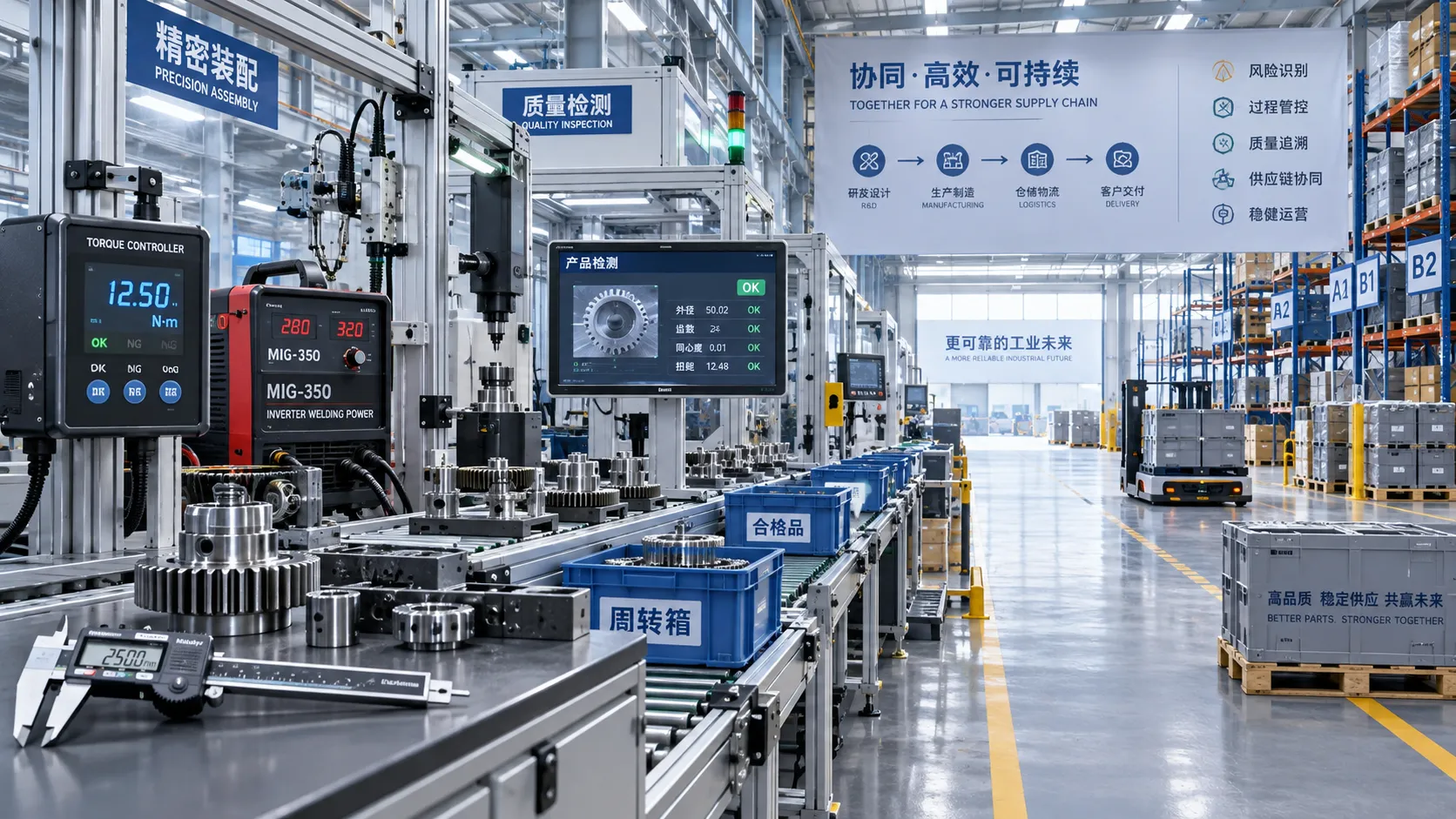
How Procurement Teams Can Map the Industrial Value Chain to Reduce Supply Risk
Industrial value chain procurement helps teams map hidden dependencies, qualify resilient sources, and reduce supply risk before disruptions stop production.
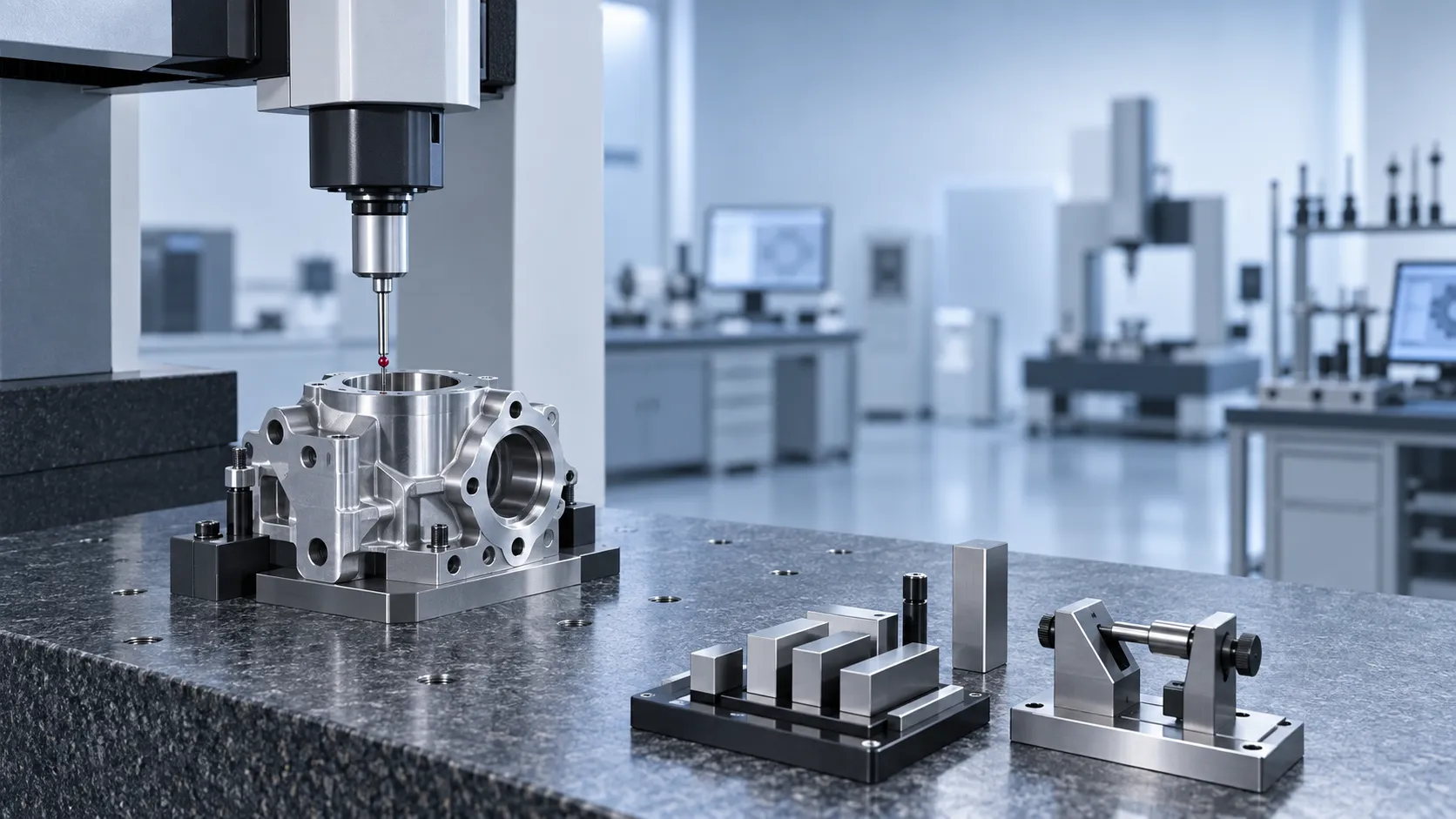
How Specification-Driven Articles Improve Precision Measurement System Selection
Specification-oriented articles precision measurement guidance helps teams compare accuracy, repeatability, environment, and data needs to select reliable systems with confidence.
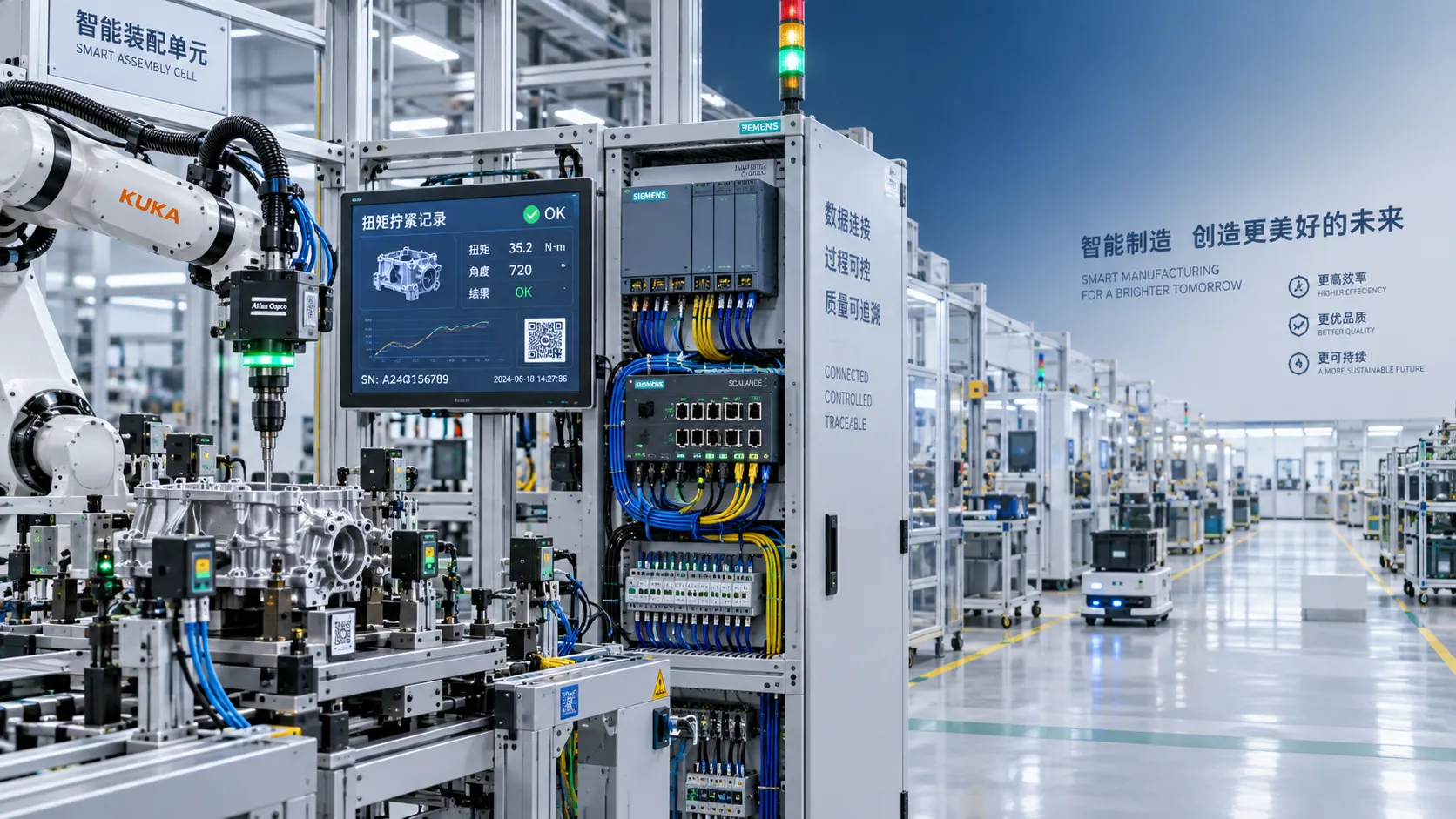
How to Evaluate a Technology Integration Service Provider for Complex Projects
Technology integration service provider selection guide: evaluate interface ownership, delivery discipline, scalable architecture, and risk control for complex projects.
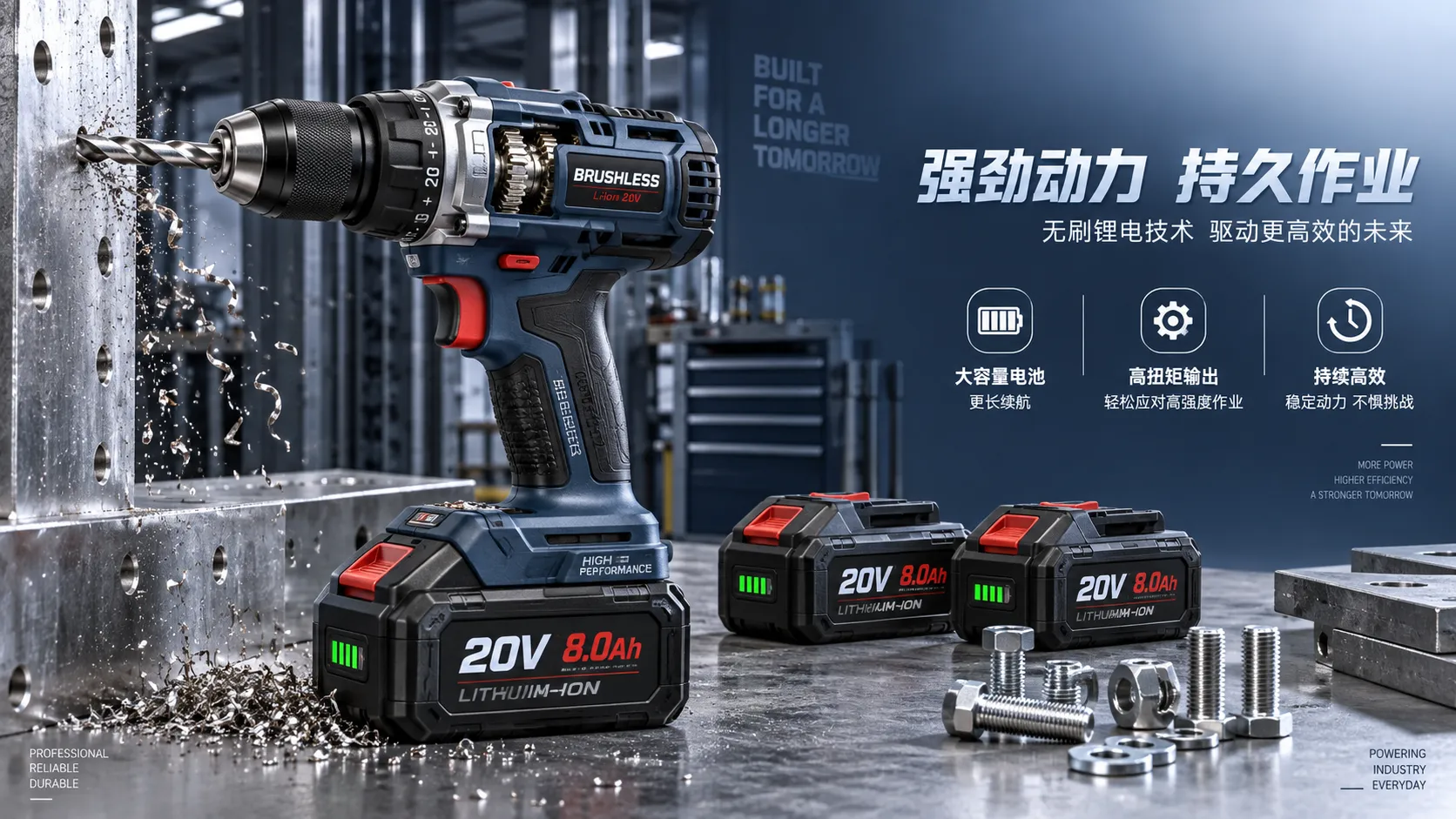
How Battery, Torque, and Duty Cycle Affect Cordless Power Tool Efficiency
Cordless power tool efficiency depends on battery output, torque, and duty cycle. Learn how to match tools to demanding jobs for stronger runtime and productivity.
Product Comparison Resources for Component Compatibility and Lifecycle Risk
Product comparison resources for components: evaluate compatibility, interfaces, service support, and lifecycle risk to reduce downtime, avoid redesigns, and make confident sourcing decisions.
How to Select Vernier Precision Calipers for Tight-Tolerance Machining Inspection
Vernier precision calipers for tight-tolerance machining: learn how to select the right range, jaw design, accuracy, and verification process for reliable inspection.
Product Comparison Resources in Europe: How Buyers Can Verify Specs and Suppliers
Product comparison resources Europe: learn how to verify industrial specs, compliance claims, supplier credibility, and delivery risk for smarter purchasing decisions.
How to Evaluate an Industrial Metrology Solution Manufacturer for Production Use
Industrial metrology solution manufacturer evaluation guide for production: compare accuracy, traceability, automation, software, service, and acceptance testing to reduce risk.
Which ISO Standards Matter Most for Precision Engineering Quality Control?
Precision engineering ISO standards explained: discover how ISO 9001, ISO/IEC 17025, ISO 10012, GPS, and ISO 3834 strengthen quality control, traceability, and compliance.
Related News
- 00
0000-00
How Battery, Torque, and Duty Cycle Affect Cordless Power Tool Efficiency - 00
0000-00
How to Size High-Torque Tool Motors for Continuous-Duty Assembly Lines - 00
0000-00
How to Choose 24V Brushless Tool Motors for Torque, Runtime, and Duty Cycle? - 00
0000-00
Automotive Repair Tools List: What Every Workshop Needs for Daily Service Jobs - 00
0000-00
36V Brushless Tool Motors Selection Guide: Torque, Efficiency, Thermal Limits, and Duty Cycle
Electro-Mech Tool Designer
Weekly Insights
Stay ahead with our curated technology reports delivered every Monday.