
How Raw Material Fluctuations Affect Lead Times, Pricing, and Supplier Strategy





Raw material fluctuations have moved to the center of industrial decision-making
Raw material fluctuations now shape delivery promises as much as production capacity does.
In industrial assembly, welding, and precision metrology, volatility no longer stays inside commodity reports.
It reaches quoting logic, contract terms, inventory buffers, and supplier selection.
That shift is especially visible in products tied to steel, copper, aluminum, rare earth elements, abrasives, and engineered polymers.
A torque tool, laser welding accessory, measuring instrument housing, or hydraulic component may look stable on paper.
Yet the cost structure beneath it can change within a quarter.
The deeper issue is not only price direction.
It is the speed, frequency, and unevenness of change across categories and regions.
For organizations tracking industrial efficiency, this creates a practical question.
How should lead times, pricing, and supplier strategy adapt before volatility damages service reliability or margin quality?
Why this signal is becoming harder to ignore
Several forces are making raw material fluctuations more visible across the last mile of manufacturing.
Energy prices remain unstable in many production regions.
Freight conditions have improved from earlier shocks, but route disruptions still appear without much warning.
Export controls, technical compliance updates, and regional sourcing shifts also add friction.
More importantly, demand itself is becoming less uniform.
Construction, automotive service, aerospace maintenance, and industrial retrofits do not recover at the same pace.
That mismatch changes material purchasing cycles upstream.
What looks like a price problem often begins as a synchronization problem.
From GPTWM’s industrial intelligence perspective, this is why surface-level price watching is no longer enough.
The more useful view connects material shifts with tooling demand, process change, and downstream service expectations.
Lead times are no longer delayed for one reason
When raw material fluctuations intensify, lead times rarely move in a straight line.
Some items extend because mills allocate output differently.
Others slow down because sub-tier processors wait before committing to batch conversion.
There are also cases where paperwork, certification, or alternate material approval causes the longest delay.
This matters for precision tools and welding-related equipment.
Many products include multiple materials with different volatility patterns.
A stable motor assembly may still be blocked by magnets, housings, bearings, cables, or electronics packaging.
In practical terms, lead-time risk is becoming more layered.
- Short-cycle delays emerge when suppliers pause purchases, expecting lower input prices.
- Mid-cycle delays appear when substitute grades require revalidation or customer approval.
- Long-cycle delays grow when regional sourcing shifts overload qualified secondary suppliers.
The result is a wider gap between nominal lead time and reliable lead time.
That gap often becomes the hidden cost of raw material fluctuations.
Pricing models are changing from static quotes to managed exposure
The old assumption was simple.
If volume was predictable, pricing could remain fixed for long periods.
That assumption is weakening across industrial supply chains.
Raw material fluctuations are pushing pricing from a sales exercise toward a risk allocation exercise.
More agreements now include validity windows, surcharge clauses, or index-linked adjustment language.
Even when formal clauses are absent, suppliers are shortening quotation periods.
This is not only defensive behavior.
It reflects the difficulty of carrying unknown input costs across extended production commitments.
More noticeable now is the split between catalog price and executable price.
Catalog figures support market positioning.
Executable prices depend on material timing, order mix, and conversion certainty.
That distinction is becoming essential in high-spec categories, especially where tolerances, safety, or calibration requirements limit substitution flexibility.
Supplier strategy is shifting from lowest cost to verified resilience
One of the clearest consequences of raw material fluctuations is strategic reprioritization in supplier management.
A low unit price means less when allocation risk is high.
A broad supplier list means less when only a few sources are truly qualified for the required standards.
This is where industrial intelligence becomes more valuable than simple vendor comparison.
GPTWM’s focus on welding systems, power tool evolution, metrology demand, and industrial standards reflects that reality.
Supplier strength now depends on deeper signals than price history alone.
- Material visibility: whether sub-tier sourcing and grade exposure are transparent.
- Engineering flexibility: whether redesign or substitution can happen without long approval cycles.
- Delivery discipline: whether quoted lead times reflect realistic material access.
- Standards readiness: whether export, safety, and application requirements are already embedded.
The more volatile the market becomes, the more supplier strategy starts to resemble portfolio design.
Concentration can improve leverage, but it can also magnify disruption.
Diversification can improve continuity, but only if qualification work has been done in advance.
The impact does not stay in procurement or finance
Raw material fluctuations affect more than sourcing cost.
They change planning behavior across quoting, engineering, operations, and after-sales support.
In assembly environments, unstable inputs can alter batch sizes and changeover frequency.
In metal joining applications, filler materials, shielding components, and tool wear items may need earlier reservation.
In metrology, calibration fixtures, machined bases, and protective casings may face cost pressure without immediate market visibility.
That is why margin erosion often appears late.
The sales line may look intact while operating complexity rises underneath.
A useful response is to separate visible inflation from hidden volatility costs.
What deserves closer attention over the next planning cycle
The next phase is unlikely to be defined by one universal price trend.
More likely, raw material fluctuations will remain selective and structurally uneven.
That makes monitoring discipline more important than broad market headlines.
Several questions are becoming more useful than asking whether prices are simply rising or falling.
- Which materials drive the highest delivery risk, not just the highest spend?
- Which product families have the weakest substitution options?
- Where do compliance changes reduce supplier flexibility?
- Which customer commitments assume a stability that no longer exists?
In sectors tied to precision tools, welding systems, and measurement technologies, these questions matter because technical performance cannot be separated from material quality.
A cheaper input is not a real advantage if it creates calibration drift, tool lifespan loss, or safety compliance risk.
A practical response starts with better signal linkage
The strongest response to raw material fluctuations is rarely a single policy.
It is a better connection between market signals and operating decisions.
That means linking commodity exposure with lead-time reliability, technical approval pathways, and customer promise design.
It also means treating industrial intelligence as an operating input, not only as background reading.
GPTWM’s Strategic Intelligence Center reflects this broader need.
The value lies in stitching together material shifts, export restrictions, tooling evolution, and application demand into usable judgment.
The companies that respond well are not waiting for volatility to disappear.
They are tightening quote governance, mapping critical material dependencies, reviewing supplier resilience, and building staged response plans.
That is the more durable answer to raw material fluctuations.
The next useful step is to review where margin, delivery confidence, and material exposure intersect most sharply.
Once that map is clear, market volatility becomes easier to interpret and harder to fear.
Related News
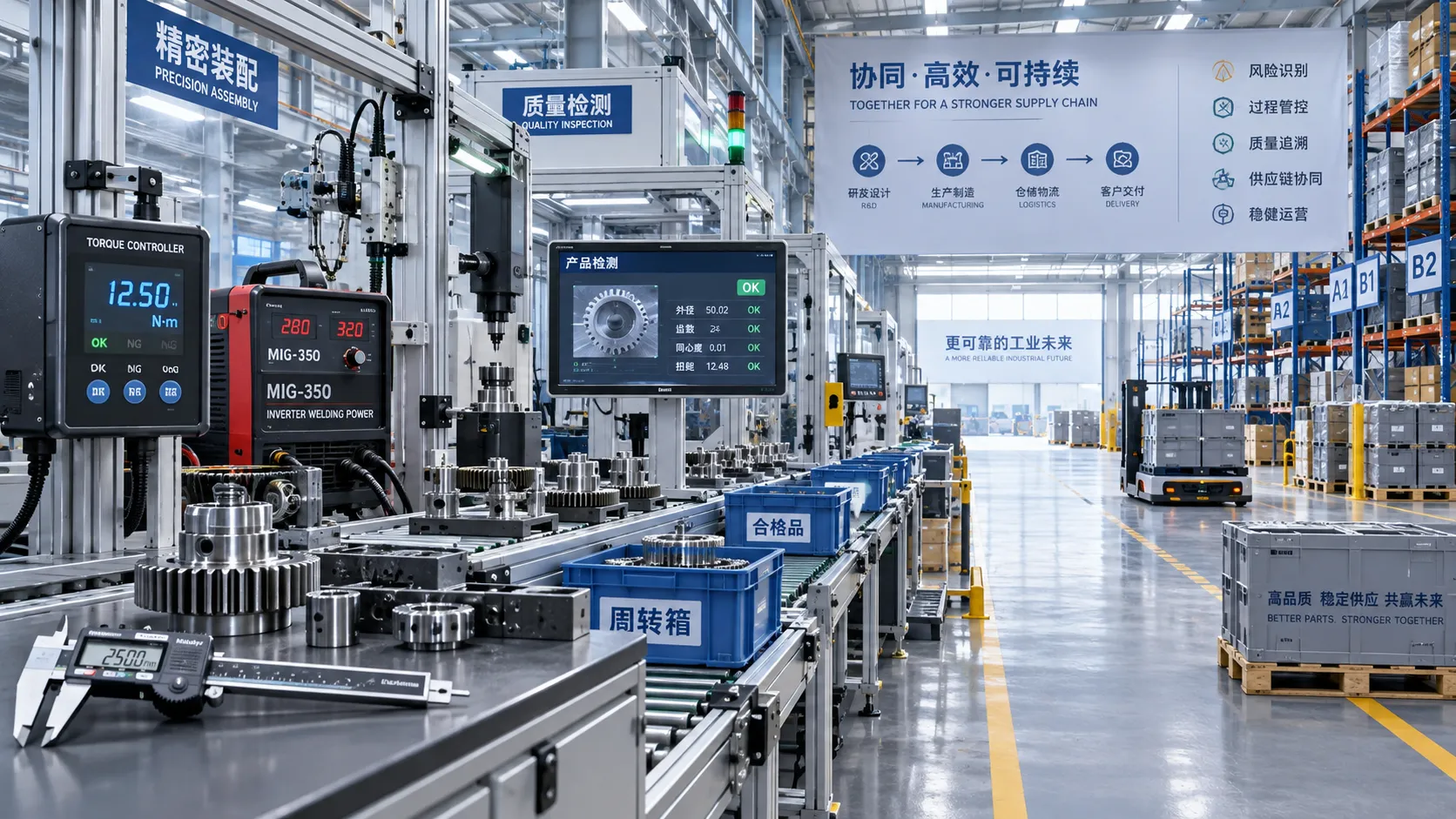
How Procurement Teams Can Map the Industrial Value Chain to Reduce Supply Risk
Industrial value chain procurement helps teams map hidden dependencies, qualify resilient sources, and reduce supply risk before disruptions stop production.

How Specification-Driven Articles Improve Precision Measurement System Selection
Specification-oriented articles precision measurement guidance helps teams compare accuracy, repeatability, environment, and data needs to select reliable systems with confidence.

How to Evaluate a Technology Integration Service Provider for Complex Projects
Technology integration service provider selection guide: evaluate interface ownership, delivery discipline, scalable architecture, and risk control for complex projects.
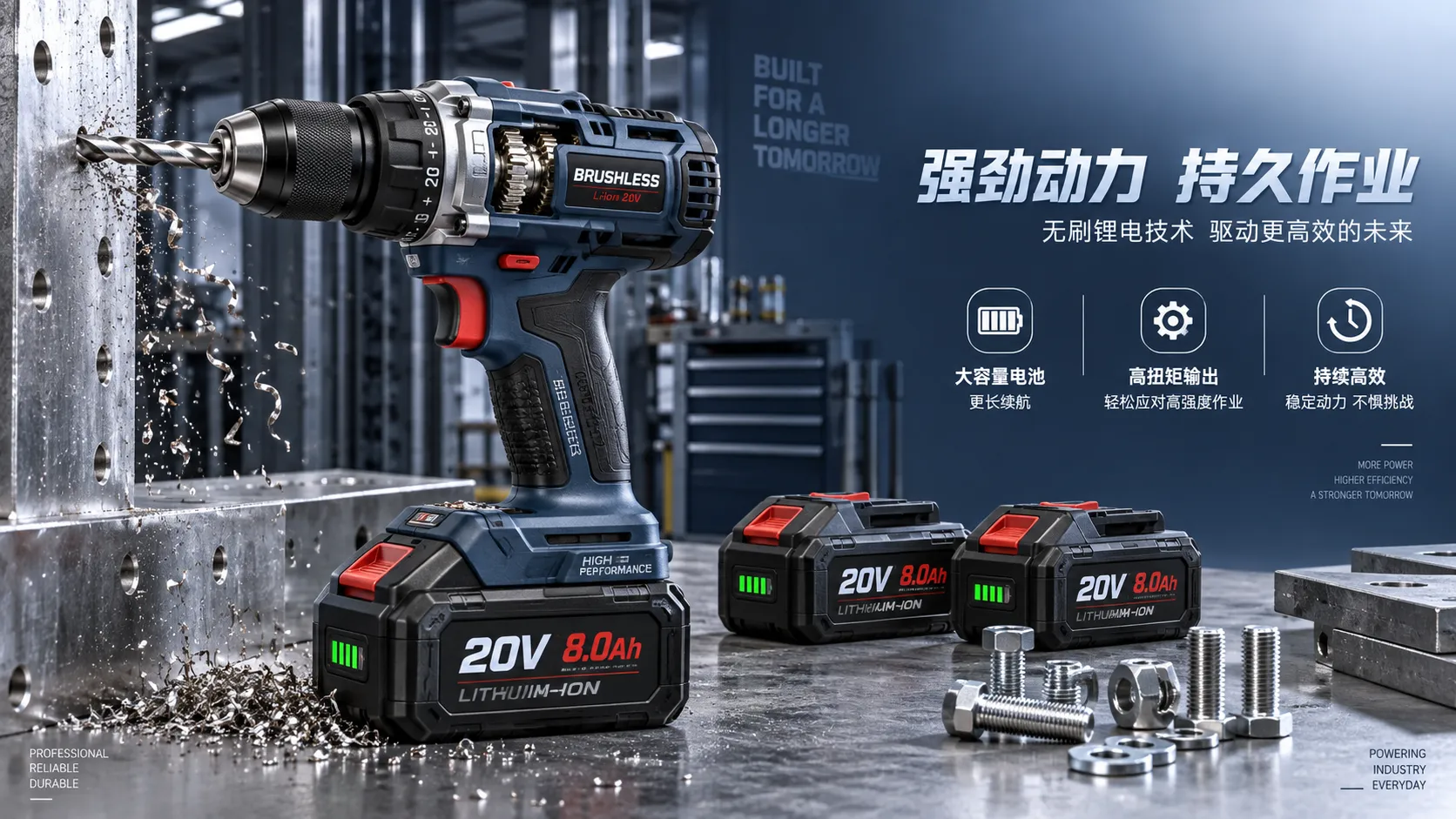
How Battery, Torque, and Duty Cycle Affect Cordless Power Tool Efficiency
Cordless power tool efficiency depends on battery output, torque, and duty cycle. Learn how to match tools to demanding jobs for stronger runtime and productivity.

Product Comparison Resources for Component Compatibility and Lifecycle Risk
Product comparison resources for components: evaluate compatibility, interfaces, service support, and lifecycle risk to reduce downtime, avoid redesigns, and make confident sourcing decisions.
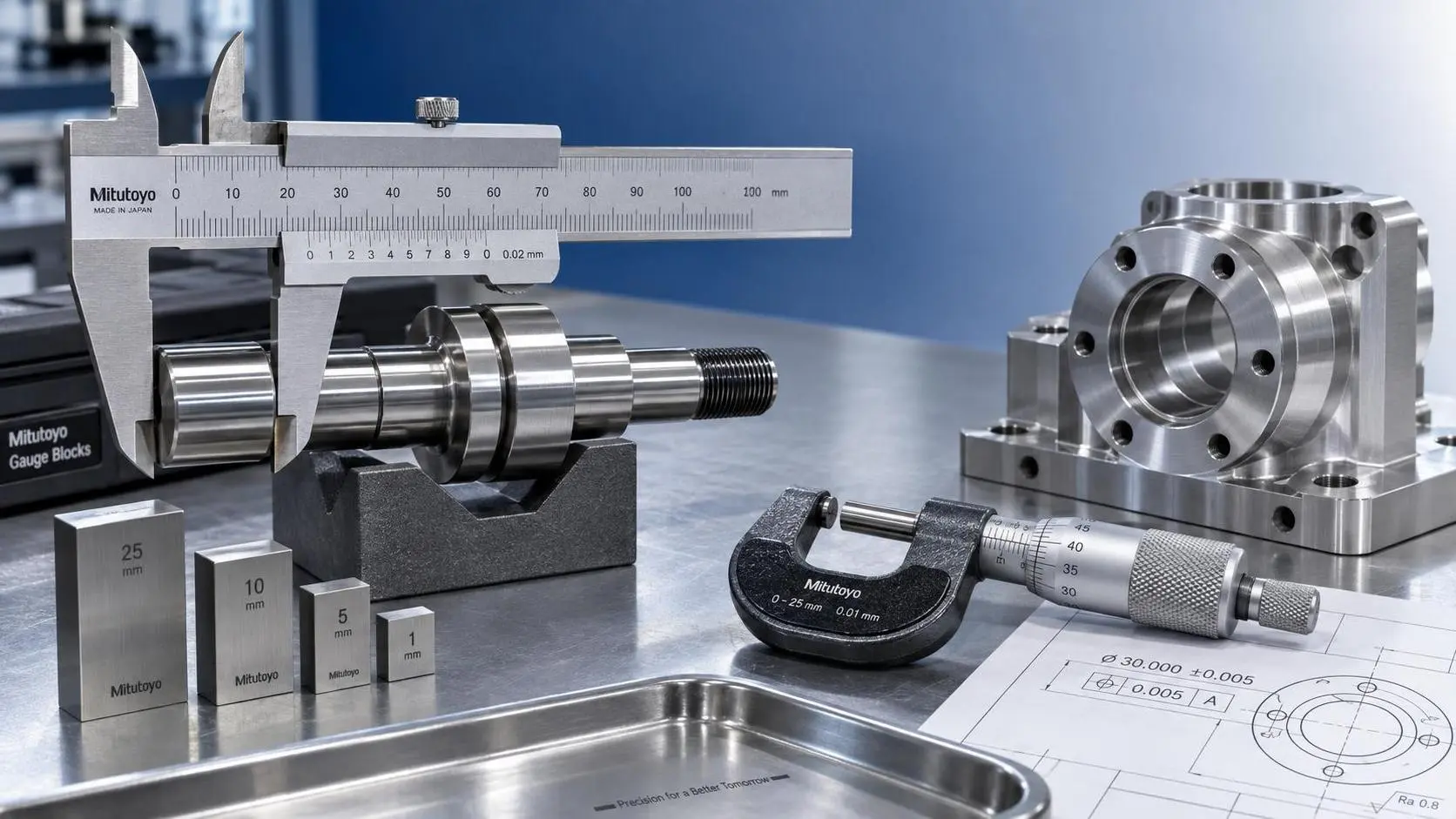
How to Select Vernier Precision Calipers for Tight-Tolerance Machining Inspection
Vernier precision calipers for tight-tolerance machining: learn how to select the right range, jaw design, accuracy, and verification process for reliable inspection.

Product Comparison Resources in Europe: How Buyers Can Verify Specs and Suppliers
Product comparison resources Europe: learn how to verify industrial specs, compliance claims, supplier credibility, and delivery risk for smarter purchasing decisions.

How to Evaluate an Industrial Metrology Solution Manufacturer for Production Use
Industrial metrology solution manufacturer evaluation guide for production: compare accuracy, traceability, automation, software, service, and acceptance testing to reduce risk.

Which ISO Standards Matter Most for Precision Engineering Quality Control?
Precision engineering ISO standards explained: discover how ISO 9001, ISO/IEC 17025, ISO 10012, GPS, and ISO 3834 strengthen quality control, traceability, and compliance.
Related News
- 00
0000-00
What Does Data-Driven Intelligence Cost? Budgeting for Data, Tools, and Talent - 00
0000-00
What Determines Metrology Technology Prices for Factory Inspection Systems? - 00
0000-00
Welding Tools Price Guide: What Affects Cost and How Buyers Can Compare Options - 00
0000-00
What Drives Industrial Tools Cost? A Buyer’s Guide to Materials, Volume, and Lifecycle Expenses - 00
0000-00
Brand Premiums in North America: What Drives Price Gaps in Industrial Tools?
Ms. Elena Rodriguez
Weekly Insights
Stay ahead with our curated technology reports delivered every Monday.