
Industrial Trends in Global Construction: What Is Driving Material and Labor Cost Shifts?





Global construction is moving through a period of sharp cost rebalancing. The most visible signals are higher steel, cement, copper, and energy prices, but the deeper story is broader. Industrial trends now connect geopolitics, freight, labor availability, compliance rules, and digital execution on the jobsite.
That matters because construction cost shifts no longer come from one market variable at a time. They come from linked systems. A factory delay can affect tool delivery, site productivity, welding schedules, inspection timing, and final project margins across several countries.
For companies working across supply chains, these industrial trends are not only procurement issues. They also influence contract strategy, bidding discipline, equipment planning, and the timing of capital decisions. The result is a construction environment where cost intelligence must be more operational and less reactive.
Why cost shifts feel more persistent today
Material and labor inflation in construction used to be discussed in cycles. Today, the pressure feels more structural. Demand remains uneven by region, while supply chains are expected to be faster, cleaner, safer, and more transparent than before.
This changes the meaning of volatility. It is not only about short-term price spikes. It is also about recurring uncertainty in sourcing, lead times, certification, and workforce continuity. Those conditions make forecasting harder even when demand remains healthy.
In practice, industrial trends in global construction now reflect both macroeconomic pressure and shop-floor realities. A project may face higher rebar prices, but also slower installation because of labor gaps, inspection bottlenecks, or limited availability of precision tools.
The main forces reshaping material costs
Raw material pricing still starts with energy, mining, and processing capacity. Steel and aluminum remain especially exposed to electricity costs, emissions policy, and regional production controls. Cement is also sensitive because fuel and transport remain large parts of total cost.
Copper deserves close attention as well. Electrification, grid expansion, and equipment modernization are increasing competition for the same input. That places pressure on construction systems tied to wiring, motors, controls, and building services infrastructure.
Another layer comes from freight and trade policy. Export restrictions, port congestion, rerouted shipping lanes, and changing duties can increase landed cost even when mill prices appear stable. This is one reason industrial trends must be tracked beyond commodity charts alone.
Standards and compliance also add cost in a less obvious way. Safer materials, traceability requirements, carbon reporting, and product certification create administrative and production burdens. These are often justified, but they still reshape the final cost base.
Where material pressure appears first
Labor costs are rising for different reasons
Labor cost growth is often described as a wage story, but that is only part of the picture. Scarcity of qualified trades, demographic shifts, migration limits, safety obligations, and lower tolerance for rework all change the labor equation.
The shortage is especially visible in technically demanding tasks. Welding, mechanical installation, calibration, dimensional verification, and equipment commissioning require experience that cannot be replaced quickly. When those skills tighten, project sequencing becomes fragile.
Industrial trends also show a productivity gap between labor availability and labor effectiveness. A site may have enough headcount on paper, yet still lose time because teams lack the right tools, digital instructions, or inspection support. In that case, labor cost rises without real output gains.
This is where tool quality and process discipline matter more than many budgets assume. Better torque control, reliable metrology, and safer joining methods can reduce repeat work, shorten handover cycles, and protect scarce labor hours from avoidable waste.
How technology is changing the cost conversation
Digital adoption in construction is no longer a separate innovation topic. It is becoming part of cost control. Industrial trends increasingly connect field technology with pricing resilience, especially when projects face compressed timelines or cross-border sourcing risk.
For example, handheld laser welding, smart torque systems, and connected measurement tools do more than improve precision. They help standardize output, reduce dependence on inconsistent manual practice, and create usable performance data for future procurement decisions.
That perspective aligns with the role of GPTWM. Its Strategic Intelligence Center follows not only raw material movement and export restrictions, but also the adoption curve of industrial tools, metrology systems, and assembly technologies that influence downstream construction efficiency.
This matters because the final cost of a construction component is shaped long before it reaches the site. Design tolerance, fabrication method, inspection rigor, and equipment performance all affect rework rates, install speed, and lifecycle reliability.
Technology signals worth monitoring
- Growth in connected tools that record torque, usage, and maintenance history.
- Wider use of precision metrology in prefabrication and quality acceptance.
- Safer welding systems that reduce downtime linked to training and compliance.
- Brushless motor adoption where energy efficiency and tool life affect total cost.
- Jobsite data platforms that connect procurement, field progress, and inspection status.
What these industrial trends mean across project types
Not every construction segment feels the same pressure in the same way. Civil infrastructure, industrial plants, commercial buildings, and maintenance-heavy facilities each respond to cost shifts through different bottlenecks.
Large infrastructure projects are often most exposed to bulk material volatility and public procurement constraints. Industrial facilities face additional sensitivity around specialized installation, equipment integration, and strict quality verification.
Retrofit and maintenance programs face another challenge. Work must happen around live operations, which increases the value of reliable tools, compact equipment, and fast verification methods. In these settings, labor productivity can matter more than unit material cost.
That is why industrial trends should be interpreted by scenario, not only by average market index. The useful question is not simply whether costs are rising. It is where margin erosion will emerge first inside a specific project model.
A practical framework for better decisions
A stronger response starts with separating noise from structural change. Some inputs will normalize. Others reflect long-term shifts in regulation, energy systems, labor supply, and industrial capability. Those should inform planning assumptions, not temporary exceptions.
It also helps to evaluate cost through three linked layers: source, process, and execution. Source covers materials, freight, and supplier geography. Process covers fabrication methods, tools, and quality systems. Execution covers labor productivity, sequencing, and field coordination.
When these layers are reviewed together, industrial trends become easier to act on. A higher upfront tool or metrology investment may reduce downstream labor exposure. A broader supplier base may lower trade risk even if the initial unit price is not the lowest.
Useful checkpoints before the next project cycle
- Map which materials have the highest cost sensitivity to energy or trade shifts.
- Review where labor scarcity could delay welding, calibration, or final acceptance.
- Compare tool and inspection capability against current productivity assumptions.
- Track compliance changes that may alter sourcing or approval lead times.
- Use market intelligence to test whether price increases are cyclical or structural.
Looking ahead with a wider industrial lens
The next phase of global construction will likely be defined by selective resilience rather than simple cost reduction. Companies that read industrial trends well will focus on where precision, safety, labor efficiency, and supply stability intersect.
That is also where platforms like GPTWM add value. By connecting developments in metal joining, industrial assembly, precision measurement, and sector intelligence, they help turn fragmented signals into clearer operating choices.
The most useful next step is to review cost exposure as a system, not a spreadsheet line. Material indexes, labor rates, tool performance, and compliance rules should be judged together. That approach makes industrial trends more actionable and future project decisions more stable.
Related News
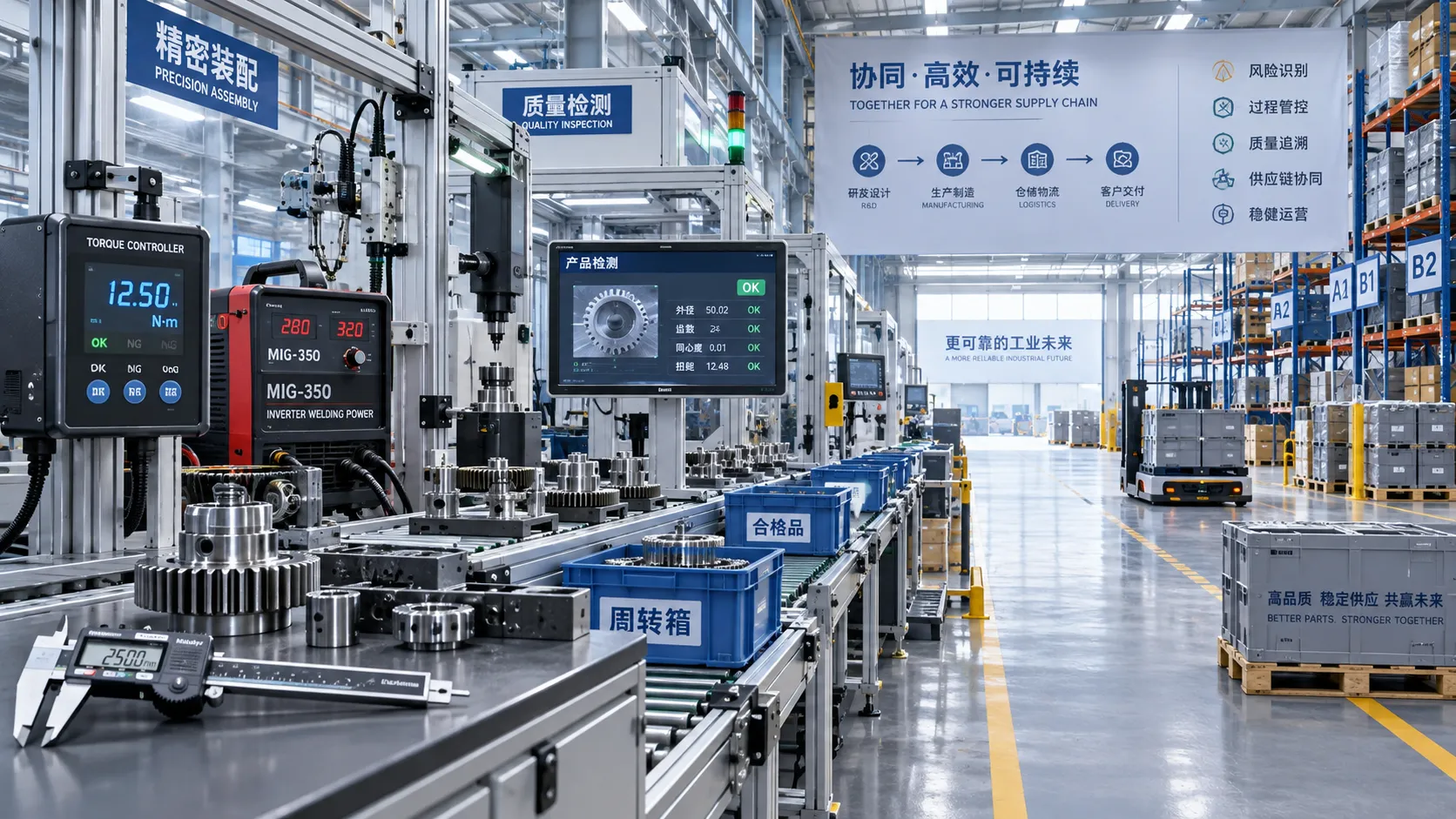
How Procurement Teams Can Map the Industrial Value Chain to Reduce Supply Risk
Industrial value chain procurement helps teams map hidden dependencies, qualify resilient sources, and reduce supply risk before disruptions stop production.

How Specification-Driven Articles Improve Precision Measurement System Selection
Specification-oriented articles precision measurement guidance helps teams compare accuracy, repeatability, environment, and data needs to select reliable systems with confidence.
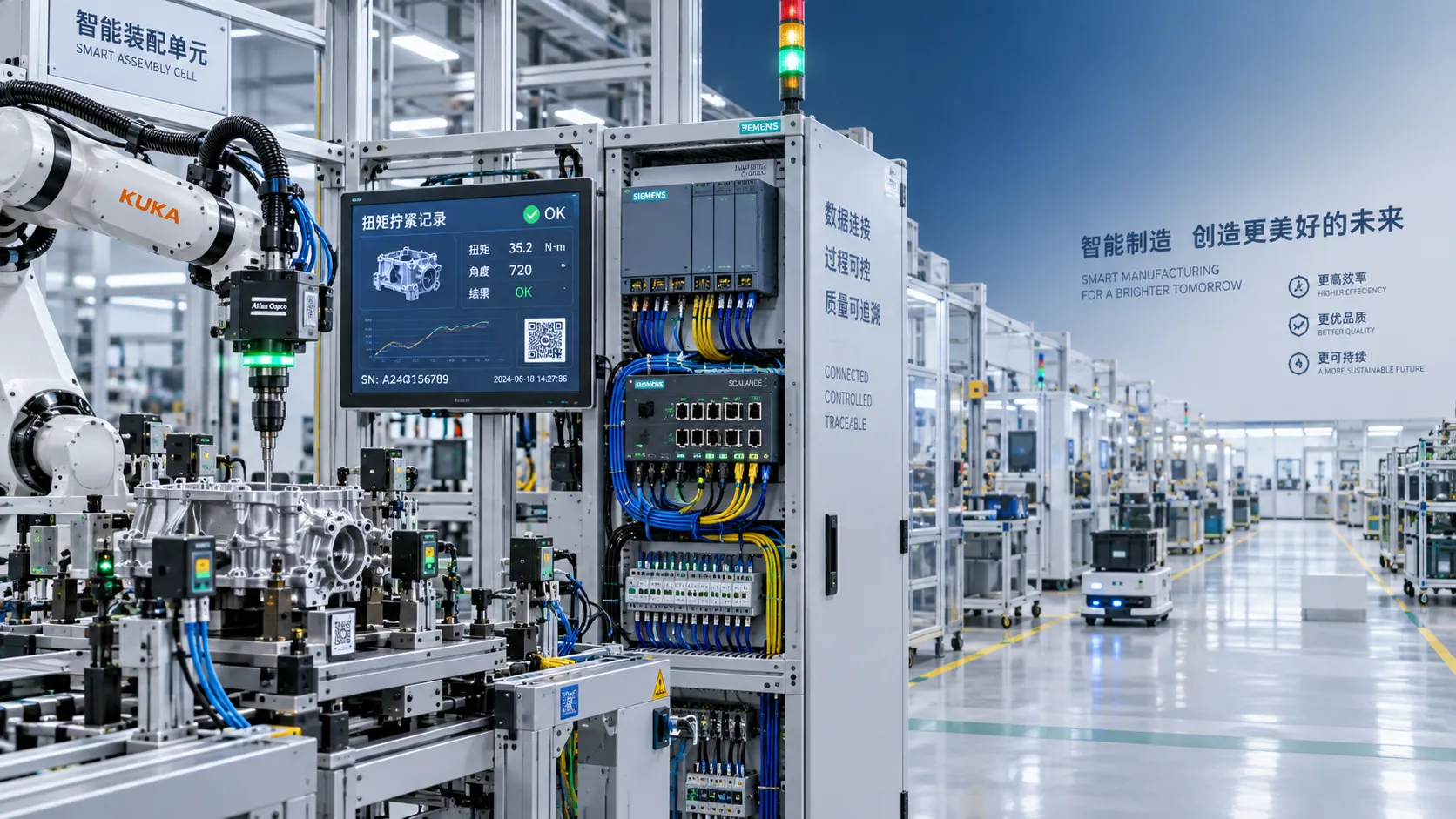
How to Evaluate a Technology Integration Service Provider for Complex Projects
Technology integration service provider selection guide: evaluate interface ownership, delivery discipline, scalable architecture, and risk control for complex projects.
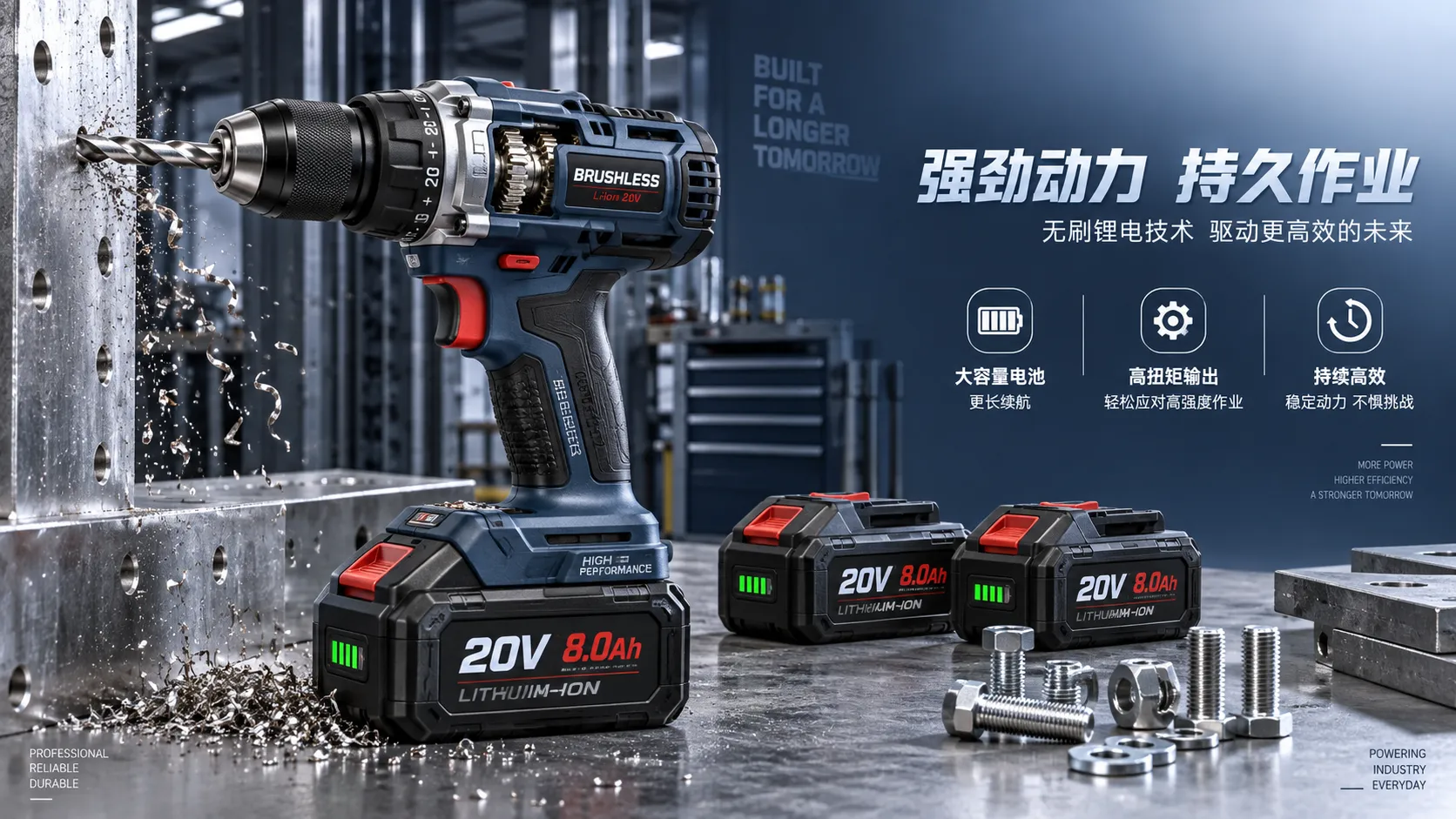
How Battery, Torque, and Duty Cycle Affect Cordless Power Tool Efficiency
Cordless power tool efficiency depends on battery output, torque, and duty cycle. Learn how to match tools to demanding jobs for stronger runtime and productivity.
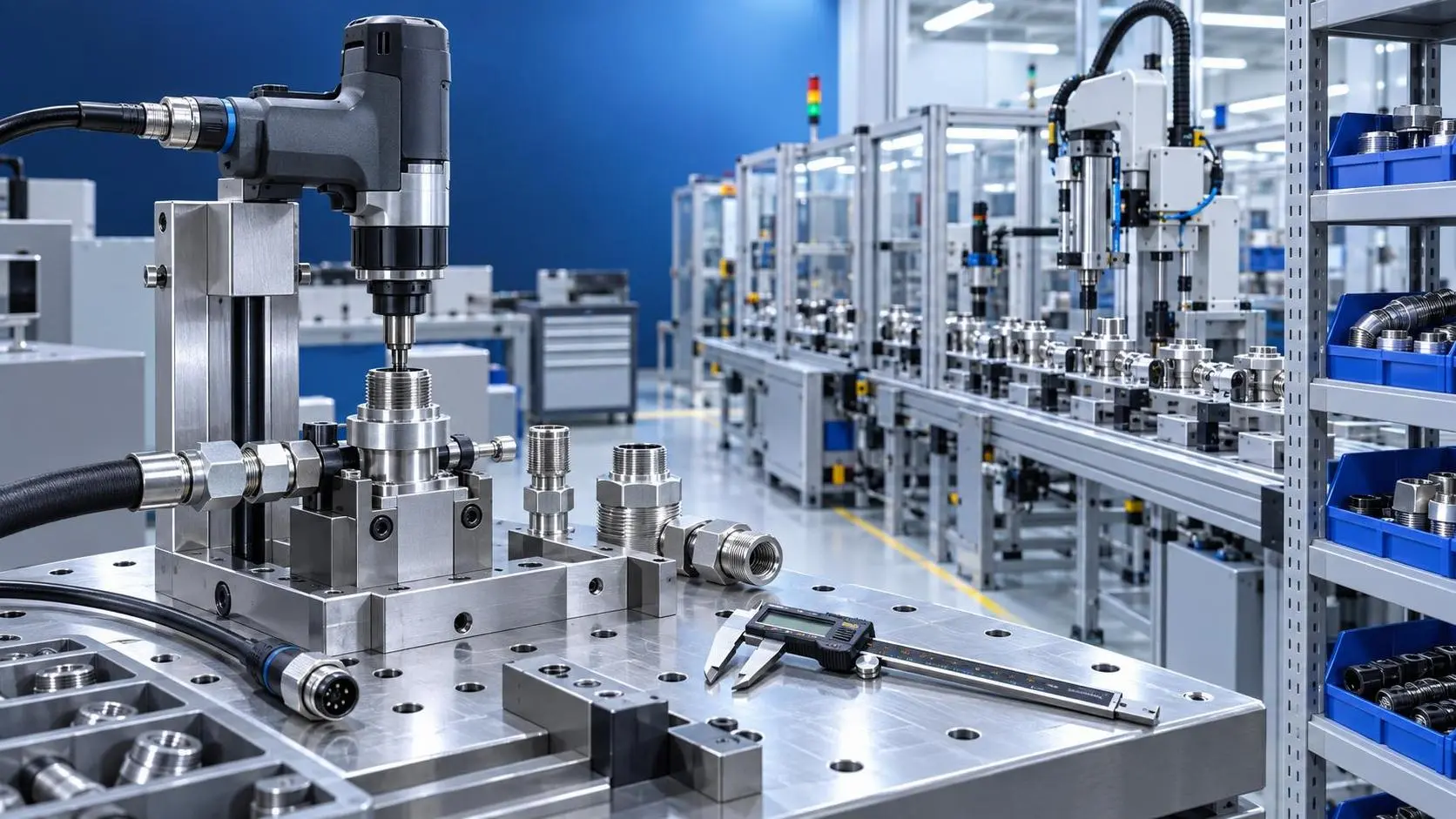
Product Comparison Resources for Component Compatibility and Lifecycle Risk
Product comparison resources for components: evaluate compatibility, interfaces, service support, and lifecycle risk to reduce downtime, avoid redesigns, and make confident sourcing decisions.

How to Select Vernier Precision Calipers for Tight-Tolerance Machining Inspection
Vernier precision calipers for tight-tolerance machining: learn how to select the right range, jaw design, accuracy, and verification process for reliable inspection.
Product Comparison Resources in Europe: How Buyers Can Verify Specs and Suppliers
Product comparison resources Europe: learn how to verify industrial specs, compliance claims, supplier credibility, and delivery risk for smarter purchasing decisions.

How to Evaluate an Industrial Metrology Solution Manufacturer for Production Use
Industrial metrology solution manufacturer evaluation guide for production: compare accuracy, traceability, automation, software, service, and acceptance testing to reduce risk.

Which ISO Standards Matter Most for Precision Engineering Quality Control?
Precision engineering ISO standards explained: discover how ISO 9001, ISO/IEC 17025, ISO 10012, GPS, and ISO 3834 strengthen quality control, traceability, and compliance.
Related News
- 00
0000-00
What Does Data-Driven Intelligence Cost? Budgeting for Data, Tools, and Talent - 00
0000-00
What Determines Metrology Technology Prices for Factory Inspection Systems? - 00
0000-00
Welding Tools Price Guide: What Affects Cost and How Buyers Can Compare Options - 00
0000-00
What Drives Industrial Tools Cost? A Buyer’s Guide to Materials, Volume, and Lifecycle Expenses - 00
0000-00
Brand Premiums in North America: What Drives Price Gaps in Industrial Tools?
Ms. Elena Rodriguez
Weekly Insights
Stay ahead with our curated technology reports delivered every Monday.