
What Drives Brand Premiums in Industrial Purchasing? Cost, Risk, and Supplier Trust





What Really Drives Brand Premiums in Industrial Purchasing?
In industrial purchasing, brand premiums rarely come from image alone.
They usually reflect a hard business trade-off.
A higher unit price may reduce failure costs, production delays, and compliance exposure.
That is why brand premiums matter in sectors tied to assembly, welding, metrology, and industrial maintenance.
The better question is not, “Why is this brand more expensive?”
It is, “Which costs disappear when the right supplier is chosen?”
That shift in thinking changes how procurement decisions should be evaluated.
It also explains why some brand premiums survive even during aggressive cost control cycles.
Cost Is More Than Purchase Price
On paper, lower bids often look attractive.
In practice, industrial cost is cumulative, not isolated.
A cheaper torque tool, gauge, or welding component can create hidden expenses within weeks.
Calibration drift, operator fatigue, inconsistent joints, and spare part shortages all erode savings.
This is where brand premiums start to make economic sense.
They can buy process stability, not just product ownership.
For industrial buyers, the real calculation should include total cost of ownership.
That means looking at the full operating footprint of the item across its useful life.
- Acquisition cost and payment terms
- Maintenance frequency and repair turnaround
- Downtime caused by failure or inconsistency
- Scrap, rework, and warranty exposure
- Training needs and operator adaptation time
- Regulatory, safety, and audit-related costs
Once these costs are visible, some brand premiums stop looking like premiums.
They look more like insurance against operational waste.
Risk Reduction Often Justifies Brand Premiums
Risk is usually the strongest driver behind durable brand premiums.
This becomes more obvious in high-mix, low-margin, or quality-sensitive operations.
A failed weld, an inaccurate measurement, or an unstable fastening process can affect entire batches.
The downstream consequences are rarely minor.
They often include production interruption, customer penalties, field failures, and damaged supplier ratings.
Brand premiums tend to hold up when they reduce these risk categories:
- Performance risk from inconsistent outputs
- Supply risk from weak inventory support
- Compliance risk tied to certification gaps
- Safety risk in demanding workshop conditions
- Reputation risk linked to customer-facing failures
In actual business settings, risk-adjusted sourcing is often more valuable than simple price compression.
That is especially true when industrial processes rely on repeatability.
Repeatability is where trusted brands usually earn their price position.
Supplier Trust Turns Price Into Predictability
Not all brand premiums come from the product itself.
A large portion comes from supplier trust.
Trust reduces decision friction before, during, and after purchase.
When distributors or manufacturers trust a supplier, they expect faster issue resolution and fewer unpleasant surprises.
That expectation has monetary value.
In industrial purchasing, supplier trust usually rests on visible proof:
- Stable quality records across production lots
- Responsive technical support
- Clear documentation and traceability
- Reliable lead times and stock visibility
- Transparent warranty and service policies
- Consistent handling of corrective actions
Recent market changes make this even more relevant.
Raw material volatility and export restrictions have exposed weak supplier networks.
In that environment, brand premiums often reflect resilience.
Buyers are paying for continuity, not branding theater.
Where Brand Premiums Show the Clearest Return
Brand premiums do not create equal value in every category.
The strongest return usually appears in items that influence throughput, safety, or quality verification.
That pattern is common across the industrial assembly and metal-joining landscape.
Examples include:
- Precision measuring tools with strict calibration needs
- Welding equipment where process consistency affects safety
- Torque control systems tied to product integrity
- Brushless power tools used in repetitive production
- Hydraulic equipment supporting critical maintenance tasks
In these categories, low-cost substitution can trigger large indirect losses.
This is why market intelligence matters.
Platforms such as GPTWM track evolutionary trends that reshape value assumptions.
Handheld laser welding safety, smart torque control, and metrology demand are not abstract topics.
They directly affect how brand premiums should be judged in sourcing decisions.
How to Evaluate Brand Premiums With a Financial Lens
A practical review process helps separate justified brand premiums from inflated pricing.
The goal is not to reject premium brands.
The goal is to verify where the premium creates measurable protection.
A simple five-step approach often works well:
- Define the operational consequence of failure.
- Quantify direct and indirect cost exposure.
- Compare supplier trust indicators.
- Review total cost across the asset life.
- Approve brand premiums only where protection is visible.
This approach keeps the discussion commercial, disciplined, and evidence-based.
When to Push Back on Brand Premiums
Not every premium deserves approval.
Some suppliers rely on legacy reputation while performance differences narrow.
That is a clear signal to challenge price positioning.
Push back when:
- Performance data shows little measurable difference
- Service levels are no better than lower-priced options
- Lead times remain unstable despite premium pricing
- Documentation and traceability are weak
- The item has low impact on quality or uptime
In these cases, brand premiums may reflect market habit rather than real value.
A disciplined sourcing review helps prevent overpaying for familiarity.
The Bottom Line for Better Sourcing Decisions
Brand premiums in industrial purchasing are usually earned through cost avoidance, risk control, and supplier trust.
When those three factors are strong, a higher upfront price can protect margins over time.
When they are weak, the premium should be challenged.
That is why better industrial sourcing depends on evidence, not assumptions.
Use market intelligence, supplier performance records, and total cost analysis together.
This creates a more reliable view of which brand premiums are justified.
For operations shaped by precision tools, welding systems, and metrology demands, that discipline matters even more.
The smartest approval decision is not the cheapest one first. It is the one that stays efficient longest.
Related News
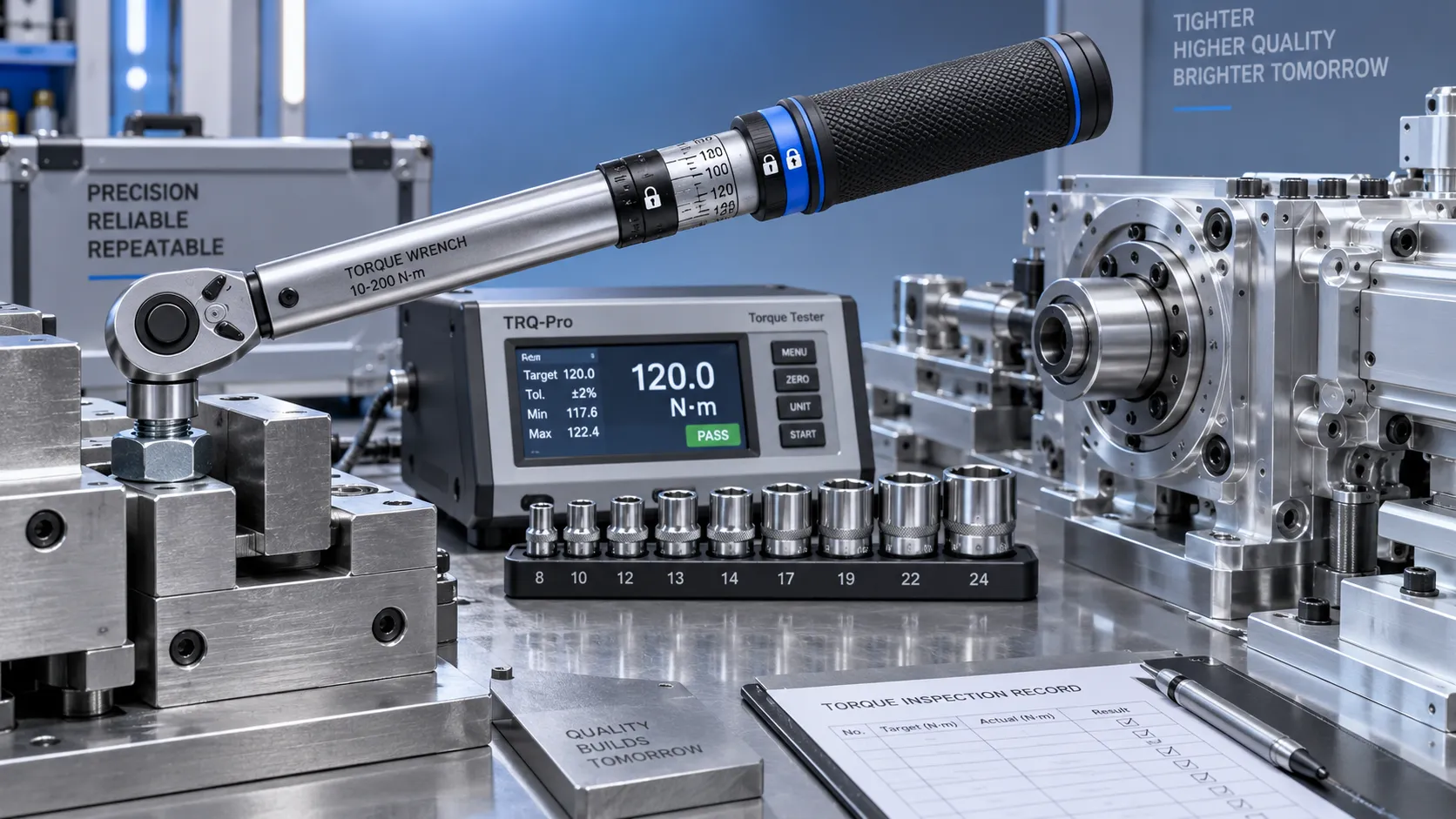
Selecting Adjustable Torque Tools for Repeatable Fastener Assembly
Adjustable torque tools: learn how to match range, accuracy, control methods, calibration, and ergonomics for repeatable, reliable fastener assembly.

How to Select Aerospace Inspection Tools for Aircraft Maintenance Tasks
Aerospace maintenance inspection tools: learn how to select reliable, traceable equipment for aircraft access, accuracy, calibration, and compliant maintenance decisions.

How to Select Wire Bonding Tools for Fine-Pitch Semiconductor Packaging
Explore semiconductor manufacturing tools for wire bonding and learn how to select precision solutions for fine-pitch packaging, reliable loops, accuracy, and yield.
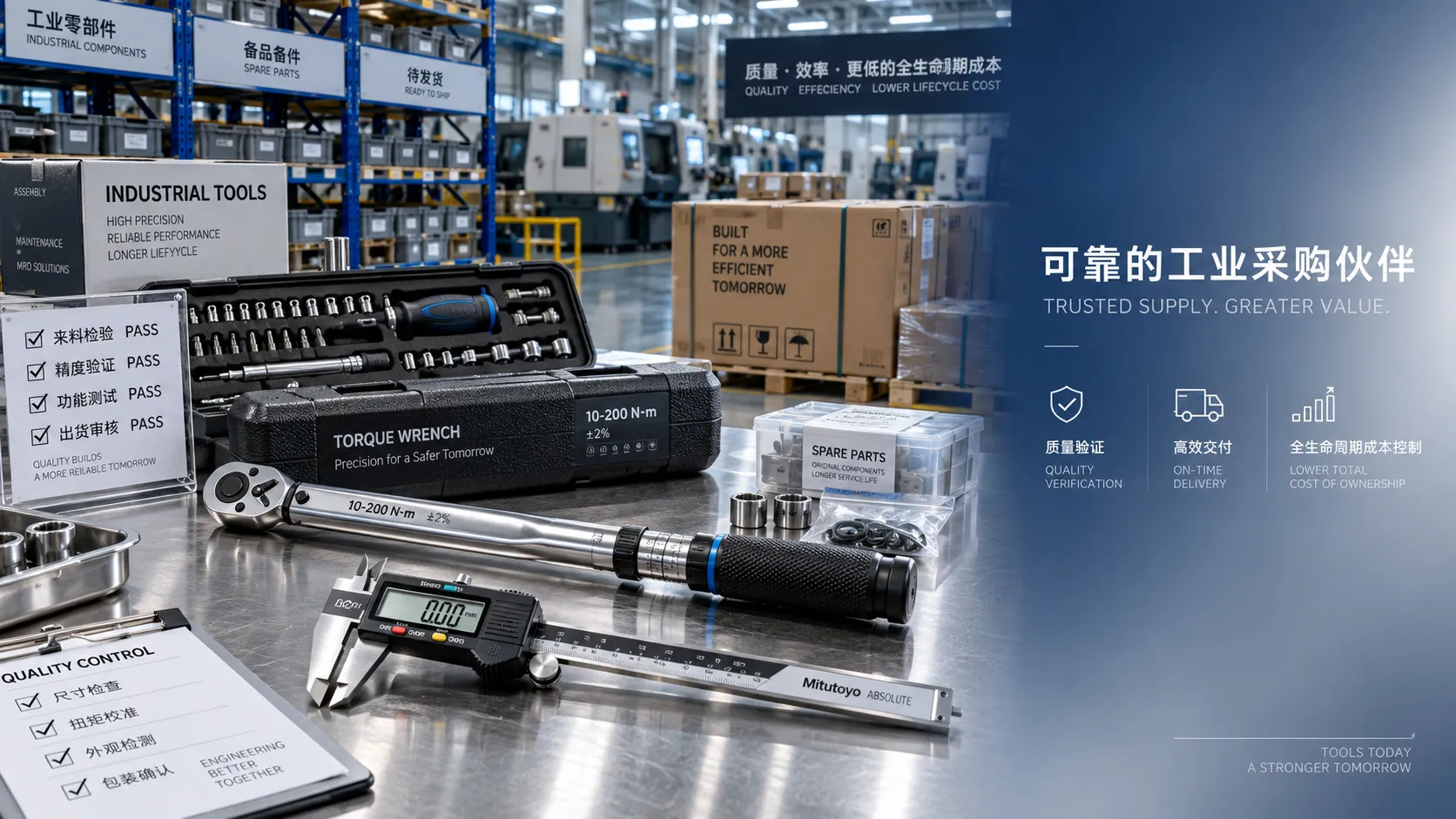
How to Compare Industrial Tool Suppliers for Quality, Lead Time, and Total Cost
Industrial tool selection supplier comparison made simple: evaluate quality, lead times, total cost, service, and supply resilience for confident sourcing decisions.

Industrial Equipment Application Guidance: Match Machines to Operating Conditions
Application guidance industrial equipment: match capacity, duty cycle, materials, site conditions, safety, and lifecycle cost to improve reliable output. Read the guide.
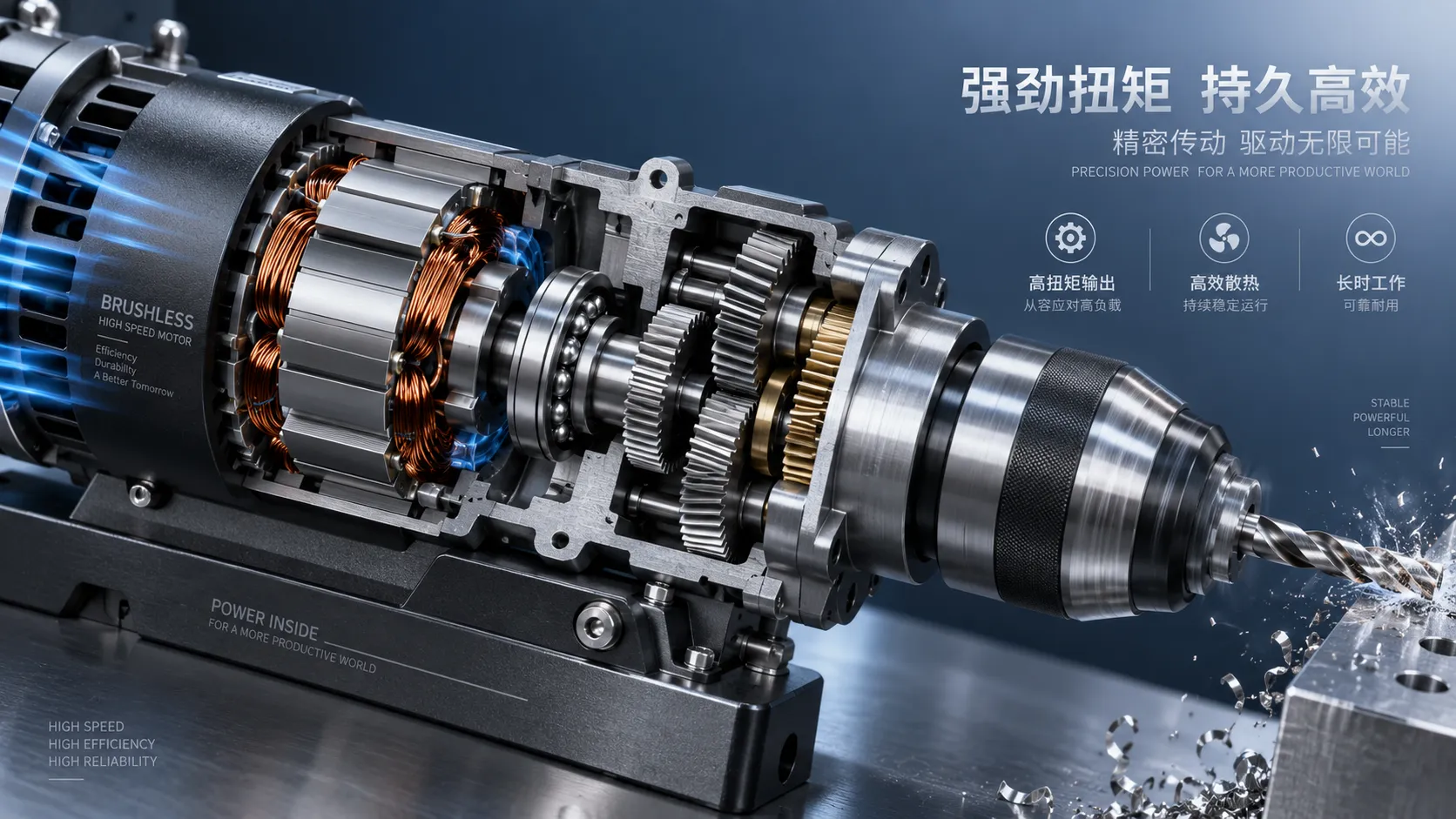
Selecting High-Speed Brushless Tool Motors for Torque, Heat, and Duty Cycle
High speed brushless tool motors: learn how to balance torque, heat, gearing, and duty cycle for reliable industrial tool performance and longer service life.
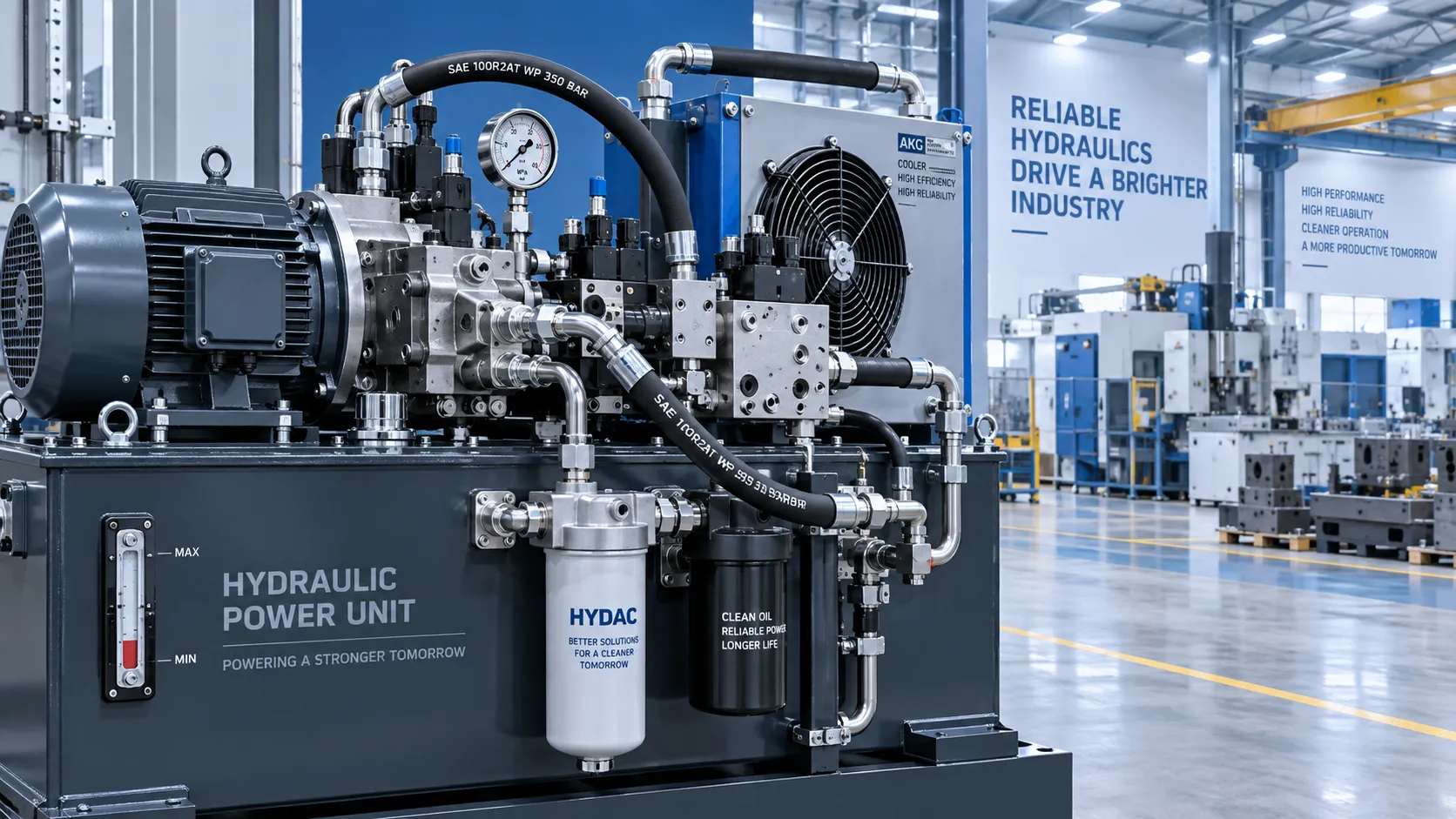
What Determines Industrial Hydraulic System Price for Heavy-Duty Equipment?
Industrial hydraulic system price depends on duty cycle, pressure, components, cooling, and integration. Compare quotes intelligently to secure reliable heavy-duty performance.

Welding Fume Extraction PPE: When Respirators Are Not Enough for Shop Safety
Welding fume extraction PPE: learn why respirators alone fall short and how source capture, ventilation, and layered controls improve shop safety.

How to Select Optical Metrology Solutions for Tight-Tolerance Manufacturing
Optical industrial metrology solutions for tight-tolerance manufacturing: evaluate accuracy, surface compatibility, workflow, and traceability to select with confidence.
Related News
- 00
0000-00
Why Data-Driven Intelligence Costs Are Reshaping Enterprise Automation Budgets - 00
0000-00
What Does Data-Driven Intelligence Cost? Budgeting for Data, Tools, and Talent - 00
0000-00
What Determines Metrology Technology Prices for Factory Inspection Systems? - 00
0000-00
Welding Tools Price Guide: What Affects Cost and How Buyers Can Compare Options - 00
0000-00
What Drives Industrial Tools Cost? A Buyer’s Guide to Materials, Volume, and Lifecycle Expenses
Ms. Elena Rodriguez
Weekly Insights
Stay ahead with our curated technology reports delivered every Monday.