
How Brand Premiums Affect Industrial Tool Pricing and Buyer Value Assessment





Why do brand premiums matter so much in industrial tool pricing?
In industrial sourcing, price tags rarely tell the full story. Brand premiums often reflect reputation, engineering discipline, supply stability, and service depth.
That said, a higher quote does not automatically mean higher buyer value. The real question is whether the premium reduces operational risk enough to justify the spend.
This is especially relevant for torque tools, welding equipment, metrology devices, and hydraulic systems. Small performance differences can create large downstream cost effects.
Across industrial assembly and metal joining, brand premiums usually come from four sources: tested performance, tighter tolerances, stronger support, and market trust.
GPTWM often frames this issue through intelligence rather than slogans. Its Strategic Intelligence Center tracks raw material shifts, safety adoption, export restrictions, and tool technology evolution.
That context matters because industrial tool pricing is shaped by more than branding alone. It is shaped by compliance pressure, maintenance expectations, and production continuity.
When is a brand premium actually paying for measurable value?
A premium brand becomes rational when failure costs are high. In those cases, consistency matters more than the lowest initial purchase price.
Think about a calibrated measuring tool used in aerospace maintenance. If repeatability drifts, rework, audit exposure, and delayed approvals can quickly exceed the premium paid upfront.
The same logic applies to welding systems. Better thermal control, safety design, and consumable compatibility may protect both throughput and operator reliability.
In actual evaluation, the better question is not, “Is this brand expensive?” It is, “What costs disappear if this brand performs as promised?”
- Lower calibration drift and fewer rejected parts
- Less downtime caused by premature component wear
- Faster spare parts access across multiple sites
- Reduced training burden for operators and technicians
- Better documentation for audits and export compliance
If those gains are visible and frequent, brand premiums may improve total value. If they stay theoretical, the premium is harder to defend.
What exactly should be compared beyond the quoted tool price?
A fair comparison needs a wider lens. Industrial tool pricing should be measured through lifecycle cost, not invoice cost alone.
More common buyer mistakes come from comparing specifications without comparing support conditions. Two tools can look similar on paper and perform very differently over time.
The table below helps separate justified brand premiums from cosmetic price inflation.
This kind of comparison is where brand premiums become clearer. Some brands charge more because they genuinely control variables that cheaper options leave unresolved.
Are premium brands always the safest choice for industrial sourcing?
Not always. A premium label can still be misaligned with the application, especially when usage intensity is moderate and failure consequences are limited.
For example, a high-end digital torque platform may be excellent for traceable assembly lines. It may be excessive for occasional maintenance work with limited data requirements.
The reverse can also happen. A lower-cost tool may seem efficient until spare parts become unavailable or calibration intervals prove too unstable.
A more grounded approach is to separate critical tools from standard tools. Not every category deserves the same tolerance for risk.
- Use premium brands where precision loss stops production
- Use stronger service-backed brands in regulated environments
- Consider mid-tier options for low-frequency tasks
- Review total support cost before approving “budget” alternatives
This is where market intelligence helps. GPTWM’s reporting on construction, automotive, and aerospace maintenance demand can reveal where brand premiums are expanding for structural reasons.
If safety rules tighten around handheld laser welding or intelligent torque control, pricing may rise for reasons tied to compliance and reliability, not just brand visibility.
Which warning signs suggest the premium is mostly marketing, not value?
There are a few patterns worth watching. One is when the brand story is strong but the support structure is vague.
Another is when the quoted premium is large, yet there is little evidence on durability, cycle life, calibration behavior, or field service response.
In practical terms, questionable brand premiums often show up through missing details rather than obvious flaws.
A few useful red flags
- Warranty terms are broad in language but narrow in coverage
- Spare part pricing is hidden until after tool adoption
- Performance claims rely on lab language without field references
- Local service partners lack calibration or repair capability
- Newer models break compatibility with existing accessories
A useful discipline is to ask each supplier for proof tied to actual use. Cycle count, drift data, repair turnaround, and consumable availability often reveal more than brochures.
How can buyer value be assessed in a more practical, repeatable way?
The simplest method is to score brand premiums against risk exposure. That turns a subjective debate into a usable sourcing framework.
Start with application criticality. Then add service dependence, compliance demands, replacement frequency, and production loss per hour.
After that, compare each supplier using the same logic. A structured review often reveals that the cheapest tool is not the lowest-cost option.
A practical checklist before approving brand premiums
- Define acceptable failure cost for each tool category
- Estimate service downtime in days, not assumptions
- Verify calibration intervals and recertification costs
- Review accessory, battery, consumable, and software lock-in
- Check whether the brand supports future process upgrades
This is also where GPTWM’s commercial insights can add value. Intelligence on demand shifts, safety trends, and export restrictions helps validate whether current pricing pressure is temporary or structural.
That matters because brand premiums are not static. They can rise with material volatility, certification pressure, or the growing adoption of connected industrial tools.
So, how should brand premiums shape the final sourcing decision?
Brand premiums should influence the decision, but they should not dominate it. The strongest choice is usually the one that matches technical risk with commercial discipline.
If a premium brand delivers stable output, shorter downtime, stronger documentation, and reliable service, the extra cost may be fully justified.
If those benefits are uncertain, the premium should be challenged with evidence. Industrial tool pricing deserves verification, not assumptions.
A sensible next step is to group tools by criticality, build a comparison sheet around lifecycle cost, and review where brand premiums truly protect value.
For more complex categories such as welding systems, precision metrology, and intelligent assembly tools, it also helps to track market signals through sources like GPTWM, where pricing, technology, and operational risk are examined together.
That approach leads to better sourcing decisions: less guesswork, clearer justification, and stronger buyer value over the full operating cycle.
Related News
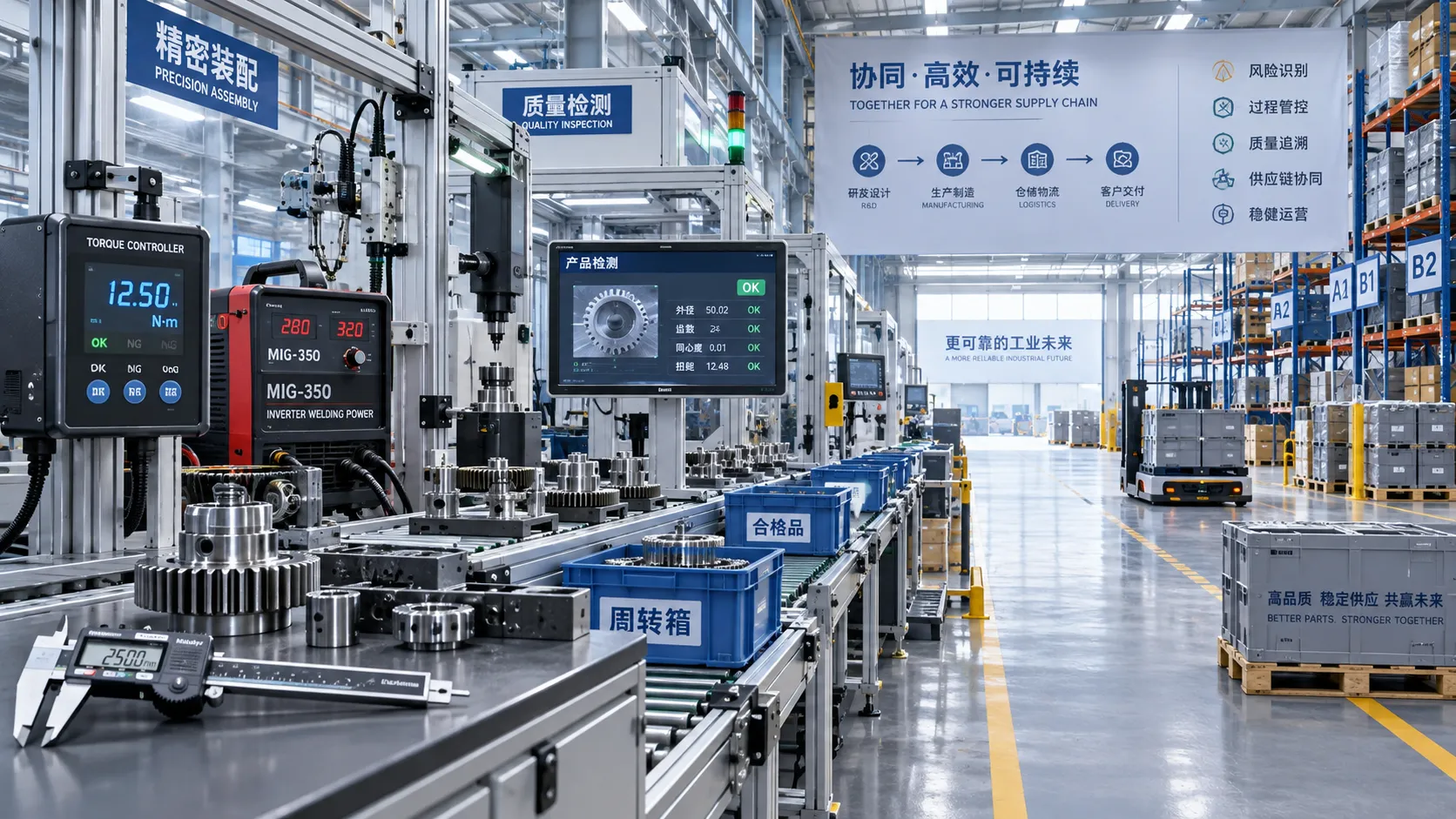
How Procurement Teams Can Map the Industrial Value Chain to Reduce Supply Risk
Industrial value chain procurement helps teams map hidden dependencies, qualify resilient sources, and reduce supply risk before disruptions stop production.

How Specification-Driven Articles Improve Precision Measurement System Selection
Specification-oriented articles precision measurement guidance helps teams compare accuracy, repeatability, environment, and data needs to select reliable systems with confidence.

How to Evaluate a Technology Integration Service Provider for Complex Projects
Technology integration service provider selection guide: evaluate interface ownership, delivery discipline, scalable architecture, and risk control for complex projects.
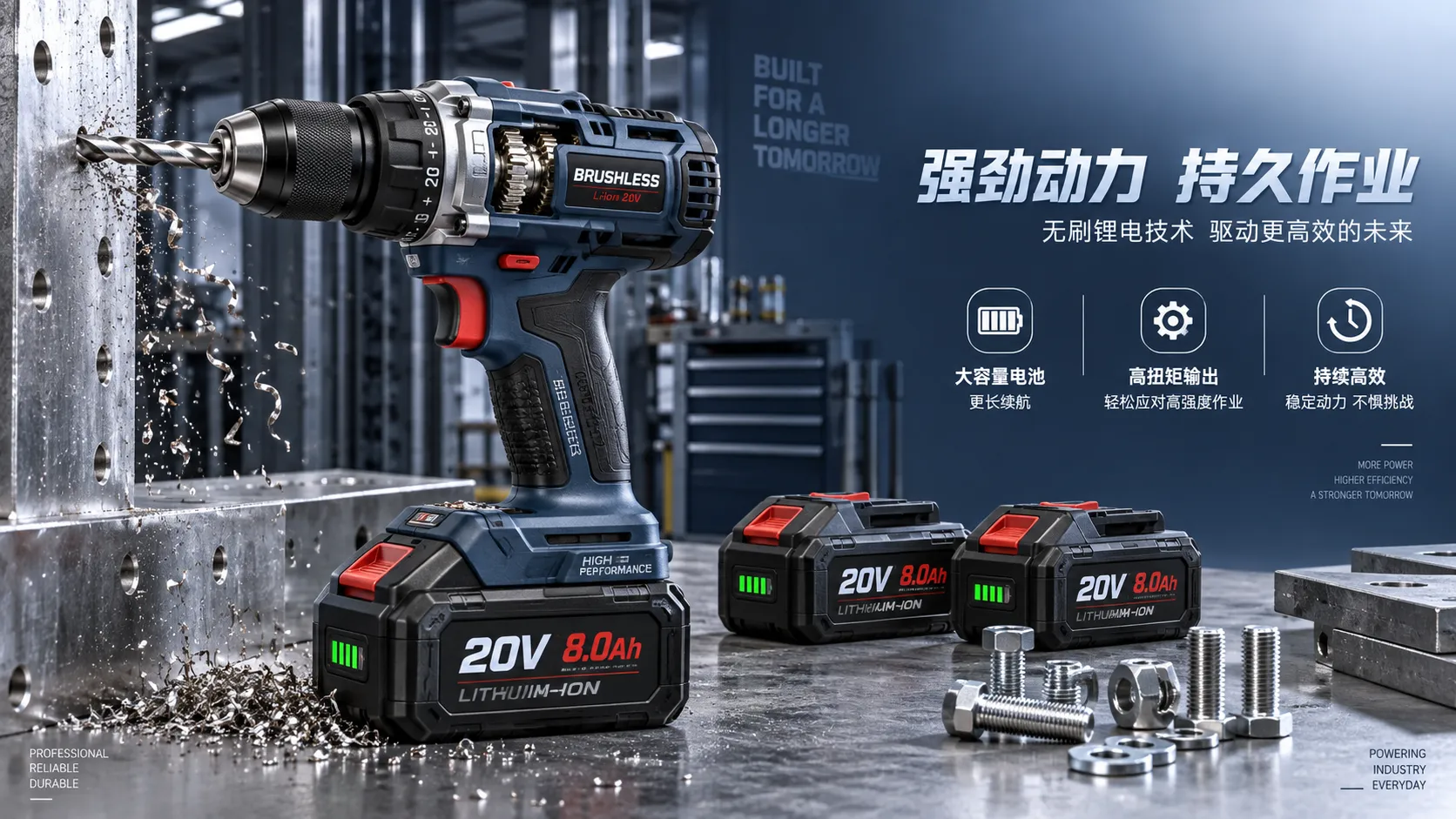
How Battery, Torque, and Duty Cycle Affect Cordless Power Tool Efficiency
Cordless power tool efficiency depends on battery output, torque, and duty cycle. Learn how to match tools to demanding jobs for stronger runtime and productivity.

Product Comparison Resources for Component Compatibility and Lifecycle Risk
Product comparison resources for components: evaluate compatibility, interfaces, service support, and lifecycle risk to reduce downtime, avoid redesigns, and make confident sourcing decisions.
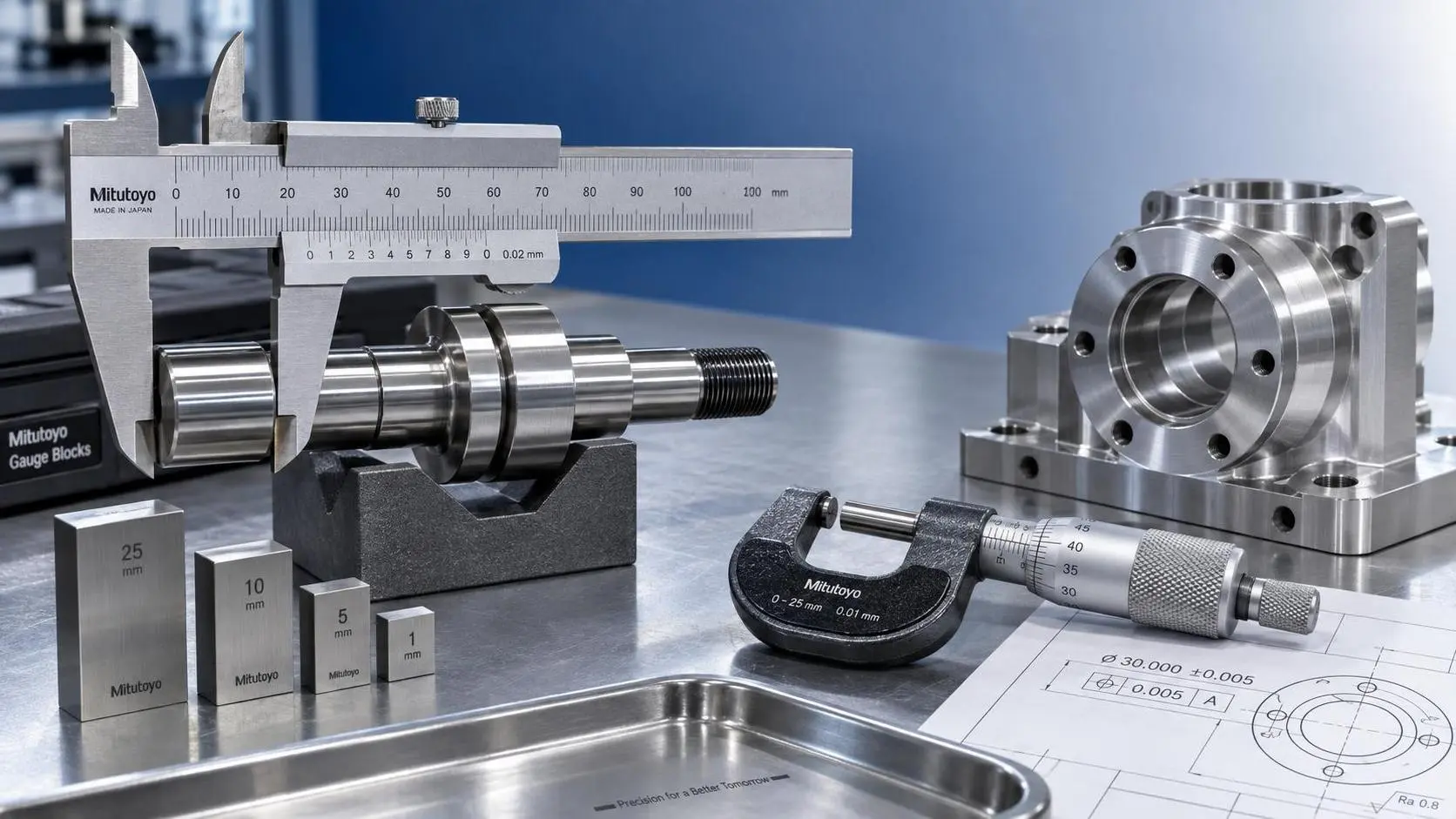
How to Select Vernier Precision Calipers for Tight-Tolerance Machining Inspection
Vernier precision calipers for tight-tolerance machining: learn how to select the right range, jaw design, accuracy, and verification process for reliable inspection.
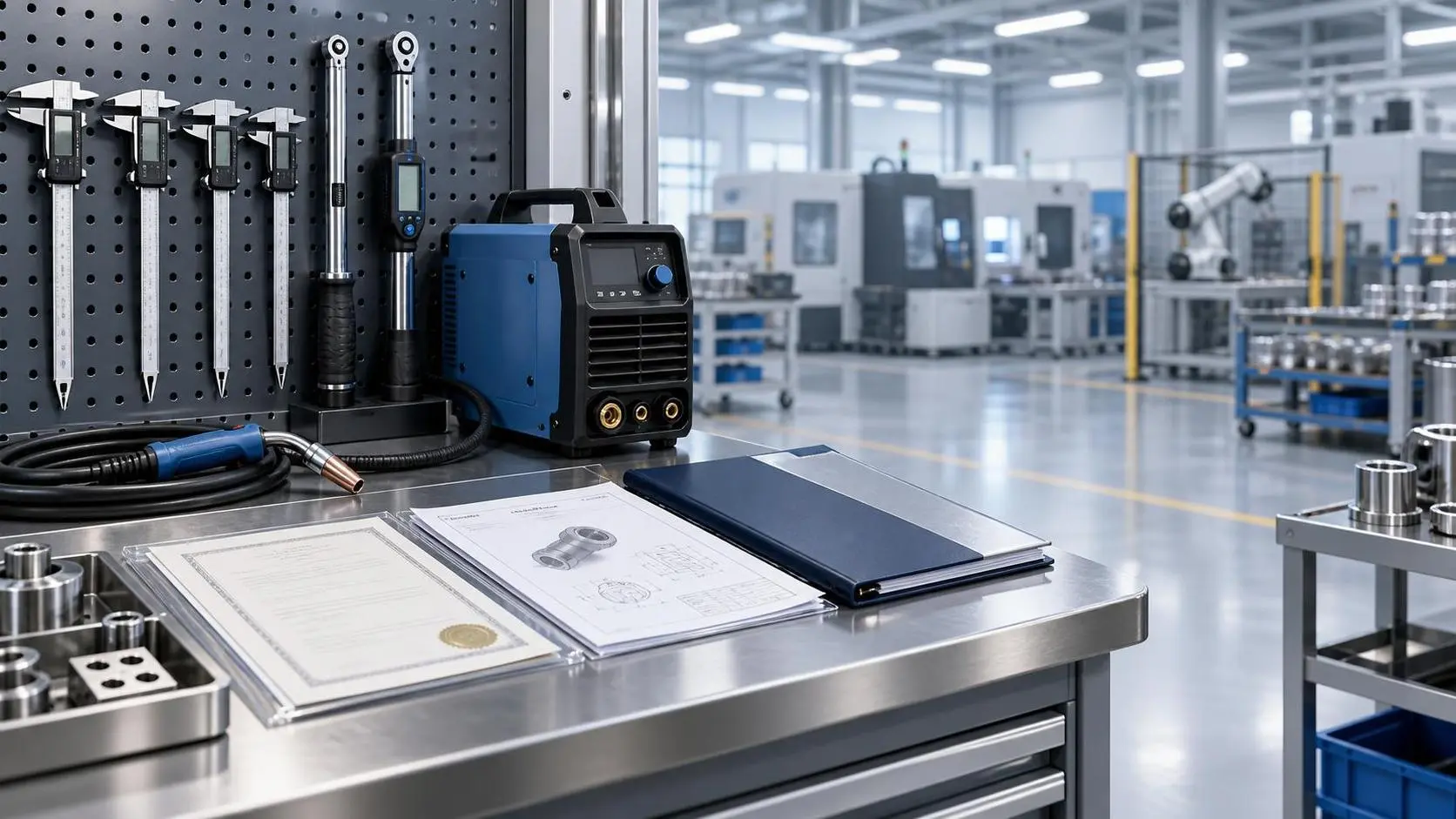
Product Comparison Resources in Europe: How Buyers Can Verify Specs and Suppliers
Product comparison resources Europe: learn how to verify industrial specs, compliance claims, supplier credibility, and delivery risk for smarter purchasing decisions.

How to Evaluate an Industrial Metrology Solution Manufacturer for Production Use
Industrial metrology solution manufacturer evaluation guide for production: compare accuracy, traceability, automation, software, service, and acceptance testing to reduce risk.

Which ISO Standards Matter Most for Precision Engineering Quality Control?
Precision engineering ISO standards explained: discover how ISO 9001, ISO/IEC 17025, ISO 10012, GPS, and ISO 3834 strengthen quality control, traceability, and compliance.
Related News
- 00
0000-00
What Does Data-Driven Intelligence Cost? Budgeting for Data, Tools, and Talent - 00
0000-00
What Determines Metrology Technology Prices for Factory Inspection Systems? - 00
0000-00
Welding Tools Price Guide: What Affects Cost and How Buyers Can Compare Options - 00
0000-00
What Drives Industrial Tools Cost? A Buyer’s Guide to Materials, Volume, and Lifecycle Expenses - 00
0000-00
Brand Premiums in North America: What Drives Price Gaps in Industrial Tools?
Ms. Elena Rodriguez
Weekly Insights
Stay ahead with our curated technology reports delivered every Monday.