
Metalworking tools costs vary more than most buyers expect





Many procurement teams underestimate how widely metalworking tools costs can swing across brands, specifications, compliance standards, and long-term operating demands. For buyers comparing welding, cutting, fastening, and precision measuring equipment, the real challenge is not just price—it is identifying total value. This article explores the key cost drivers behind metalworking tools and helps purchasing professionals make smarter, lower-risk sourcing decisions.
Why do metalworking tools prices vary so much in real procurement?
In industrial sourcing, the gap between the lowest quote and the most suitable quote can be large. Metalworking tools often look similar in catalogs, yet their actual cost structure differs because the tool itself is only one part of the buying decision.
For procurement teams, this difference becomes more visible when comparing hand tools, power tools, welding systems, torque tools, hydraulic devices, and precision measuring instruments across multiple suppliers and regions.
GPTWM tracks these shifts through its Strategic Intelligence Center, where raw material movements, export restrictions, ergonomic trends, motor efficiency limits, and industrial safety changes are monitored as signals that affect sourcing outcomes.
- Material inputs matter. Steel grade, carbide quality, copper content, battery cells, sensor components, and electronics can sharply raise manufacturing cost.
- Process complexity matters. Heat treatment, machining precision, calibration, insulation design, and tool balancing influence both unit price and service life.
- Compliance matters. CE-related safety expectations, ISO-aligned quality systems, and market-specific documentation can change the landed cost of metalworking tools.
- Application risk matters. Tools used in aerospace maintenance or regulated fabrication environments must often meet tighter consistency and traceability requirements.
The main pricing layers buyers should separate
A practical way to assess metalworking tools is to separate visible price from embedded cost. Purchase teams that do this early usually avoid expensive reorders, premature failures, and production line interruptions.
- Base acquisition cost: the quoted unit price, accessories, packaging, and freight terms.
- Deployment cost: calibration, operator training, commissioning, safety checks, and spare consumables.
- Operating cost: consumables, energy use, wear parts, maintenance, and downtime exposure.
- Risk cost: failed inspections, rework, rejected welds, inaccurate measurement, and delayed delivery to end customers.
Which cost drivers have the biggest impact on metalworking tools?
The following table summarizes the cost drivers that most often explain why one set of metalworking tools is priced far above another. It is especially useful when comparing quotes that seem inconsistent.
This comparison shows why metalworking tools cannot be judged by catalog price alone. In many industrial settings, the more expensive option delivers a lower total cost over the tool’s service life.
Raw material volatility is not a minor issue
Buyers often focus on labor or factory location, but volatile input markets can alter pricing faster than expected. In welding and cutting equipment, copper, power electronics, shielding components, and battery modules can move quotations within short cycles.
GPTWM’s sector intelligence is valuable here because procurement teams need context, not only quotes. If a price increase is tied to a broad raw material shift or new export restrictions, it should be evaluated differently from a supplier-specific markup.
How should buyers compare low-cost and premium metalworking tools?
Not every application needs the highest-spec solution. However, not every low-cost option is economical. The right decision depends on production frequency, precision tolerance, safety exposure, and downstream failure cost.
The table below gives procurement teams a practical side-by-side framework for comparing metalworking tools beyond headline price.
The decision should not be framed as cheap versus expensive. It should be framed as fit-for-purpose versus under-specified or over-specified metalworking tools.
A common procurement mistake: buying by tool category only
A welding torch for repair tasks and a welding torch for repetitive fabrication may belong to the same category, but the duty cycle, thermal load, operator fatigue, and safety controls can be very different.
The same is true for calipers, torque tools, grinders, cutters, and hydraulic crimping systems. Procurement teams should define the process demand before requesting quotes. Otherwise, supplier comparisons become misleading.
What should procurement teams check before approving metalworking tools?
A disciplined sourcing checklist reduces risk. It also improves internal alignment between purchasing, operations, maintenance, quality, and safety teams.
Core selection criteria
- Application definition: identify material type, thickness, tolerance, joining method, duty cycle, and environment before shortlisting metalworking tools.
- Performance fit: review torque range, cutting depth, motor type, measurement accuracy, thermal behavior, and repeatability instead of relying on generic product descriptions.
- Lifecycle support: confirm consumables, spare parts, calibration service, repair options, and operator training requirements.
- Commercial terms: compare lead time, minimum order quantity, packaging standard, warranty scope, and replacement policy.
- Documentation and compliance: verify manuals, traceability records, test reports, and labeling needed for the destination market or project owner.
Questions worth asking suppliers
- What failure modes are most common in this tool under similar operating conditions?
- Which components are considered wear parts, and what is the average replacement interval?
- Is calibration, verification, or safety inspection required after delivery or during use?
- How stable is pricing if raw material costs or export requirements change next quarter?
- What is the practical lead time for spares, not just for the initial shipment?
How do standards, safety, and compliance influence metalworking tools cost?
Compliance is frequently underestimated during budget planning. Yet for many buyers, especially those sourcing across borders, it becomes a decisive cost variable. Documentation gaps can delay customs, project acceptance, or internal approval.
In sectors using welding systems, electrically powered assembly tools, or precision metrology equipment, safety and documentation may be as important as performance. GPTWM closely follows these developments because regulatory changes often reshape tool selection and supplier viability.
Typical compliance areas buyers should review
- Electrical safety requirements for powered metalworking tools, especially where voltage, insulation, and workplace safety practices vary by market.
- Calibration and measurement traceability expectations for micrometers, calipers, gauges, and torque verification equipment.
- Operator protection factors in welding and laser-related equipment, including shielding, ventilation considerations, and safe-use instructions.
- Product labeling, manuals, and origin-related records required by importers, distributors, or end-use industries.
Paying more for properly documented metalworking tools can be justified when the alternative is shipment delay, internal nonconformance, or rejected installation.
Where do total ownership costs usually hide?
For buyers under budget pressure, hidden cost is the biggest trap. A low initial price can mask recurring losses that are not visible in the first comparison sheet.
Most overlooked cost elements
- Unplanned downtime when a tool fails in the middle of a maintenance window or production batch.
- Scrap or rework caused by unstable cutting quality, poor weld consistency, or inaccurate measurement results.
- Higher consumable burn rate because the tool is not optimized for the application or operator load.
- Frequent replacement purchases due to short service life or unavailable repair parts.
- Internal labor cost for troubleshooting, requalification, or repeated supplier communication.
This is why metalworking tools should be reviewed as assets within a process, not isolated line items. GPTWM supports this approach by connecting market intelligence with real operational considerations in assembly, joining, and precision inspection environments.
FAQ: what do buyers ask most often about metalworking tools?
How can I tell whether a higher-priced tool is actually worth it?
Check whether the premium reduces a measurable business risk. For example, better repeatability, lower failure rate, easier calibration, or shorter maintenance downtime can justify a higher price in high-utilization operations.
Are metalworking tools from different suppliers comparable if the specifications look similar?
Not always. Similar headline specifications may hide differences in internal component grade, thermal management, ergonomic design, safety margin, service network, and documentation quality. Procurement should request comparable technical and support details.
What matters more for purchasing: upfront price or lifecycle cost?
That depends on usage intensity and process criticality. For occasional maintenance work, upfront price may carry more weight. For daily production or quality-critical applications, lifecycle cost is usually the better decision metric.
When should buyers involve technical teams before ordering?
As early as possible. If engineering, maintenance, quality, and safety join the review before quotation comparison, it becomes easier to avoid under-specification, compliance gaps, and avoidable change orders.
Why work with GPTWM when evaluating metalworking tools?
GPTWM is built for decision-makers who need more than product lists. Its intelligence model focuses on the last mile of industrial manufacturing, where craftsmanship, safety, precision, and delivery pressure all affect buying outcomes.
Through its Strategic Intelligence Center, GPTWM helps procurement teams interpret market shifts around industrial assembly, metal joining, and precision metrology technologies. That includes raw material fluctuation signals, export-standard restrictions, handheld laser welding safety developments, brushless motor efficiency limits, and IoT-based torque control trends.
What you can consult with us about
- Parameter confirmation for metalworking tools used in welding, fastening, cutting, measuring, and hydraulic operations.
- Product selection support based on duty cycle, precision level, compliance needs, and operating environment.
- Lead time and supply risk review when delivery schedules are tight or cross-border sourcing is involved.
- Custom solution discussion where standard tools do not fully match the process requirement.
- Certification and documentation checkpoints for target markets, distributors, or project owners.
- Sample support and quotation communication to improve internal validation before larger purchasing commitments.
If your team is comparing metalworking tools and finding that quotes, specifications, and compliance expectations do not line up clearly, GPTWM can help turn fragmented supplier data into a more confident sourcing decision.
Related News
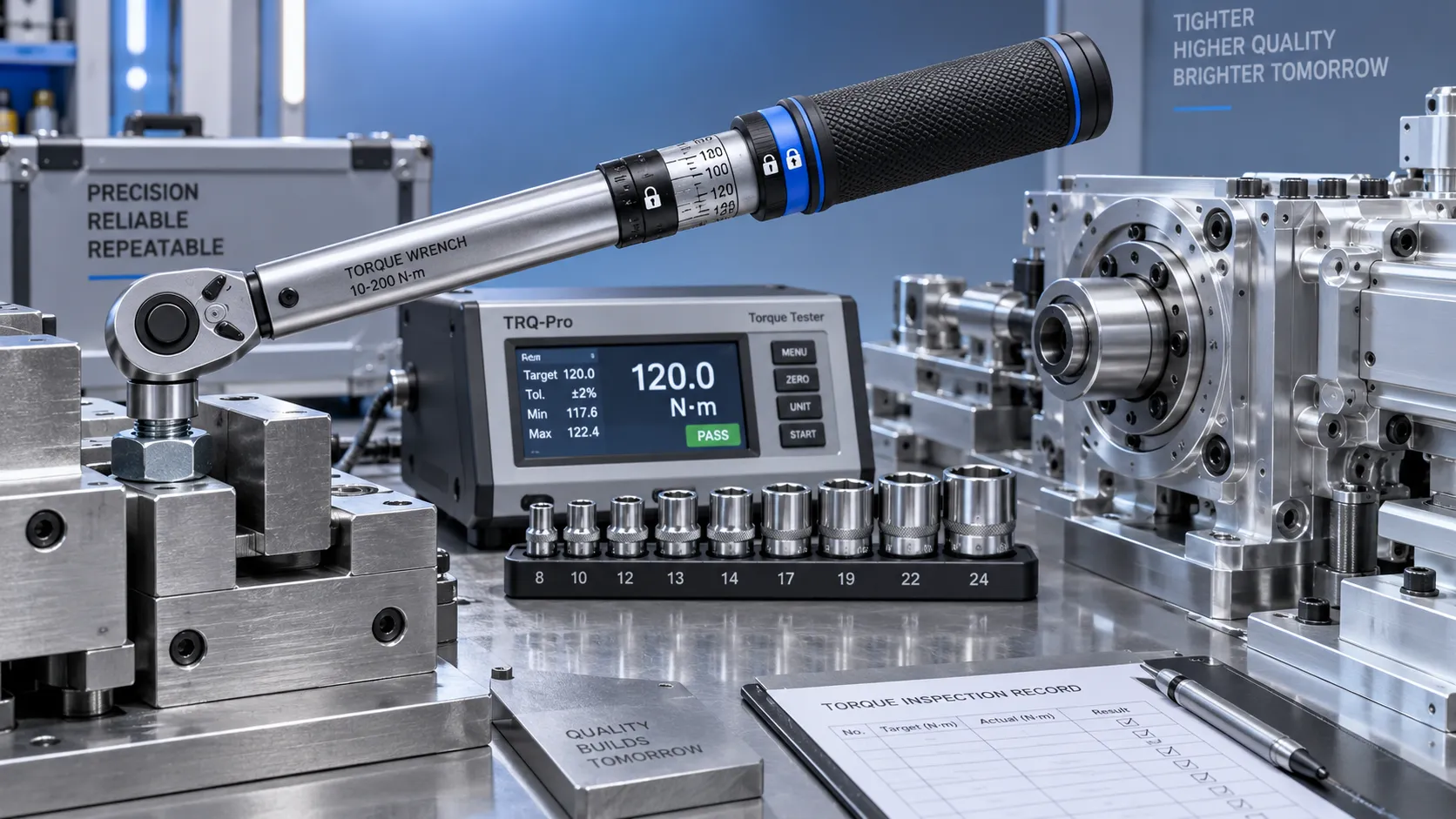
Selecting Adjustable Torque Tools for Repeatable Fastener Assembly
Adjustable torque tools: learn how to match range, accuracy, control methods, calibration, and ergonomics for repeatable, reliable fastener assembly.

How to Select Aerospace Inspection Tools for Aircraft Maintenance Tasks
Aerospace maintenance inspection tools: learn how to select reliable, traceable equipment for aircraft access, accuracy, calibration, and compliant maintenance decisions.

How to Select Wire Bonding Tools for Fine-Pitch Semiconductor Packaging
Explore semiconductor manufacturing tools for wire bonding and learn how to select precision solutions for fine-pitch packaging, reliable loops, accuracy, and yield.
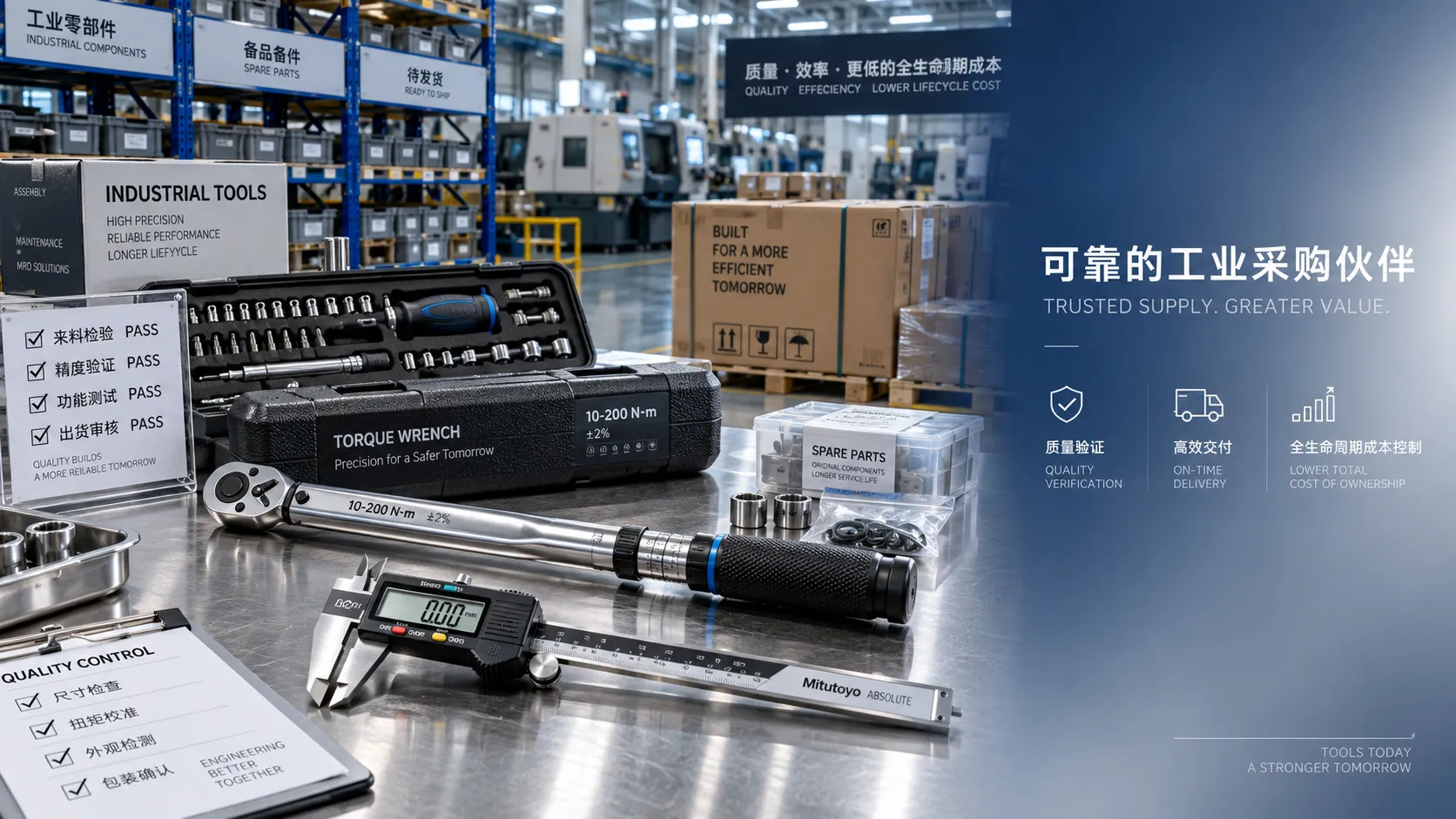
How to Compare Industrial Tool Suppliers for Quality, Lead Time, and Total Cost
Industrial tool selection supplier comparison made simple: evaluate quality, lead times, total cost, service, and supply resilience for confident sourcing decisions.
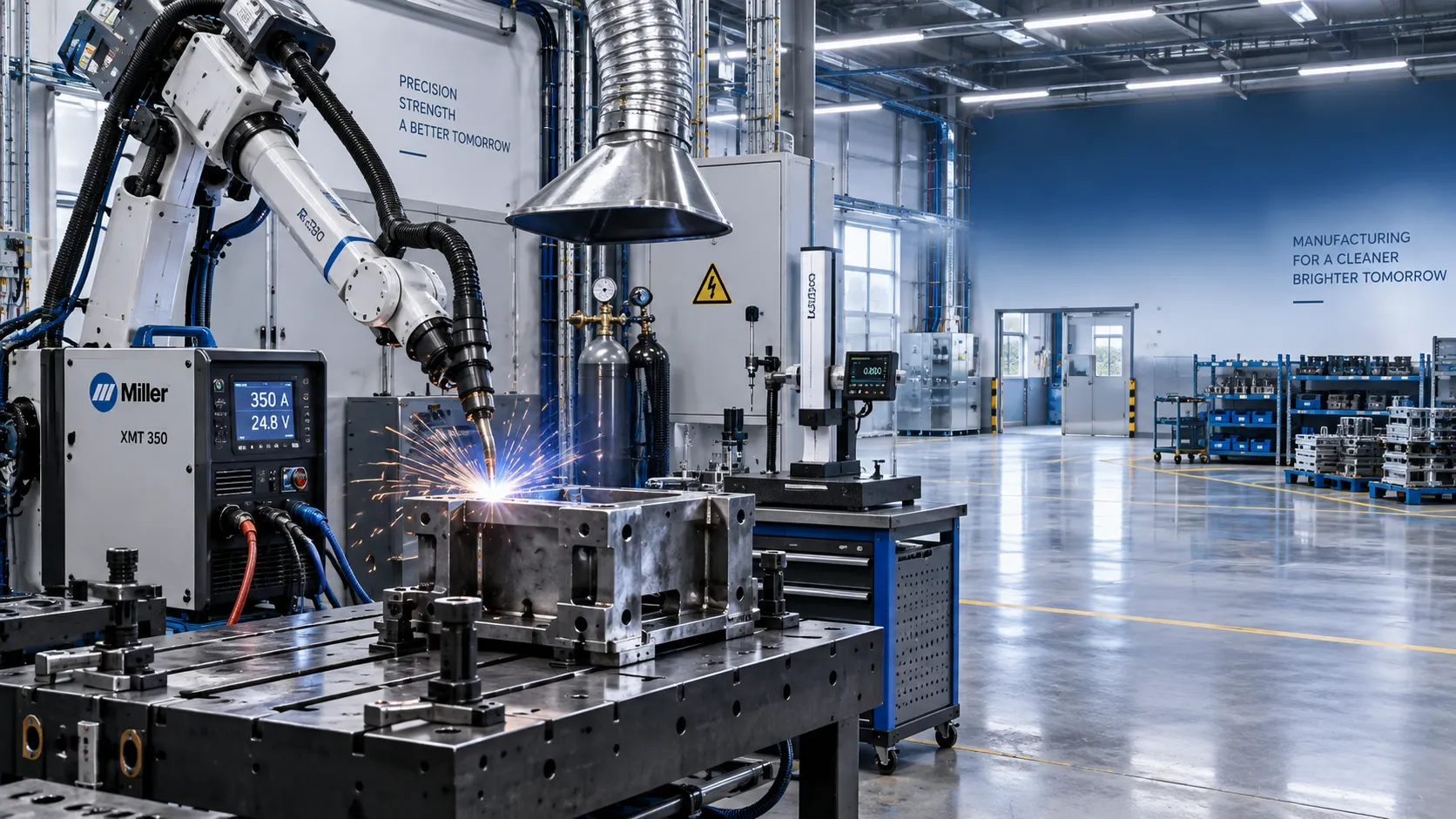
Industrial Equipment Application Guidance: Match Machines to Operating Conditions
Application guidance industrial equipment: match capacity, duty cycle, materials, site conditions, safety, and lifecycle cost to improve reliable output. Read the guide.
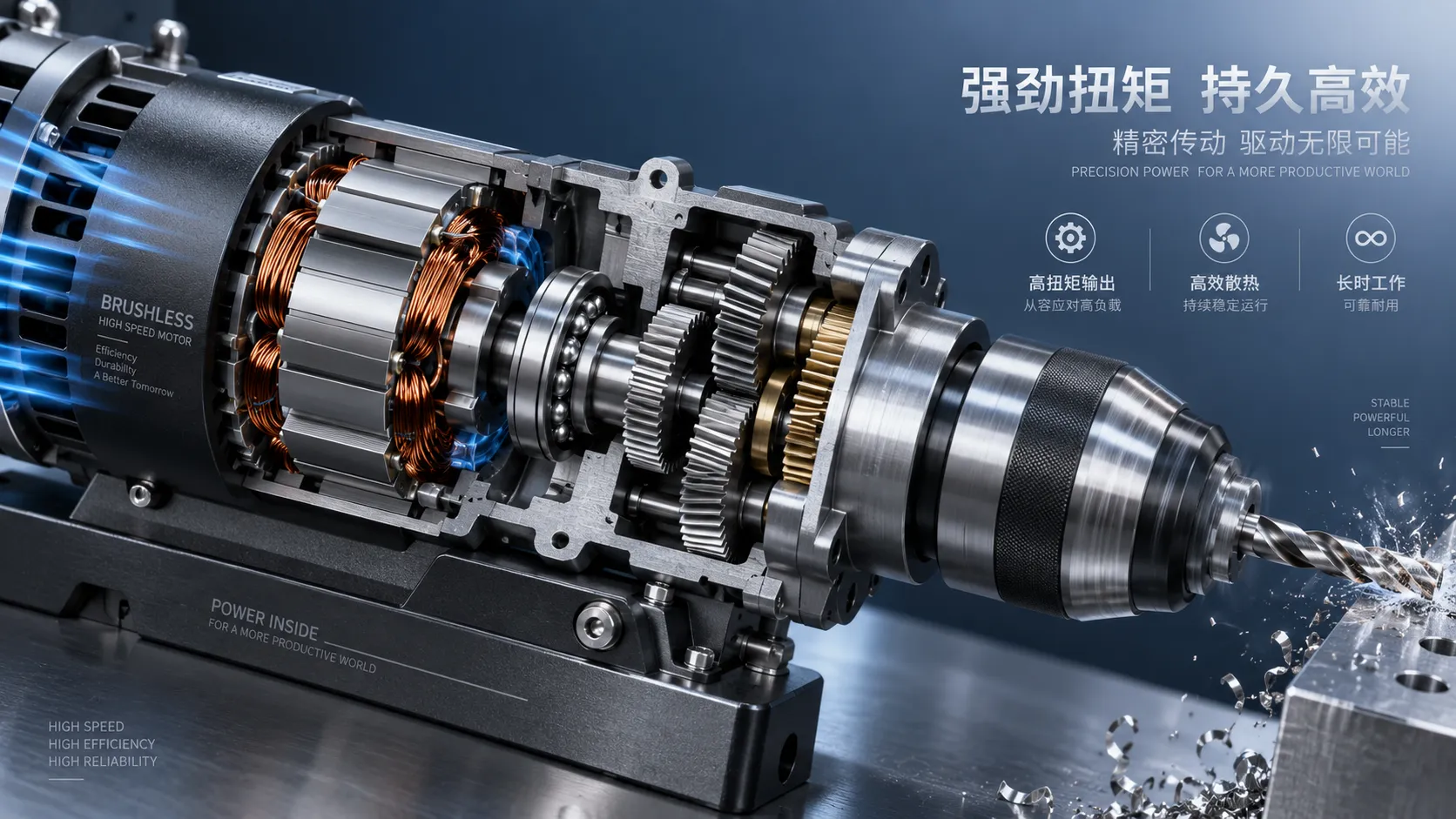
Selecting High-Speed Brushless Tool Motors for Torque, Heat, and Duty Cycle
High speed brushless tool motors: learn how to balance torque, heat, gearing, and duty cycle for reliable industrial tool performance and longer service life.
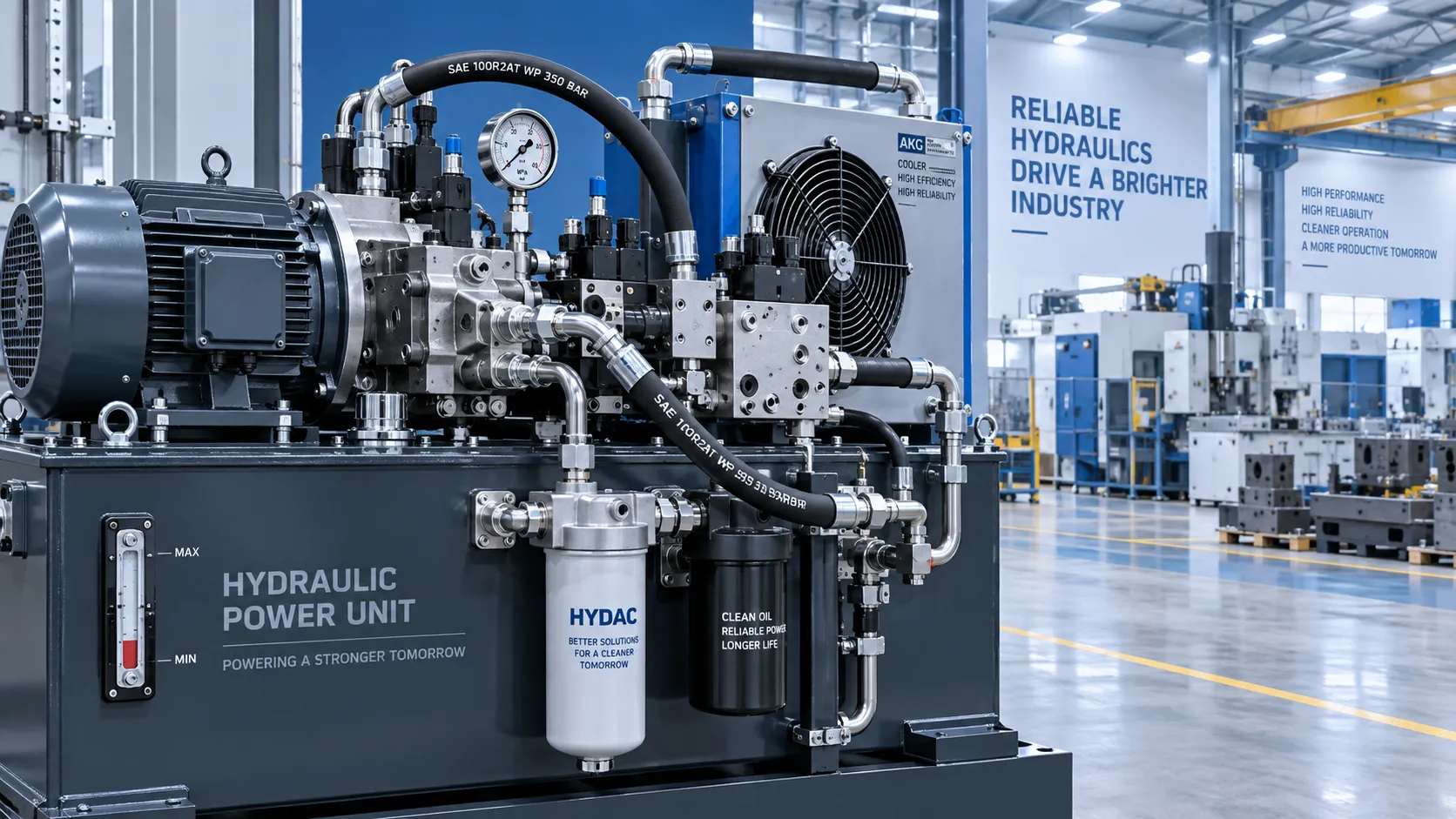
What Determines Industrial Hydraulic System Price for Heavy-Duty Equipment?
Industrial hydraulic system price depends on duty cycle, pressure, components, cooling, and integration. Compare quotes intelligently to secure reliable heavy-duty performance.
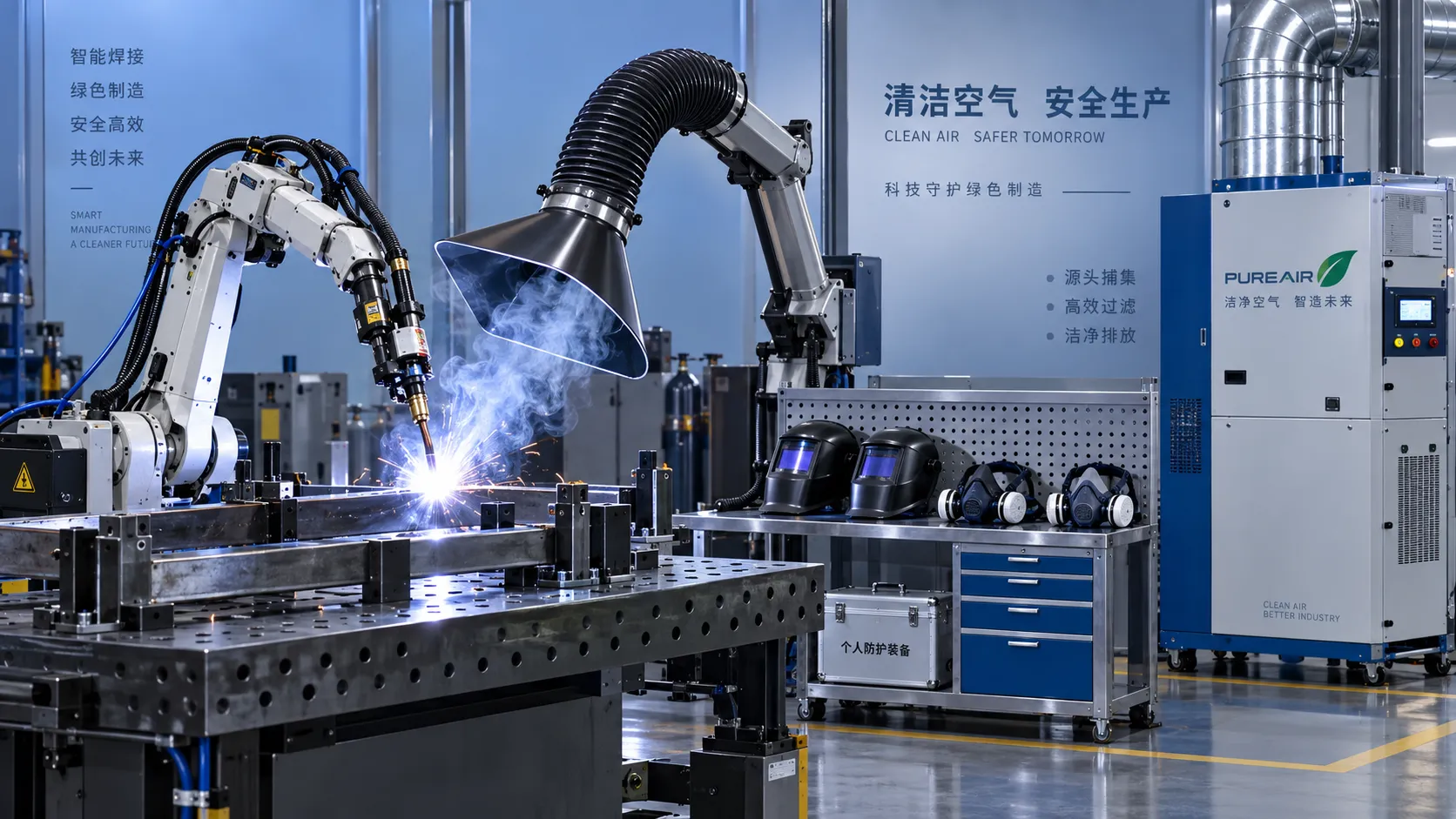
Welding Fume Extraction PPE: When Respirators Are Not Enough for Shop Safety
Welding fume extraction PPE: learn why respirators alone fall short and how source capture, ventilation, and layered controls improve shop safety.

How to Select Optical Metrology Solutions for Tight-Tolerance Manufacturing
Optical industrial metrology solutions for tight-tolerance manufacturing: evaluate accuracy, surface compatibility, workflow, and traceability to select with confidence.
Related News
- 00
0000-00
Why Data-Driven Intelligence Costs Are Reshaping Enterprise Automation Budgets - 00
0000-00
What Does Data-Driven Intelligence Cost? Budgeting for Data, Tools, and Talent - 00
0000-00
What Determines Metrology Technology Prices for Factory Inspection Systems? - 00
0000-00
Welding Tools Price Guide: What Affects Cost and How Buyers Can Compare Options - 00
0000-00
What Drives Industrial Tools Cost? A Buyer’s Guide to Materials, Volume, and Lifecycle Expenses
Ms. Elena Rodriguez
Weekly Insights
Stay ahead with our curated technology reports delivered every Monday.