
Why brand premiums still shape buying decisions





Why brand premiums remain visible in industrial buying
In industrial markets, brand premiums still influence buying decisions long after specs and pricing are compared.
For evaluators, they often signal reliability, lower lifecycle risk, stronger support, and steadier results across global supply chains.
This matters even more in precision tools, welding systems, and metrology equipment, where failure costs exceed the initial purchase price.
Across the broader industrial economy, brand premiums are not just marketing artifacts. They are often compressed signals of accumulated operational trust.
That trust now shapes decisions in maintenance, assembly, fabrication, quality inspection, construction, automotive service, and aerospace support activities.
Current signals show brand premiums are adapting, not fading
Recent market behavior suggests a shift. Buyers compare digital features, warranty terms, calibration services, and compliance readiness more closely than before.
Yet brand premiums remain resilient because uncertainty has become more expensive across sourcing, uptime, safety, and technical accountability.
When raw material volatility, export restrictions, and certification demands increase, familiar brands gain extra decision weight.
In this environment, brand premiums often reflect confidence that equipment will perform consistently under changing operational conditions.
The result is clear. Even when lower-cost alternatives improve, established names still win where interruption, rework, or liability risks are high.
Why the market still rewards trusted industrial names
Industrial equipment decisions are rarely based on sticker price alone. They are evaluated against failure impact, service continuity, and long-term usability.
That is why brand premiums continue to shape buying decisions in both advanced and cost-sensitive segments.
The drivers behind brand premiums are becoming more measurable
Several forces explain why brand premiums persist. More importantly, each force can now be tested through service data, field performance, and lifecycle economics.
Brand premiums are often a proxy for hidden operational value
In many categories, technical specifications look comparable on paper. Real separation appears during sustained use, maintenance, and high-precision tasks.
That gap explains why brand premiums survive competitive quoting rounds. Buyers are pricing confidence, not just hardware.
Where brand premiums matter most across industrial workflows
The impact of brand premiums is not uniform. It becomes strongest where output quality, safety exposure, and service continuity are tightly linked.
- Precision measurement: trusted calibration stability protects inspection accuracy and traceability.
- Welding systems: dependable arc control and safety features reduce defects and operator risk.
- Power tools: known motor life and battery consistency support predictable field performance.
- Hydraulic equipment: proven sealing, pressure tolerance, and parts access reduce stoppage costs.
- Smart assembly tools: software reliability and data integrity matter as much as torque output.
In these settings, brand premiums frequently align with stronger process control, cleaner documentation, and fewer unexpected deviations.
That alignment is especially valuable for globally distributed operations where uniform performance is difficult to maintain.
The buying impact extends beyond the tool itself
Brand premiums affect more than the transaction. They influence inventory strategy, training burden, service planning, and customer-facing confidence.
A lower-priced product may look efficient initially, yet create hidden costs through requalification, extra inspection, or delayed repairs.
By contrast, premium brands often reduce coordination friction across procurement, operations, quality assurance, and after-sales teams.
What deserves closer attention when judging brand premiums
Not every premium is justified. The key is separating symbolic brand value from demonstrable industrial value.
- Check field reliability data, not only brochure claims.
- Compare calibration intervals, repair rates, and average service response time.
- Review certification support, traceability records, and export compliance readiness.
- Assess software stability for connected tools and digital control systems.
- Evaluate ergonomics, safety design, and training resources for real operating conditions.
- Measure spare-parts availability across regions, especially in cross-border service environments.
When these factors are strong, brand premiums may represent prudent risk pricing rather than unnecessary extra spend.
A practical framework for deciding when brand premiums make sense
A useful decision approach is to weigh the premium against the cost of failure, disruption, and inconsistency.
- Define the operational consequence of tool or equipment failure.
- Estimate lifecycle cost, including maintenance, downtime, and retraining.
- Test whether the supplier can support all target markets consistently.
- Compare premium options using performance evidence, not reputation alone.
- Decide where premium brands are essential and where alternatives are acceptable.
This method prevents overpaying in low-risk categories while protecting value in mission-critical applications.
Why brand premiums will likely stay important in the next cycle
Brand premiums are likely to remain influential because industrial systems are becoming more connected, regulated, and performance-sensitive.
As intelligent torque control, handheld laser welding safety, and digital metrology adoption increase, trusted integration matters more.
The same trend supports platforms like GPTWM, where strategic intelligence helps connect technical selection with market risk awareness.
In that context, brand premiums become easier to interpret. They can signal capability depth, support resilience, and long-term interoperability.
Next steps for evaluating real value behind brand premiums
The most effective next step is to build a comparison model that combines price, uptime, compliance, and service reliability.
Use current market intelligence to monitor raw materials, standards changes, and regional support capacity before making final judgments.
Where precision, safety, or traceability is central, brand premiums often protect value rather than dilute it.
Where risks are lower, disciplined benchmarking can reveal when a premium no longer delivers meaningful returns.
To judge industrial choices well, treat brand premiums as a question to investigate, not a cost to dismiss.
Related News
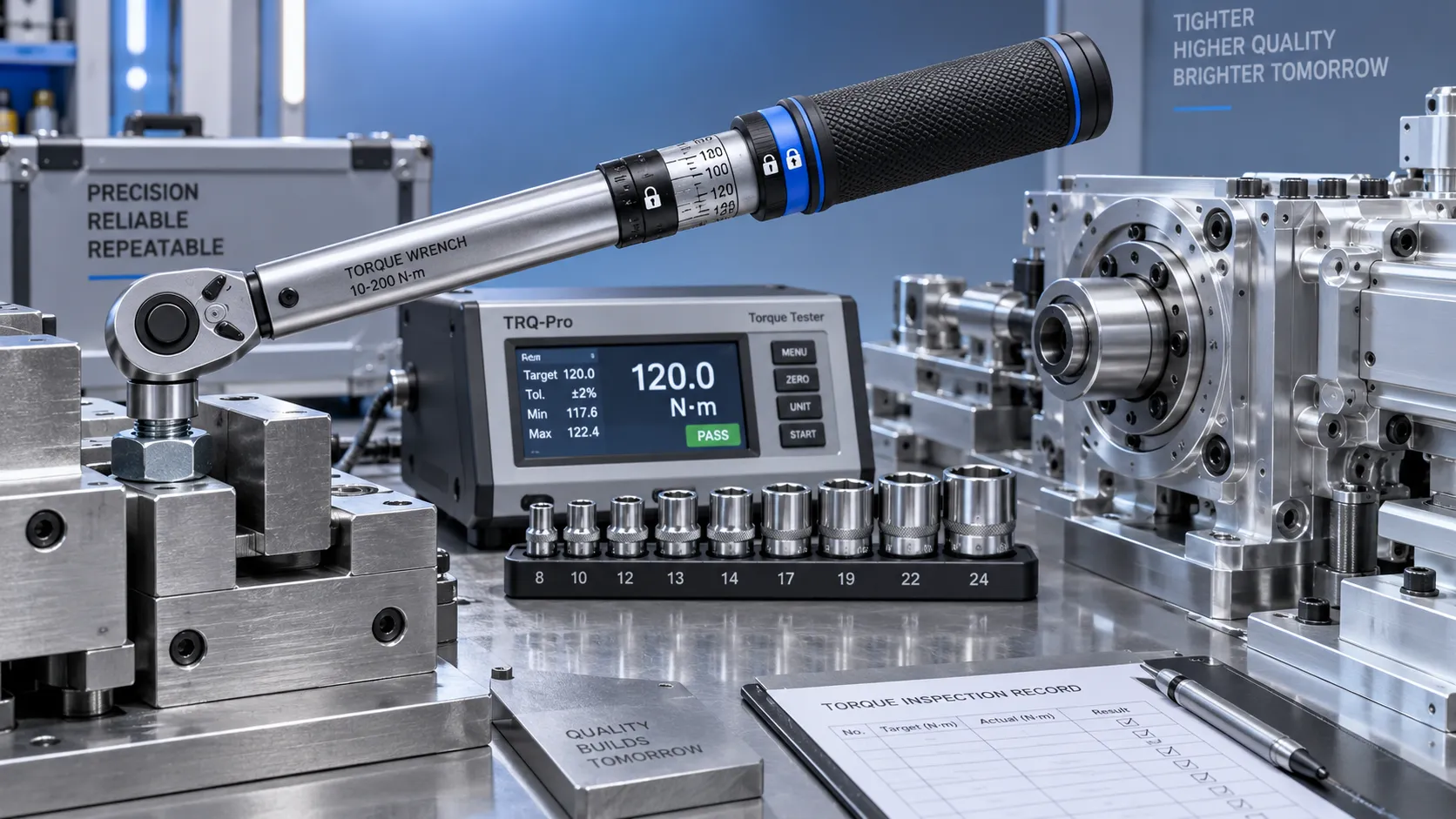
Selecting Adjustable Torque Tools for Repeatable Fastener Assembly
Adjustable torque tools: learn how to match range, accuracy, control methods, calibration, and ergonomics for repeatable, reliable fastener assembly.
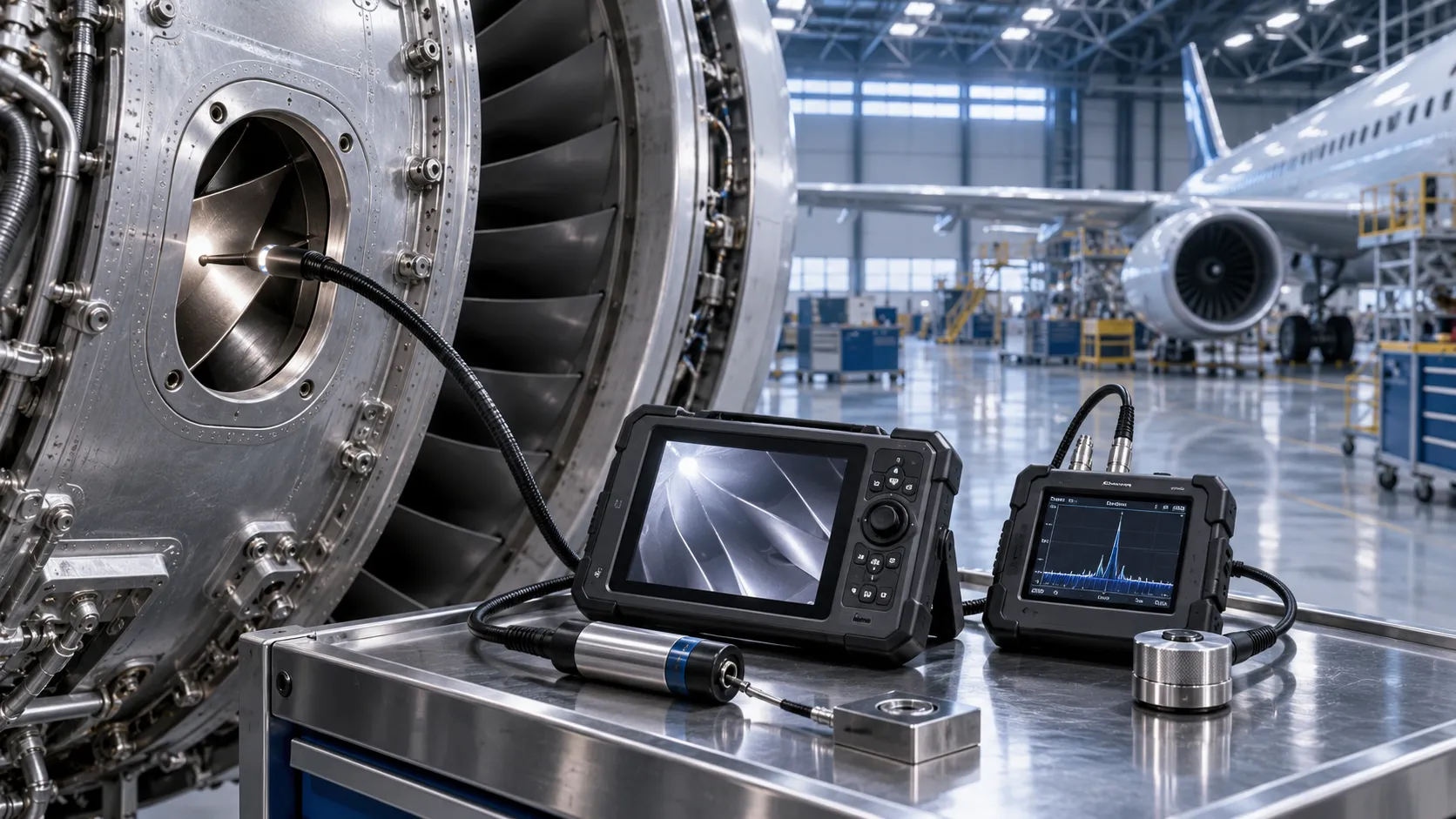
How to Select Aerospace Inspection Tools for Aircraft Maintenance Tasks
Aerospace maintenance inspection tools: learn how to select reliable, traceable equipment for aircraft access, accuracy, calibration, and compliant maintenance decisions.

How to Select Wire Bonding Tools for Fine-Pitch Semiconductor Packaging
Explore semiconductor manufacturing tools for wire bonding and learn how to select precision solutions for fine-pitch packaging, reliable loops, accuracy, and yield.
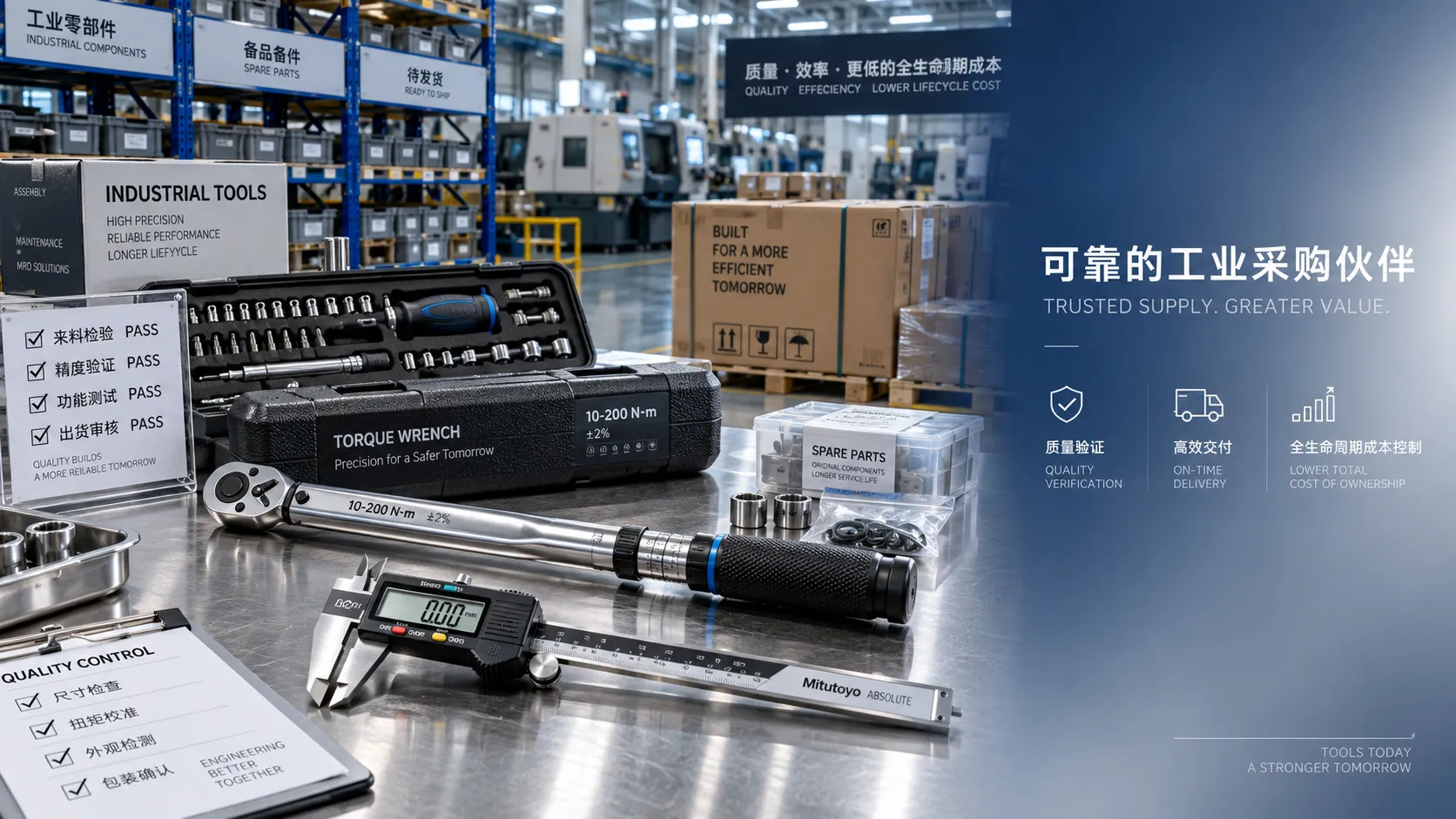
How to Compare Industrial Tool Suppliers for Quality, Lead Time, and Total Cost
Industrial tool selection supplier comparison made simple: evaluate quality, lead times, total cost, service, and supply resilience for confident sourcing decisions.
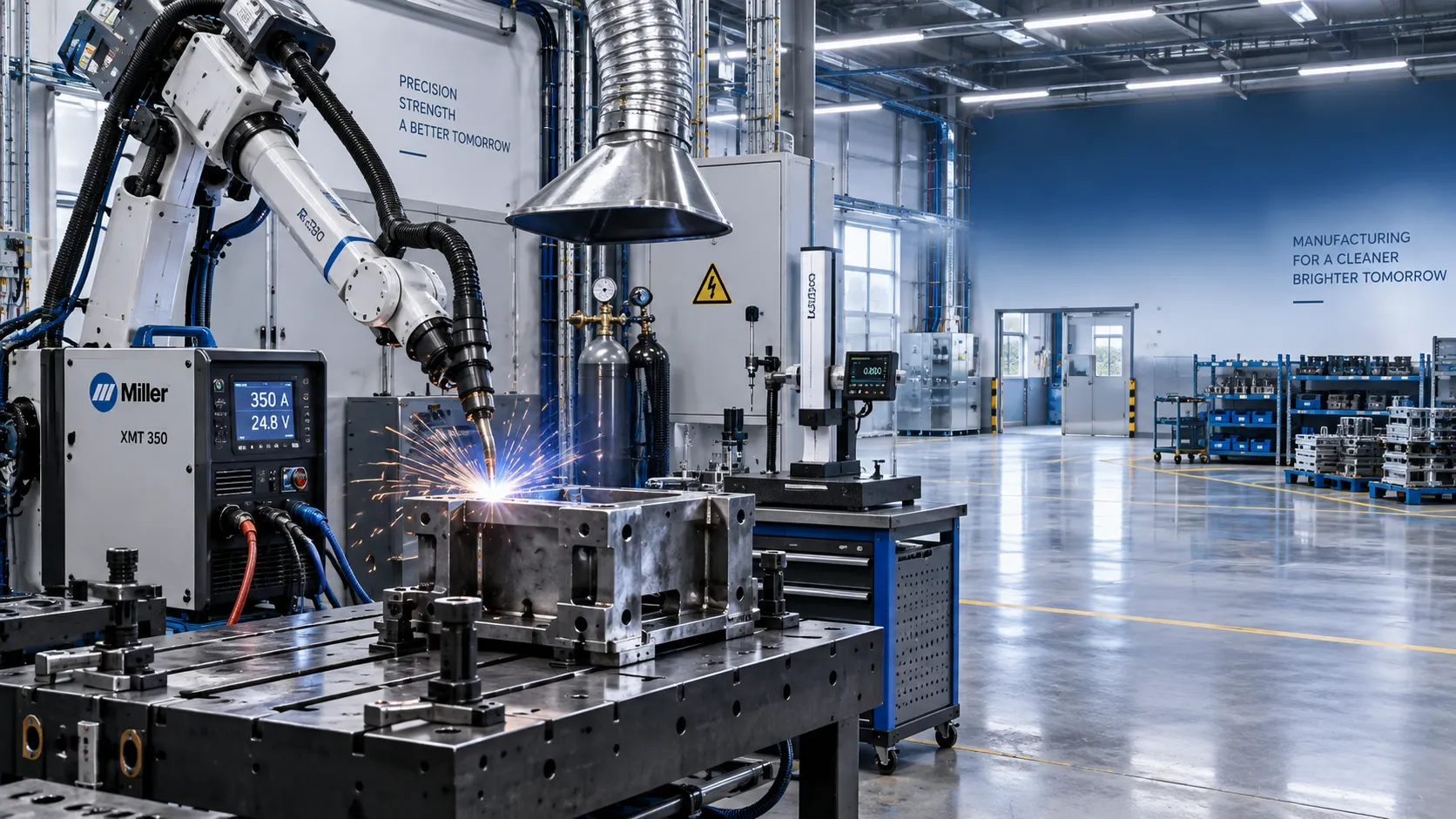
Industrial Equipment Application Guidance: Match Machines to Operating Conditions
Application guidance industrial equipment: match capacity, duty cycle, materials, site conditions, safety, and lifecycle cost to improve reliable output. Read the guide.
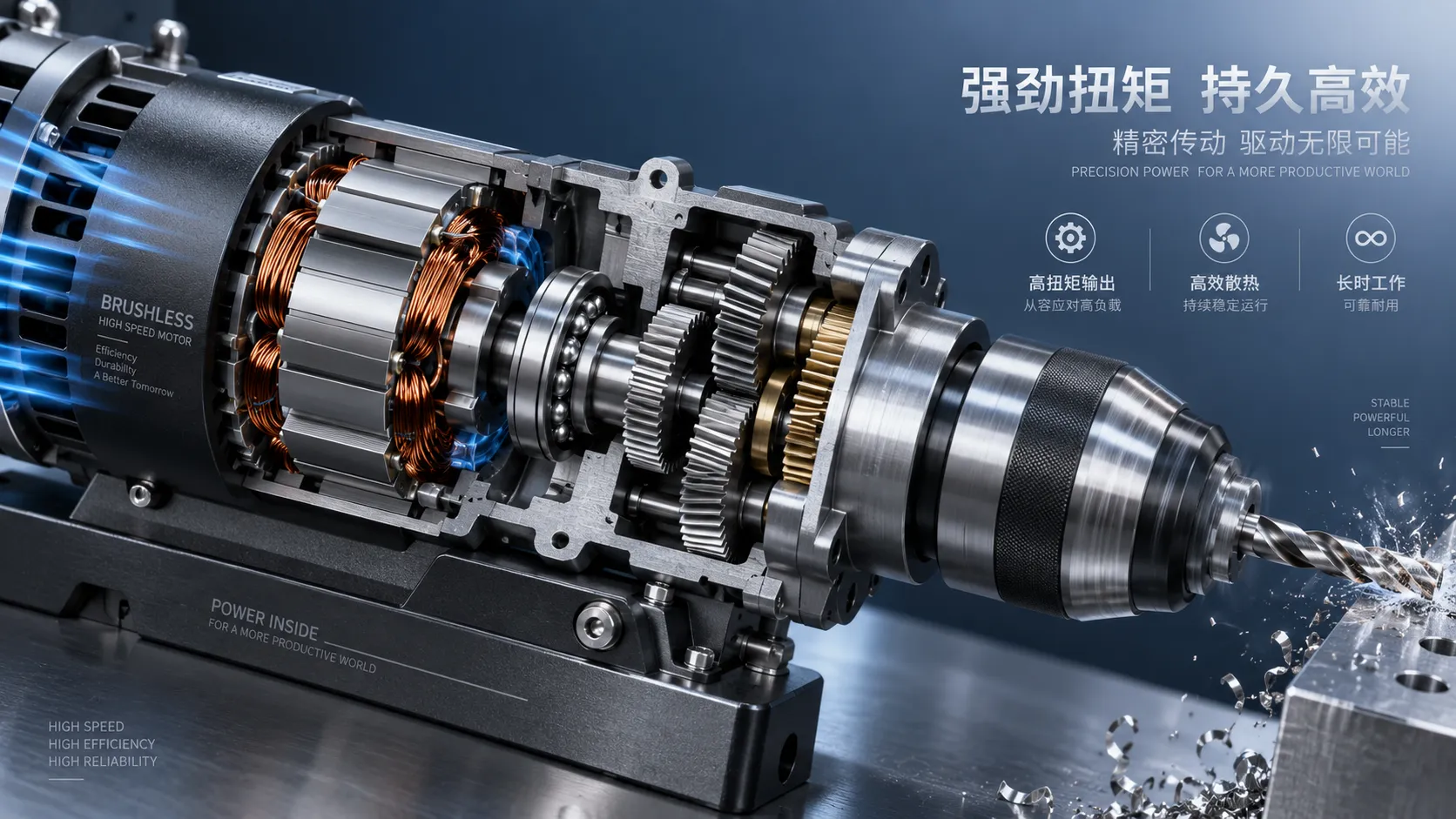
Selecting High-Speed Brushless Tool Motors for Torque, Heat, and Duty Cycle
High speed brushless tool motors: learn how to balance torque, heat, gearing, and duty cycle for reliable industrial tool performance and longer service life.
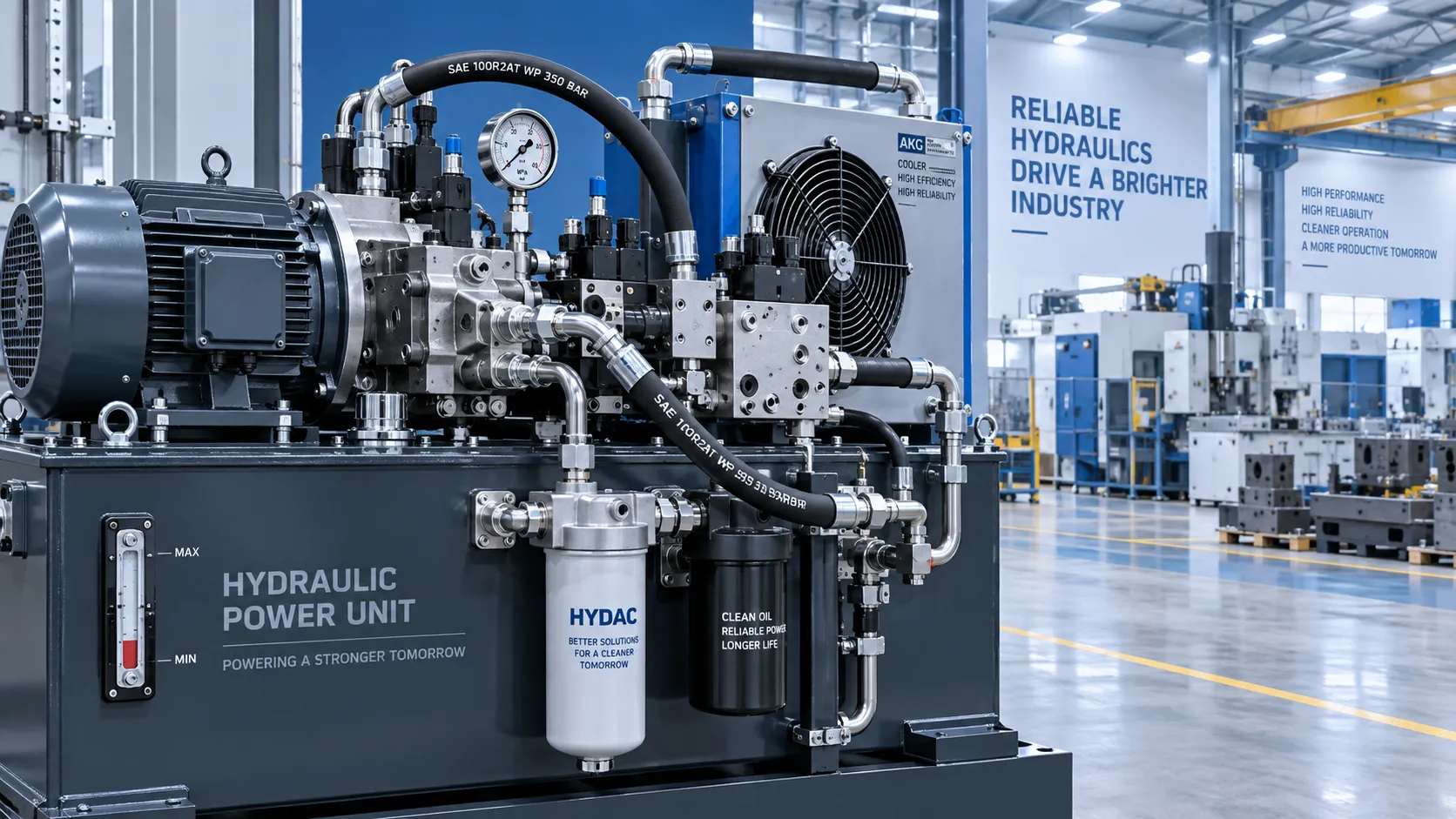
What Determines Industrial Hydraulic System Price for Heavy-Duty Equipment?
Industrial hydraulic system price depends on duty cycle, pressure, components, cooling, and integration. Compare quotes intelligently to secure reliable heavy-duty performance.
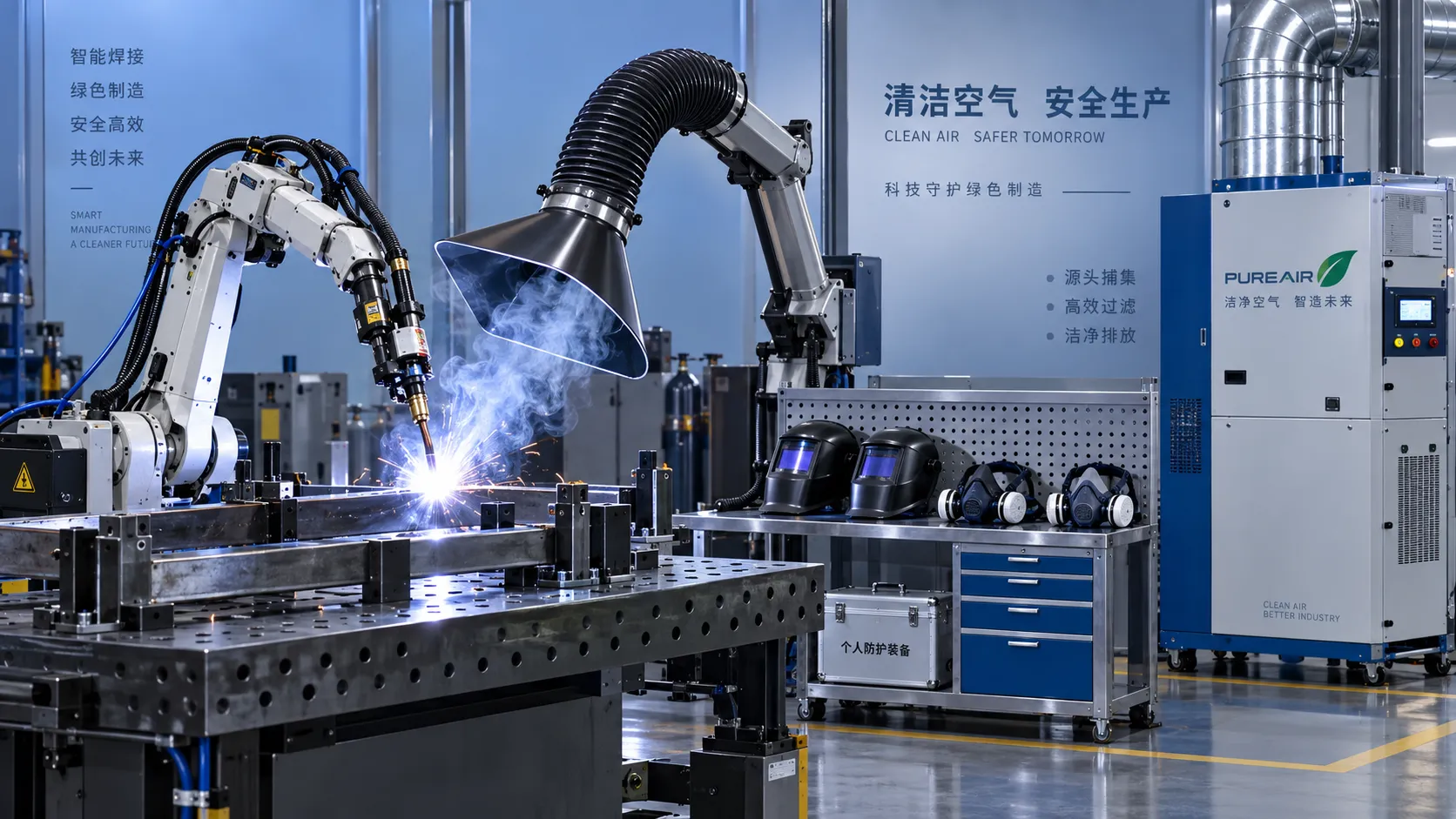
Welding Fume Extraction PPE: When Respirators Are Not Enough for Shop Safety
Welding fume extraction PPE: learn why respirators alone fall short and how source capture, ventilation, and layered controls improve shop safety.
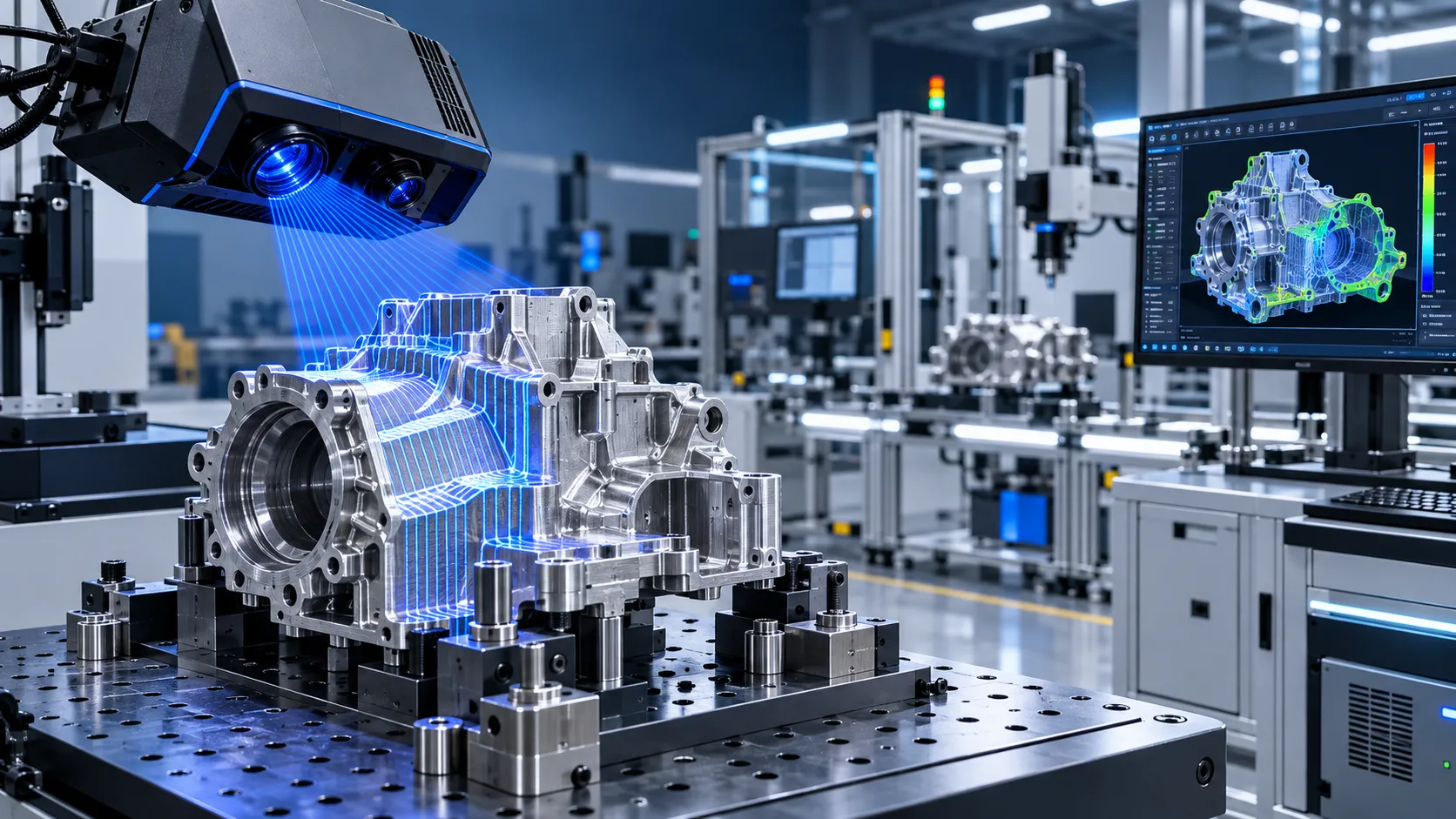
How to Select Optical Metrology Solutions for Tight-Tolerance Manufacturing
Optical industrial metrology solutions for tight-tolerance manufacturing: evaluate accuracy, surface compatibility, workflow, and traceability to select with confidence.
Related News
- 00
0000-00
Why Data-Driven Intelligence Costs Are Reshaping Enterprise Automation Budgets - 00
0000-00
What Does Data-Driven Intelligence Cost? Budgeting for Data, Tools, and Talent - 00
0000-00
What Determines Metrology Technology Prices for Factory Inspection Systems? - 00
0000-00
Welding Tools Price Guide: What Affects Cost and How Buyers Can Compare Options - 00
0000-00
What Drives Industrial Tools Cost? A Buyer’s Guide to Materials, Volume, and Lifecycle Expenses
Ms. Elena Rodriguez
Weekly Insights
Stay ahead with our curated technology reports delivered every Monday.