
Why industrial research matters before choosing suppliers





Before committing to any supplier, industrial research helps business evaluators separate marketing claims from operational reality. In complex manufacturing ecosystems, it exposes capability gaps, compliance risks, cost drivers, and long-term partnership potential. When comparing vendors in tools, welding, metrology, and adjacent industrial categories, industrial research creates a disciplined basis for stronger sourcing decisions and lower commercial risk.
Why industrial research matters before supplier selection
Supplier choice affects quality consistency, delivery stability, service response, and downstream reputation. A low quote may hide weak process control, unstable sourcing, or incomplete certification coverage across export markets.
Industrial research turns selection into evidence-based comparison. It connects factory capability, market conditions, technical standards, labor structure, and logistics exposure into one practical evaluation framework.
This matters even more in mixed industrial segments. Precision tools, welding systems, measuring instruments, hydraulic assemblies, and power equipment all carry different failure modes, testing needs, and compliance burdens.
Without industrial research, supplier screening often depends on catalogs, samples, and sales presentations. With industrial research, decisions can reflect production reality, ecosystem maturity, and long-term fit.
Industrial research checklist for evaluating suppliers
Use the following checklist to structure industrial research before shortlisting or contracting any supplier.
- Map core manufacturing processes and verify whether key steps are performed in-house, subcontracted, or shared across facilities with different control standards.
- Check equipment depth by reviewing machining centers, calibration assets, welding stations, automation level, maintenance records, and bottleneck capacity during peak demand periods.
- Review quality systems beyond certificates by examining incoming inspection, traceability routines, sampling plans, nonconformance handling, and corrective action closure speed.
- Confirm technical competence through drawings interpretation, tolerance control, material substitution rules, test protocols, and engineering support during specification changes.
- Analyze raw material exposure, especially for steel, copper, electronics, abrasives, and shielding components, because cost volatility directly affects pricing discipline and supply continuity.
- Evaluate compliance readiness across target markets, including CE, ISO, RoHS, REACH, calibration norms, packaging labels, export restrictions, and product safety documentation.
- Measure delivery resilience by checking lead times, production scheduling logic, inventory policy, second-source planning, and local transport dependence near ports or border hubs.
- Assess workforce stability through technician tenure, training systems, supervisor ratio, and the availability of skilled operators for precision assembly or controlled welding tasks.
- Compare commercial behavior by reviewing quotation transparency, tooling charges, payment flexibility, warranty treatment, and response quality when presented with abnormal cases.
- Track market reputation using trade data, dispute history, customer references, regional distributor feedback, and evidence of repeat business in technically demanding sectors.
How industrial research changes by application scenario
Precision tools and metrology equipment
For calipers, gauges, torque devices, and measuring systems, industrial research must focus on repeatability, calibration discipline, and environmental control. Small deviations can damage field trust more than visible cosmetic defects.
It is useful to confirm gauge block references, calibration intervals, inspection room conditions, and operator training. Research should also test whether reported accuracy is supported by routine process capability data.
Welding equipment and metal joining solutions
In welding categories, industrial research should examine power stability, thermal design, consumable compatibility, and safety architecture. A supplier may offer attractive specifications while lacking durable performance under continuous industrial loads.
Research should include duty cycle validation, spare parts structure, handheld safety features, firmware support, and documentation quality. These factors often decide lifecycle cost more than the initial machine price.
General industrial assemblies and hardware
For broader industrial supply, industrial research needs to emphasize sourcing networks, process consistency, and packaging reliability. Commodity-like products still fail when dimensional drift or poor corrosion control reaches the jobsite.
In these segments, compare suppliers on batch stability, warehouse handling, supplier concentration, and packaging protection during multimodal transport. Seemingly minor issues often create high replacement and service costs.
Common gaps industrial research often uncovers
- Hidden subcontracting creates uneven quality and weak traceability when a supplier presents one factory but routes urgent work elsewhere.
- Certificate dependence masks weak execution when documentation exists, yet inspection discipline, calibration records, or failure analysis remain superficial.
- Unstable material sourcing increases price revisions and defect risk, especially when alternatives are approved informally without engineering review.
- Overstated capacity causes delivery slippage because quoted output reflects theoretical machine hours rather than labor, tooling, and maintenance constraints.
- Weak after-sales structure turns technical issues into commercial disputes when spare parts, service manuals, or diagnostic support are not ready.
These gaps rarely appear in first-round discussions. Industrial research reveals them by combining site evidence, market intelligence, and technical cross-checking.
A practical way to execute industrial research
Start with a narrow research scope. Define the product family, target market, annual volume, quality threshold, and regulatory burden before requesting information from any supplier.
Then build a comparison sheet using weighted criteria. Include process control, engineering responsiveness, compliance readiness, logistics reliability, cost transparency, and service support.
Next, combine desk research with direct validation. Study customs data, industry news, ownership structure, and export footprint, then verify claims through audits, test samples, and technical interviews.
For complex categories, request evidence instead of promises. Ask for calibration logs, PPAP-style records, welding test reports, material certificates, warranty cases, and change-control procedures.
Finally, review total risk, not just total cost. Industrial research should estimate downtime exposure, rework probability, field failure consequences, and the supplier’s ability to improve over time.
Using industrial research for stronger long-term decisions
The best supplier is not always the one with the cheapest offer or the widest catalog. The better choice is usually the one whose operating reality matches technical needs and commercial expectations.
That is where industrial research delivers real value. It aligns supplier selection with market intelligence, production evidence, and lifecycle thinking instead of short-term price signals.
In sectors shaped by precision, safety, and delivery discipline, structured industrial research reduces avoidable surprises. It also supports better negotiation, cleaner onboarding, and more resilient supply relationships.
The next practical step is simple: create a supplier review checklist, rank evidence by risk level, and validate every critical claim before commercial commitment. Industrial research should begin before supplier selection, not after problems appear.
Related News
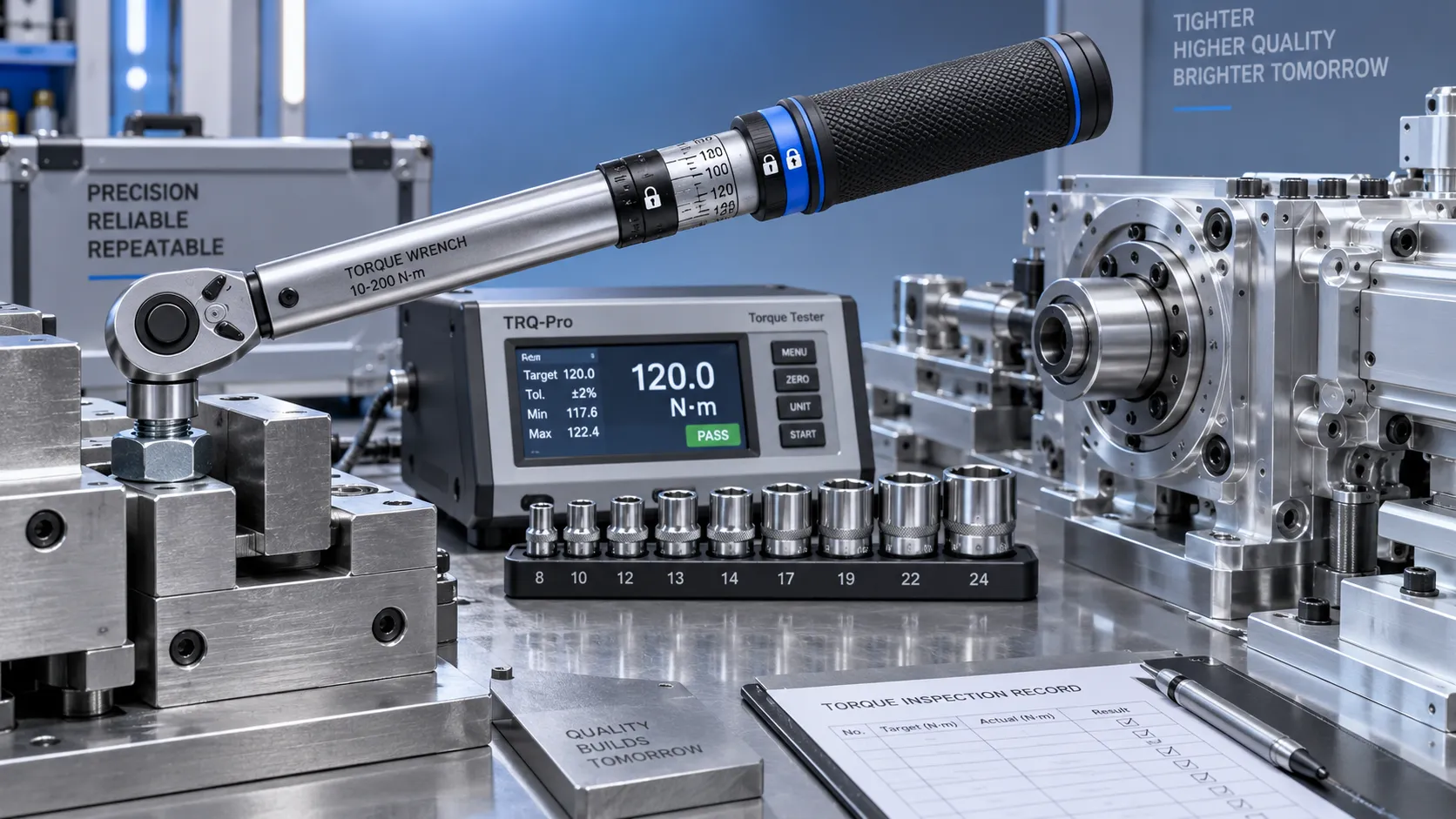
Selecting Adjustable Torque Tools for Repeatable Fastener Assembly
Adjustable torque tools: learn how to match range, accuracy, control methods, calibration, and ergonomics for repeatable, reliable fastener assembly.

How to Select Aerospace Inspection Tools for Aircraft Maintenance Tasks
Aerospace maintenance inspection tools: learn how to select reliable, traceable equipment for aircraft access, accuracy, calibration, and compliant maintenance decisions.

How to Select Wire Bonding Tools for Fine-Pitch Semiconductor Packaging
Explore semiconductor manufacturing tools for wire bonding and learn how to select precision solutions for fine-pitch packaging, reliable loops, accuracy, and yield.
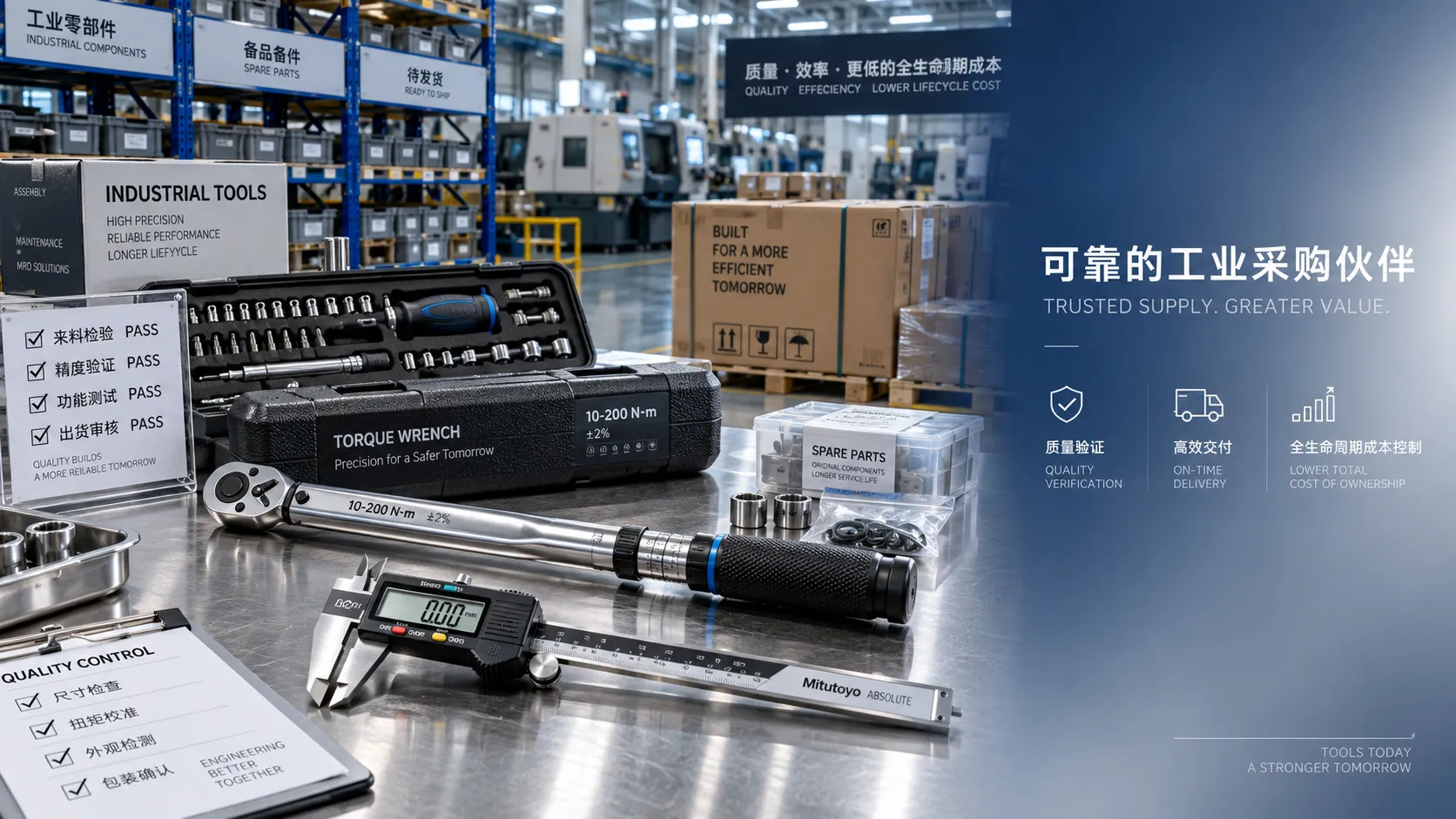
How to Compare Industrial Tool Suppliers for Quality, Lead Time, and Total Cost
Industrial tool selection supplier comparison made simple: evaluate quality, lead times, total cost, service, and supply resilience for confident sourcing decisions.
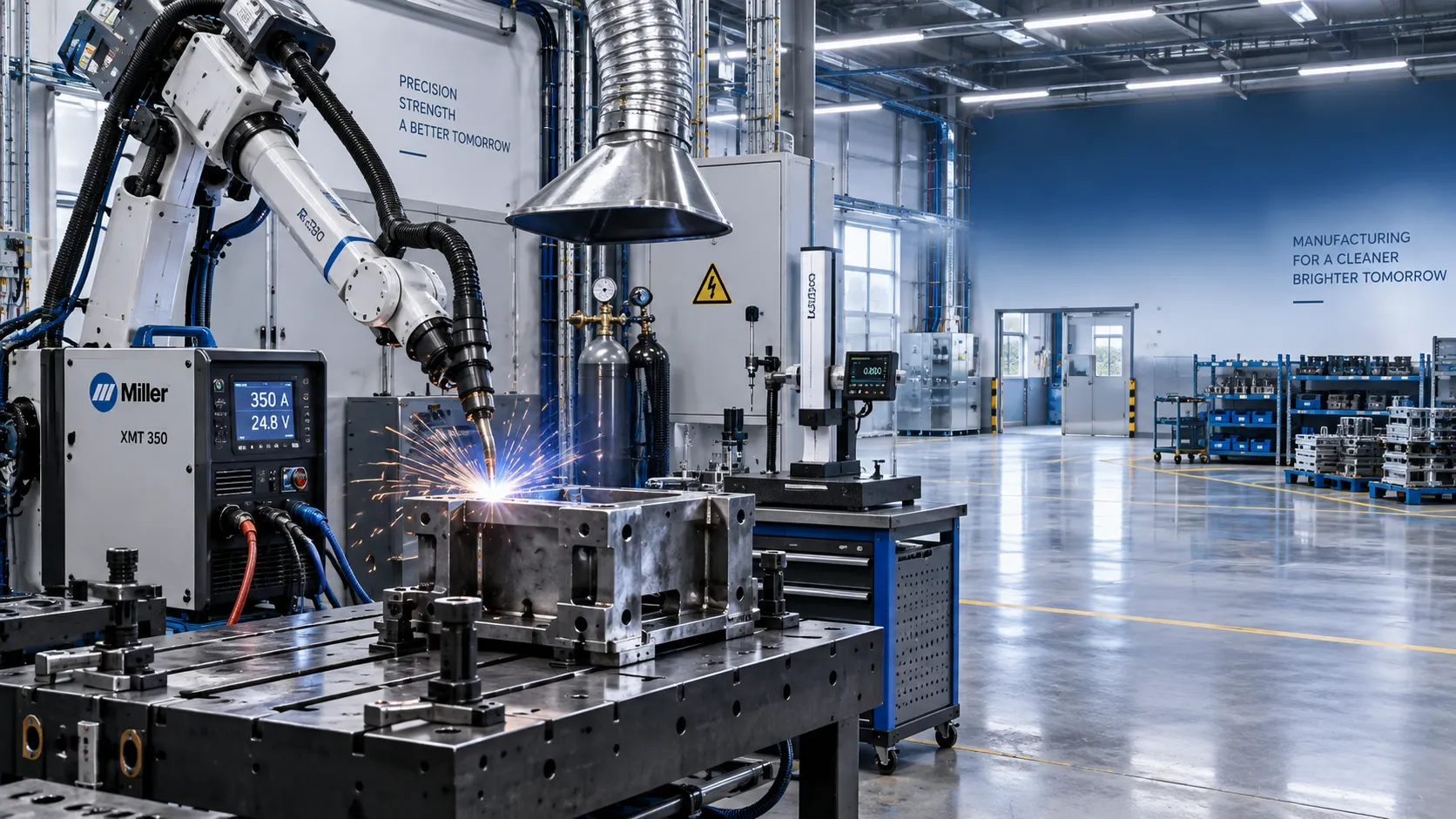
Industrial Equipment Application Guidance: Match Machines to Operating Conditions
Application guidance industrial equipment: match capacity, duty cycle, materials, site conditions, safety, and lifecycle cost to improve reliable output. Read the guide.
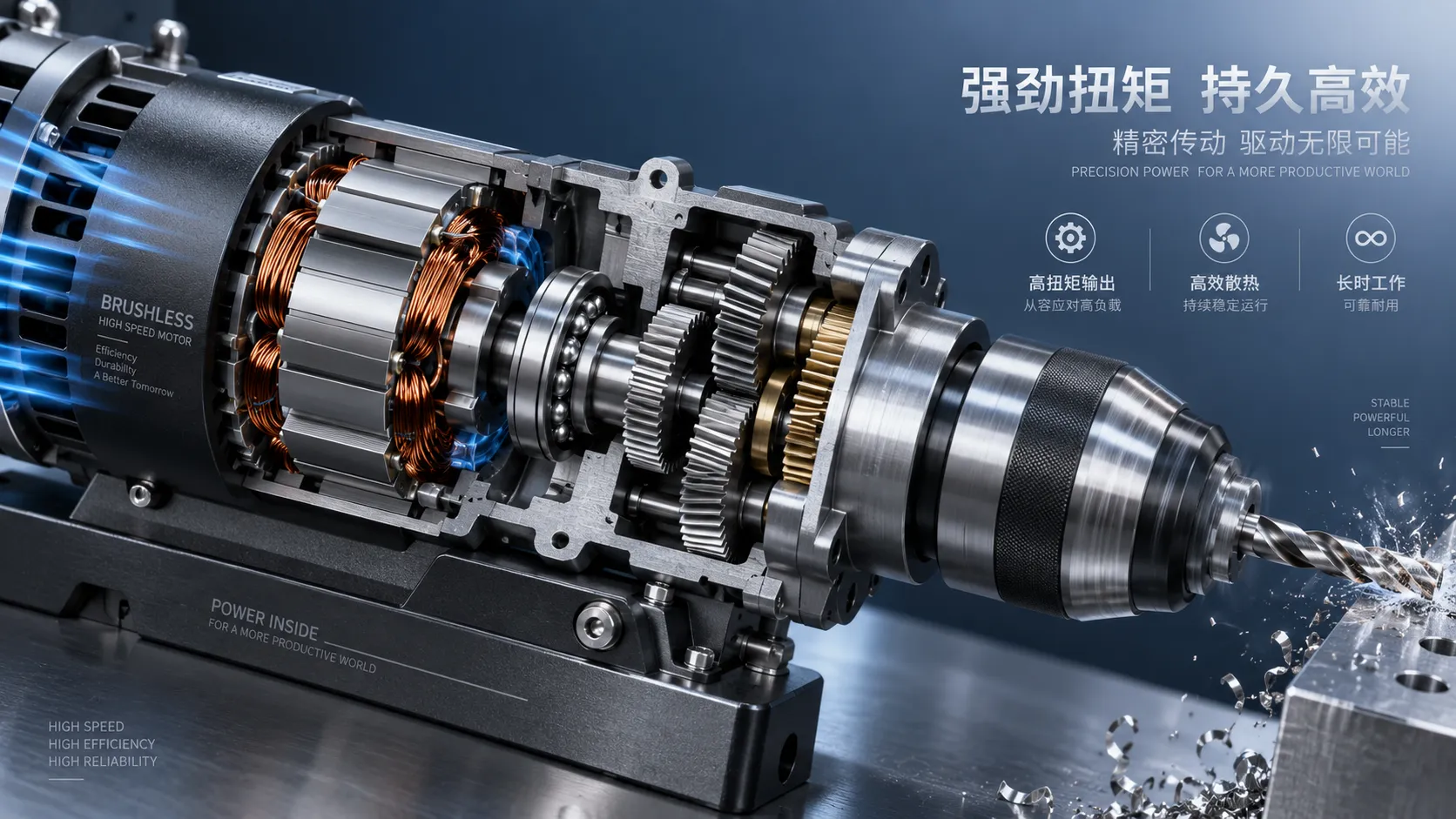
Selecting High-Speed Brushless Tool Motors for Torque, Heat, and Duty Cycle
High speed brushless tool motors: learn how to balance torque, heat, gearing, and duty cycle for reliable industrial tool performance and longer service life.
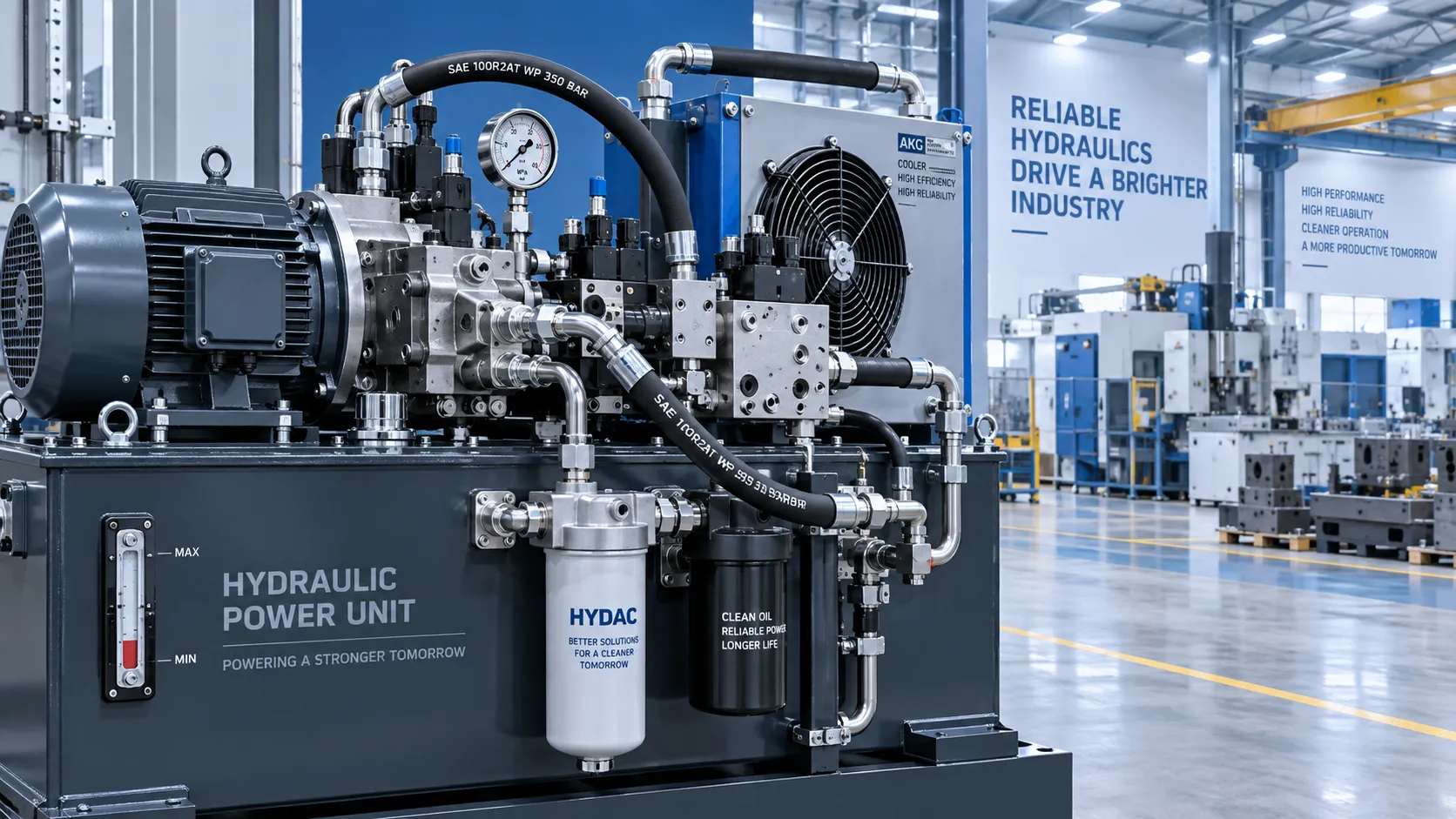
What Determines Industrial Hydraulic System Price for Heavy-Duty Equipment?
Industrial hydraulic system price depends on duty cycle, pressure, components, cooling, and integration. Compare quotes intelligently to secure reliable heavy-duty performance.
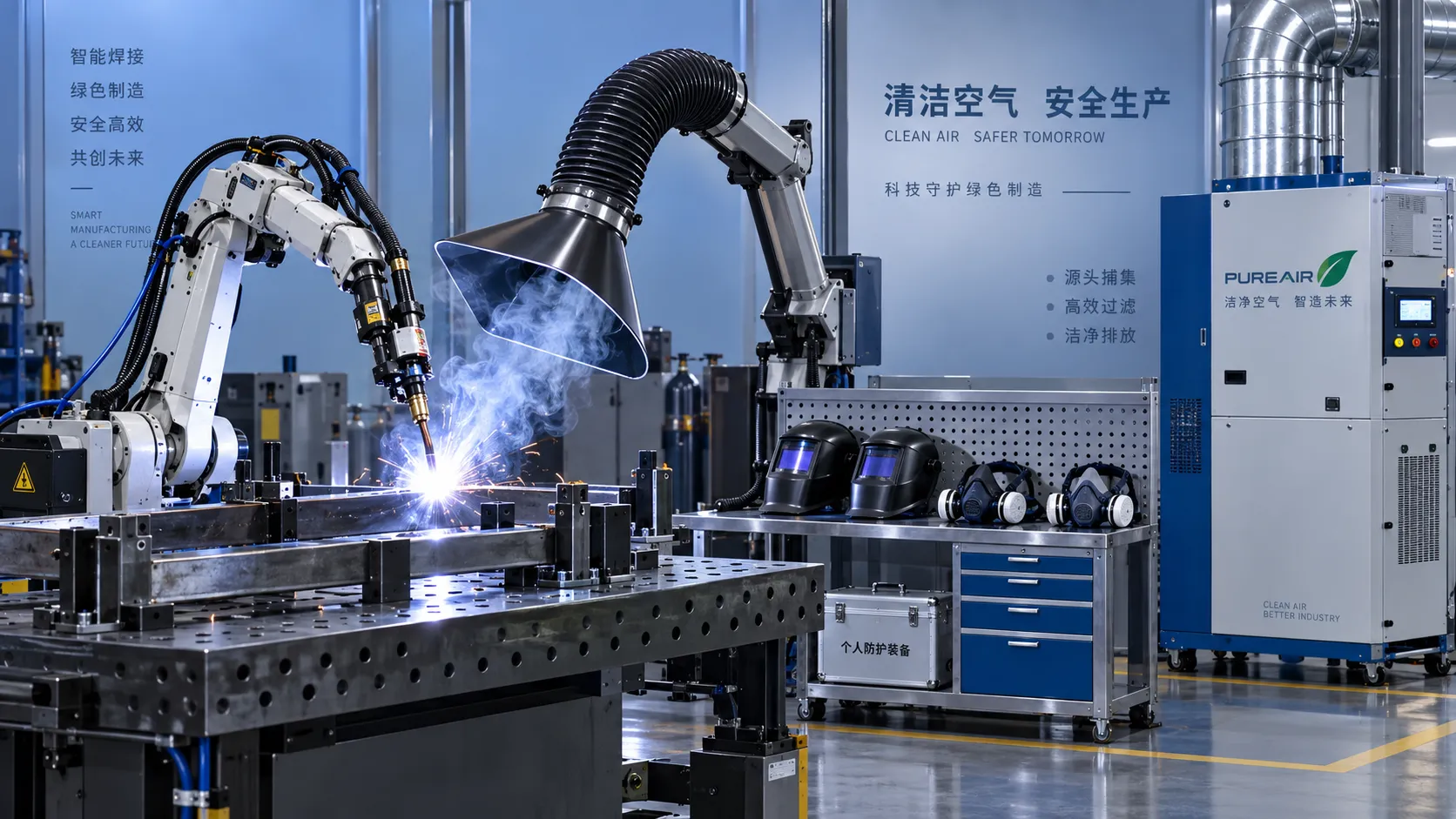
Welding Fume Extraction PPE: When Respirators Are Not Enough for Shop Safety
Welding fume extraction PPE: learn why respirators alone fall short and how source capture, ventilation, and layered controls improve shop safety.

How to Select Optical Metrology Solutions for Tight-Tolerance Manufacturing
Optical industrial metrology solutions for tight-tolerance manufacturing: evaluate accuracy, surface compatibility, workflow, and traceability to select with confidence.
Related News
- 00
0000-00
How to Compare Industrial Tool Suppliers for Quality, Lead Time, and Total Cost - 00
0000-00
How to Evaluate a Technology Integration Service Provider for Complex Projects - 00
0000-00
Product Comparison Resources in Europe: How Buyers Can Verify Specs and Suppliers - 00
0000-00
How to Evaluate an Industrial Metrology Solution Manufacturer for Production Use - 00
0000-00
How to Evaluate a Metal Joining Solutions Factory for Quality, Capacity, and Delivery Risk
Dr. Alistair Vaughn
Weekly Insights
Stay ahead with our curated technology reports delivered every Monday.