
How Material Science Affects Corrosion Resistance, Strength, and Product Life





Material science shapes far more than a product specification sheet. It determines how a surface reacts to moisture, how a structure absorbs load, and how long a component stays reliable before fatigue, rust, or wear begins to win.
That is why material science matters across industrial assembly, welding, metrology, construction maintenance, transport equipment, and precision tools. A small change in alloy design, heat treatment, or coating selection can alter service life more than a visible design change.
For sectors watched closely by GPTWM, this link is especially important. Corrosion resistance, strength, and product life are not isolated technical topics. They connect directly to maintenance cycles, export compliance, safety margins, replacement cost, and brand credibility in global markets.
Why material science has become a business issue
In the past, many buying and engineering decisions focused on nominal strength or unit price. That view is now too narrow. Industrial users increasingly compare lifecycle performance, not just initial purchase cost.
Raw material volatility also changes the equation. When nickel, chromium, copper, or rare alloying elements fluctuate, manufacturers may adjust grades, coatings, or sourcing strategies. Those decisions can improve margins, but they can also shift durability risk.
Export standards add another layer. A component used in automotive repair, aerospace maintenance, or structural fastening may need predictable corrosion behavior, traceable composition, and stable mechanical properties under specific environmental conditions.
This is where material science moves from laboratory theory into commercial intelligence. It helps explain why two products with similar geometry may perform very differently in the field.
The core link between corrosion resistance, strength, and product life
Corrosion resistance, strength, and product life influence one another continuously. They should not be evaluated as separate checkboxes.
A high-strength material may carry heavier loads, yet become vulnerable if its microstructure promotes stress corrosion cracking. A highly corrosion-resistant surface may protect a part well, but fail early if coating adhesion is weak under vibration.
Product life, in practical terms, depends on the total system. That system includes base material, forming method, joining process, surface condition, operating temperature, exposure to chemicals, and maintenance behavior.
Material science provides the framework for reading those interactions. It asks not only what a material is, but how it behaves after welding, machining, hardening, polishing, or long exposure to humid and abrasive conditions.
Microstructure is often the hidden driver
Many performance differences begin at the microscopic level. Grain size, phase distribution, inclusions, and residual stress all influence durability. These features are invisible in normal inspection, yet they govern failure patterns.
For example, a stainless steel part may resist corrosion well in one environment, but pit rapidly in chloride exposure if composition and heat history are not aligned. Likewise, a hardened tool may gain wear resistance while losing toughness.
How different material choices change performance
Material science usually works through a few major levers. The most influential are alloy selection, heat treatment, surface engineering, and compatibility with the intended joining process.
These trade-offs explain why no single material is universally best. Material science is often about optimization, not perfection.
Corrosion resistance is more than rust prevention
Corrosion is frequently simplified as visible rust, but industrial degradation is broader. It includes pitting, galvanic attack, oxidation, crevice corrosion, chemical etching, and environmental cracking.
Each mode responds differently to material science decisions. A marine fastener, a welded bracket, and a precision measuring tool may all face moisture, but not the same chemical and mechanical risks.
Surface finish also matters. Rough surfaces trap contaminants and moisture more easily. In measurement tools, even small corrosion spots may reduce accuracy before they create structural failure.
Protective coatings help, but coating choice must match contact conditions. A barrier that performs well indoors may break down under thermal cycling, impact, or repeated cleaning with aggressive fluids.
Galvanic compatibility deserves closer attention
When dissimilar metals touch in the presence of an electrolyte, corrosion can accelerate quickly. This issue appears in mixed assemblies, repair work, and modular equipment using imported and locally sourced parts.
Material science helps identify compatible combinations early. That reduces hidden field failures that are otherwise blamed on workmanship or maintenance errors.
Strength must be judged in context
Strength is one of the most misunderstood material properties. Tensile strength alone says little about long-term reliability if the part sees shock loading, vibration, repeated torque, or heat cycling.
In power tools, hydraulic equipment, welded assemblies, and maintenance hardware, fatigue strength and toughness may matter more than peak load values. A material can be strong on paper and still fail too soon in service.
This is especially relevant for lightweighting. Lower mass supports efficiency and ergonomics, but thinner sections often leave less room for corrosion allowance or crack tolerance. Material science makes lightweight design viable only when the underlying structure is carefully tuned.
- Static strength matters for one-time loading.
- Fatigue strength matters for repeated cycles.
- Toughness matters for impact and crack resistance.
- Creep resistance matters at elevated temperature.
- Surface hardness matters for wear-prone contact zones.
A sound material decision balances these properties against realistic use conditions, not ideal test conditions.
Where this shows up in real industrial settings
The influence of material science appears across the last mile of manufacturing and maintenance. It is visible in both high-volume products and specialized equipment.
Precision tools and metrology
Calipers, gauges, and alignment devices need dimensional stability, corrosion control, and surface integrity. Small material defects can affect measurement repeatability long before a tool looks damaged.
Welding and joined structures
The weld zone changes microstructure, hardness, and residual stress. Material science is essential when choosing filler metals, shielding conditions, and post-weld treatment for long service life.
Construction, automotive, and aerospace maintenance
These sectors depend on predictable field performance. Exposure to road salts, humidity, cleaning chemicals, and temperature swings means material science decisions affect inspection intervals and total operating cost.
How to assess material choices more effectively
A better evaluation process starts with the service environment. Corrosion resistance claims mean little without knowing whether exposure involves salt spray, condensation, alkaline cleaners, or abrasive dust.
The second step is to compare failure modes, not just materials. If products tend to crack near joints, pit near edges, or lose accuracy through surface wear, the right question is why that specific failure develops.
Reliable review usually includes several checkpoints:
- Check the base alloy and any substitution history.
- Review heat treatment and hardness consistency.
- Examine coating type, thickness, and adhesion limits.
- Look at weld zones, edges, threads, and contact points.
- Match test methods to the actual operating environment.
- Track whether field maintenance changes material exposure.
This approach aligns with the intelligence-driven perspective associated with GPTWM. Material science becomes easier to interpret when technical performance is connected with supply shifts, standards, and downstream use conditions.
What to watch next
Several trends are making material science more strategic. Lightweight alloys, advanced coatings, laser-based joining, and smarter torque control systems all place tighter demands on material compatibility.
At the same time, traceability expectations are rising. Buyers and technical reviewers increasingly want evidence linking material selection to product life, not just broad claims about quality.
The most useful next step is to build a simple comparison framework. Map each critical part against environment, load, joining method, expected service interval, and likely failure mechanism. That turns material science from a background topic into a practical decision tool.
When corrosion resistance, strength, and product life are reviewed together, product choices become clearer. The result is not only better durability, but better judgment across sourcing, design, maintenance, and long-term industrial value.
Related News

How Procurement Teams Can Map the Industrial Value Chain to Reduce Supply Risk
Industrial value chain procurement helps teams map hidden dependencies, qualify resilient sources, and reduce supply risk before disruptions stop production.

How Specification-Driven Articles Improve Precision Measurement System Selection
Specification-oriented articles precision measurement guidance helps teams compare accuracy, repeatability, environment, and data needs to select reliable systems with confidence.

How to Evaluate a Technology Integration Service Provider for Complex Projects
Technology integration service provider selection guide: evaluate interface ownership, delivery discipline, scalable architecture, and risk control for complex projects.
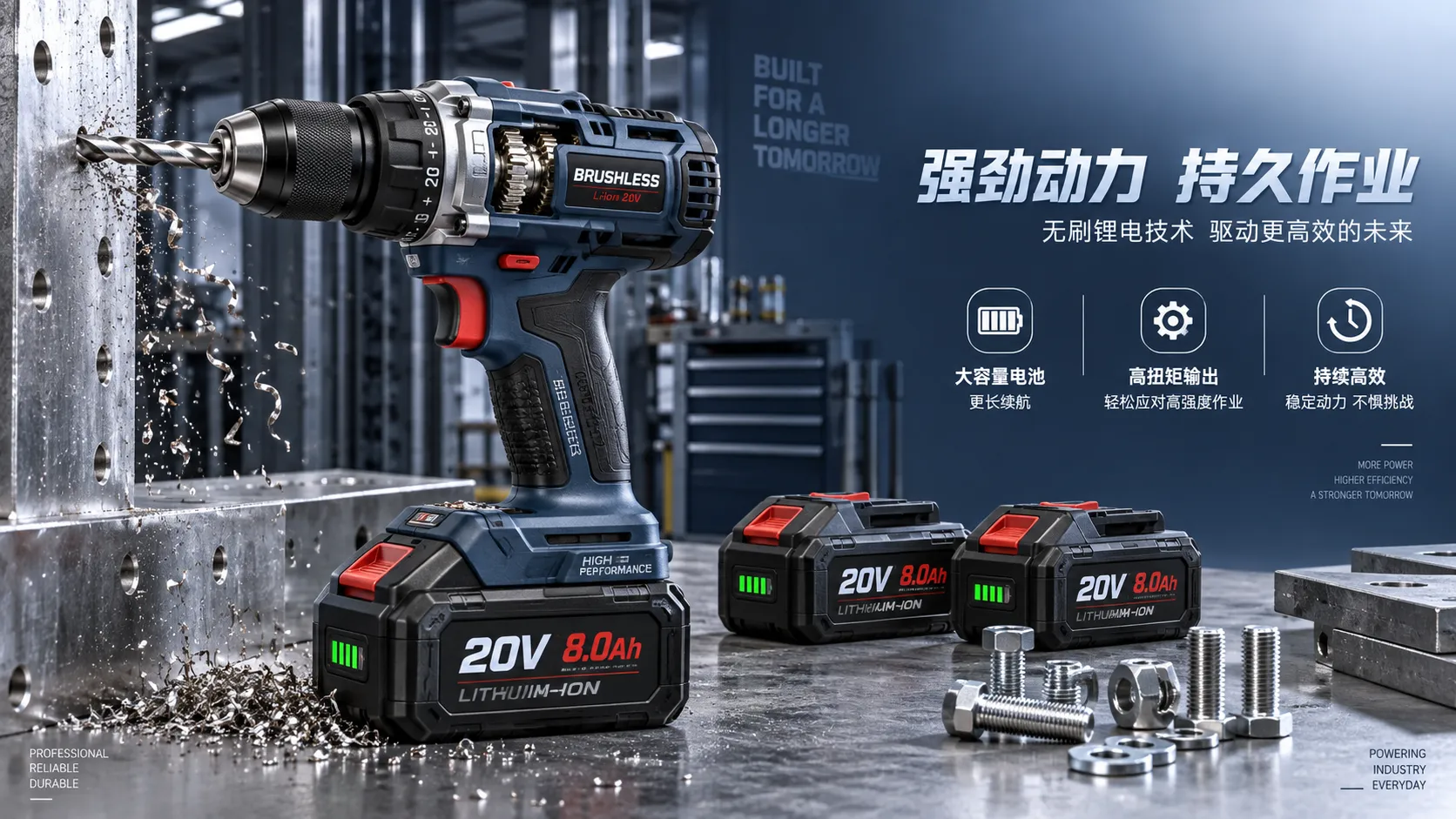
How Battery, Torque, and Duty Cycle Affect Cordless Power Tool Efficiency
Cordless power tool efficiency depends on battery output, torque, and duty cycle. Learn how to match tools to demanding jobs for stronger runtime and productivity.

Product Comparison Resources for Component Compatibility and Lifecycle Risk
Product comparison resources for components: evaluate compatibility, interfaces, service support, and lifecycle risk to reduce downtime, avoid redesigns, and make confident sourcing decisions.
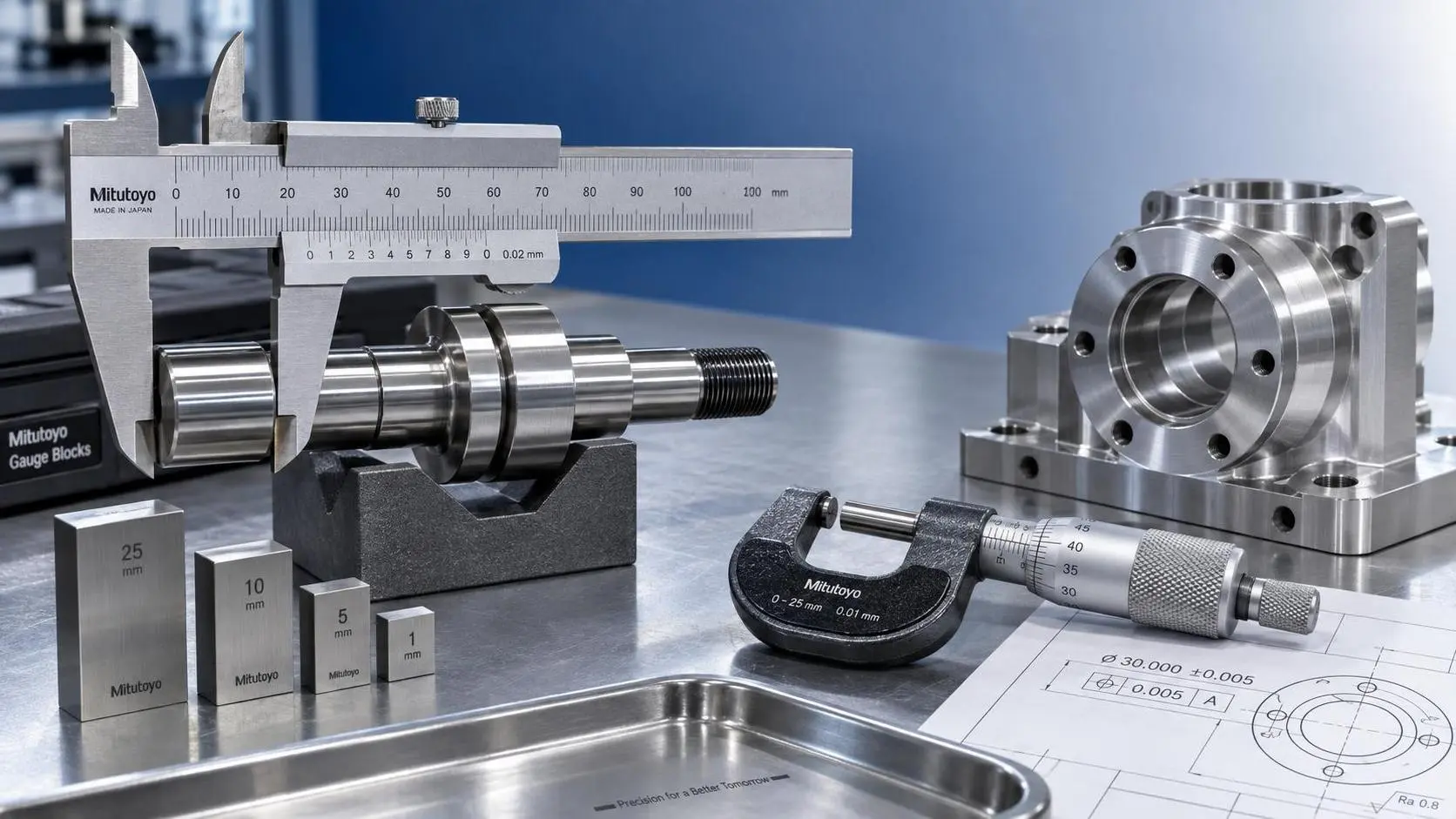
How to Select Vernier Precision Calipers for Tight-Tolerance Machining Inspection
Vernier precision calipers for tight-tolerance machining: learn how to select the right range, jaw design, accuracy, and verification process for reliable inspection.
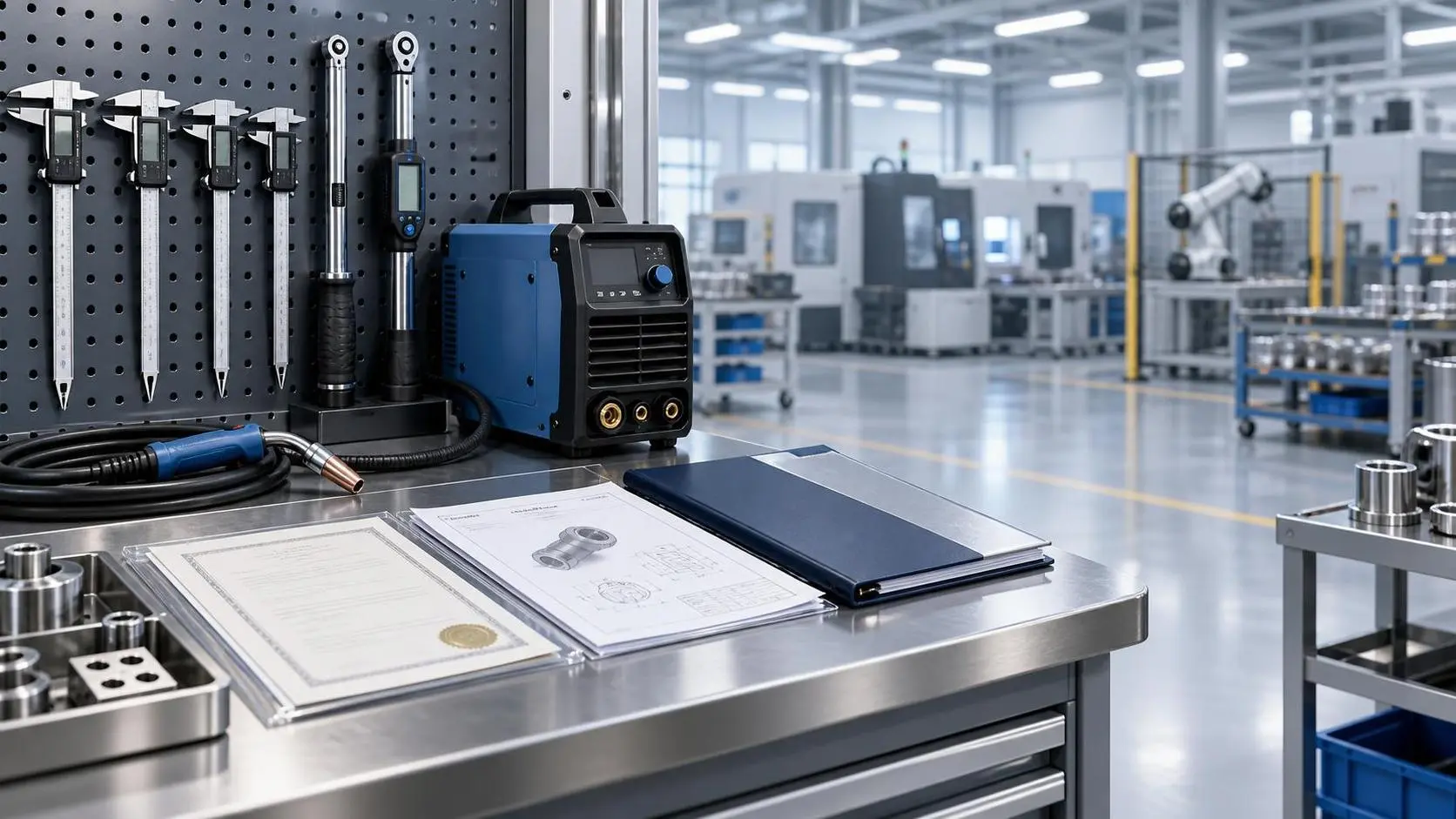
Product Comparison Resources in Europe: How Buyers Can Verify Specs and Suppliers
Product comparison resources Europe: learn how to verify industrial specs, compliance claims, supplier credibility, and delivery risk for smarter purchasing decisions.

How to Evaluate an Industrial Metrology Solution Manufacturer for Production Use
Industrial metrology solution manufacturer evaluation guide for production: compare accuracy, traceability, automation, software, service, and acceptance testing to reduce risk.
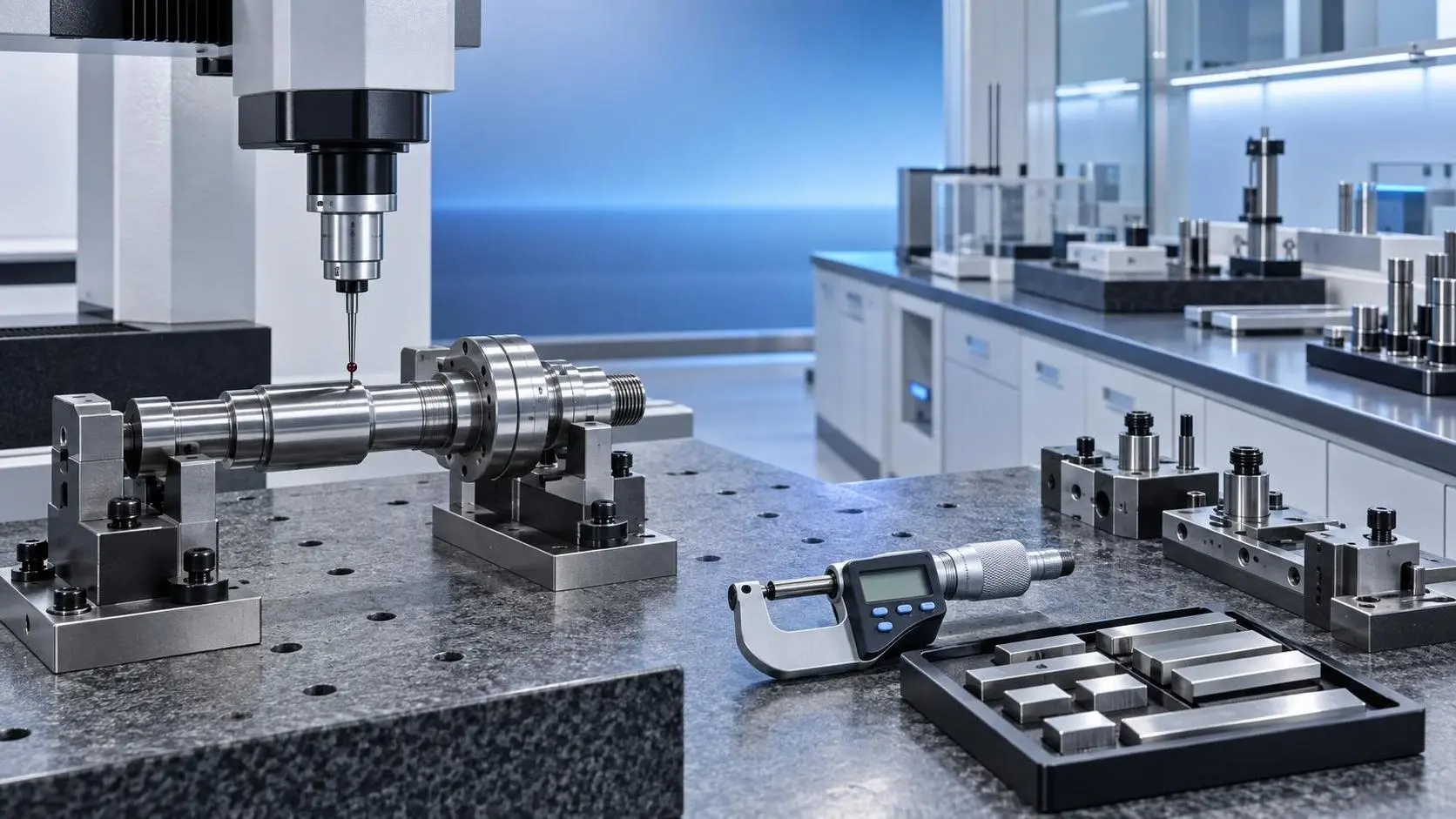
Which ISO Standards Matter Most for Precision Engineering Quality Control?
Precision engineering ISO standards explained: discover how ISO 9001, ISO/IEC 17025, ISO 10012, GPS, and ISO 3834 strengthen quality control, traceability, and compliance.
Related News
- 00
0000-00
How Specification-Driven Articles Improve Precision Measurement System Selection - 00
0000-00
Product Comparison Resources for Component Compatibility and Lifecycle Risk - 00
0000-00
Which ISO Standards Matter Most for Precision Engineering Quality Control? - 00
0000-00
Selecting Metal Joining Methods for Aluminum-to-Steel Assemblies - 00
0000-00
How to Evaluate Industrial Manufacturing Systems for Throughput, Flexibility, and ROI
Prof. Marcus Chen
Weekly Insights
Stay ahead with our curated technology reports delivered every Monday.