
Industrial Automation in Welding Cells: Key Metrics for Throughput, Labor, and ROI





Why is industrial automation in welding cells now a board-level performance question?
Industrial automation has moved welding cells beyond simple labor replacement. It now shapes output stability, cost visibility, and capital discipline across mixed manufacturing environments.
That shift matters because welding is often the last mile where quality losses, schedule delays, and hidden rework accumulate. A faster robot alone does not solve that problem.
The better question is practical: which metrics show whether an automated cell actually improves throughput, labor efficiency, and ROI over time?
In real operations, the answer usually combines cycle data, weld quality trends, uptime, part mix, and the cost of supervision, programming, and maintenance.
This is also where industrial automation becomes a strategic issue rather than a technical upgrade. A cell that runs faster but stops often can damage economics.
GPTWM frequently frames this through a wider lens. Its Strategic Intelligence Center tracks not only joining technology, but also metrology, safety standards, component supply, and adoption signals across construction, automotive, and aerospace maintenance.
That perspective is useful because welding automation decisions rarely stand alone. They connect to inspection capability, operator ergonomics, export compliance, and digital factory reporting.
Which throughput metrics actually reveal whether a welding cell is productive?
Many buyers focus on quoted cycle time first. It matters, but it is only one layer of the throughput story.
A more reliable reading comes from comparing programmed cycle time with achieved cycle time across shifts, product families, and fixture changeovers.
If the gap is large, the bottleneck often sits outside the robot path. Part loading, tack accuracy, torch cleaning, or inspection release may be the real limiter.
Useful throughput metrics usually include:
- Actual parts per hour by SKU, not just theoretical parts per hour.
- Arc-on time as a share of total cell time.
- Changeover duration between part variants.
- First-pass yield at the cell exit.
- Unplanned stoppage minutes per shift.
Arc-on time is especially revealing. A cell may look automated, yet spend too much time waiting for fixtures, consumable service, or manual verification.
First-pass yield belongs in the throughput discussion because defective welds create false capacity. Rework inflates utilization reports while reducing shippable output.
Where product mix is high, industrial automation should also be judged on recipe stability. A cell that performs well on one part but struggles on low-volume variants carries hidden risk.
A quick reference for throughput interpretation
The table below helps separate strong industrial automation performance from numbers that look good only in demonstrations.
Does industrial automation really reduce labor cost, or just move it elsewhere?
This is one of the most searched questions for a reason. Labor savings are real, but they are rarely as simple as removing direct weld hours.
In many plants, industrial automation reduces repetitive manual welding, overtime exposure, and dependence on scarce high-skill labor. That is a major advantage.
At the same time, some labor shifts into programming, fixture setup, preventive maintenance, quality validation, and production engineering support.
The key is not whether labor disappears. It is whether labor hours move toward higher-value control and whether output per labor hour rises consistently.
A useful evaluation compares three categories:
- Direct weld labor before and after automation.
- Indirect technical labor added to support the cell.
- Labor stability gains from lower turnover and easier training paths.
More common than full headcount reduction is labor redeployment. Manual welders may shift into fit-up, cell tending, inspection, or exception handling.
That is not a weakness if the economics improve. The stronger industrial automation case often comes from higher output with fewer labor bottlenecks, not from dramatic payroll cuts.
Needle-moving labor metrics include labor hours per accepted part, overtime reduction, and the number of certified specialists needed per shift to maintain target volume.
When does ROI become credible instead of optimistic?
ROI calculations for industrial automation often fail when they rely on ideal production assumptions and ignore ramp-up losses.
A credible model starts with total landed cost. That includes the robot cell, power source, fixtures, guarding, extraction, training, software, integration, and validation.
Then it applies realistic production behavior. Expect a learning curve, programming adjustments, and some early downtime before throughput stabilizes.
Good ROI models also include savings that are easy to miss:
- Lower rework and scrap from repeatable weld parameters.
- Less overtime during demand peaks.
- Reduced dependence on hard-to-fill manual welding shifts.
- Better schedule confidence for downstream assembly.
On the cost side, include consumables, spare parts, torch wear, calibration checks, offline programming licenses, and any metrology needed to verify repeatability.
That last point is often underestimated. GPTWM regularly highlights how precision measurement affects the economics of intelligent tools. If parts arrive out of tolerance, the cell can lose efficiency fast.
For that reason, the most reliable ROI question is not “How fast is payback?” but “Under what volume, mix, and quality conditions does payback remain stable?”
A practical ROI checkpoint list
Before approving a project, it helps to test the business case against these operational realities.
- Is annual volume high enough to absorb ramp-up and fixture investment?
- Does part variation require frequent reteaching or manual intervention?
- Can upstream cutting and fit-up hold tolerances consistently?
- Will inspection methods confirm gains in first-pass quality?
- Does the model include utility, safety, and maintenance overhead?
What usually separates a good welding automation fit from a costly mismatch?
Not every weld process benefits equally from industrial automation. The strongest fit usually combines repeatable joint geometry, moderate to high volume, and predictable fixturing.
If parts vary widely, arrive with poor edge preparation, or require frequent custom adjustments, automation can still work, but the integration burden rises.
A useful decision lens is to examine variation before velocity. Stable parts support stable ROI.
Applications often suited to industrial automation include repeat frame welding, fabricated brackets, enclosures, tube assemblies, and serialized components needing traceable process control.
Caution is warranted where batch sizes are tiny, fixtures are unstable, or cosmetic acceptance standards are high but poorly defined.
Another common mismatch comes from underestimating digital readiness. Automated cells produce data, but that data only helps when reporting, quality systems, and maintenance routines can use it.
This is where GPTWM’s broader coverage becomes relevant. Industrial automation in welding increasingly intersects with IoT torque control, ergonomic tooling standards, and regional compliance expectations.
In other words, the best welding cell investment often supports a larger manufacturing intelligence roadmap rather than standing as a single isolated machine.
What risks get overlooked during implementation, and how can they be managed early?
The most expensive mistakes rarely come from the robot itself. They usually come from weak assumptions around part quality, support skills, and production variability.
One frequent issue is overpromising on unattended operation. Even mature industrial automation needs disciplined consumable management, fixture maintenance, and exception response.
Another risk is measuring success too narrowly. A cell may hit speed targets while causing downstream inspection delays or upstream staging problems.
A more balanced implementation review checks these areas:
- Part tolerance capability before automation launch.
- Training depth for programmers, operators, and maintenance staff.
- Safety integration for arc flash, fume extraction, and guarding access.
- Data ownership for downtime, weld quality, and traceability records.
- Supplier support speed for spares, software updates, and troubleshooting.
In practical terms, pilot validation often works better than broad promises. Running representative parts through a measured trial can expose hidden fixture or tolerance issues early.
That kind of disciplined testing fits well with GPTWM’s emphasis on precision foundations. Strong metrology and process intelligence reduce surprises during the transition to automated welding.
So how should the next decision be framed?
Industrial automation in welding cells should be judged as a performance system, not a standalone machine purchase.
The most useful questions are grounded in measurable reality: how many accepted parts leave the cell, how labor shifts, how variation is controlled, and how stable payback remains.
If those answers are not yet clear, the next step is usually to map current throughput losses, define acceptable quality metrics, and test volume assumptions against real part variation.
It also helps to compare candidate solutions against a common scorecard covering arc-on time, changeover, first-pass yield, support requirements, and full lifecycle cost.
Where market conditions, standards, or component supply may shift, intelligence sources such as GPTWM add context beyond equipment brochures. That broader view supports more durable decisions.
In the end, the strongest industrial automation investment is the one that improves output discipline, protects quality, and keeps ROI visible long after installation.
Related News
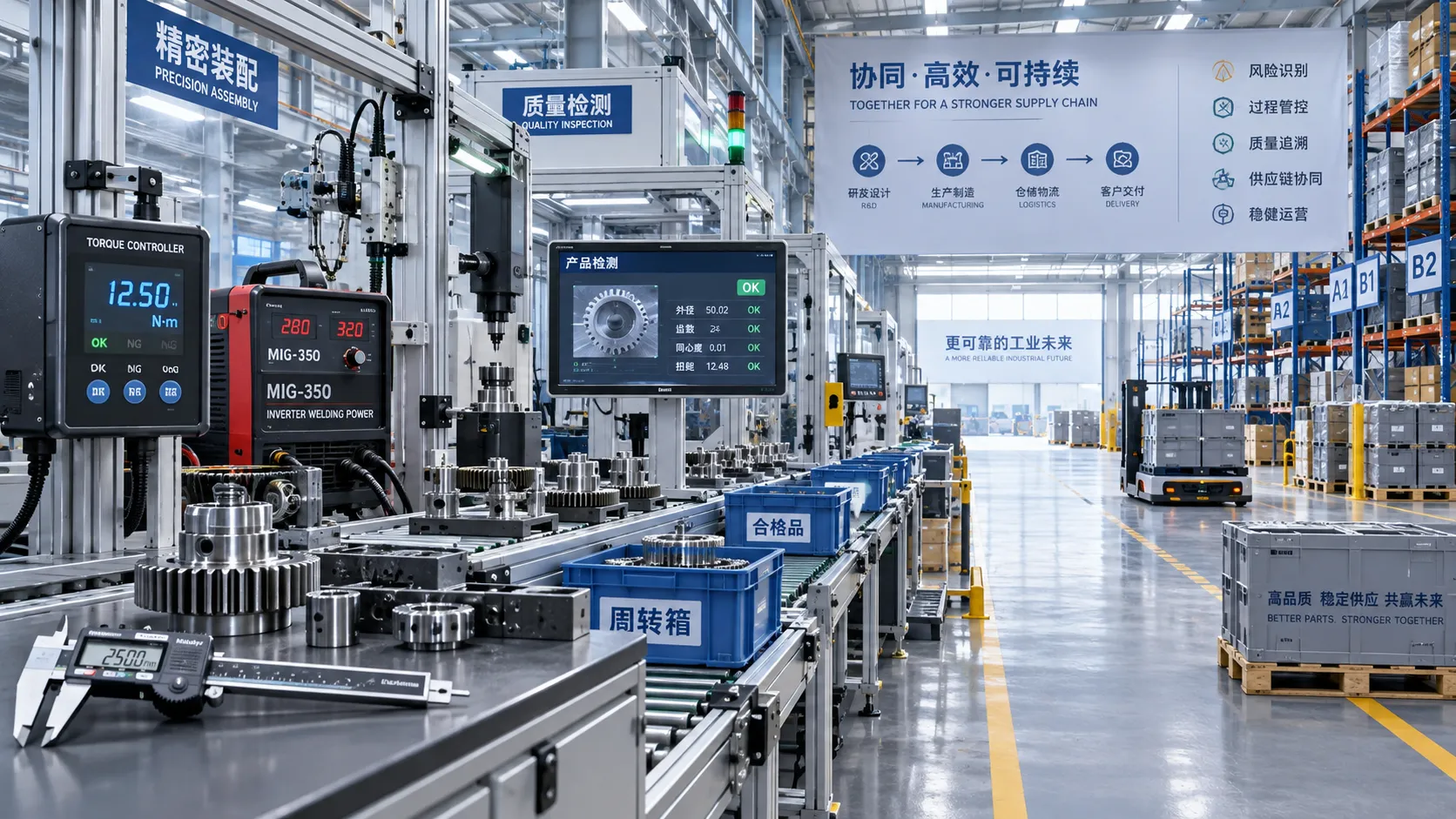
How Procurement Teams Can Map the Industrial Value Chain to Reduce Supply Risk
Industrial value chain procurement helps teams map hidden dependencies, qualify resilient sources, and reduce supply risk before disruptions stop production.
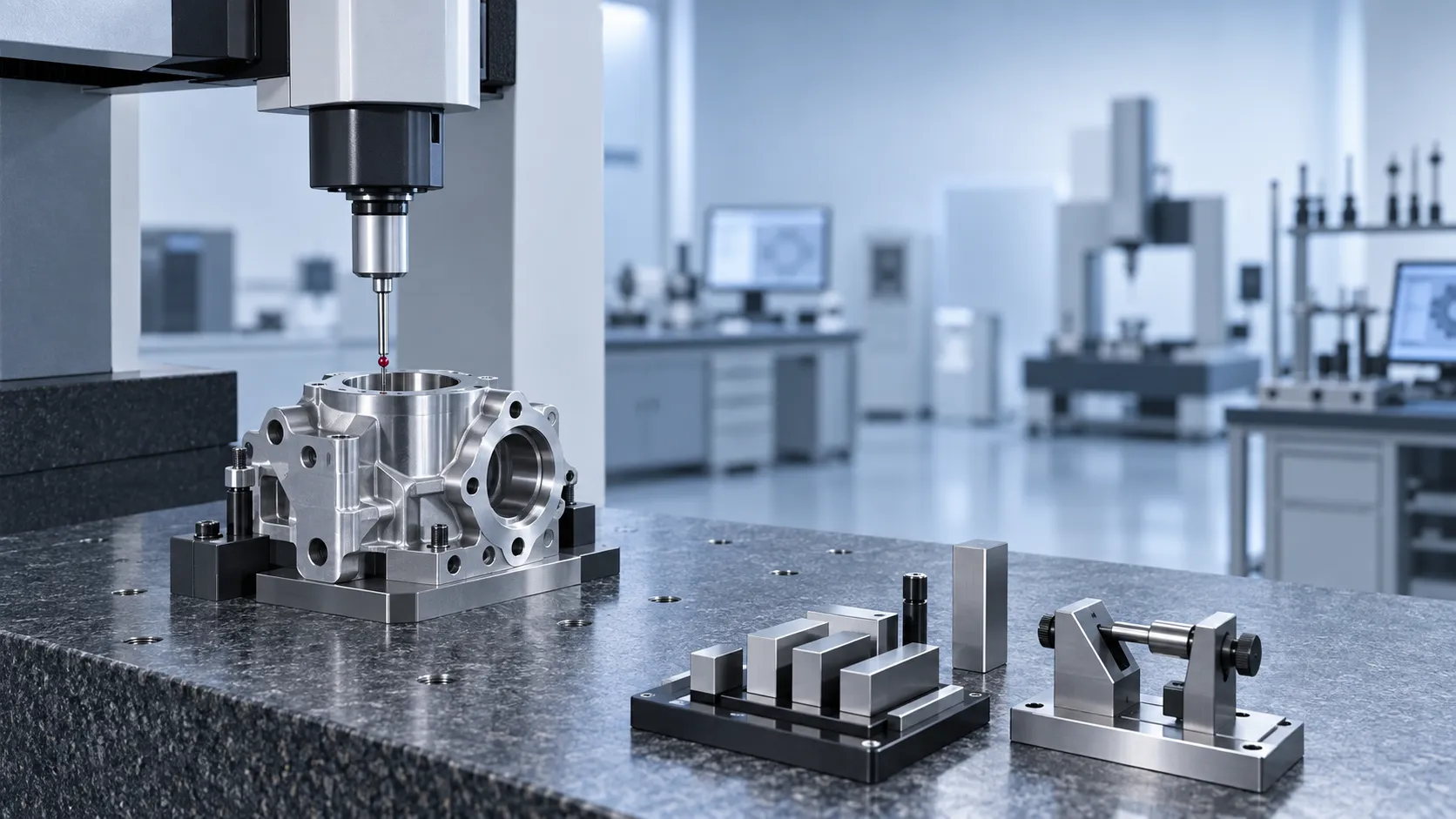
How Specification-Driven Articles Improve Precision Measurement System Selection
Specification-oriented articles precision measurement guidance helps teams compare accuracy, repeatability, environment, and data needs to select reliable systems with confidence.
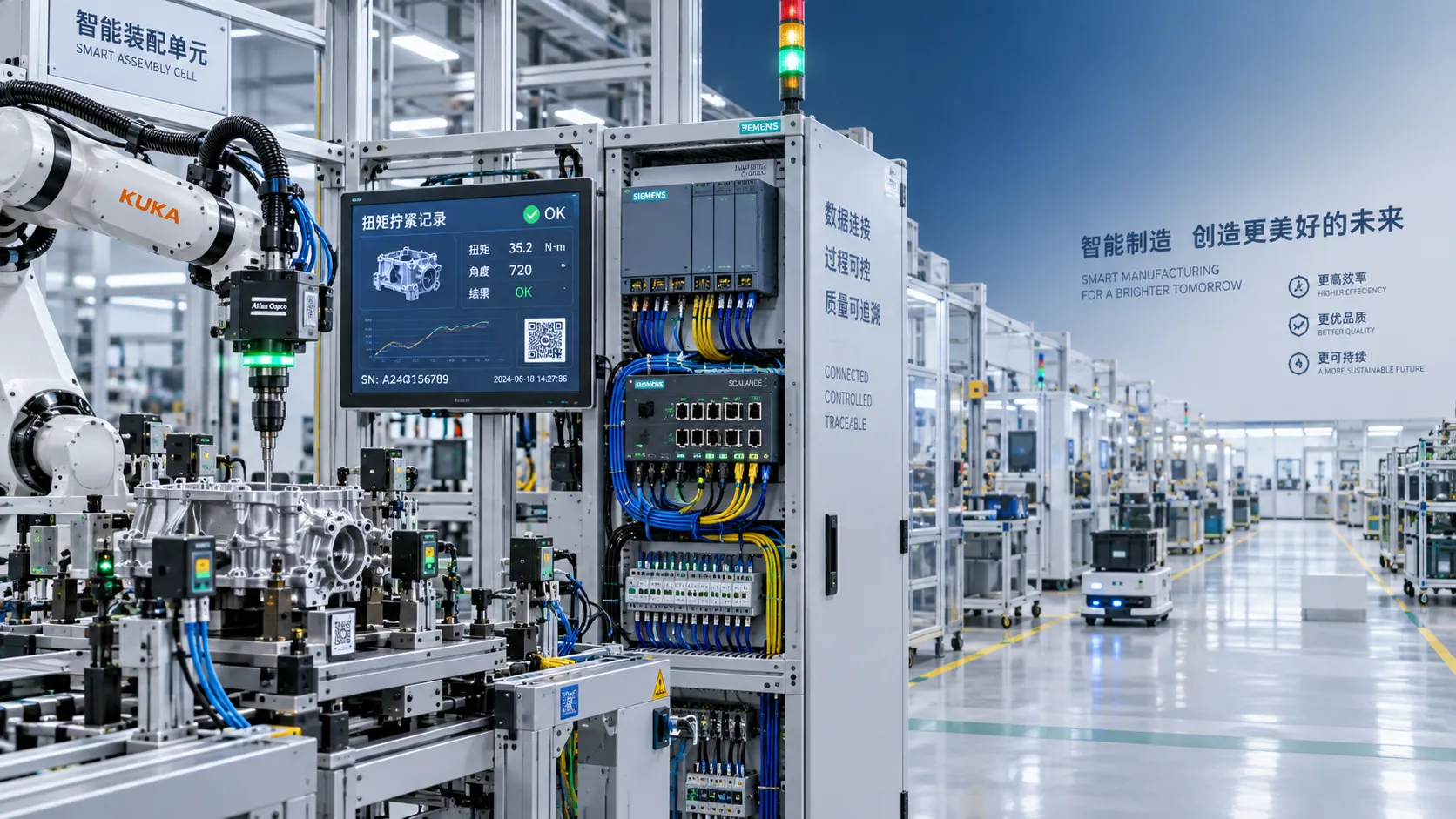
How to Evaluate a Technology Integration Service Provider for Complex Projects
Technology integration service provider selection guide: evaluate interface ownership, delivery discipline, scalable architecture, and risk control for complex projects.
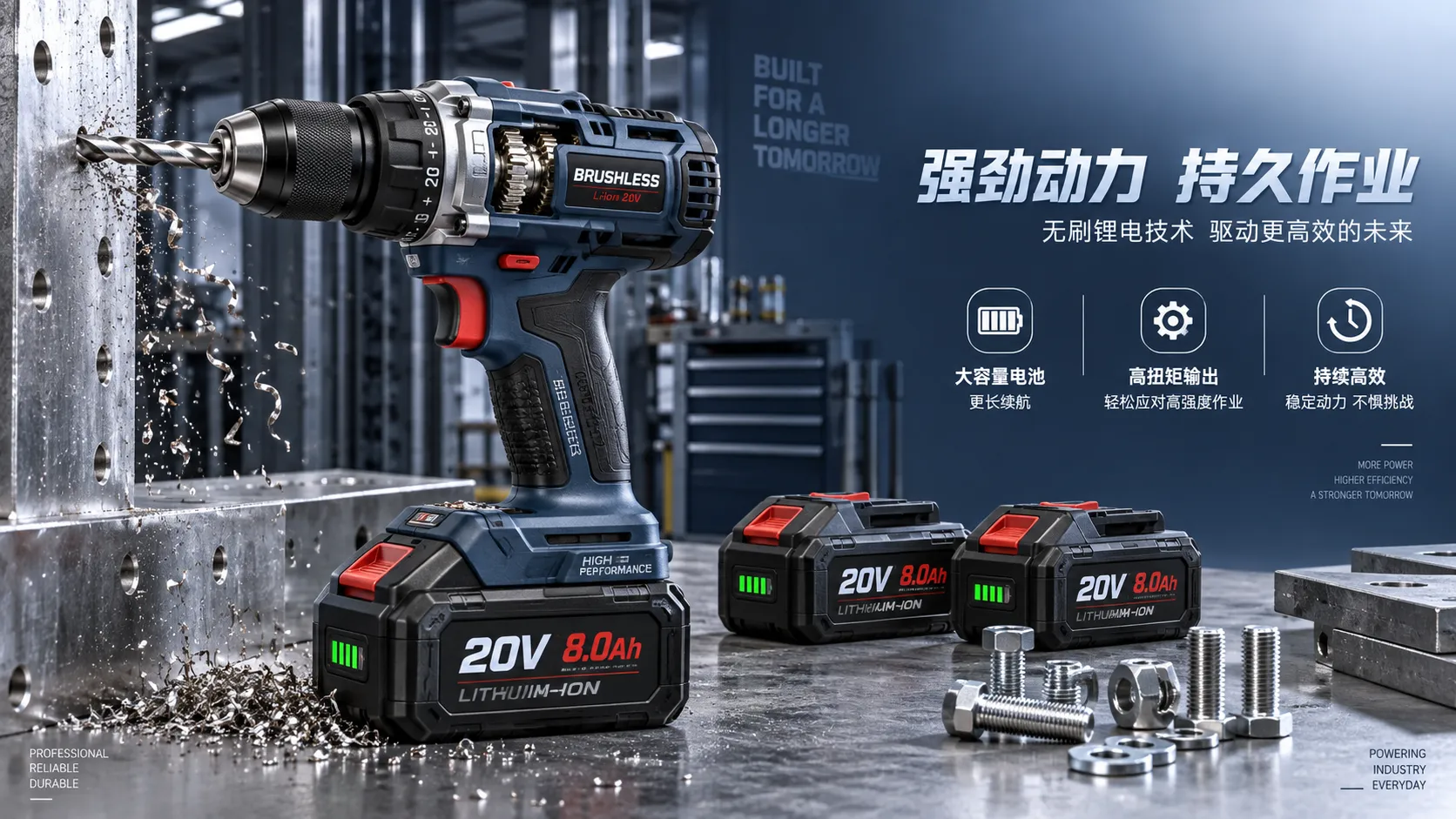
How Battery, Torque, and Duty Cycle Affect Cordless Power Tool Efficiency
Cordless power tool efficiency depends on battery output, torque, and duty cycle. Learn how to match tools to demanding jobs for stronger runtime and productivity.
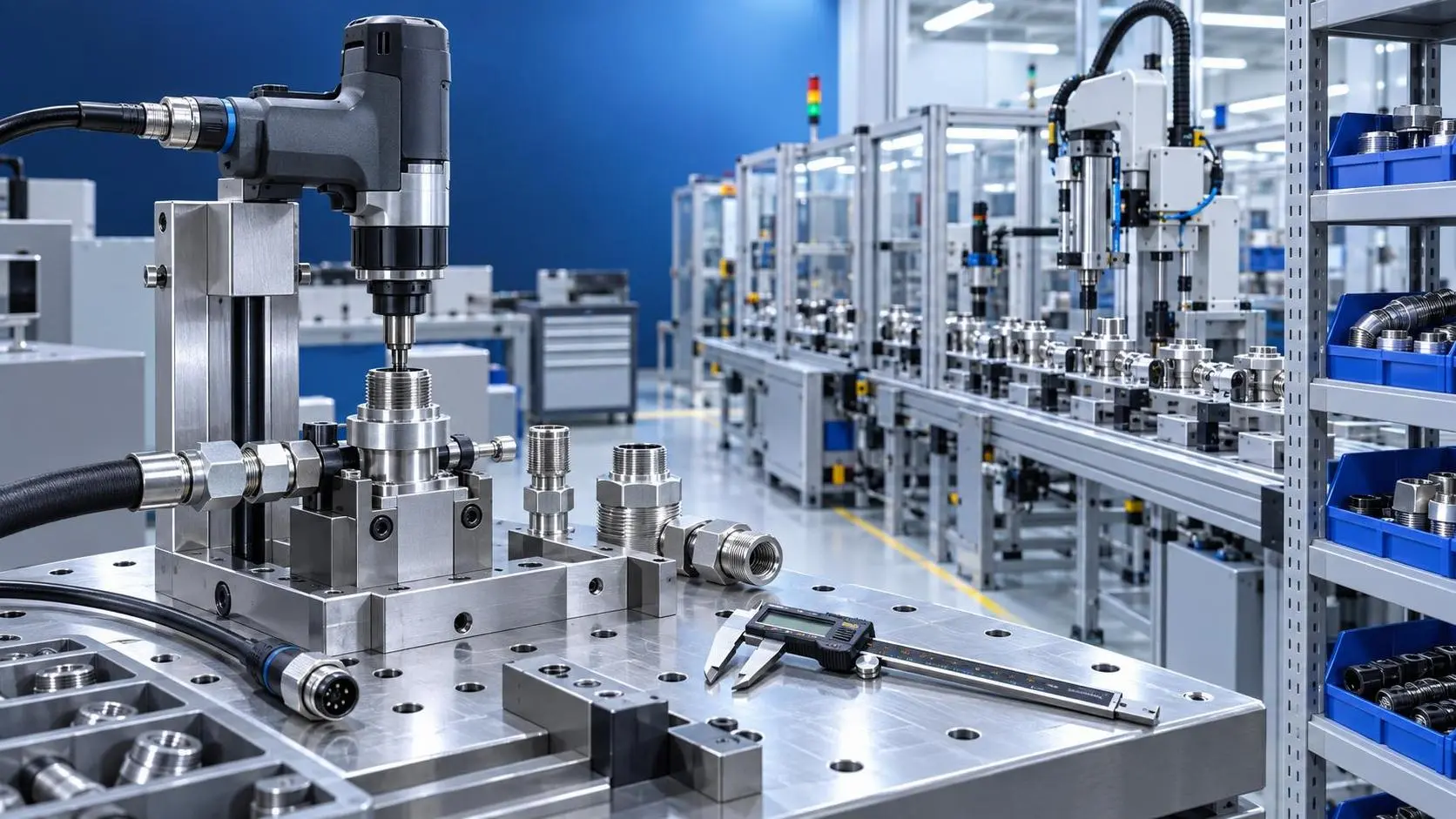
Product Comparison Resources for Component Compatibility and Lifecycle Risk
Product comparison resources for components: evaluate compatibility, interfaces, service support, and lifecycle risk to reduce downtime, avoid redesigns, and make confident sourcing decisions.
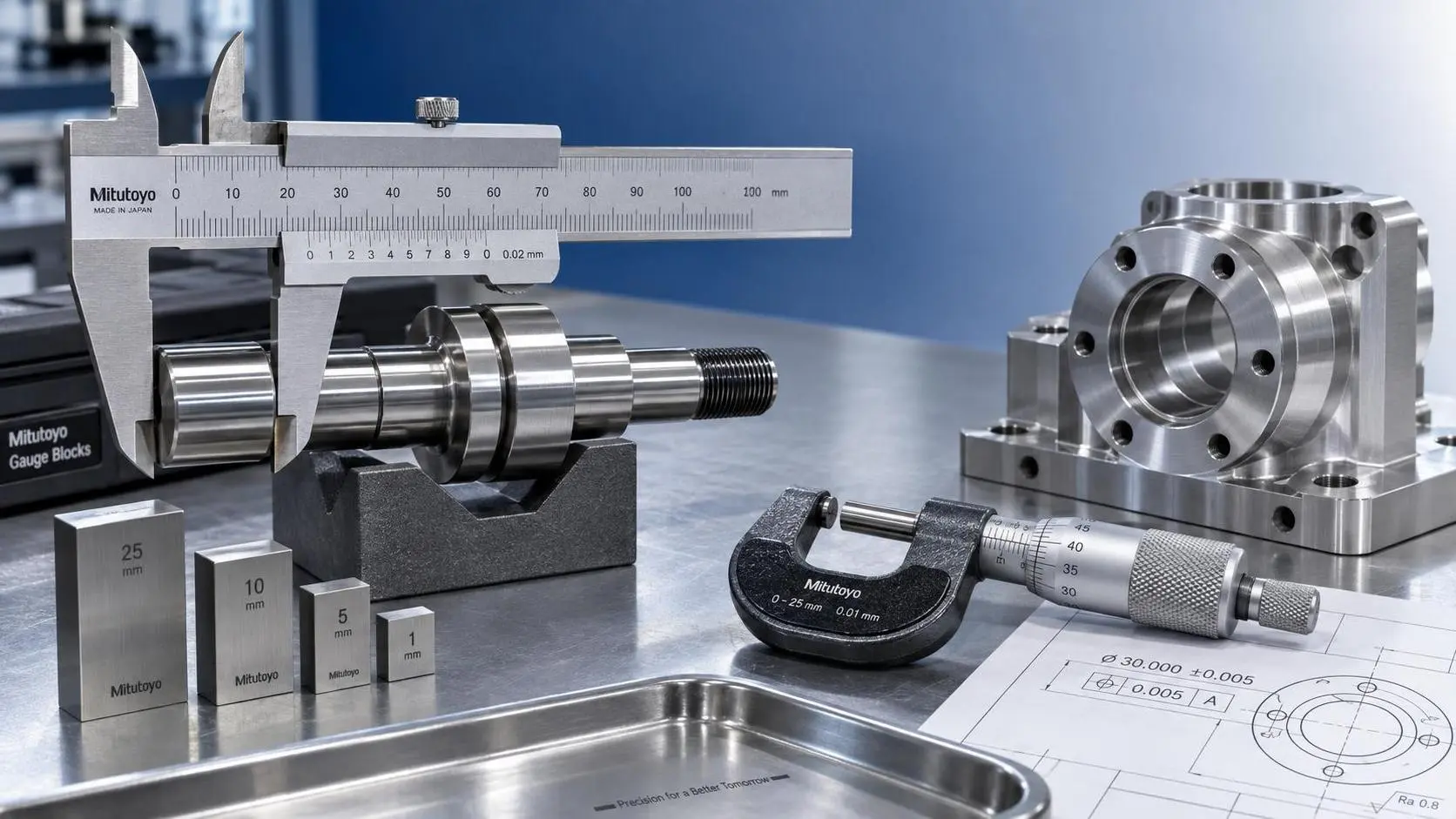
How to Select Vernier Precision Calipers for Tight-Tolerance Machining Inspection
Vernier precision calipers for tight-tolerance machining: learn how to select the right range, jaw design, accuracy, and verification process for reliable inspection.
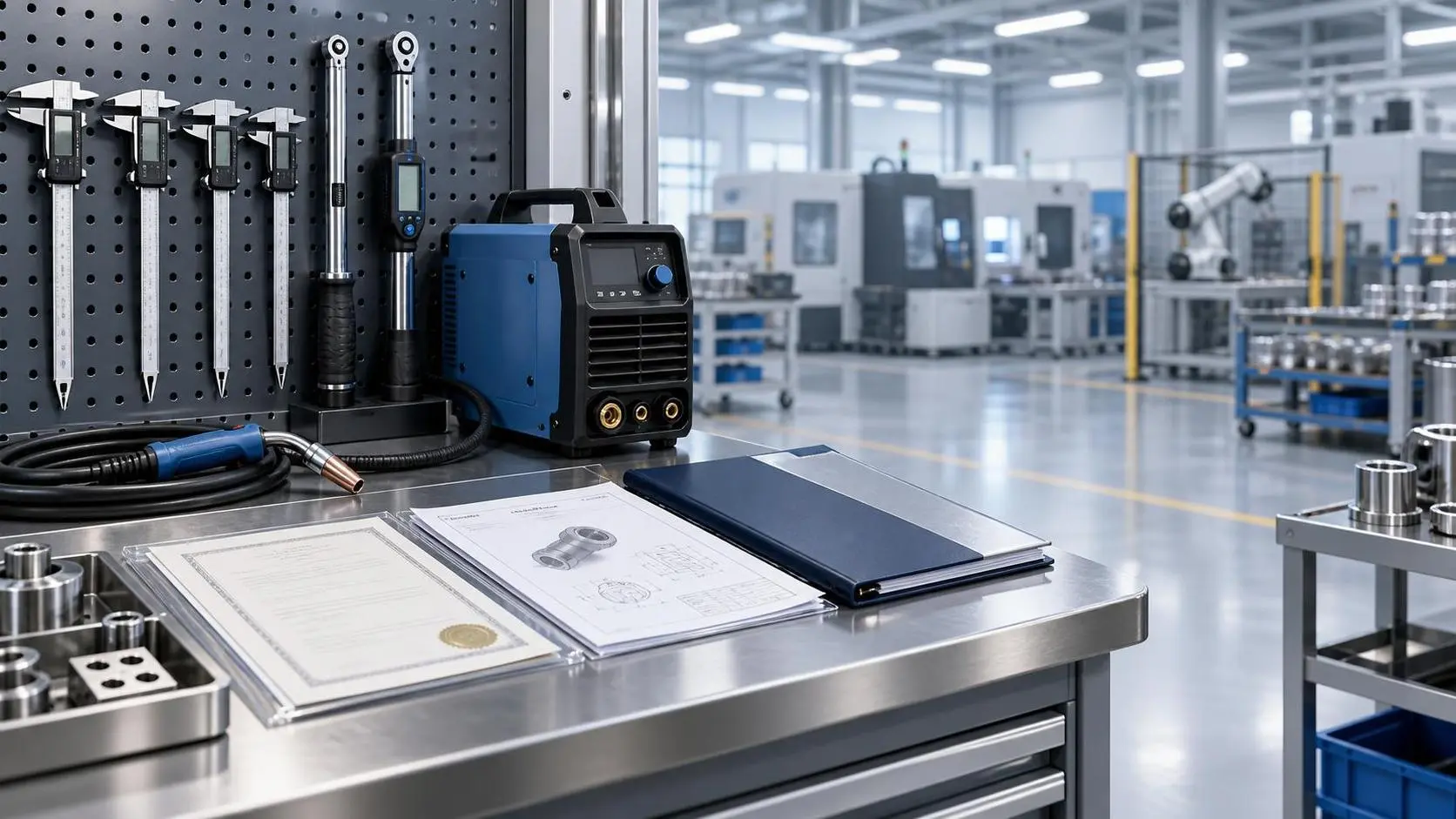
Product Comparison Resources in Europe: How Buyers Can Verify Specs and Suppliers
Product comparison resources Europe: learn how to verify industrial specs, compliance claims, supplier credibility, and delivery risk for smarter purchasing decisions.
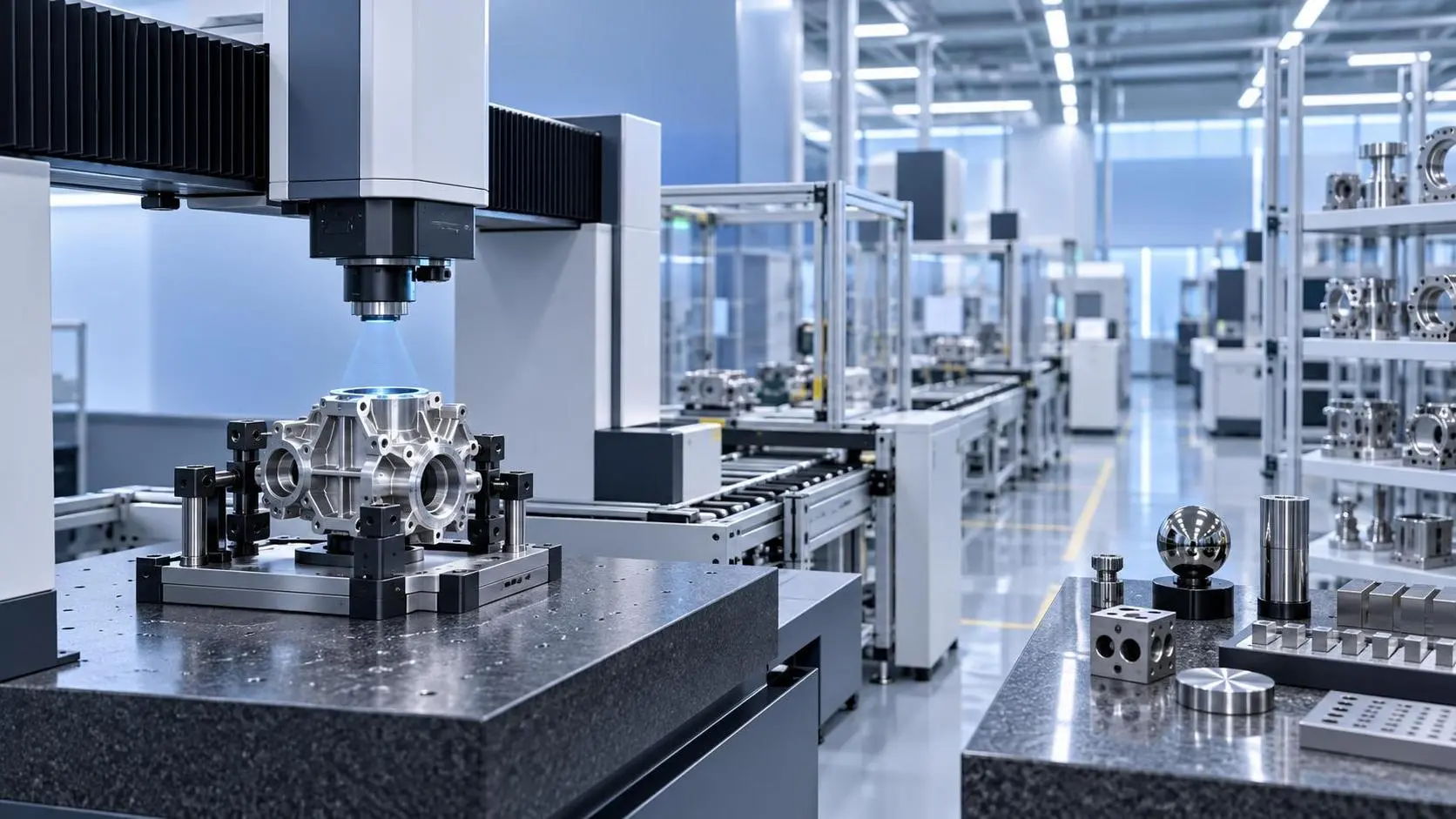
How to Evaluate an Industrial Metrology Solution Manufacturer for Production Use
Industrial metrology solution manufacturer evaluation guide for production: compare accuracy, traceability, automation, software, service, and acceptance testing to reduce risk.
Which ISO Standards Matter Most for Precision Engineering Quality Control?
Precision engineering ISO standards explained: discover how ISO 9001, ISO/IEC 17025, ISO 10012, GPS, and ISO 3834 strengthen quality control, traceability, and compliance.
Related News
- 00
0000-00
How Specification-Driven Articles Improve Precision Measurement System Selection - 00
0000-00
Product Comparison Resources for Component Compatibility and Lifecycle Risk - 00
0000-00
Which ISO Standards Matter Most for Precision Engineering Quality Control? - 00
0000-00
Selecting Metal Joining Methods for Aluminum-to-Steel Assemblies - 00
0000-00
How to Evaluate Industrial Manufacturing Systems for Throughput, Flexibility, and ROI
Prof. Marcus Chen
Weekly Insights
Stay ahead with our curated technology reports delivered every Monday.