
How industrial solutions are changing plant upgrade plans





As manufacturers face tighter margins, aging assets, and rising automation demands, industrial solutions are becoming central to every plant upgrade strategy. From precision tooling and welding technologies to intelligent metrology and connected control systems, today’s decisions shape long-term efficiency, safety, and competitiveness. For business leaders, understanding how these solutions influence upgrade planning is essential to building smarter, more resilient operations.
For decision-makers, plant upgrades are no longer limited to replacing old machines every 10 to 15 years. They now involve evaluating integrated production capability, energy use, labor efficiency, maintenance burden, and data visibility across the entire operation.
This shift has elevated industrial solutions from a purchasing category to a strategic planning tool. Whether a facility is modernizing welding cells, improving torque control, tightening dimensional tolerance, or building a more connected maintenance workflow, upgrade plans increasingly depend on solution fit rather than equipment alone.
For organizations tracking industrial assembly, metal joining, and precision metrology trends, platforms such as GPTWM help connect operational pain points with market intelligence. That linkage matters when plant leaders must make 3- to 5-year investment decisions under volatile supply, compliance, and productivity conditions.
Why industrial solutions now define upgrade priorities
In many facilities, 20% to 40% of core assets are still serviceable but underperforming. Full replacement is often too expensive, yet keeping legacy systems unchanged creates losses in throughput, quality, and worker safety. This is where industrial solutions reshape the upgrade conversation.
Instead of asking, “Which machine should we buy?” manufacturers increasingly ask four more useful questions: Where is the bottleneck, what is the measurable loss, which process layer needs improvement, and how quickly can the investment be validated?
From equipment replacement to system optimization
A modern upgrade plan typically combines at least 3 layers: hardware, process control, and measurement feedback. For example, a welding line may require safer handheld laser welding procedures, more consistent power delivery, and real-time inspection data rather than just a new power source.
The same logic applies to assembly and maintenance. A plant may improve final torque traceability, reduce rework by 8% to 15%, and shorten calibration cycles from 30 days to 14 days without rebuilding the entire line. Industrial solutions make these targeted improvements possible.
What executives are really buying
- Lower unplanned downtime through predictive maintenance and connected diagnostics
- Better process consistency through calibrated tooling and closed-loop control
- Safer operator environments through improved guarding, ventilation, and training protocols
- Faster return on capital through phased upgrades instead of one-time large shutdown projects
The table below outlines how traditional upgrade thinking differs from a solution-led approach. This comparison is useful for board-level discussions, budget planning, and cross-functional alignment between operations, engineering, and procurement.
The key takeaway is that plant leaders increasingly buy outcomes, not isolated assets. Industrial solutions create value when they reduce variability, support compliance, and help teams make better production decisions within 6 to 18 months of deployment.
Where industrial solutions have the biggest impact in plant upgrades
Not every process requires the same level of intervention. However, several areas consistently deliver the strongest return when industrial solutions are integrated into plant upgrade plans: assembly precision, welding performance, metrology accuracy, and connected control systems.
Precision tooling and assembly control
In high-mix production environments, manual or semi-automatic assembly often hides inefficiency. Intelligent torque tools, brushless motor platforms, and digital work instructions can reduce fastening variation, shorten training time by 20% to 30%, and improve traceability for regulated sectors.
For business leaders, the value is not just better tightening results. It is stronger process repeatability across shifts, fewer customer claims, and easier root-cause analysis when defects occur.
Metal joining and welding modernization
Welding remains one of the most upgrade-sensitive areas in industrial manufacturing. Plants are balancing productivity targets with growing safety expectations, especially where handheld laser welding, thin-wall materials, or mixed-material assemblies are involved.
In many cases, upgrade plans now include 4 linked factors: operator shielding, fume management, parameter stability, and post-weld verification. This moves the conversation beyond power source selection and toward full process assurance.
Metrology as a decision system, not a lab function
Precision metrology is becoming central to plant modernization because tolerance drift affects scrap, warranty exposure, and assembly fit. A gauge with repeatability issues of even ±0.02 mm can trigger downstream errors in aerospace maintenance, automotive repair, or precision fabrication.
When industrial solutions connect inspection devices to production data, quality stops being reactive. Teams can identify trends after 50 parts instead of after 500, and maintenance teams can recalibrate based on actual drift rather than fixed intervals alone.
Connected controls and maintenance visibility
IoT-enabled controls, sensor feedback, and digital dashboards are changing how plants stage upgrades. Rather than waiting for a major shutdown, teams can map load cycles, temperature ranges, vibration changes, or torque deviations over 7-day, 30-day, and 90-day windows.
This visibility helps leaders prioritize investment by asset criticality. A conveyor motor nearing performance limits is managed differently from a measurement station causing 3% repeated reinspection. Industrial solutions make those distinctions operationally visible.
Typical high-impact upgrade areas
- Fastening systems with poor torque consistency
- Welding stations with safety or repeatability concerns
- Inspection points with frequent recalibration or drift
- Maintenance workflows lacking machine condition data
- Manual documentation processes that slow compliance reviews
The following table shows how common upgrade targets align with practical industrial solutions. It can help executive teams connect plant pain points with implementation scope and review priorities.
A clear pattern emerges: the most effective plant upgrades occur where industrial solutions connect process performance with measurable business results. This is especially important when leadership teams must justify capital allocation across multiple sites or product lines.
How to evaluate industrial solutions before approving a plant upgrade
Good technology does not always equal a good fit. For enterprise buyers, the evaluation process should include operational compatibility, implementation risk, training load, and lifecycle economics. A lower purchase price can become the more expensive choice over a 24- to 36-month horizon.
Five practical evaluation criteria
- Integration compatibility with existing PLCs, MES layers, or inspection software
- Operator learning curve, usually measured over 1 to 4 weeks
- Maintenance requirements, including calibration, spare parts, and service response
- Safety and ergonomic impact for repetitive or high-heat tasks
- Data usefulness for management decisions, not just raw data volume
Questions leadership teams should ask suppliers
Procurement teams should move beyond brochures and ask specific operational questions. What is the recommended calibration interval: 7 days, 30 days, or usage-based? What training time is typical for a three-shift operation? Which components are consumable, and what is the normal replacement cycle?
It is also important to clarify whether the supplier supports phased deployment. In many plants, a pilot line running for 6 to 12 weeks provides more valuable evidence than a plant-wide rollout promise.
Common mistakes in upgrade planning
- Upgrading a machine without improving the related measurement process
- Buying connected tools without defining who will use the generated data
- Comparing suppliers only on capex, ignoring service and downtime risk
- Deploying new welding or assembly technologies without operator retraining
These errors often delay ROI and create internal skepticism toward future modernization. Strong industrial solutions are selected with workflow reality in mind, not just technical specification sheets.
Building a phased upgrade roadmap with lower risk
Most manufacturers do not need a single disruptive overhaul. A phased roadmap allows leaders to spread cost, reduce implementation pressure, and validate results at each stage. This approach is especially useful across multi-site operations or mixed-age equipment fleets.
A practical 4-stage rollout model
- Audit: map bottlenecks, reject patterns, downtime causes, and safety gaps over 30 to 60 days
- Pilot: deploy targeted industrial solutions in one line, cell, or maintenance zone
- Validate: compare output, rework, uptime, and labor indicators against baseline metrics
- Scale: expand to similar assets with standard work, training, and support plans
Why intelligence matters during rollout
Upgrade decisions are influenced by raw material volatility, export restrictions, labor availability, and evolving technical standards. That is why market intelligence has become part of operational planning. GPTWM’s focus on precision tools, welding, and metrology helps leaders see how product trends affect plant timing and sourcing choices.
For example, if a facility depends on imported high-precision measuring instruments or specialized hydraulic equipment, lead times may stretch from 2 weeks to 8 weeks depending on specification and region. Planning without this visibility exposes projects to avoidable delays.
The role of internal alignment
A plant upgrade succeeds when operations, quality, engineering, EH&S, and finance share the same decision framework. Industrial solutions often sit between departments, so ownership must be clearly assigned. One team may own implementation, but at least 3 functions usually shape the business case.
That alignment is particularly important when deploying connected control systems, laser welding safeguards, or digital measurement platforms. The technology may be bought by procurement, but the value is realized only when frontline teams use it consistently.
What enterprise decision-makers should prioritize next
The next generation of plant upgrades will be shaped less by isolated machine purchases and more by integrated industrial solutions that link craftsmanship, automation, and data. For decision-makers, the priority is to identify where precision, joining quality, or maintenance visibility has the highest operational leverage.
In practical terms, start with one or two measurable problems. That could be a 5% scrap pocket in metal joining, recurring assembly variation across shifts, or a metrology process with excessive drift. Then assess which industrial solutions can correct the issue without disrupting the entire production system.
Manufacturers that approach upgrades this way are better positioned to improve efficiency, strengthen safety, and protect long-term competitiveness. If your team is reviewing assembly technologies, welding processes, metrology upgrades, or connected maintenance tools, now is the right time to evaluate a solution-led roadmap.
To explore practical upgrade options with stronger technical and market context, connect with GPTWM for tailored intelligence, product direction, and solution guidance. Contact us today to discuss your plant priorities, get a customized plan, and learn more about industrial solutions that match your operational goals.
Related News
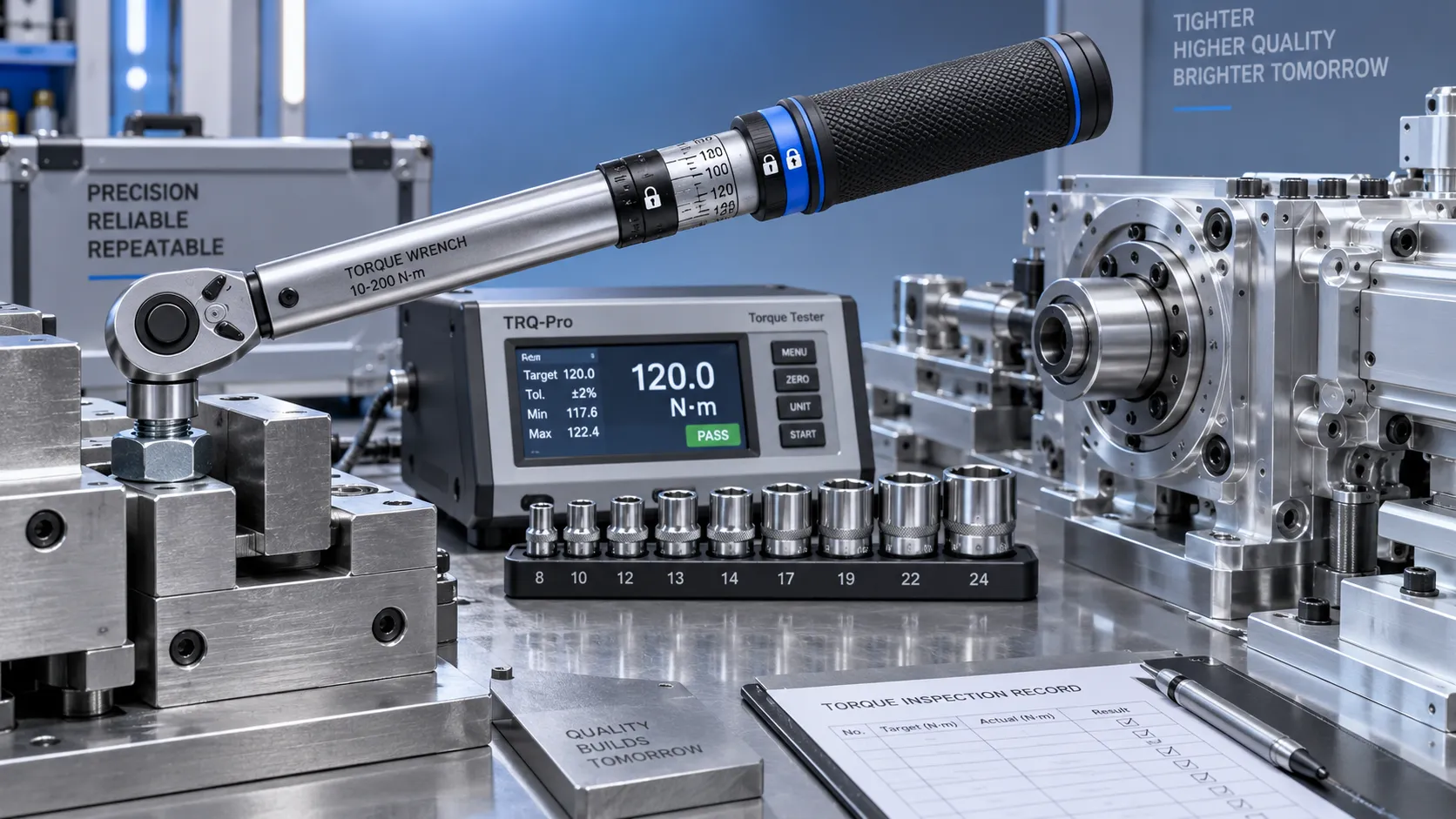
Selecting Adjustable Torque Tools for Repeatable Fastener Assembly
Adjustable torque tools: learn how to match range, accuracy, control methods, calibration, and ergonomics for repeatable, reliable fastener assembly.

How to Select Aerospace Inspection Tools for Aircraft Maintenance Tasks
Aerospace maintenance inspection tools: learn how to select reliable, traceable equipment for aircraft access, accuracy, calibration, and compliant maintenance decisions.

How to Select Wire Bonding Tools for Fine-Pitch Semiconductor Packaging
Explore semiconductor manufacturing tools for wire bonding and learn how to select precision solutions for fine-pitch packaging, reliable loops, accuracy, and yield.
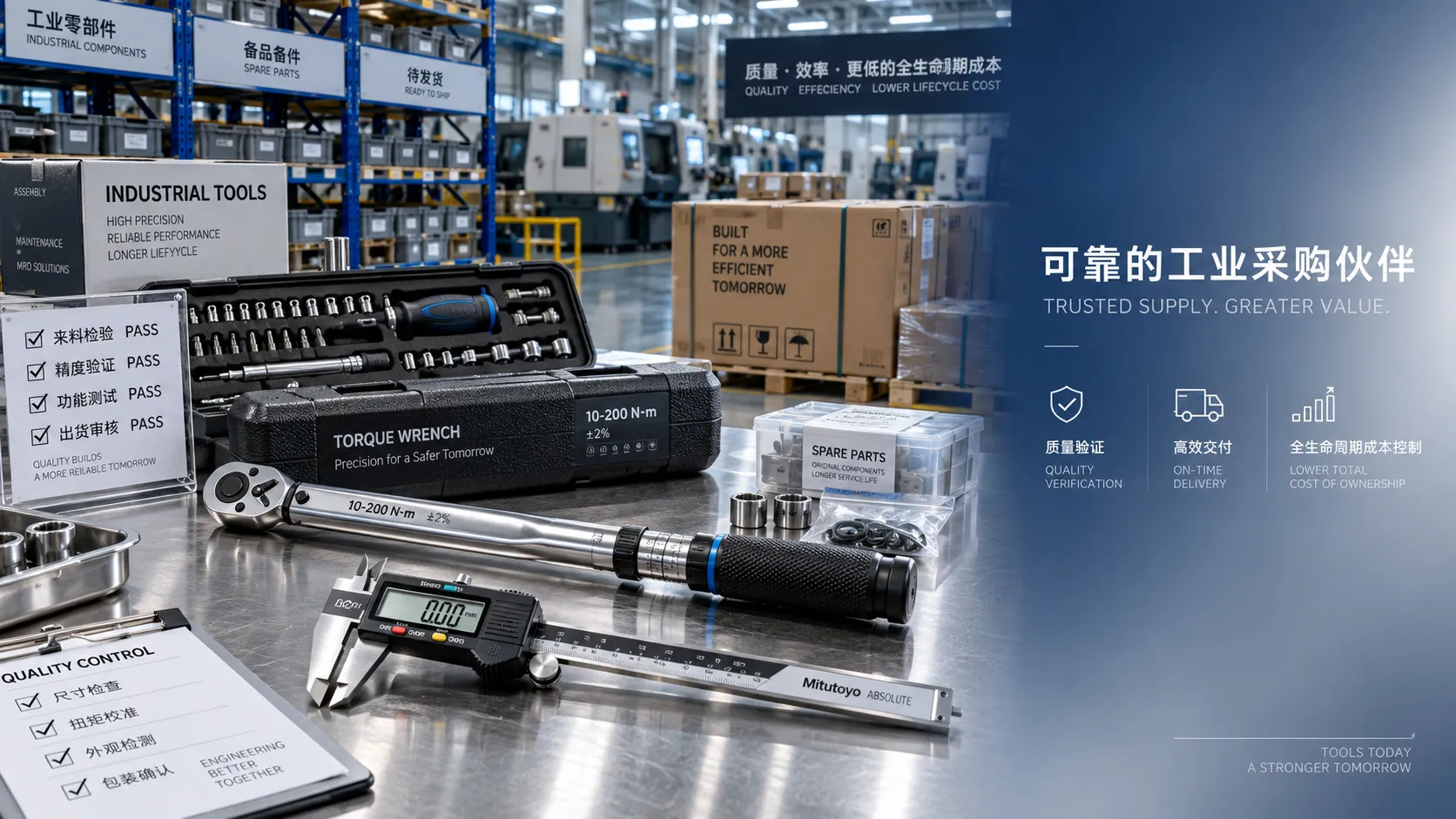
How to Compare Industrial Tool Suppliers for Quality, Lead Time, and Total Cost
Industrial tool selection supplier comparison made simple: evaluate quality, lead times, total cost, service, and supply resilience for confident sourcing decisions.
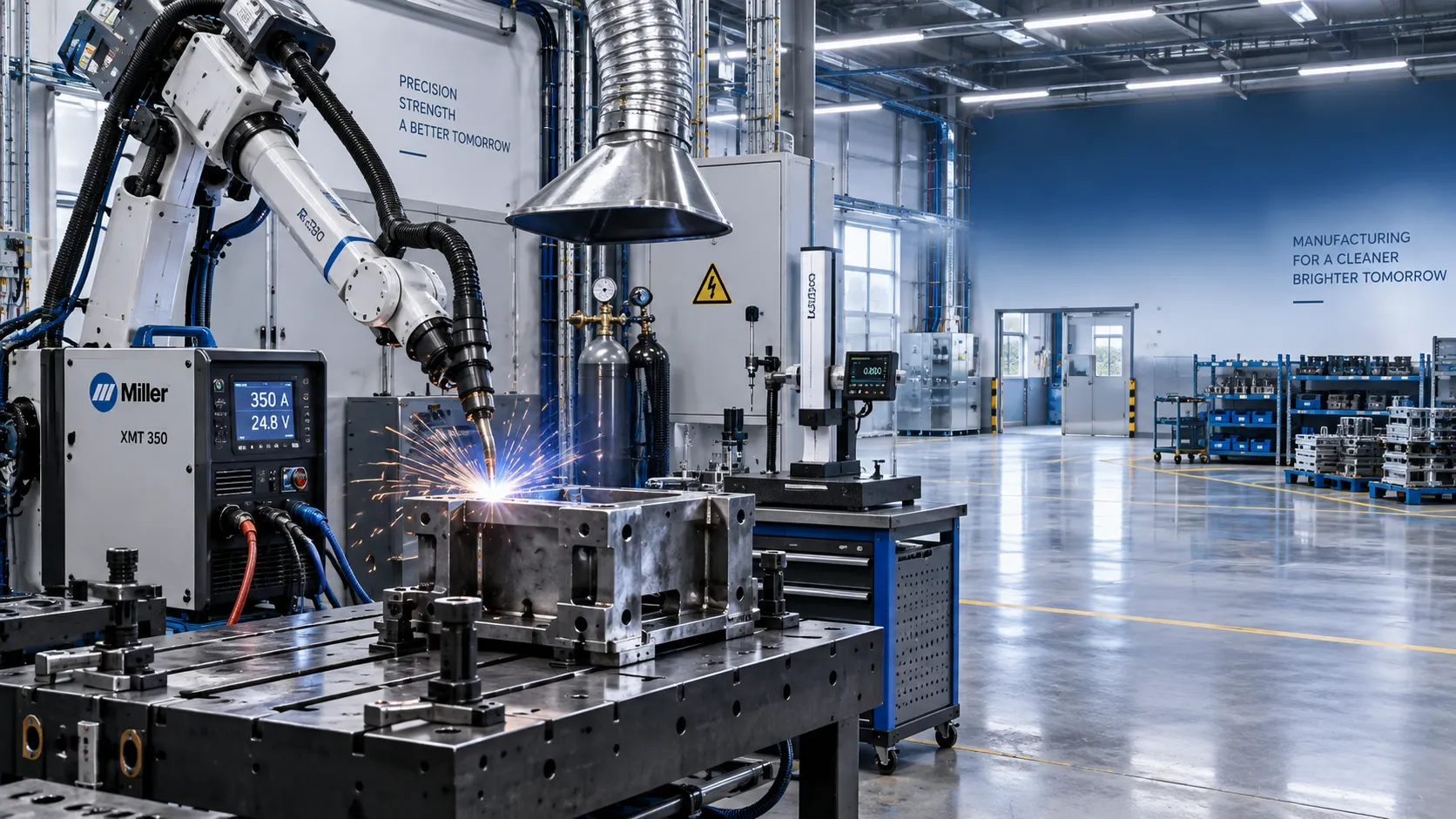
Industrial Equipment Application Guidance: Match Machines to Operating Conditions
Application guidance industrial equipment: match capacity, duty cycle, materials, site conditions, safety, and lifecycle cost to improve reliable output. Read the guide.
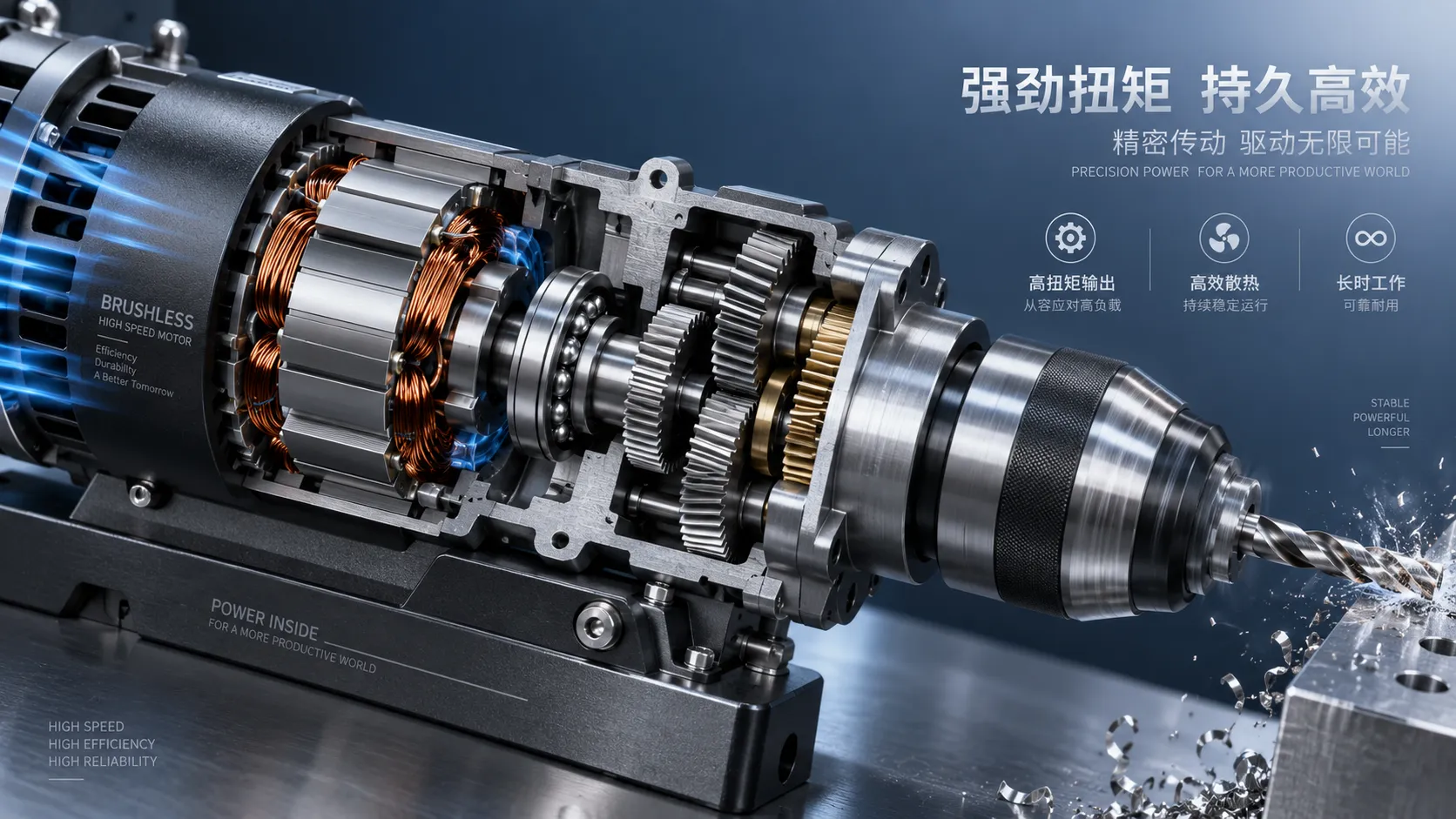
Selecting High-Speed Brushless Tool Motors for Torque, Heat, and Duty Cycle
High speed brushless tool motors: learn how to balance torque, heat, gearing, and duty cycle for reliable industrial tool performance and longer service life.
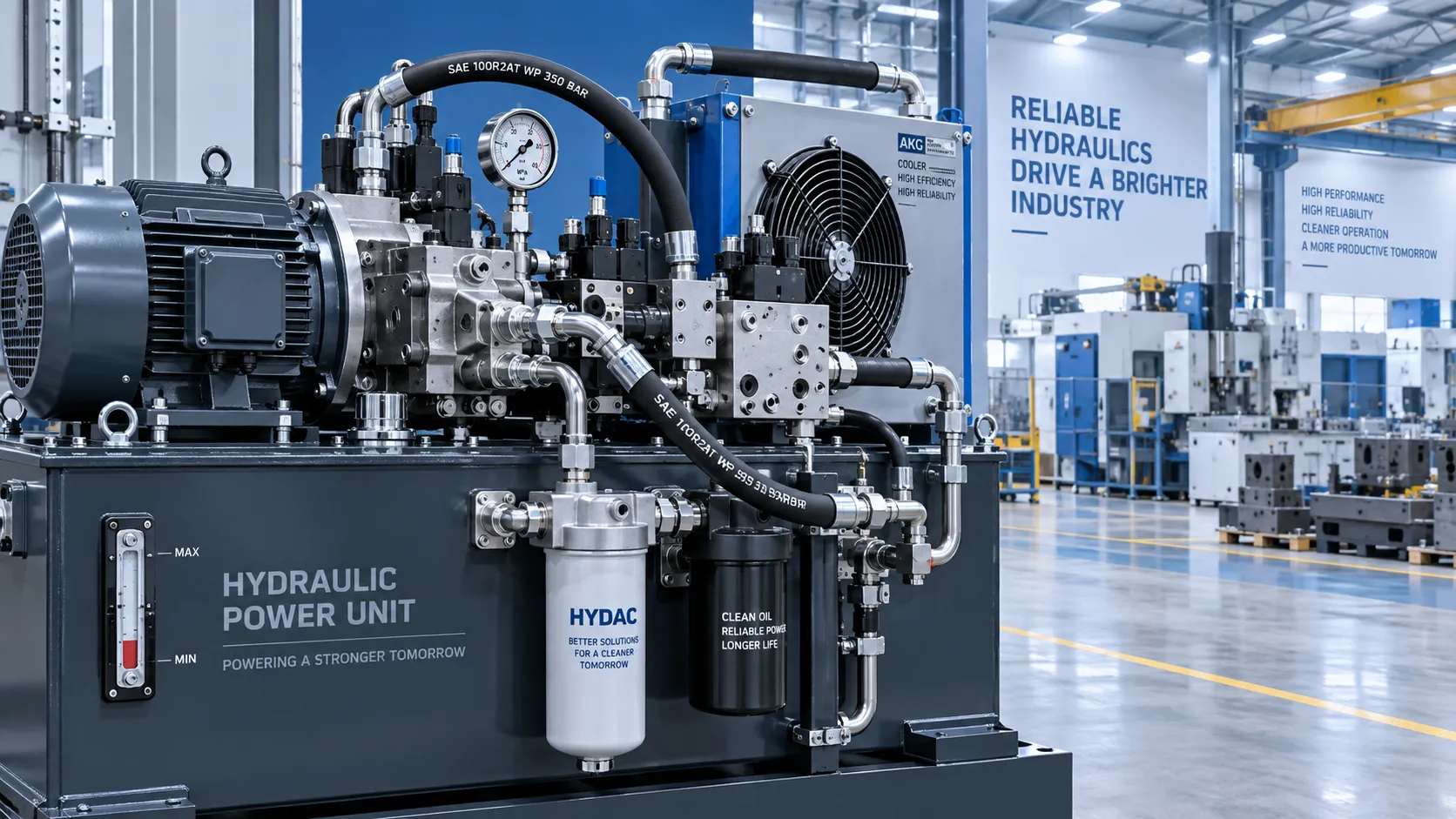
What Determines Industrial Hydraulic System Price for Heavy-Duty Equipment?
Industrial hydraulic system price depends on duty cycle, pressure, components, cooling, and integration. Compare quotes intelligently to secure reliable heavy-duty performance.
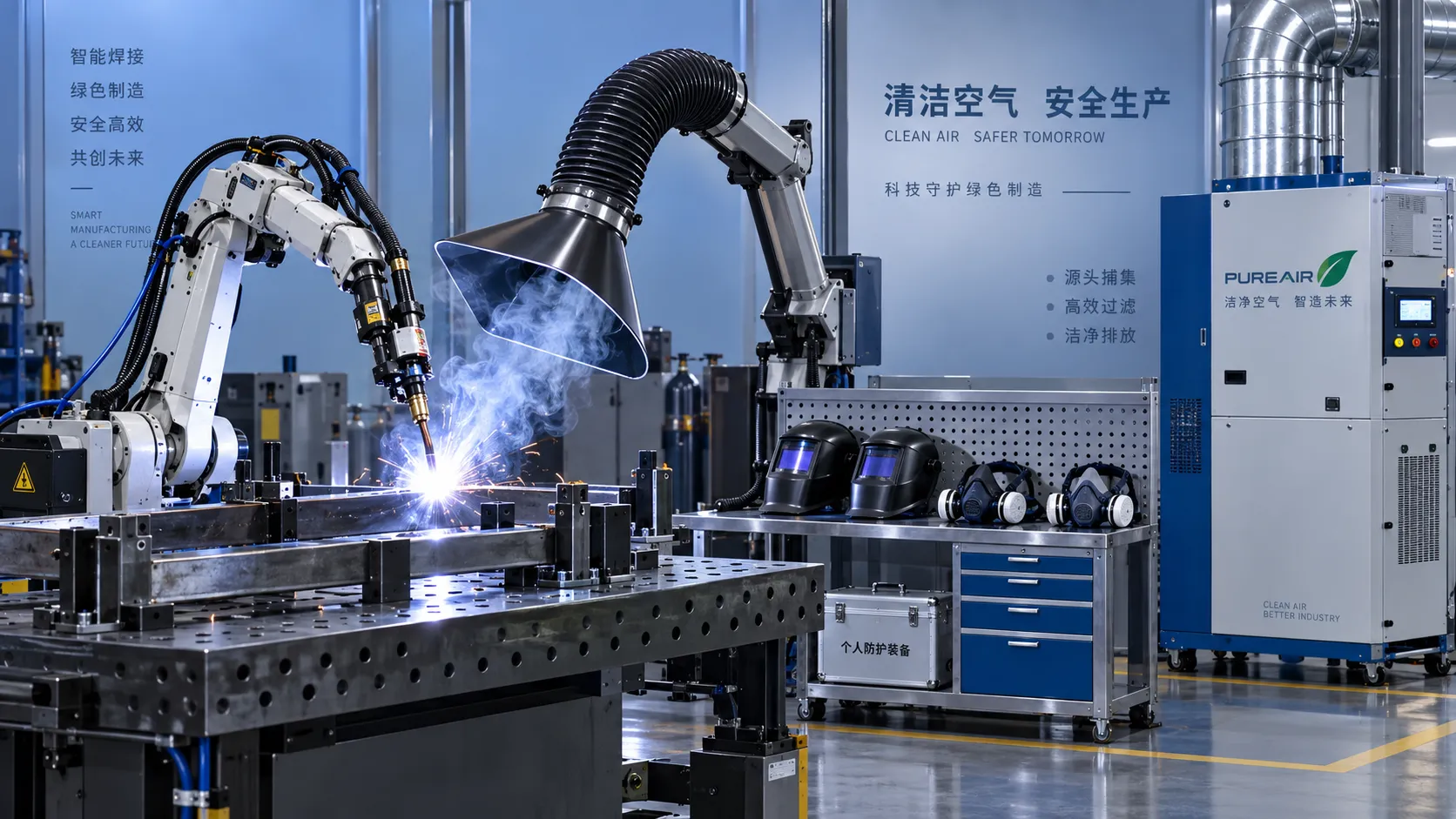
Welding Fume Extraction PPE: When Respirators Are Not Enough for Shop Safety
Welding fume extraction PPE: learn why respirators alone fall short and how source capture, ventilation, and layered controls improve shop safety.
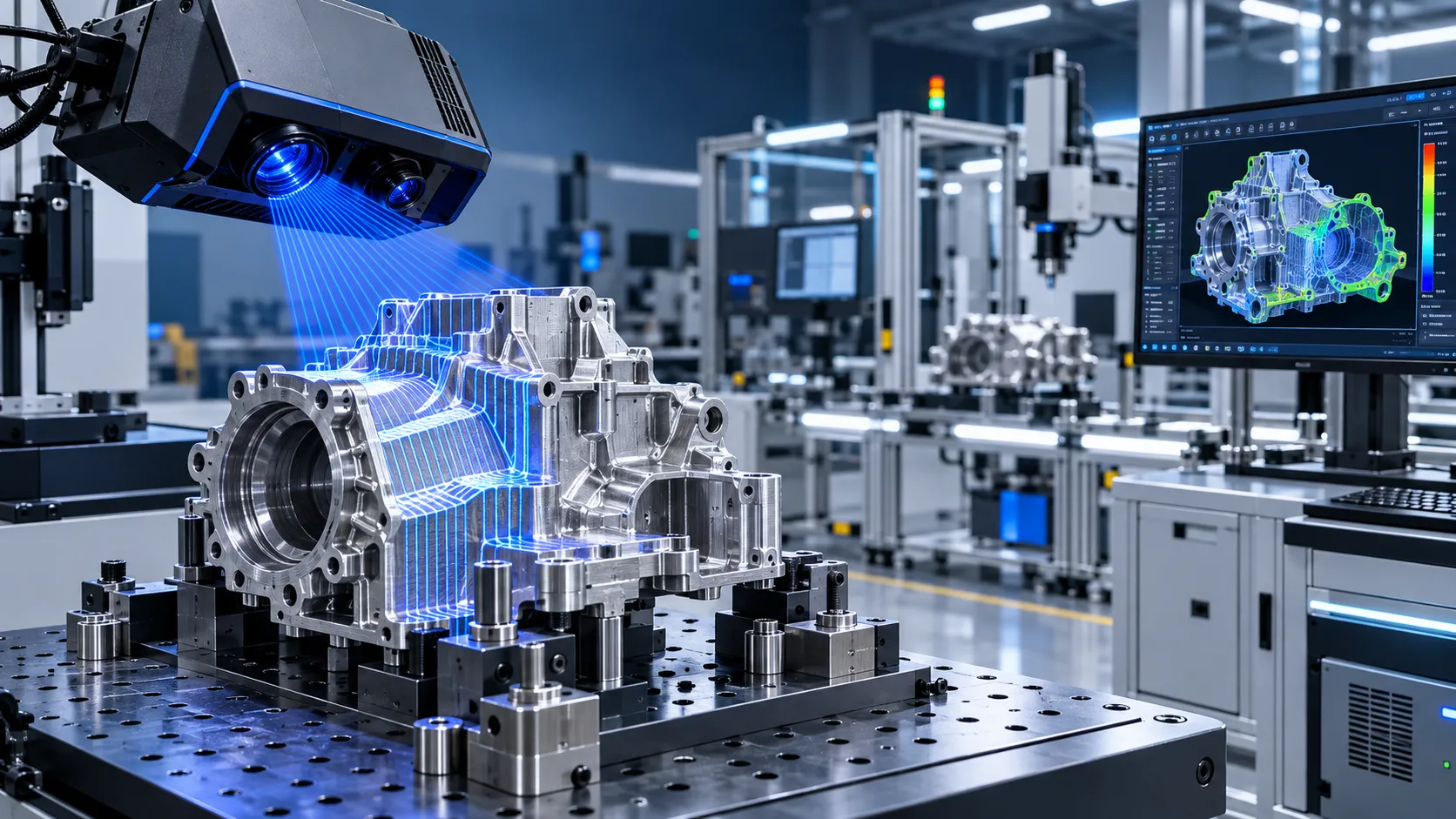
How to Select Optical Metrology Solutions for Tight-Tolerance Manufacturing
Optical industrial metrology solutions for tight-tolerance manufacturing: evaluate accuracy, surface compatibility, workflow, and traceability to select with confidence.
Related News
- 00
0000-00
How Middle East Manufacturers Can Improve Production Efficiency Under Heat and Labor Constraints - 00
0000-00
Why Are Specification-Oriented Articles Gaining Traction in Europe’s B2B Markets? - 00
0000-00
Industrial Solutions in Latin America: Key Growth Sectors and Market Entry Risks - 00
0000-00
What Is Driving Manufacturing Efficiency in Europe’s Industrial Sectors? - 00
0000-00
Industrial Market Trends in 2025: What Buyers Should Watch Across Supply and Demand
Dr. Alistair Vaughn
Weekly Insights
Stay ahead with our curated technology reports delivered every Monday.