
Brushless Motors Selection Guide: Key Torque, Speed, and Voltage Factors





Selecting brushless motors is rarely about picking the highest number on a datasheet. In industrial assembly, welding support equipment, and precision tools, the real question is how torque, speed, and voltage behave together under load.
That is why brushless motors are now evaluated as system components, not isolated parts. A strong selection process improves thermal stability, control accuracy, uptime, and long-term service cost.
Drawing on the industrial intelligence focus of GPTWM, this article turns core selection factors into practical checks. The goal is simple: make brushless motors easier to compare in real operating conditions.
Start with the load, not the label
Before comparing motor families, define the duty profile. Continuous fastening, intermittent spindle motion, welding wire feed, and portable cutting all place very different demands on brushless motors.
[Image 01]
A motor that looks efficient at no-load speed may struggle once real torque demand, cycle time, and ambient heat are added. This is where many early selection mistakes begin.
Key checks that prevent weak matching
- Define peak torque, continuous torque, and overload duration before shortlisting brushless motors. Short bursts may look safe in testing but still overheat windings during repeated industrial cycles.
- Map actual operating speed bands instead of relying on rated speed alone. Many brushless motors spend little time at nominal RPM and much more time in transitional ranges.
- Check reflected inertia from gearboxes, couplings, and driven tools. Poor inertia matching makes brushless motors feel unstable, especially in precision metrology movement or torque-controlled assembly.
- Measure real duty cycle with start-stop frequency, dwell time, and load spikes. This gives a more useful selection basis than a simplified continuous or intermittent label.
- Account for ambient contamination, enclosure limits, and cooling airflow early. Dust, weld spatter, and compact tool housings can quickly reduce the usable performance window.
Torque matters more than the headline number
Torque is often the first filter, but it needs context. For brushless motors, the difference between stall torque, peak torque, and continuous torque can completely change application fit.
In handheld tools or compact industrial actuators, continuous torque usually tells the more honest story. If the process runs longer than expected, peak torque alone will not protect reliability.
What to verify in torque evaluation
- Use continuous torque as the baseline for thermal sizing. Peak torque helps during acceleration, but repeated operation above continuous limits shortens insulation life and bearing stability.
- Review torque at the actual controller current limit. Brushless motors may advertise attractive output, yet the drive electronics can cap usable torque much earlier.
- Check low-speed torque smoothness if process precision matters. Ripple, cogging, or unstable commutation can reduce fastening consistency and motion quality in fine positioning tasks.
- Confirm gearbox influence on delivered torque and backlash. Higher output torque is helpful only when the transmission stage preserves control accuracy and repeatability.
A common oversight is assuming more torque automatically improves results. In reality, oversized brushless motors can add mass, cost, current demand, and control complexity without improving process capability.
Speed should match process rhythm
Speed is not just about maximum RPM. It affects cycle time, surface quality, response, noise, and energy use. Good selection means identifying the speed range where work actually happens.
For example, brushless motors in polishing, grinding, and fluid movement may need sustained high-speed efficiency. In torque tools or inspection devices, low-to-mid speed control may matter far more.
Practical speed checks
- Plot torque against speed across the working range, not only at rated points. This reveals where brushless motors begin losing usable output under normal process demand.
- Review acceleration and deceleration requirements separately from steady-state speed. Fast cycle equipment may need dynamic response that a basic speed rating cannot describe.
- Check whether high RPM increases vibration, acoustic noise, or tool wear. In many industrial settings, stable medium-speed operation creates better overall productivity.
- Verify encoder or sensor feedback quality at low speed. Brushless motors that look fine at high RPM can become less accurate in slow, controlled motion.
In GPTWM-tracked sectors such as aerospace maintenance and automotive rework, this balance shows up clearly. Faster is useful only when heat, precision, and ergonomic control remain acceptable.
Voltage sets more than power availability
Voltage selection affects current draw, cable sizing, controller choice, battery architecture, and thermal behavior. It is one of the most underestimated decisions when comparing brushless motors.
Low-voltage systems can simplify safety and portability. Higher-voltage systems often reduce current for the same power, which helps efficiency and wiring losses in heavier-duty equipment.
Voltage-related checks that save rework
- Match brushless motors to the real DC bus or battery window, including sag under load. Nominal voltage alone may hide unstable performance during high-demand operation.
- Estimate current at peak and continuous power points early. This affects connector heating, harness size, controller protection settings, and overall packaging space.
- Check insulation class and electromagnetic compatibility with nearby electronics. Higher switching stress can interfere with sensors, metrology circuits, or communication modules.
- Review regional compliance needs when voltage architecture changes. Export restrictions, safety standards, and platform reuse can all influence the best motor decision.
Look beyond the motor body
Brushless motors rarely succeed alone. Driver tuning, feedback devices, gearing, cable routing, and software limits shape final performance just as much as the motor hardware.
This matters especially in intelligent tools, where torque traceability, safety interlocks, and IoT monitoring are now part of normal evaluation criteria.
Supporting factors worth checking early
- Confirm controller compatibility before final motor selection. Brushless motors may require specific commutation methods, feedback types, or current loops to reach expected performance.
- Review thermal sensing strategy, not just casing temperature. Internal winding heat can rise much faster than surface readings suggest during compact tool operation.
- Check bearing life under side loads, shock, and vibration. This is especially important for grinders, cutting tools, and mobile industrial equipment.
- Assess maintenance access and replacement lead time. Even reliable brushless motors create risk if service parts are hard to source across regions.
A small mismatch here can erase the efficiency gains expected from brushless motors. That is why complete system validation usually beats single-spec comparison.
How these factors change by application
In portable industrial tools, voltage and thermal limits are tightly linked to ergonomics. A motor that delivers excellent output may still be unsuitable if it increases battery mass or grip temperature.
In welding-adjacent automation, torque reserve and contamination resistance usually matter more. Fine metal particles, hot environments, and intermittent high loads can challenge otherwise capable brushless motors.
For precision metrology positioning, the priorities shift again. Low-speed smoothness, feedback quality, and low electromagnetic noise often outrank maximum power density.
These differences are central to GPTWM’s broader industry view. The same brushless motors can perform very differently depending on the last-mile manufacturing task they support.
A practical decision path
When comparing candidates, it helps to narrow decisions in a fixed order. Start with application load, then check torque margin, speed band, voltage fit, thermal capacity, and control integration.
If two brushless motors still look similar, test them under repeated load cycles instead of relying on catalog curves. Real heat rise and control behavior usually reveal the better option quickly.
- Build a short evaluation sheet with real operating points, not generic specifications. This makes cross-team comparison faster and reduces bias toward marketing-driven headline numbers.
- Test brushless motors in the final mechanical layout whenever possible. Cable length, enclosure heat, and mounted inertia can change results more than expected.
- Keep some performance margin for raw material variation and duty creep. Many industrial systems become more demanding after field deployment than they were in initial trials.
The best choice is usually not the most powerful brushless motor. It is the one that stays stable, efficient, controllable, and serviceable in the exact process window that matters.
Use torque, speed, and voltage as connected decision points, then verify them against real duty, thermal limits, and controller behavior. That approach leads to better selection confidence and fewer downstream compromises.
For ongoing comparison work, GPTWM’s intelligence perspective is useful as a next reference step: track technology trends, application constraints, and integration risks together, not one at a time.
Related News

How Procurement Teams Can Map the Industrial Value Chain to Reduce Supply Risk
Industrial value chain procurement helps teams map hidden dependencies, qualify resilient sources, and reduce supply risk before disruptions stop production.

How Specification-Driven Articles Improve Precision Measurement System Selection
Specification-oriented articles precision measurement guidance helps teams compare accuracy, repeatability, environment, and data needs to select reliable systems with confidence.

How to Evaluate a Technology Integration Service Provider for Complex Projects
Technology integration service provider selection guide: evaluate interface ownership, delivery discipline, scalable architecture, and risk control for complex projects.
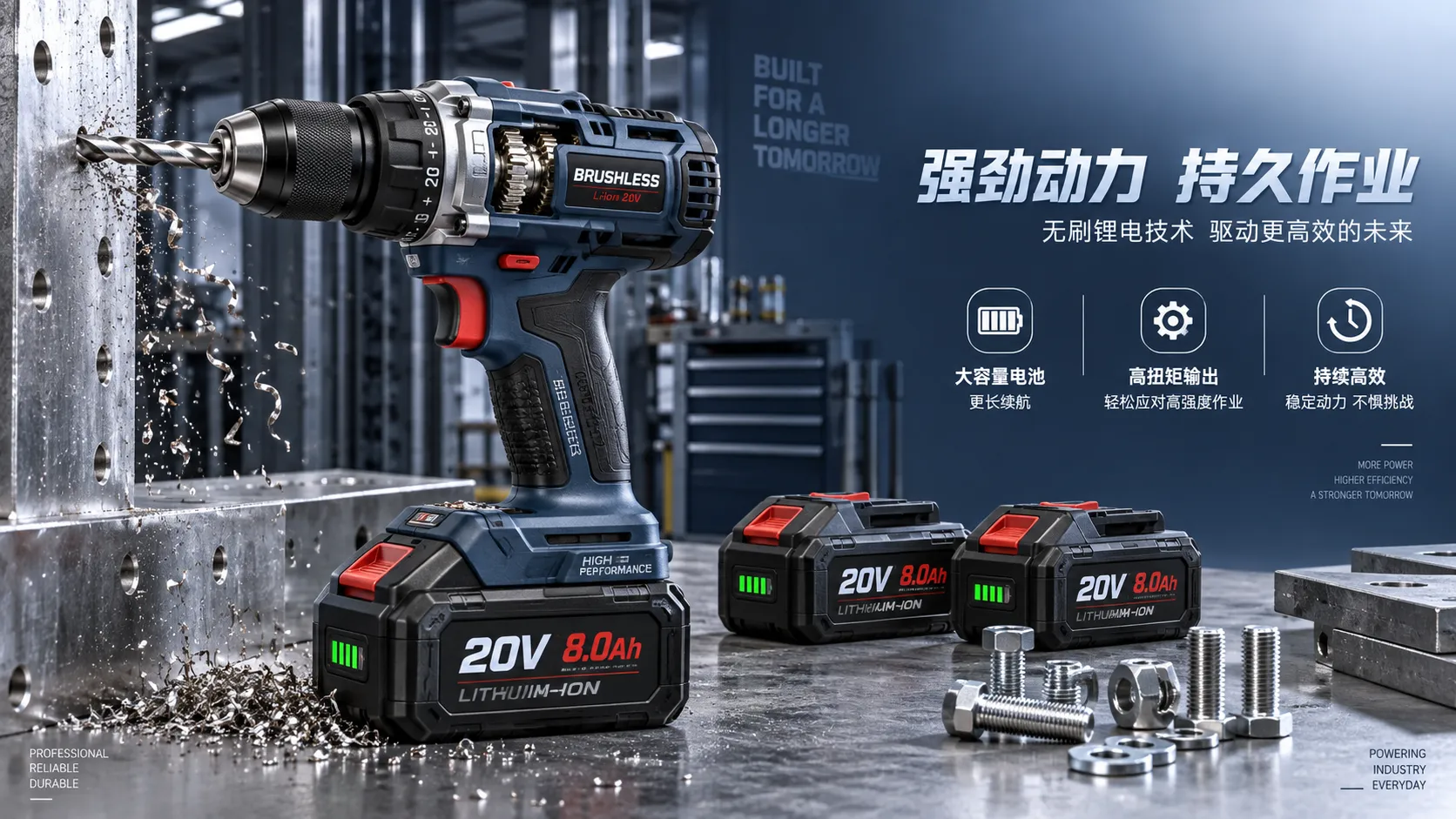
How Battery, Torque, and Duty Cycle Affect Cordless Power Tool Efficiency
Cordless power tool efficiency depends on battery output, torque, and duty cycle. Learn how to match tools to demanding jobs for stronger runtime and productivity.

Product Comparison Resources for Component Compatibility and Lifecycle Risk
Product comparison resources for components: evaluate compatibility, interfaces, service support, and lifecycle risk to reduce downtime, avoid redesigns, and make confident sourcing decisions.
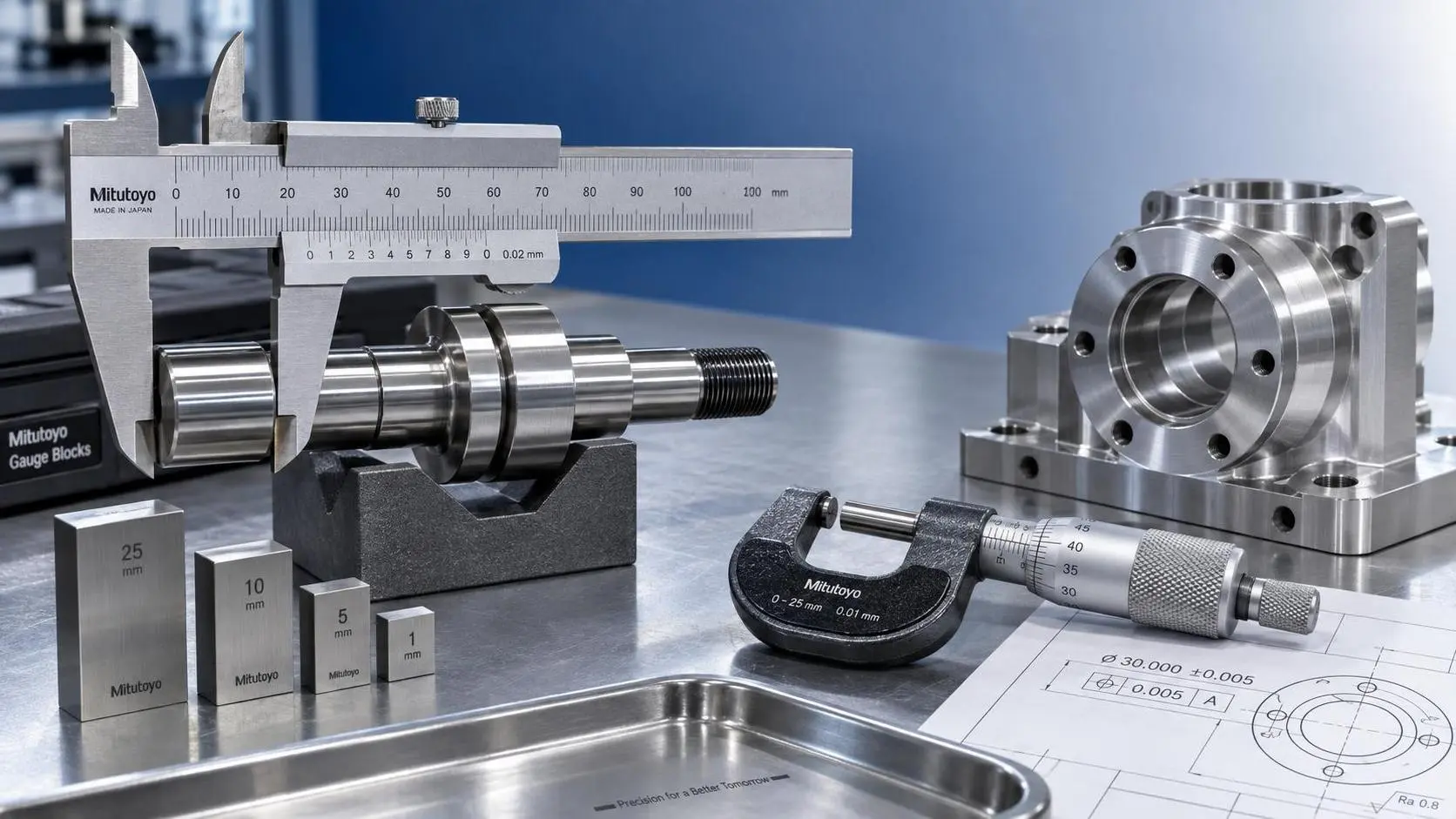
How to Select Vernier Precision Calipers for Tight-Tolerance Machining Inspection
Vernier precision calipers for tight-tolerance machining: learn how to select the right range, jaw design, accuracy, and verification process for reliable inspection.
Product Comparison Resources in Europe: How Buyers Can Verify Specs and Suppliers
Product comparison resources Europe: learn how to verify industrial specs, compliance claims, supplier credibility, and delivery risk for smarter purchasing decisions.

How to Evaluate an Industrial Metrology Solution Manufacturer for Production Use
Industrial metrology solution manufacturer evaluation guide for production: compare accuracy, traceability, automation, software, service, and acceptance testing to reduce risk.
Which ISO Standards Matter Most for Precision Engineering Quality Control?
Precision engineering ISO standards explained: discover how ISO 9001, ISO/IEC 17025, ISO 10012, GPS, and ISO 3834 strengthen quality control, traceability, and compliance.
Related News
- 00
0000-00
How Battery, Torque, and Duty Cycle Affect Cordless Power Tool Efficiency - 00
0000-00
How to Size High-Torque Tool Motors for Continuous-Duty Assembly Lines - 00
0000-00
How to Choose 24V Brushless Tool Motors for Torque, Runtime, and Duty Cycle? - 00
0000-00
Automotive Repair Tools List: What Every Workshop Needs for Daily Service Jobs - 00
0000-00
36V Brushless Tool Motors Selection Guide: Torque, Efficiency, Thermal Limits, and Duty Cycle
Electro-Mech Tool Designer
Weekly Insights
Stay ahead with our curated technology reports delivered every Monday.