
How to Choose Aerospace Tools for Tight-Tolerance Assembly and Maintenance





How to Choose Aerospace Tools for Tight-Tolerance Assembly and Maintenance
Choosing the right aerospace tools for tight-tolerance assembly and maintenance directly affects safety, repeatability, and lifecycle cost.
The real challenge is not comparing brochures. It is proving performance under pressure, access limits, and compliance demands.
That is why aerospace tools should be evaluated through application risk, not only headline specifications.
In practice, a good decision balances torque accuracy, material compatibility, operator control, traceability, and service support.
This guide explains how to assess aerospace tools for precision assembly and maintenance with a more reliable, decision-ready framework.
Start with the real assembly and maintenance risk
Every aerospace tools review should begin with the joint, surface, and operating environment.
A fastener on a composite panel creates different risks than a fitting inside a hydraulic bay.
If tolerances are tight, small variation becomes a system issue, not a simple tool issue.
From recent industry changes, the stronger signal is a shift toward tool selection by process capability.
That means defining acceptable deviation before comparing brands, drive systems, or form factors.
- Map the task to torque, angle, force, reach, and cycle frequency.
- Identify critical surfaces that cannot tolerate marring or contamination.
- Review temperature, vibration, FOD exposure, and chemical contact.
- Separate production assembly needs from line maintenance needs.
This first step keeps aerospace tools aligned with the real failure modes that matter most.
Define the precision requirements behind the specification
Many aerospace tools look similar until precision requirements are translated into measurable acceptance limits.
Torque range alone is not enough. Accuracy stability across the working range matters more.
A tool that performs well at mid-range may drift near the lower or upper threshold.
That also applies to runout, repeatability, trigger sensitivity, and shutoff consistency.
For tight-tolerance work, technical evaluation should ask for evidence, not general claims.
- Calibration interval and drift history under comparable duty cycles.
- Repeatability data across multiple operators and shift conditions.
- Performance near tolerance limits, not only nominal targets.
- Compatibility with digital torque capture or traceability systems.
Good aerospace tools are selected by how well they protect the process window.
That is a more useful standard than choosing by catalog range alone.
Check material compatibility and surface protection
Aerospace assembly often involves aluminum alloys, titanium, stainless steel, sealants, and composite structures.
Each material combination changes the tool selection logic.
For example, surface damage risk can outweigh pure speed when working near coated structures.
More importantly, some aerospace tools may introduce debris, galvanic concerns, or cleaning complications.
This also means accessory choices matter as much as the main tool body.
- Review contact surfaces, sockets, inserts, and protective sleeves.
- Confirm chemical resistance where solvents, fluids, or sealants are present.
- Assess chip control and cleanliness in sensitive maintenance zones.
- Verify whether non-marring options are available for visible structures.
When aerospace tools preserve both geometry and surface condition, rework risk drops quickly.
Evaluate control, ergonomics, and access in real use
Even accurate aerospace tools can fail in practice if operators cannot control them consistently.
This becomes obvious in overhead work, confined spaces, and repeated maintenance cycles.
Tool mass, balance, grip texture, trigger force, and feedback all shape real assembly quality.
A decision that looks efficient on paper may increase fatigue and inconsistency on the floor.
That is why live trials are essential during aerospace tools selection.
- Test the tool on representative joints and actual access angles.
- Compare operator consistency after repeated cycles.
- Observe reaction force, slip tendency, and visibility of the work area.
- Record setup time and accessory changes during maintenance tasks.
In actual business settings, these factors often separate acceptable aerospace tools from truly dependable ones.
The best choice is usually the one that keeps precision stable across different operators.
Look beyond the tool to the control ecosystem
Modern aerospace tools increasingly sit inside a larger control and traceability environment.
That includes torque controllers, calibration software, usage logs, and maintenance records.
A stand-alone tool may cost less upfront but create blind spots later.
This is especially relevant when documentation quality affects audits, customer acceptance, or warranty exposure.
The more useful question is whether aerospace tools support controlled execution over time.
For many teams, this wider view improves aerospace tools procurement far more than comparing unit price.
Verify standards, documentation, and supplier support
Compliance is never a side issue in aerospace tools selection.
Documentation quality often reveals whether a supplier can support long-term controlled use.
This includes calibration certificates, material disclosures, maintenance manuals, and service turnaround commitments.
More clearly than before, buyers are also checking training depth and parts continuity.
That makes sense. A high-performing tool loses value if support becomes slow or fragmented.
- Request documentation samples before final approval.
- Review service network coverage for assembly and maintenance locations.
- Confirm spare parts lead times and repair exchange options.
- Check whether onboarding and operator training are included.
Reliable aerospace tools come with a support model that protects uptime and compliance together.
Build a practical selection matrix before purchase
A clear decision matrix turns discussion into a repeatable selection process.
This is where aerospace tools should be scored by business impact, not by feature count.
Keep the matrix simple enough to use, but detailed enough to expose risk.
A common mistake is giving cost too much weight before process fit is proven.
A better model weights performance stability, control, traceability, support, and lifecycle cost.
- Process fit: tolerance capability, access, and material suitability.
- Control quality: repeatability, feedback, and operator consistency.
- System value: data capture, calibration control, and serviceability.
- Commercial value: training, uptime, total cost, and sourcing risk.
When aerospace tools are compared through this structure, the final recommendation becomes easier to defend.
It also creates a documented path for future reassessment as production conditions change.
Make the final decision with lifecycle thinking
The right aerospace tools are rarely the cheapest and not always the most advanced.
They are the tools that hold precision under real conditions, with clean documentation and manageable support.
That also means looking at downtime exposure, calibration burden, training effort, and rework avoidance.
For tight-tolerance assembly and maintenance, small tool differences can create large cost differences later.
A careful aerospace tools decision should answer four final questions.
- Does the tool protect the process window every day?
- Can operators use it consistently in real access conditions?
- Will the documentation and support hold up during audits and service events?
- Does the total lifecycle value justify the investment?
If those answers are clear, the selection is usually on the right track.
For organizations following global manufacturing intelligence, this precision-first approach is becoming the practical standard.
Use that standard to compare aerospace tools with more confidence, lower risk, and better long-term maintenance outcomes.
Related News

How Procurement Teams Can Map the Industrial Value Chain to Reduce Supply Risk
Industrial value chain procurement helps teams map hidden dependencies, qualify resilient sources, and reduce supply risk before disruptions stop production.

How Specification-Driven Articles Improve Precision Measurement System Selection
Specification-oriented articles precision measurement guidance helps teams compare accuracy, repeatability, environment, and data needs to select reliable systems with confidence.

How to Evaluate a Technology Integration Service Provider for Complex Projects
Technology integration service provider selection guide: evaluate interface ownership, delivery discipline, scalable architecture, and risk control for complex projects.
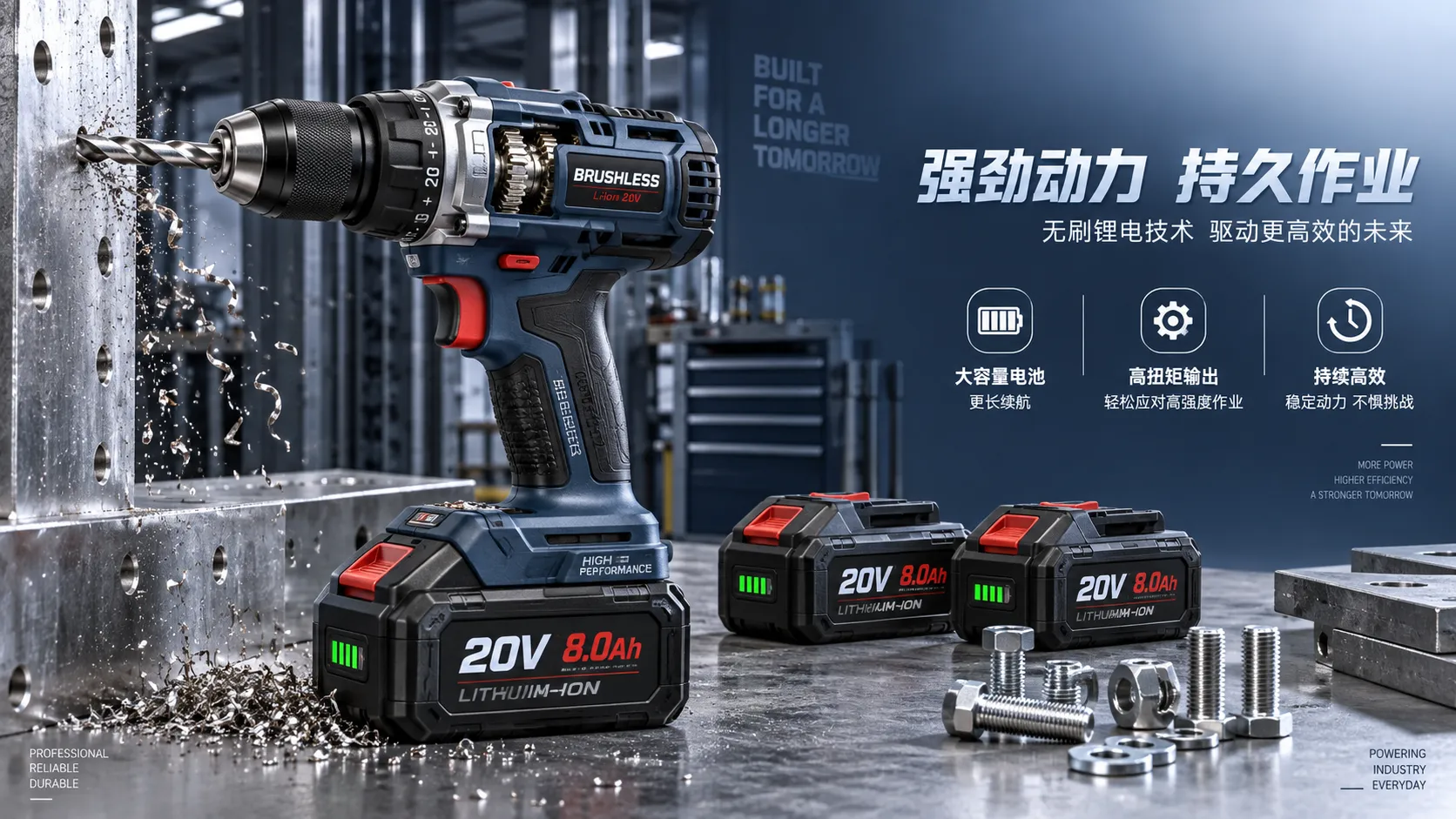
How Battery, Torque, and Duty Cycle Affect Cordless Power Tool Efficiency
Cordless power tool efficiency depends on battery output, torque, and duty cycle. Learn how to match tools to demanding jobs for stronger runtime and productivity.

Product Comparison Resources for Component Compatibility and Lifecycle Risk
Product comparison resources for components: evaluate compatibility, interfaces, service support, and lifecycle risk to reduce downtime, avoid redesigns, and make confident sourcing decisions.
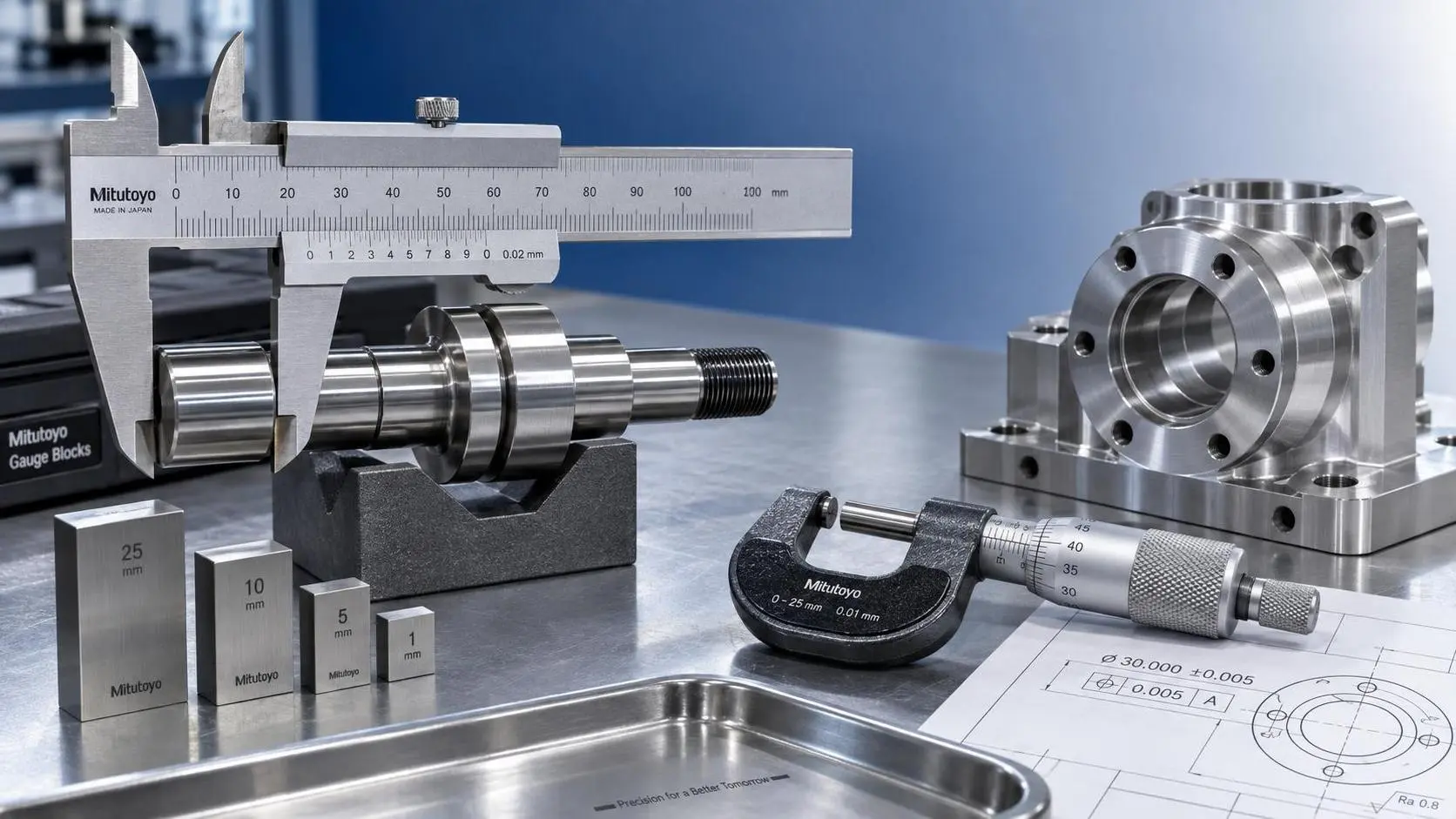
How to Select Vernier Precision Calipers for Tight-Tolerance Machining Inspection
Vernier precision calipers for tight-tolerance machining: learn how to select the right range, jaw design, accuracy, and verification process for reliable inspection.

Product Comparison Resources in Europe: How Buyers Can Verify Specs and Suppliers
Product comparison resources Europe: learn how to verify industrial specs, compliance claims, supplier credibility, and delivery risk for smarter purchasing decisions.

How to Evaluate an Industrial Metrology Solution Manufacturer for Production Use
Industrial metrology solution manufacturer evaluation guide for production: compare accuracy, traceability, automation, software, service, and acceptance testing to reduce risk.

Which ISO Standards Matter Most for Precision Engineering Quality Control?
Precision engineering ISO standards explained: discover how ISO 9001, ISO/IEC 17025, ISO 10012, GPS, and ISO 3834 strengthen quality control, traceability, and compliance.
Related News
- 00
0000-00
How Battery, Torque, and Duty Cycle Affect Cordless Power Tool Efficiency - 00
0000-00
How to Size High-Torque Tool Motors for Continuous-Duty Assembly Lines - 00
0000-00
How to Choose 24V Brushless Tool Motors for Torque, Runtime, and Duty Cycle? - 00
0000-00
Automotive Repair Tools List: What Every Workshop Needs for Daily Service Jobs - 00
0000-00
36V Brushless Tool Motors Selection Guide: Torque, Efficiency, Thermal Limits, and Duty Cycle
Electro-Mech Tool Designer
Weekly Insights
Stay ahead with our curated technology reports delivered every Monday.