
How to Choose Torque Tools for Assembly Lines: Key Specs, Accuracy, and Use Cases





How to Choose Torque Tools for Assembly Lines: Key Specs, Accuracy, and Use Cases
Choosing the right torque tools for assembly lines directly affects product quality, process stability, and compliance performance.
A weak selection can create hidden defects, rework, warranty claims, and operator fatigue.
A strong one improves consistency, traceability, and takt time without adding unnecessary cost.
This guide explains how to evaluate torque tools by torque range, accuracy, repeatability, control features, and real assembly use cases.
Start with the Joint, Not the Catalog
The first step is understanding the joint you need to tighten.
Torque tools should match the fastener size, material stack, thread condition, and required clamp load.
This sounds basic, but many poor decisions begin with tool-first thinking.
In actual production, the same nominal torque can behave differently across steel, aluminum, plastics, or coated surfaces.
Prevailing torque, seating behavior, and lubrication can all change the final tightening result.
That means torque tools should be selected as part of a fastening process, not as a standalone purchase.
Key joint questions to define first
- What torque window is required for the joint?
- Is the application hard joint or soft joint?
- Is there a need for torque-angle control?
- How critical is the joint for safety or compliance?
- Will operators use the tool continuously or intermittently?
- Does the station require traceable tightening data?
Torque Range Is More Than a Number
Torque range is usually the first visible specification, but it should not be read in isolation.
Most torque tools perform best in the middle portion of their rated range.
If your target torque sits near the lower limit, control often becomes less stable.
If it sits near the upper limit, durability and heat load may become concerns.
A practical rule is to place the target tightening torque within the tool’s efficient working band.
Selection tips for torque range
- Avoid sizing torque tools exactly at the application maximum.
- Leave room for process variation and future product changes.
- Check rundown torque and final seating torque separately.
- Review joint breakaway torque if service removal matters.
From a decision standpoint, the best torque tools are not the strongest ones, but the ones sized closest to the real process need.
Accuracy and Repeatability: What Really Matters
Accuracy is essential, but repeatability often has a bigger effect on assembly quality.
A tool can look accurate in a lab and still drift during real production cycles.
That is why torque tools should be reviewed for both stated accuracy and process consistency.
Accuracy refers to closeness to the target value.
Repeatability refers to how consistently the same result is delivered over time.
For controlled assembly lines, repeatability is often the difference between stable output and recurring process alarms.
What to verify in accuracy claims
- Test standard and calibration method used by the supplier.
- Whether the claim applies across the full torque range.
- Performance on hard and soft joint simulation.
- Drift behavior across long duty cycles.
- Recalibration interval and field service support.
In recent market shifts, data-driven assembly programs increasingly value torque tools with documented repeatability over tools with headline specifications alone.
Manual, Electric, Pneumatic, and Smart Torque Tools
The right torque tools also depend on production volume, operator skill, and traceability expectations.
Each tool family brings a different balance of cost, control, and speed.
Manual torque tools
Manual torque wrenches fit low-volume work, maintenance tasks, and applications with limited automation needs.
They are cost-effective, but operator technique strongly affects output consistency.
Electric torque tools
Electric torque tools are widely used in modern assembly lines because they combine control, ergonomics, and programmable functions.
They are a strong choice where quality monitoring and flexible product changeovers matter.
Pneumatic torque tools
Pneumatic systems still perform well in rugged environments and fast repetitive tasks.
However, air quality, pressure stability, and noise control must be managed carefully.
Smart connected torque tools
Smart torque tools support parameter locking, tightening records, error proofing, and network integration.
This is especially relevant where MES, quality traceability, and digital factory strategies are already in place.
Control Features That Reduce Process Risk
More visible performance data does not always mean better process control.
What matters is whether the torque tools prevent errors before defects escape downstream.
For that reason, control features should be tied to actual production risks.
Useful control functions to prioritize
- Preset programs for multiple product variants.
- Operator lockout after failed tightening cycles.
- Torque-angle monitoring for critical joints.
- Real-time pass or fail signals.
- Data export for audit and quality records.
- Access control to prevent unauthorized setting changes.
This also means the best torque tools are often the ones that simplify decisions for the operator at the station.
Use Cases Across Assembly Environments
Application fit becomes clearer when torque tools are reviewed by use case instead of by product brochure category.
In business practice, these distinctions matter because the wrong torque tools often fail through poor fit, not poor technology.
Ergonomics, Maintenance, and Total Cost
Selection decisions should also include operator comfort and long-term maintenance needs.
If torque tools are heavy, awkward, or vibration-prone, output quality may fall during long shifts.
If service intervals are difficult, downtime may erase any initial purchase savings.
Review these practical factors
- Tool weight and grip balance.
- Reaction force management.
- Cable or hose routing at the station.
- Calibration turnaround time.
- Spare parts availability and local support.
- Software update and integration requirements.
A lower-cost option can become expensive when hidden losses appear in fatigue, downtime, or unstable tightening results.
A Simple Evaluation Framework for Better Decisions
To compare torque tools effectively, use a short decision framework instead of relying on brand claims alone.
- Define the joint type, torque target, and quality risk level.
- Screen torque tools by usable range, not maximum range.
- Verify accuracy, repeatability, and calibration conditions.
- Match control features to traceability and error-proofing needs.
- Review ergonomics, maintenance, and integration cost.
- Run a pilot test on actual joints before final approval.
That last step is often the clearest signal.
A controlled pilot exposes rundown behavior, operator response, and real station constraints quickly.
It also makes supplier claims easier to validate with process evidence.
Final Takeaway
Choosing torque tools for assembly lines is really about matching fastening risk, production flow, and control depth.
The strongest decision usually comes from balancing torque range, repeatability, usability, and data capability together.
For teams building more connected and quality-sensitive operations, torque tools are becoming part of the process architecture, not just station hardware.
If you want a better outcome, start with the joint, test on the line, and select the torque tools that prove stable under real conditions.
That approach reduces risk, improves compliance, and supports smarter assembly decisions over the long term.
Related News
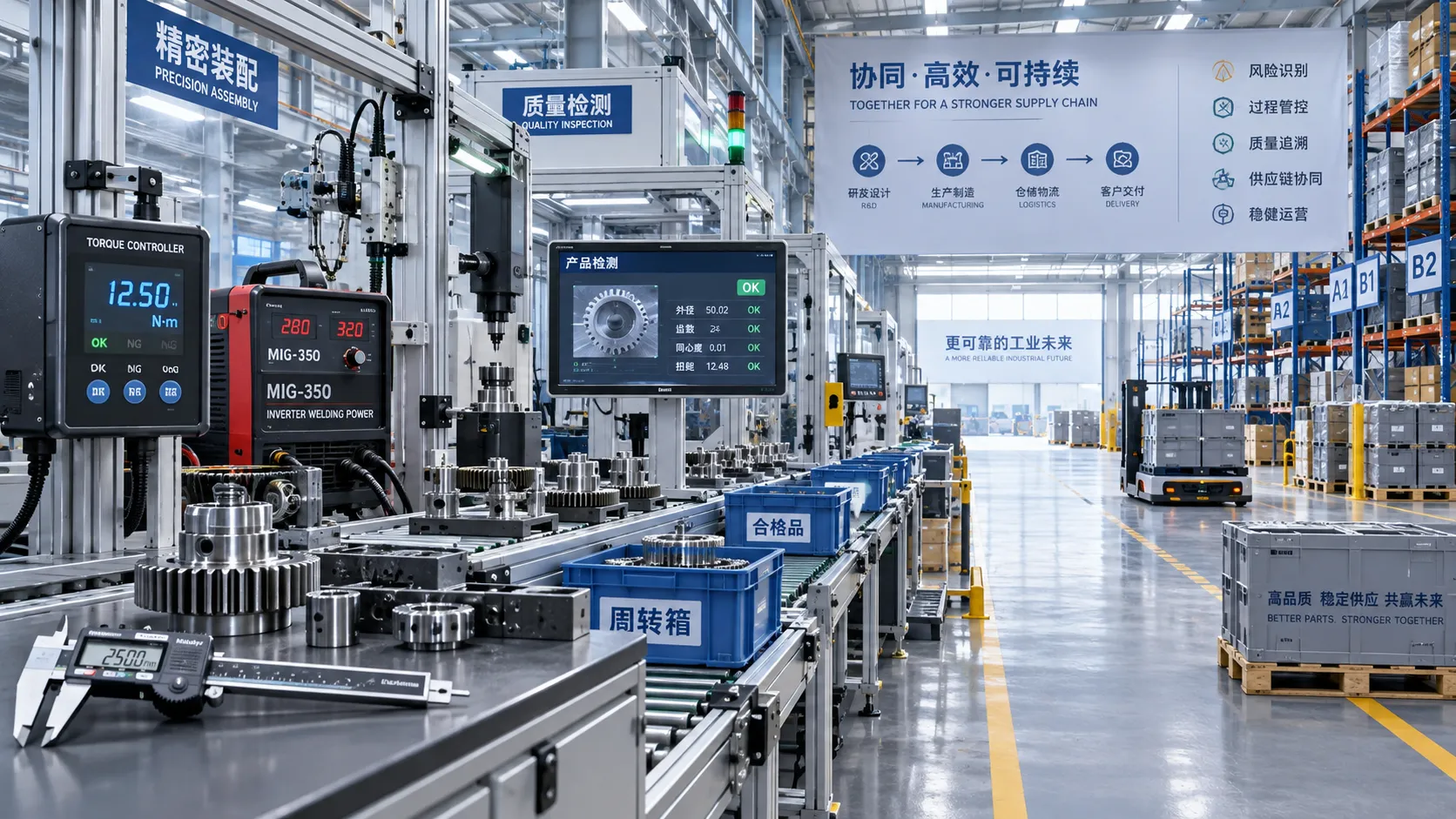
How Procurement Teams Can Map the Industrial Value Chain to Reduce Supply Risk
Industrial value chain procurement helps teams map hidden dependencies, qualify resilient sources, and reduce supply risk before disruptions stop production.

How Specification-Driven Articles Improve Precision Measurement System Selection
Specification-oriented articles precision measurement guidance helps teams compare accuracy, repeatability, environment, and data needs to select reliable systems with confidence.

How to Evaluate a Technology Integration Service Provider for Complex Projects
Technology integration service provider selection guide: evaluate interface ownership, delivery discipline, scalable architecture, and risk control for complex projects.
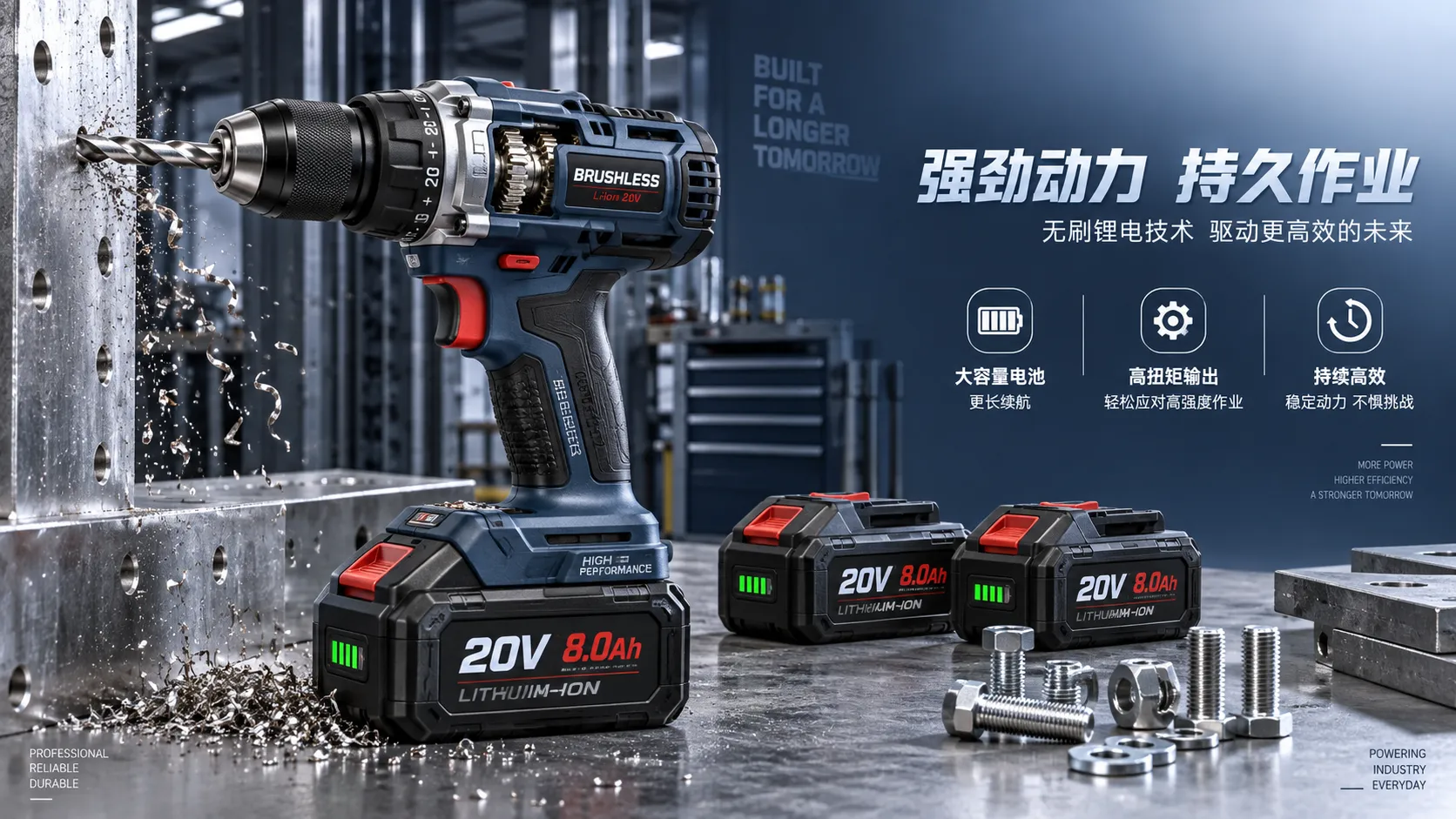
How Battery, Torque, and Duty Cycle Affect Cordless Power Tool Efficiency
Cordless power tool efficiency depends on battery output, torque, and duty cycle. Learn how to match tools to demanding jobs for stronger runtime and productivity.

Product Comparison Resources for Component Compatibility and Lifecycle Risk
Product comparison resources for components: evaluate compatibility, interfaces, service support, and lifecycle risk to reduce downtime, avoid redesigns, and make confident sourcing decisions.
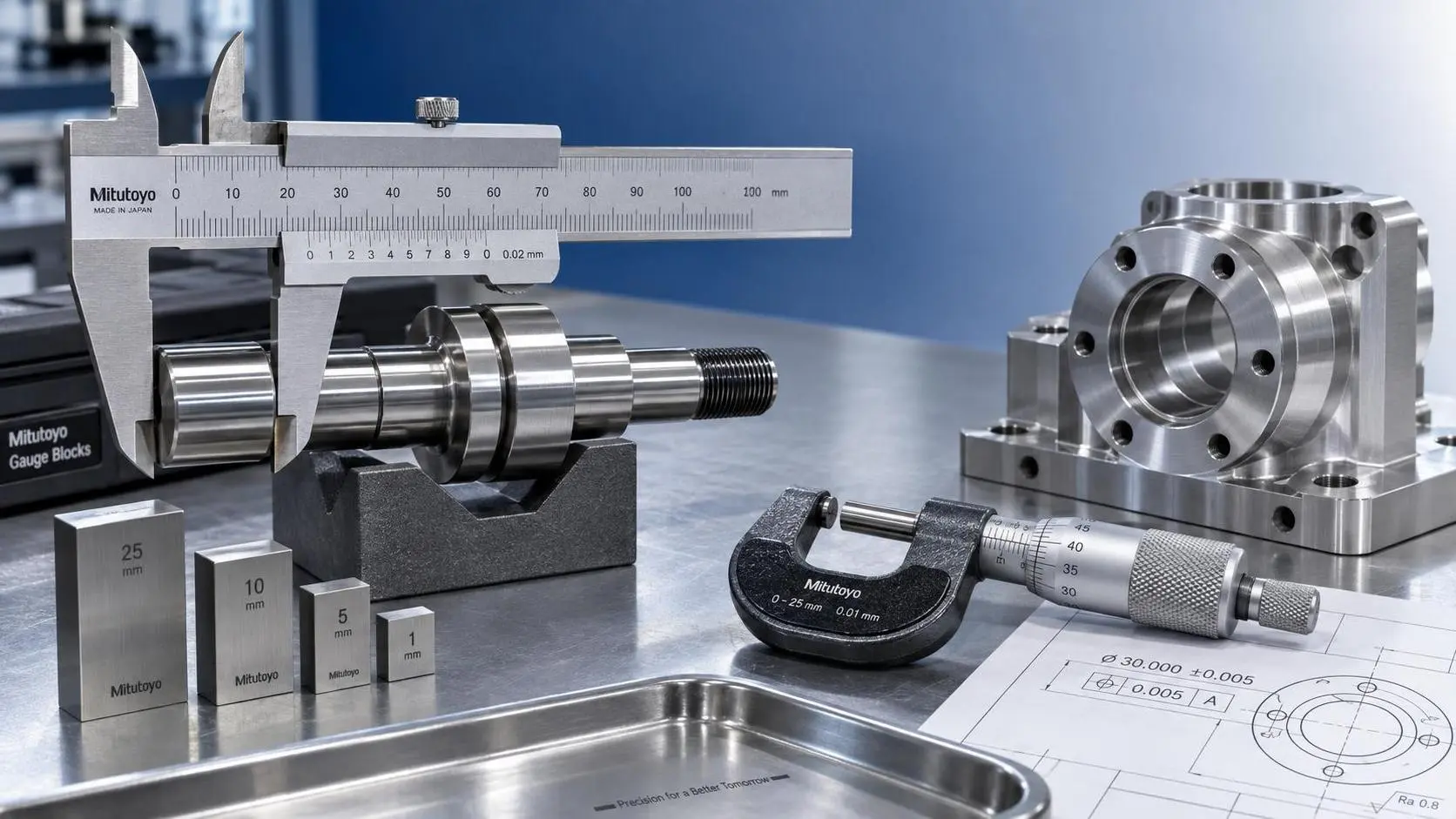
How to Select Vernier Precision Calipers for Tight-Tolerance Machining Inspection
Vernier precision calipers for tight-tolerance machining: learn how to select the right range, jaw design, accuracy, and verification process for reliable inspection.
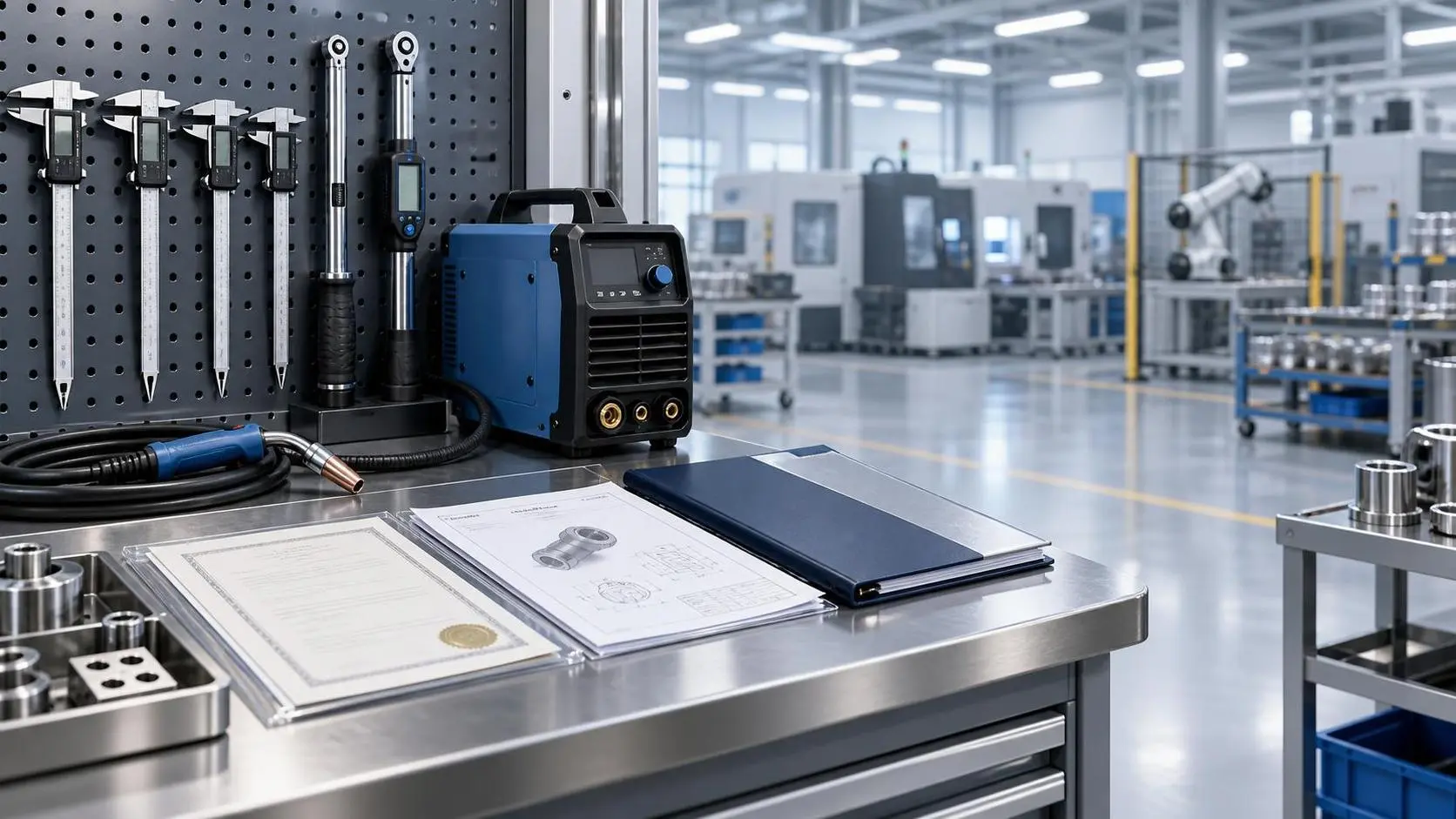
Product Comparison Resources in Europe: How Buyers Can Verify Specs and Suppliers
Product comparison resources Europe: learn how to verify industrial specs, compliance claims, supplier credibility, and delivery risk for smarter purchasing decisions.

How to Evaluate an Industrial Metrology Solution Manufacturer for Production Use
Industrial metrology solution manufacturer evaluation guide for production: compare accuracy, traceability, automation, software, service, and acceptance testing to reduce risk.
Which ISO Standards Matter Most for Precision Engineering Quality Control?
Precision engineering ISO standards explained: discover how ISO 9001, ISO/IEC 17025, ISO 10012, GPS, and ISO 3834 strengthen quality control, traceability, and compliance.
Related News
- 00
0000-00
How Battery, Torque, and Duty Cycle Affect Cordless Power Tool Efficiency - 00
0000-00
How to Size High-Torque Tool Motors for Continuous-Duty Assembly Lines - 00
0000-00
How to Choose 24V Brushless Tool Motors for Torque, Runtime, and Duty Cycle? - 00
0000-00
Automotive Repair Tools List: What Every Workshop Needs for Daily Service Jobs - 00
0000-00
36V Brushless Tool Motors Selection Guide: Torque, Efficiency, Thermal Limits, and Duty Cycle
Electro-Mech Tool Designer
Weekly Insights
Stay ahead with our curated technology reports delivered every Monday.