
Intelligent Tools vs Conventional Tools: Which Features Matter Most for Daily Industrial Use?





In daily industrial work, the choice between intelligent tools and conventional tools directly affects safety, speed, accuracy, and operator comfort. For users on the shop floor, the real question is not which is more advanced, but which features deliver measurable value in everyday tasks. This article explores how intelligent tools compare with traditional options and highlights the features that matter most in practical industrial use.
What do operators really mean by intelligent tools in daily industrial use?
In practical terms, intelligent tools are not simply digital versions of old equipment. They are tools that sense, measure, record, guide, or adjust performance during work. This can include torque tools with feedback, welding equipment with parameter memory, measuring instruments with digital output, and power tools with brushless motor control.
Conventional tools still dominate many workshops because they are familiar, rugged, and often cheaper to buy. Yet the daily pressure on operators has changed. Faster cycle times, tighter tolerances, traceability demands, and ergonomic expectations make the gap between tool types more visible than before.
For GPTWM, this comparison matters at the “last mile” of manufacturing, where assembly quality, joining consistency, and metrology accuracy turn design intent into real output. The most useful decision is rarely “all intelligent” or “all conventional.” It is choosing the right feature set for the actual task, skill level, and production target.
- Intelligent tools add value when operators need repeatability, digital records, parameter control, or guided work sequences.
- Conventional tools remain effective where work is simple, environments are harsh, and the cost of digital features outweighs the benefit.
- The best daily-use decision depends on task frequency, error cost, operator fatigue, and maintenance capability.
Which features matter most: comparison between intelligent tools and conventional tools
Operators often judge tools by one simple test: does the tool make the shift easier and the result more consistent? The table below compares intelligent tools and conventional tools across the features that affect daily industrial use most directly.
The key lesson is clear: intelligent tools justify their cost when error prevention, repeatability, and digital control matter every day. Conventional tools remain competitive when the job is low-risk, low-volume, or highly variable in ways that do not benefit from programmed assistance.
The five features operators notice first
- Feedback in real time. A beep, light, display, or auto-stop can prevent overtightening, poor weld setup, or measurement mistakes.
- Preset consistency. Saved parameters help teams keep output stable across shifts and operator experience levels.
- Ergonomics under repetition. Grip shape, vibration behavior, balance, and trigger force often matter more than maximum power.
- Data handling. If the process needs records for quality, export, or customer audit, intelligent tools gain importance quickly.
- Maintenance practicality. A smart tool that is hard to service can create downtime, especially in decentralized industrial sites.
Which industrial scenarios favor intelligent tools, and where do conventional tools still win?
Different jobs create different value from intelligent tools. Assembly lines, field maintenance, metal joining stations, and inspection benches all place different demands on users. The strongest decisions come from matching tool capability to use conditions, not from following a general trend.
The next table maps common industrial scenarios to the most suitable tool choice for operators. It focuses on everyday reality: repeated tasks, mixed-skill teams, safety exposure, and the need to avoid avoidable rework.
This scenario view shows why many workshops use a mixed fleet. Intelligent tools handle the critical, repetitive, or traceable operations. Conventional tools remain useful for backup, rough work, mobile service, or low-risk jobs where simplicity is the real advantage.
Where operators gain the fastest return
- Tasks with frequent rework caused by missed torque, wrong parameter selection, or poor measurement recording.
- Stations staffed by rotating teams or seasonal workers, where guided work reduces the effect of skill differences.
- Operations subject to customer audits, export requirements, or internal quality traceability expectations.
How should users evaluate intelligent tools before purchase?
Operators are often asked to use tools they did not help select. That creates friction when the chosen model looks advanced but slows work in real conditions. A practical procurement check should start from the operator’s motion, sequence, environment, and daily error points.
The table below provides a simple evaluation framework for intelligent tools in industrial purchasing. It is especially useful when comparing several options without overvaluing features that look impressive but have little effect on daily use.
This evaluation method keeps the discussion grounded. It prevents a common buying mistake: choosing intelligent tools because they are modern, rather than because they solve a verified daily problem on the floor.
A practical selection checklist for operators and supervisors
- List the top three quality errors from the current process and ask whether the tool can prevent them directly.
- Measure how often operators adjust settings manually during a shift. High adjustment frequency often supports intelligent tools.
- Check whether the tool must work in dust, heat, vibration, or outdoor conditions that challenge electronics.
- Confirm whether records are needed for customer claims, internal audits, or export documentation.
- Estimate downtime cost if the tool fails and compare that with service access and spare support.
Cost, risk, and implementation: when are intelligent tools worth the investment?
The price tag alone rarely tells the full story. Intelligent tools usually cost more upfront, but operators feel the real impact through fewer defects, faster setup, less guesswork, and lower dependence on memory. In critical processes, one avoided failure can matter more than several months of price difference.
That said, intelligent tools are not automatically the economical option. If the work is irregular, tolerances are generous, or the team lacks support for calibration and battery management, a conventional tool may deliver lower total friction even if it is less sophisticated.
Hidden costs many buyers miss
- Rework labor. Manual corrections and repeated inspections consume more time than many teams estimate.
- Training drift. Conventional tools often rely on tacit knowledge that disappears when experienced workers rotate out.
- Documentation gaps. Missing records can delay shipment acceptance or dispute resolution.
- Operator strain. Fatigue-related inconsistency may not appear in accounting, but it shows up in scrap, safety incidents, and lower pace.
A balanced implementation path
- Start with one high-impact station where errors are frequent or traceability is important.
- Define success in operator terms, such as fewer setting changes, shorter inspection time, or fewer rejected parts.
- Keep conventional tools available as backup during transition, especially in maintenance and field service.
- Review maintenance, calibration, battery handling, and software access before scaling up adoption.
GPTWM’s market and technology observation is especially useful here. Because industrial decisions are shaped by raw material trends, export restrictions, motor performance limits, joining safety requirements, and intelligent torque control developments, users need more than product claims. They need context that links tool choice to manufacturing efficiency and long-term operational fit.
What standards, safety, and compliance issues should users keep in mind?
For daily users, compliance is not only a purchasing department concern. It affects whether the tool can be used confidently, maintained properly, and accepted in regulated customer environments. Intelligent tools often support compliance by locking settings, recording data, and reducing undocumented variation.
The exact standard depends on the tool category and industry segment, but buyers should check for relevant electrical safety, machine safety, measurement calibration practice, and process control requirements. In welding and metrology, traceability and operator protection deserve particular attention.
- For torque and fastening work, verify calibration intervals and data integrity where records matter.
- For measuring instruments, confirm how values are stored, transferred, and checked against internal quality procedures.
- For welding equipment, review parameter stability, user safeguards, and safe operating procedures for the process used.
A tool that improves performance but complicates compliance may not be the right choice. A tool that supports both production and documentation usually creates stronger long-term value.
FAQ: common operator questions about intelligent tools
Are intelligent tools always better than conventional tools?
No. Intelligent tools are better when process control, repeatability, and data visibility affect quality every day. Conventional tools can still be the smarter option for rugged field conditions, simple tasks, low-volume jobs, or teams that do not need digital records.
Which intelligent tool feature usually brings the fastest daily benefit?
Real-time feedback often brings the fastest benefit. Auto-stop, pass/fail alerts, guided settings, or digital readout reduce errors immediately. These features help both new and experienced operators because they shorten the gap between intention and confirmed result.
Do intelligent tools reduce training needs?
They can reduce training time for repeat tasks, but they do not eliminate the need for process understanding. Operators still need to know the application, safety steps, and maintenance routine. Smart guidance helps most when turnover is high or work sequences must remain consistent across shifts.
What is the most common mistake when buying intelligent tools?
The most common mistake is buying for features instead of workflow. If a tool offers advanced connectivity or complex menus but does not reduce a specific daily pain point, it may slow down operators rather than help them. Task fit should come before feature count.
Why choose us for guidance on intelligent tools and industrial tool decisions?
GPTWM focuses on industrial assembly, metal joining, and precision metrology where daily-use decisions have real consequences for output, safety, and brand credibility. Our perspective is built around the manufacturing last mile, where tool selection must serve both craftsmanship and intelligent production systems.
Through our Strategic Intelligence Center, we connect sector news, evolutionary technology trends, and commercial insights that matter to real users. That includes issues such as handheld laser welding safety adoption, brushless motor efficiency limits, IoT-based torque control, and demand patterns for precision measuring instruments and hydraulic equipment across construction, automotive, and aerospace maintenance.
If you are evaluating intelligent tools for daily industrial use, you can consult us on practical decision points rather than generic product promotion. We can help frame the right questions before procurement and implementation move forward.
- Parameter confirmation for fastening, welding, cutting, inspection, or metrology tasks.
- Tool selection guidance based on shift conditions, error risks, operator skill mix, and traceability needs.
- Delivery cycle discussion for planned upgrades, urgent replacements, or phased deployment.
- Custom solution review for mixed fleets of intelligent tools and conventional tools.
- Support on certification considerations, sample evaluation, and quote comparison priorities.
When the goal is not just to buy a tool, but to improve daily industrial performance with fewer mistakes and clearer standards, informed selection matters. That is where precision tools and intelligence truly connect industry.
Related News
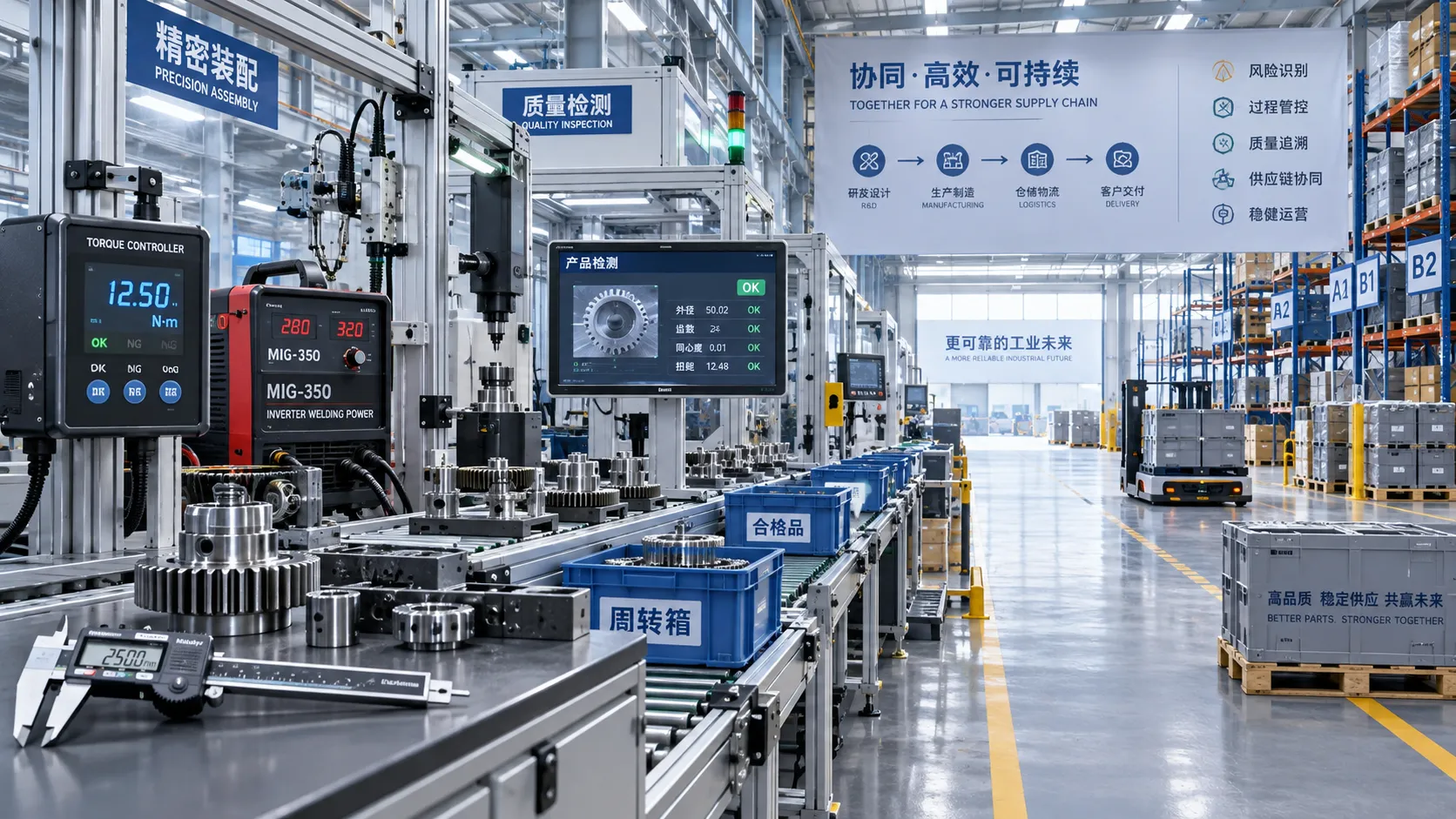
How Procurement Teams Can Map the Industrial Value Chain to Reduce Supply Risk
Industrial value chain procurement helps teams map hidden dependencies, qualify resilient sources, and reduce supply risk before disruptions stop production.
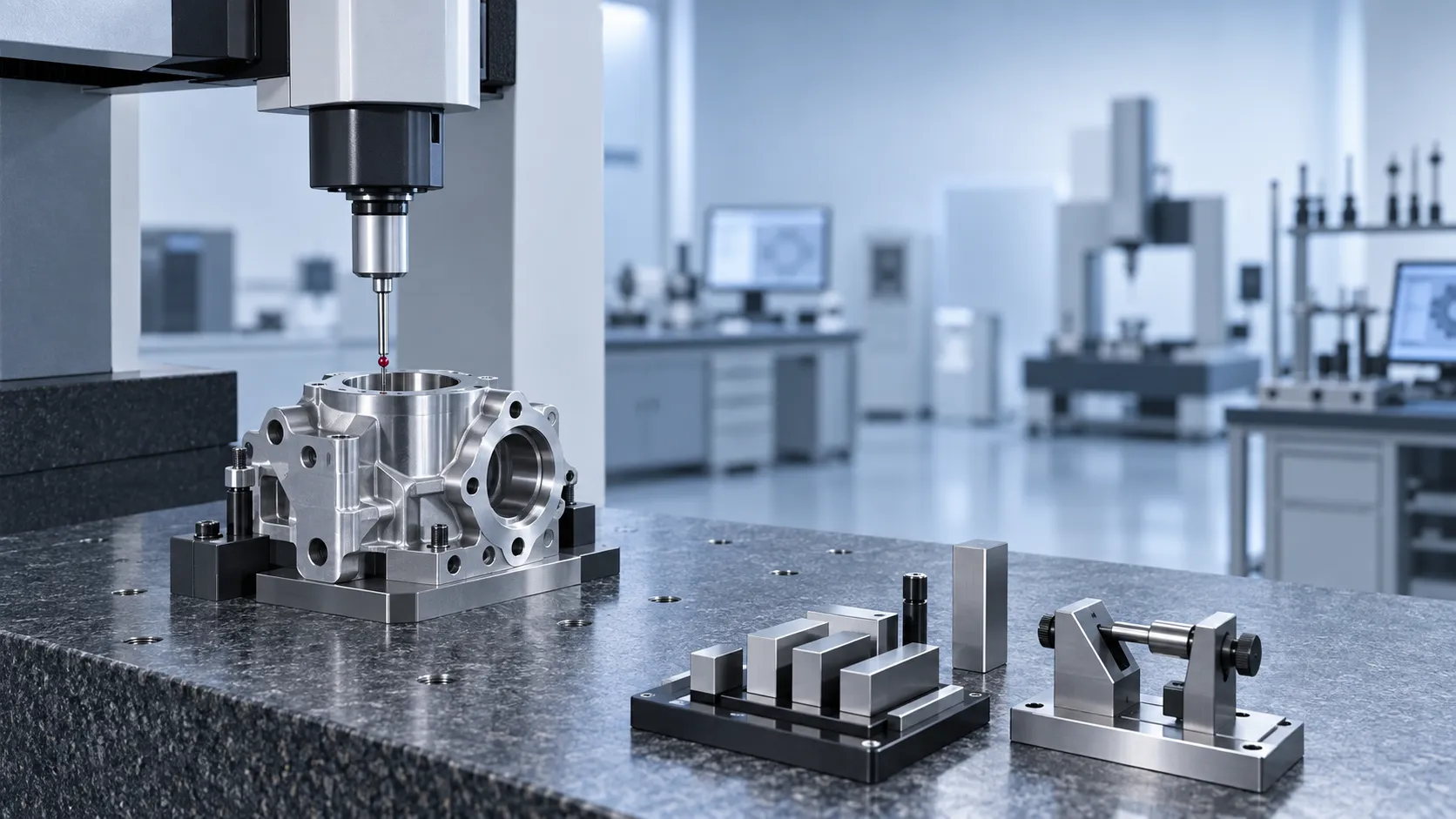
How Specification-Driven Articles Improve Precision Measurement System Selection
Specification-oriented articles precision measurement guidance helps teams compare accuracy, repeatability, environment, and data needs to select reliable systems with confidence.
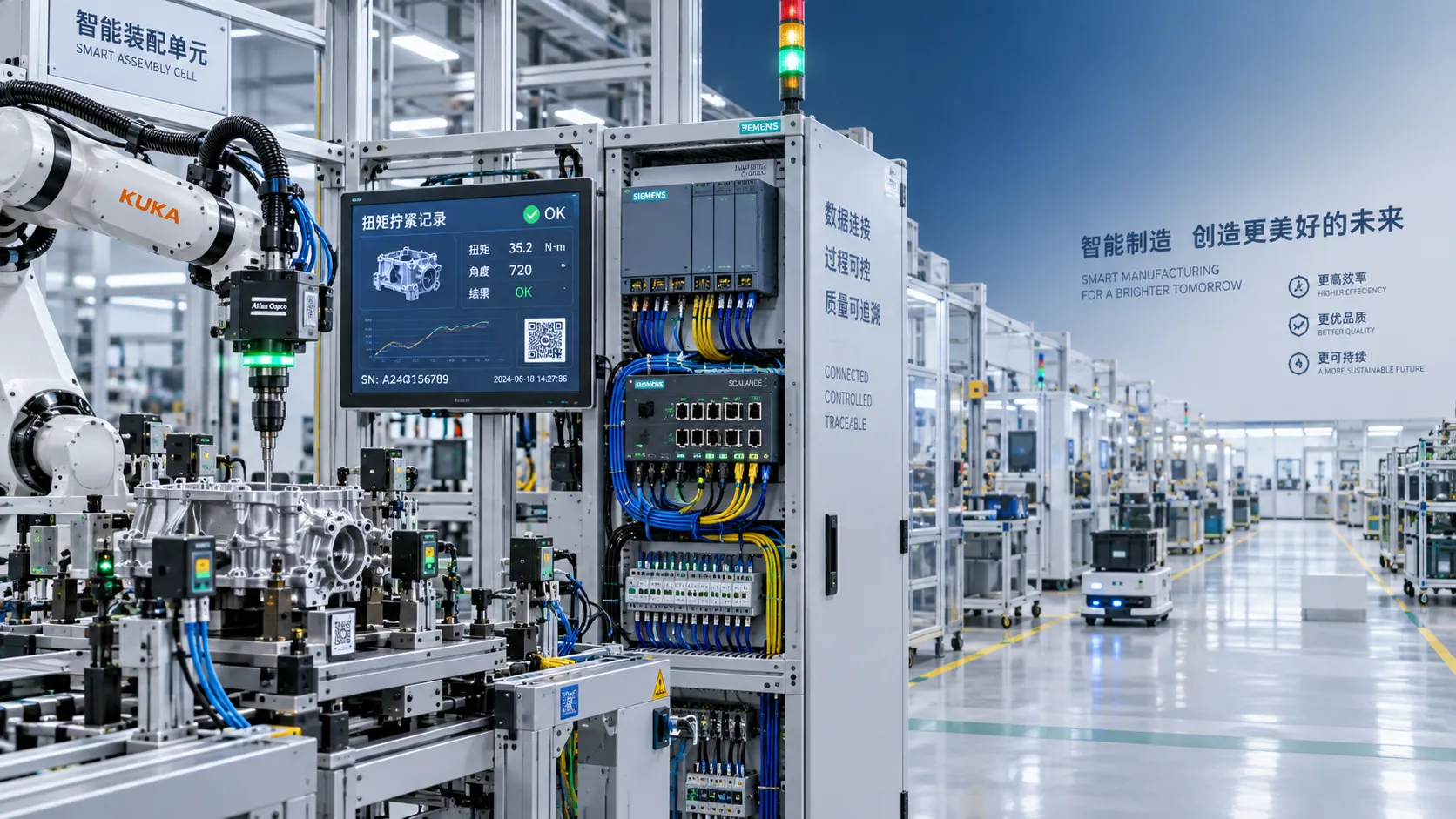
How to Evaluate a Technology Integration Service Provider for Complex Projects
Technology integration service provider selection guide: evaluate interface ownership, delivery discipline, scalable architecture, and risk control for complex projects.
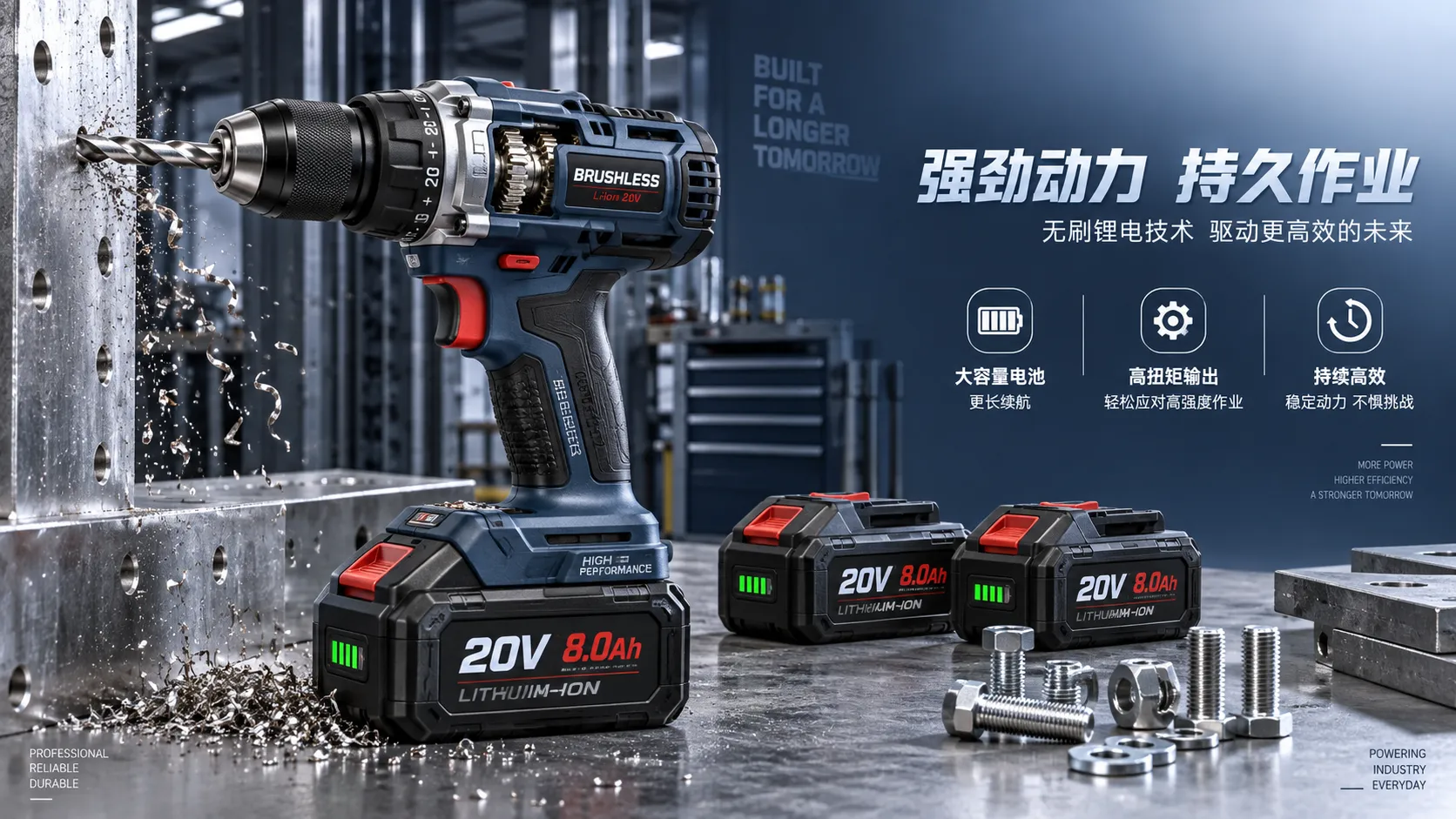
How Battery, Torque, and Duty Cycle Affect Cordless Power Tool Efficiency
Cordless power tool efficiency depends on battery output, torque, and duty cycle. Learn how to match tools to demanding jobs for stronger runtime and productivity.
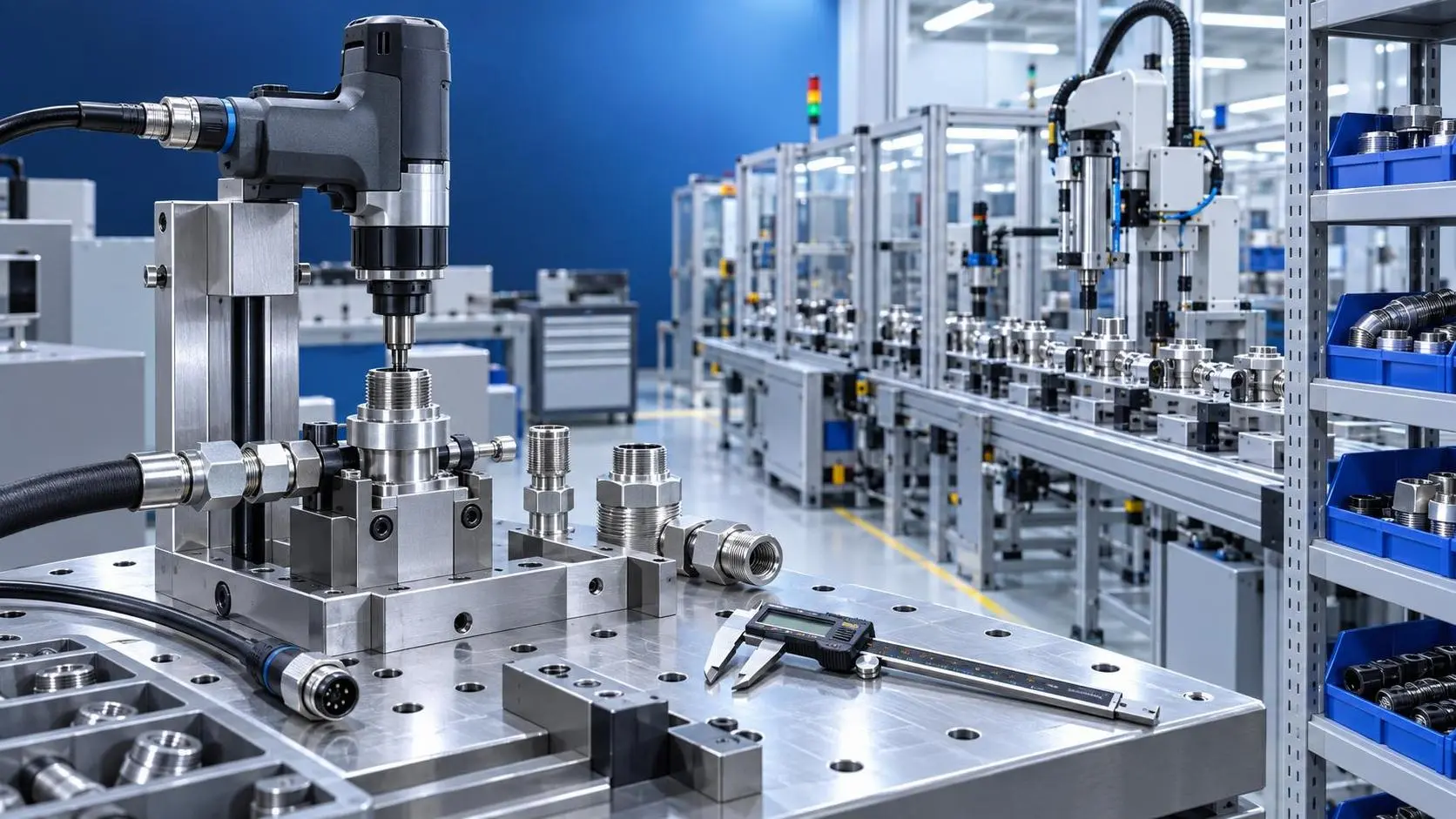
Product Comparison Resources for Component Compatibility and Lifecycle Risk
Product comparison resources for components: evaluate compatibility, interfaces, service support, and lifecycle risk to reduce downtime, avoid redesigns, and make confident sourcing decisions.
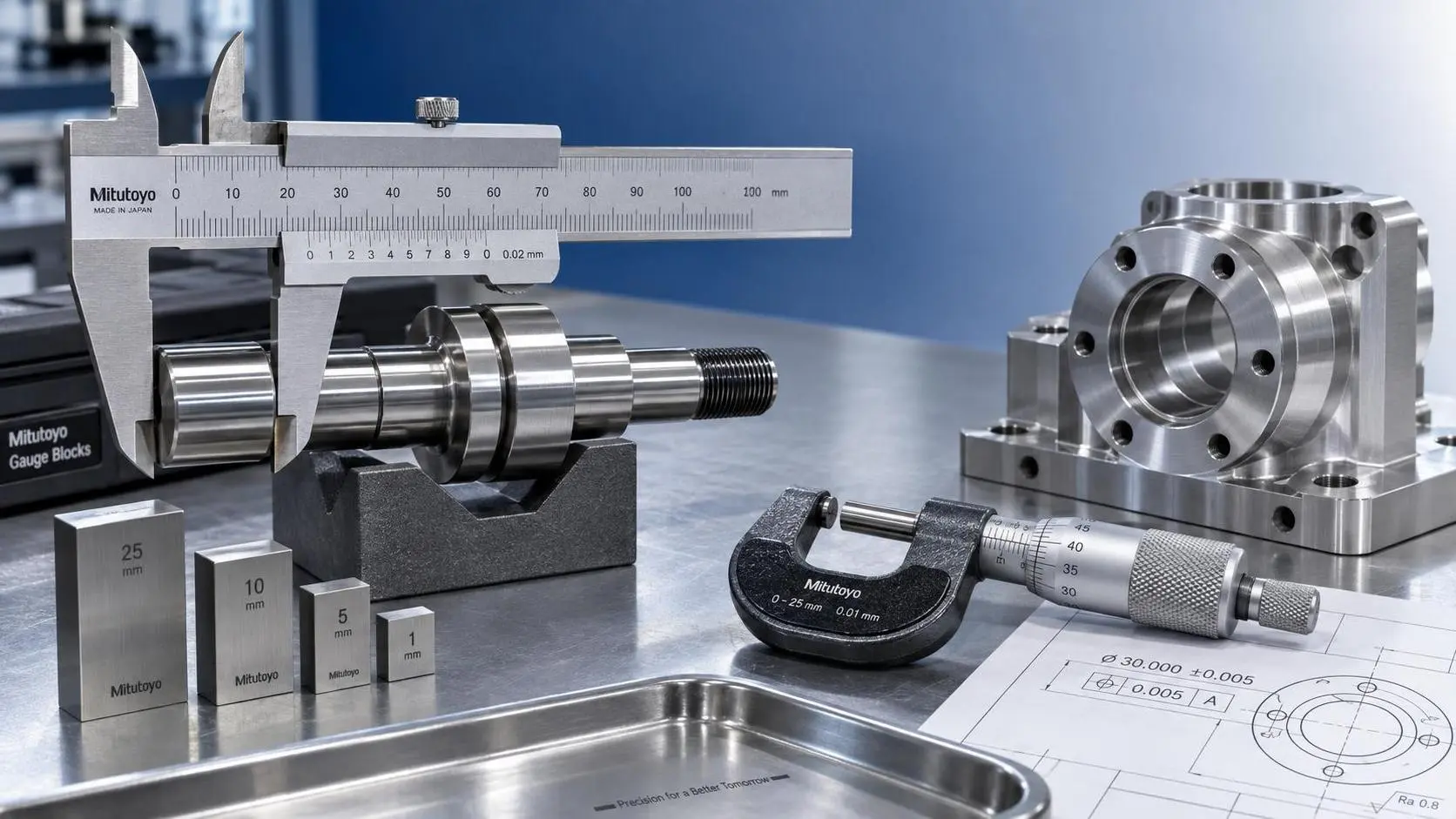
How to Select Vernier Precision Calipers for Tight-Tolerance Machining Inspection
Vernier precision calipers for tight-tolerance machining: learn how to select the right range, jaw design, accuracy, and verification process for reliable inspection.
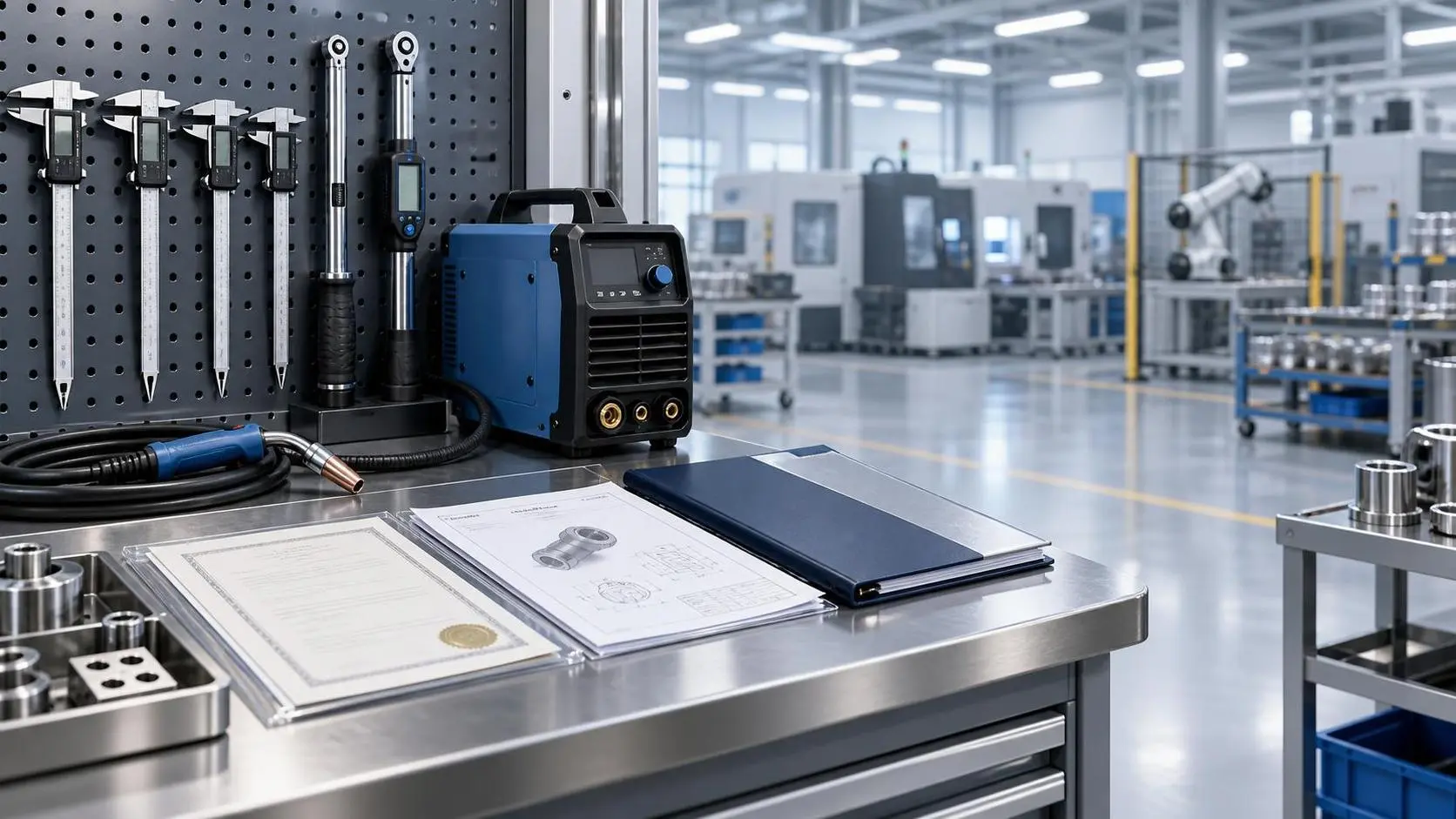
Product Comparison Resources in Europe: How Buyers Can Verify Specs and Suppliers
Product comparison resources Europe: learn how to verify industrial specs, compliance claims, supplier credibility, and delivery risk for smarter purchasing decisions.

How to Evaluate an Industrial Metrology Solution Manufacturer for Production Use
Industrial metrology solution manufacturer evaluation guide for production: compare accuracy, traceability, automation, software, service, and acceptance testing to reduce risk.
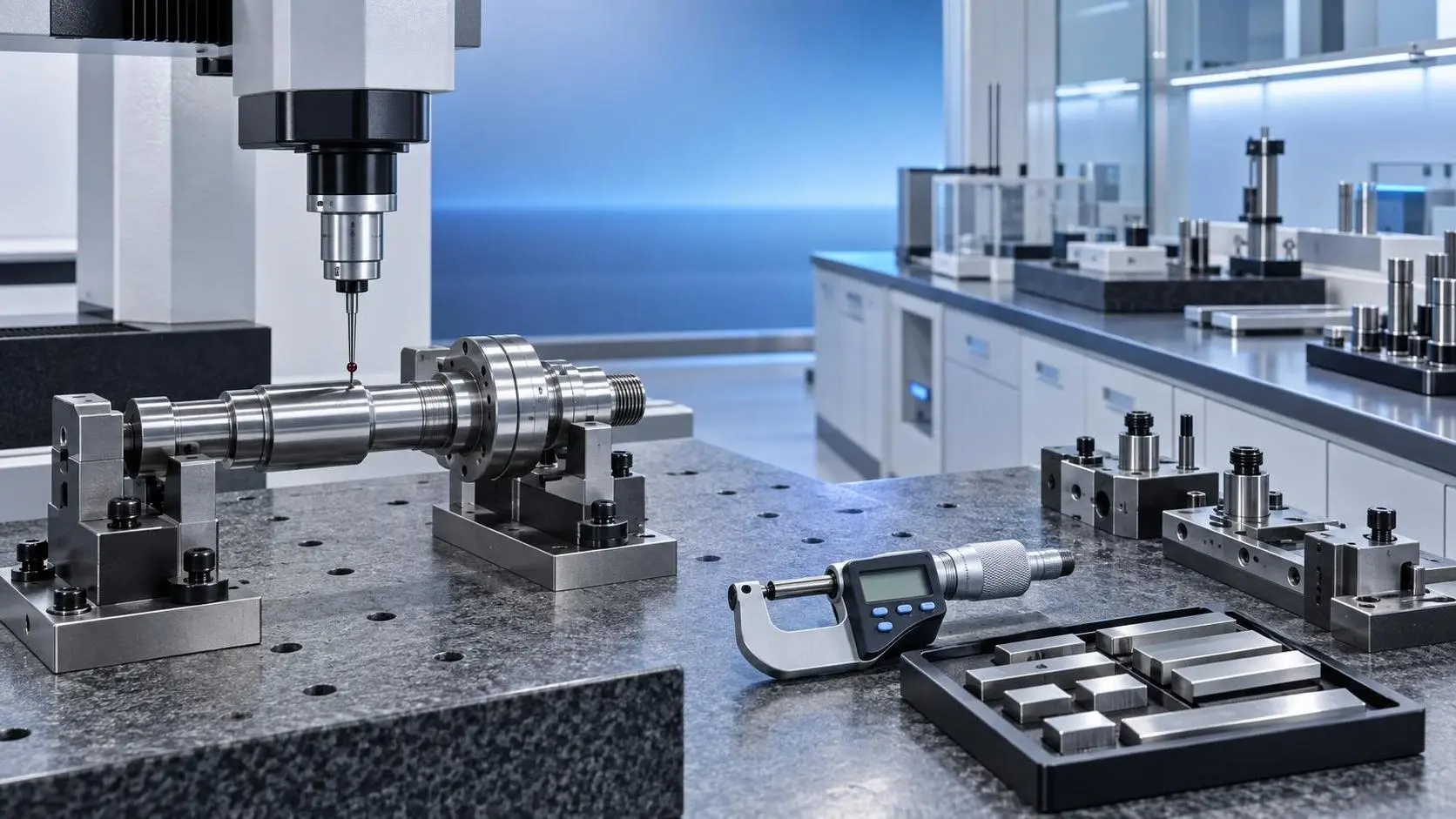
Which ISO Standards Matter Most for Precision Engineering Quality Control?
Precision engineering ISO standards explained: discover how ISO 9001, ISO/IEC 17025, ISO 10012, GPS, and ISO 3834 strengthen quality control, traceability, and compliance.
Related News
- 00
0000-00
How Battery, Torque, and Duty Cycle Affect Cordless Power Tool Efficiency - 00
0000-00
How to Size High-Torque Tool Motors for Continuous-Duty Assembly Lines - 00
0000-00
How to Choose 24V Brushless Tool Motors for Torque, Runtime, and Duty Cycle? - 00
0000-00
Automotive Repair Tools List: What Every Workshop Needs for Daily Service Jobs - 00
0000-00
36V Brushless Tool Motors Selection Guide: Torque, Efficiency, Thermal Limits, and Duty Cycle
Electro-Mech Tool Designer
Weekly Insights
Stay ahead with our curated technology reports delivered every Monday.