
How to Choose Industrial Tools for Daily Production, Maintenance, and Repair Tasks





How to Choose Industrial Tools for Daily Production, Maintenance, and Repair Tasks
Choosing the right industrial tools shapes daily output, repair quality, and workplace safety.
A poor fit slows work, increases fatigue, and raises the chance of rework or damage.
A well-matched tool improves control, consistency, and total operating value over time.
For daily production, maintenance, and repair, selection should go beyond price or brand familiarity.
You need to compare task demands, material type, frequency of use, and actual site conditions.
This guide explains how to evaluate industrial tools in a practical way and make better decisions.
Start with the Real Job, Not the Catalog
The first step is simple.
Define what the tool must do during normal shifts, urgent repairs, and repetitive maintenance cycles.
Many buyers compare industrial tools by specifications alone.
In practice, the better method is to start from the job sequence.
Ask what operation happens first, what tolerance matters, and what failure would cost the most.
A short task review should cover:
- Material type, surface condition, and part hardness
- Required torque, cutting force, heat resistance, or measurement precision
- Shift length, repetition rate, and downtime sensitivity
- Space limits, overhead work, and access difficulty
- Power source availability, including air, battery, or electric supply
This approach keeps industrial tools aligned with daily output instead of ideal lab conditions.
It also helps separate nice-to-have features from functions that truly protect productivity.
Match Tool Performance to Production Demands
Performance should always be measured against workload, not marketing claims.
For example, a higher rated motor is useful only if the application needs sustained output.
If the task is light, compact industrial tools may deliver better handling and lower fatigue.
In repair work, speed matters, but control often matters more.
That is especially true for fastening, grinding, cutting, measuring, and welding preparation.
Key performance points to compare
- Output capacity, such as torque, RPM, pressure, force, or heat range
- Precision stability during long runs or repeated use
- Recovery speed between cycles
- Compatibility with accessories, consumables, and replacement parts
- Calibration needs for precision industrial tools
From recent market shifts, one clear signal stands out.
Users are moving toward industrial tools that balance output with predictable repeatability.
That means fewer oversize tools and more application-specific choices.
Do Not Ignore Ergonomics in Daily Use
Ergonomics is not a comfort bonus.
It directly affects speed, accuracy, and injury risk.
When industrial tools are used every day, weight balance and grip shape become business issues.
Poor ergonomics lead to hand strain, unstable control, and inconsistent finish quality.
This is more visible during long shifts, awkward angles, and tight maintenance zones.
What to check before choosing
- Grip texture and size for gloved hands
- Trigger placement and one-hand or two-hand operation
- Noise, kickback, and vibration levels
- Tool balance during vertical or overhead work
- Ease of bit, blade, socket, or probe changes
In actual operations, small ergonomic gains often create larger productivity gains than raw power increases.
That is why experienced teams test industrial tools in real handling conditions before standardizing them.
Safety and Compliance Should Guide Selection
Safety features should never be treated as optional add-ons.
The right industrial tools reduce both immediate hazards and hidden long-term risks.
Look at the actual exposure points in your work area.
These may include sparks, dust, electrical contact, rotating parts, high pressure, or heat transfer.
The better choice is the tool that controls these risks without slowing routine work.
Important safety checkpoints
- Relevant certifications and compliance with site requirements
- Guarding, shutoff response, and overload protection
- Insulation, anti-slip handling, and thermal shielding
- Visibility around the working edge or measuring point
- Clear maintenance procedures that preserve safe performance
This also matters when selecting connected industrial tools with digital settings or torque controls.
Smart features help only when they are reliable, readable, and easy to verify on the floor.
Consider Durability, Service, and Total Cost
The cheapest industrial tools often become the most expensive over a full service cycle.
Frequent failure creates downtime, inconsistent quality, and rushed replacement decisions.
A smarter evaluation looks at life-cycle value.
That includes purchase cost, maintenance cost, spare part access, calibration intervals, and repair lead time.
In many facilities, service support decides whether industrial tools remain productive after six months.
A practical total-cost checklist
This is where industrial tools should be judged as operating assets, not one-time purchases.
Choose by Environment and Application Risk
A tool that performs well in one workshop may fail in another.
Environmental conditions change how industrial tools behave and how long they last.
Dust, humidity, oil exposure, temperature swings, and restricted access all matter.
The same is true for indoor versus field repair work.
This means selection should include the real environment, not just rated output.
Common environment-based selection questions
- Will the industrial tools face dust, moisture, or corrosive residue?
- Is cordless mobility more valuable than constant high output?
- Do operators need compact tools for confined spaces?
- Will the tool be shared across shifts with different skill levels?
- Does the application demand traceability or digital setting control?
More clearly now, industrial tools are being selected as part of a wider system.
That system includes workflow, training, data capture, and maintenance planning.
Build a Simple Selection Process That Teams Can Repeat
Good selection becomes easier when the process is standardized.
Without a clear method, teams often choose industrial tools based on urgency alone.
That usually leads to mismatched purchases and uneven performance.
A repeatable process can be very straightforward:
- List the top three daily tasks the tool must support
- Set minimum performance and safety requirements
- Compare ergonomics in real handling tests
- Review service, parts, and calibration support
- Run a short trial before wider deployment
- Record feedback from actual daily users
This helps teams choose industrial tools with less guesswork and stronger internal consistency.
It also creates a clearer basis for future upgrades and supplier discussions.
Make Better Decisions with Long-Term Practical Value
The best industrial tools are not always the most advanced or the most expensive.
They are the tools that match the job, protect safety, and stay reliable under daily pressure.
A strong choice balances performance, ergonomics, environment fit, and service support.
That balance reduces downtime, improves quality, and lowers avoidable risk.
In day-to-day production and repair, those gains add up quickly.
Before the next purchase, review the task, test the fit, and compare full operating value.
That is the most practical way to choose industrial tools that keep work moving with confidence.
Related News
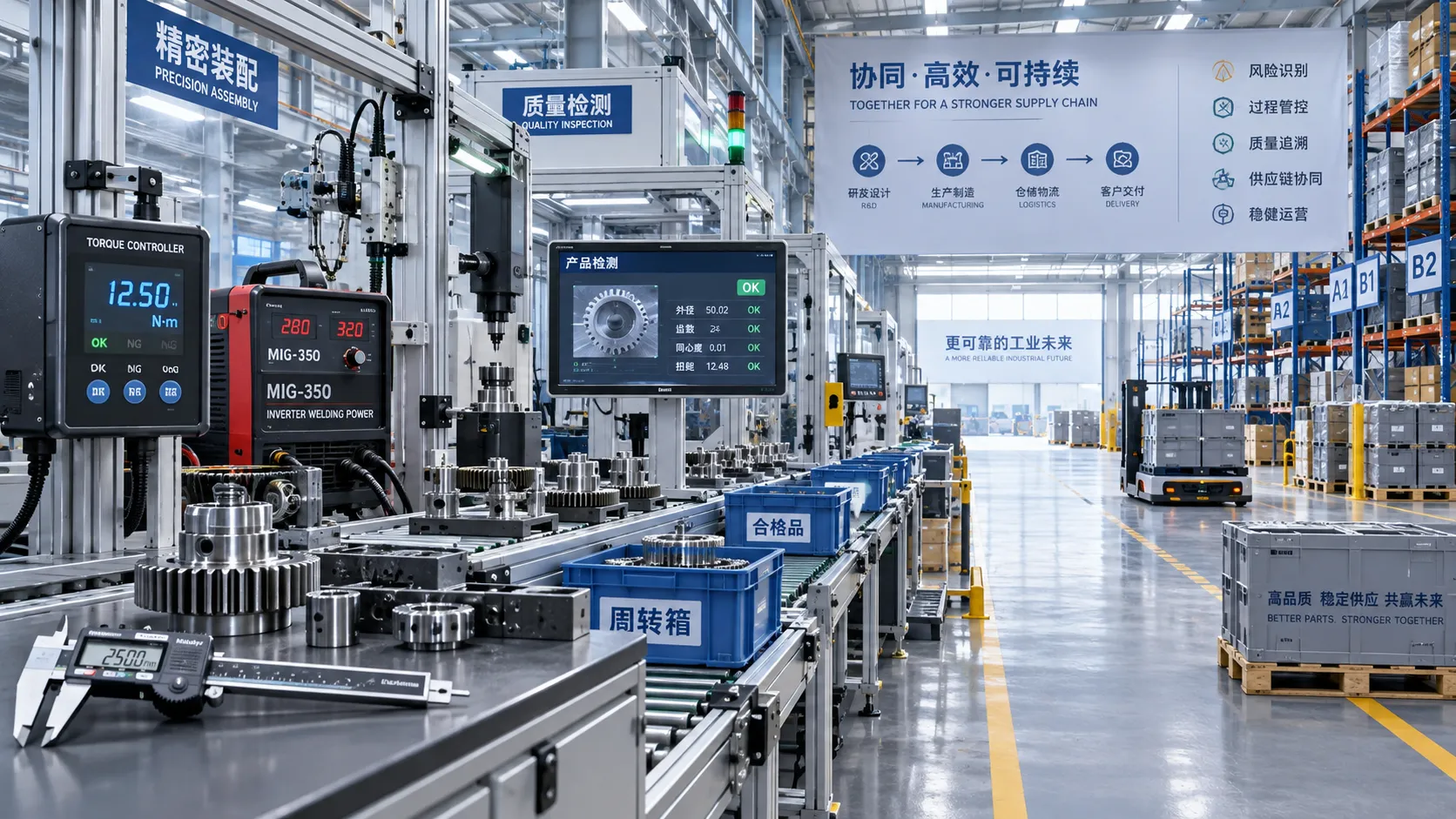
How Procurement Teams Can Map the Industrial Value Chain to Reduce Supply Risk
Industrial value chain procurement helps teams map hidden dependencies, qualify resilient sources, and reduce supply risk before disruptions stop production.
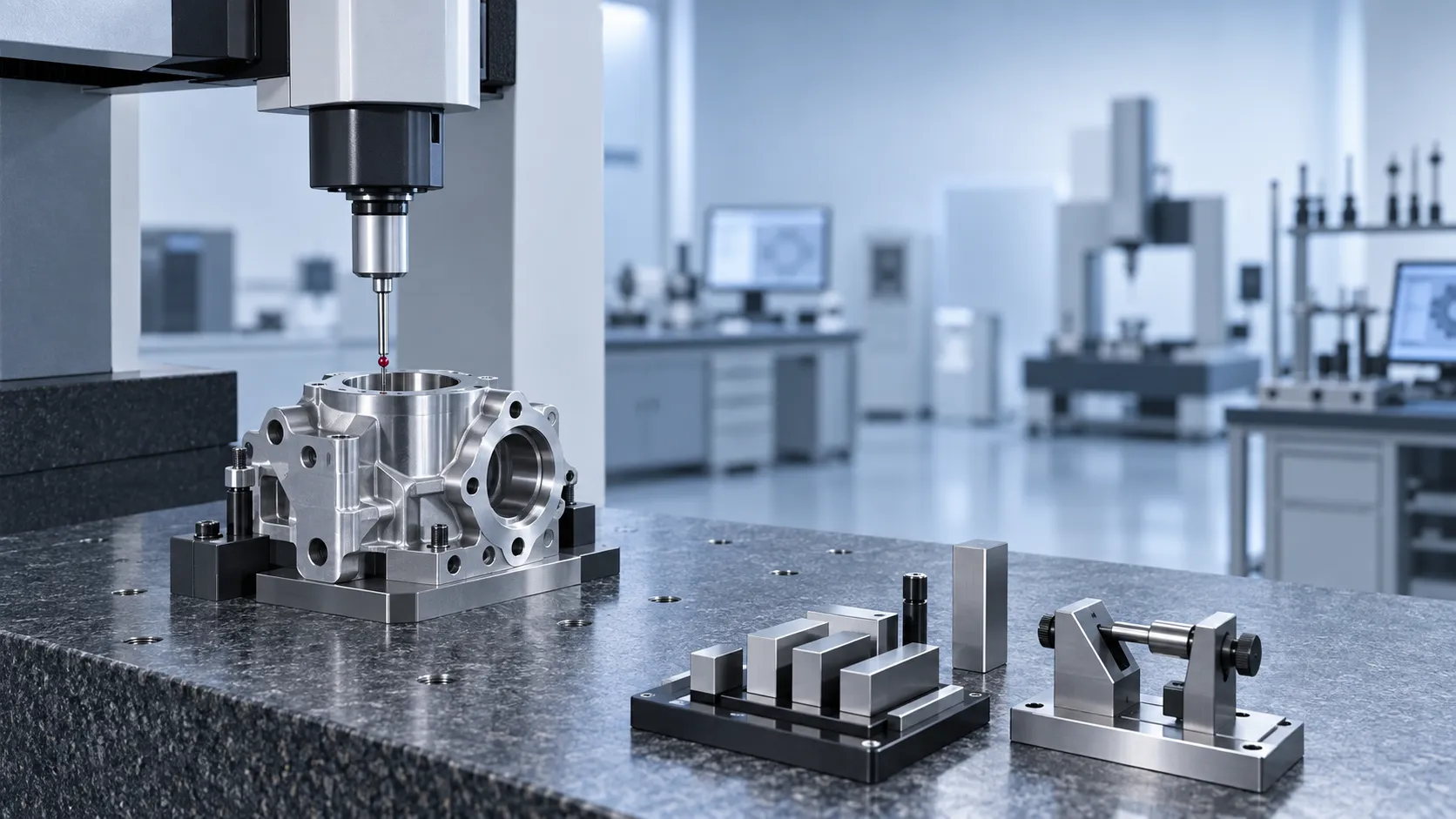
How Specification-Driven Articles Improve Precision Measurement System Selection
Specification-oriented articles precision measurement guidance helps teams compare accuracy, repeatability, environment, and data needs to select reliable systems with confidence.

How to Evaluate a Technology Integration Service Provider for Complex Projects
Technology integration service provider selection guide: evaluate interface ownership, delivery discipline, scalable architecture, and risk control for complex projects.
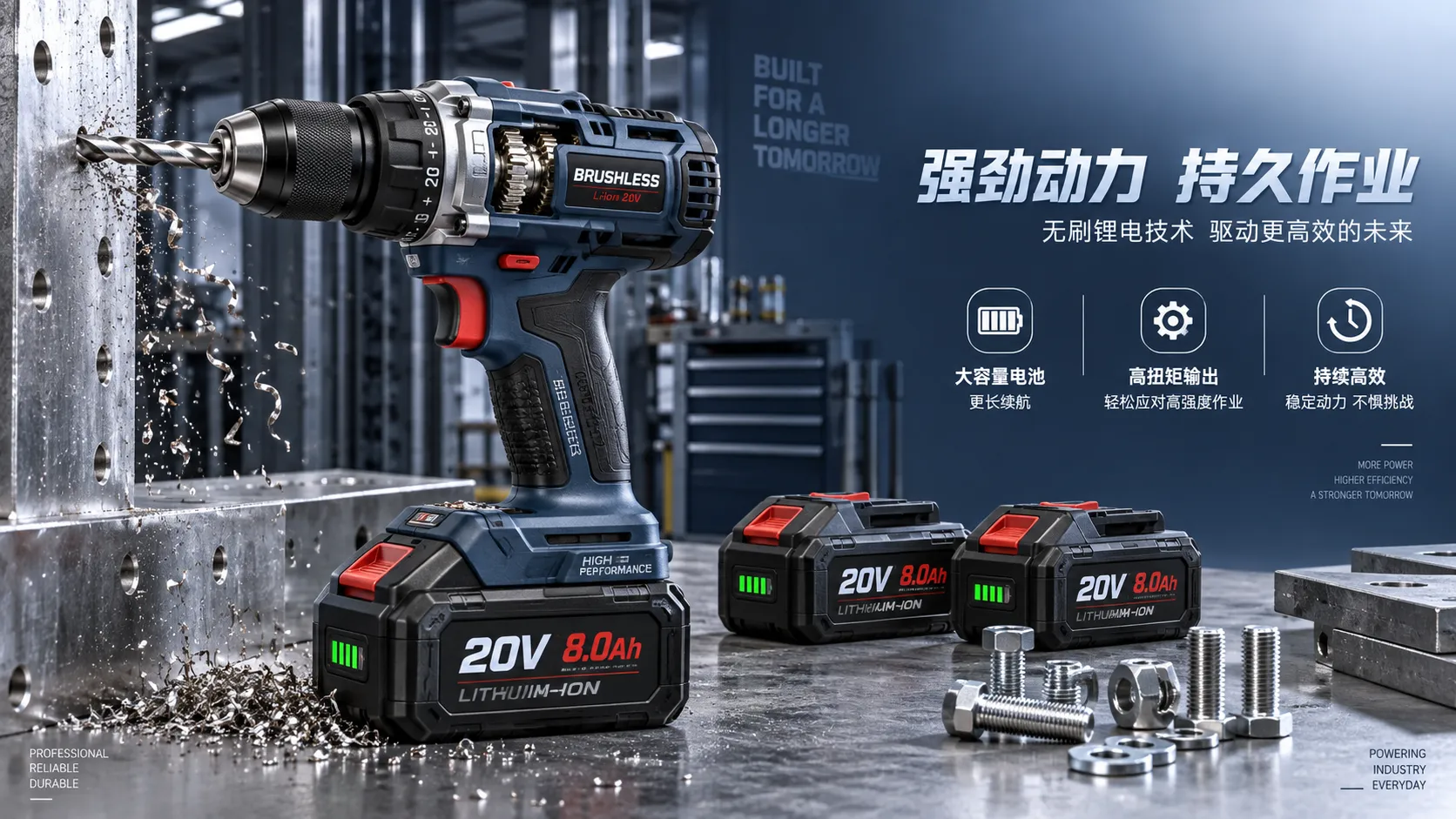
How Battery, Torque, and Duty Cycle Affect Cordless Power Tool Efficiency
Cordless power tool efficiency depends on battery output, torque, and duty cycle. Learn how to match tools to demanding jobs for stronger runtime and productivity.

Product Comparison Resources for Component Compatibility and Lifecycle Risk
Product comparison resources for components: evaluate compatibility, interfaces, service support, and lifecycle risk to reduce downtime, avoid redesigns, and make confident sourcing decisions.
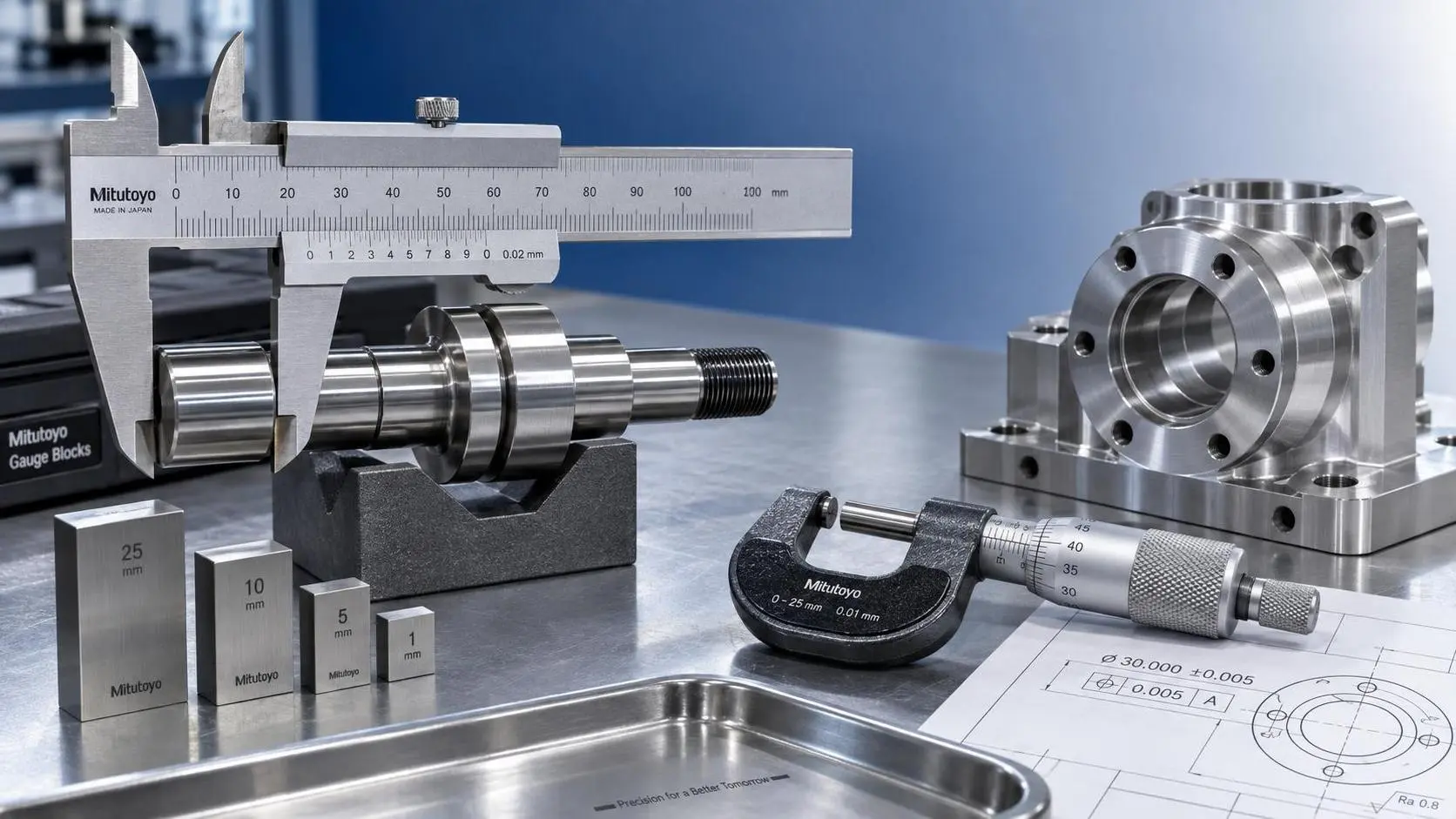
How to Select Vernier Precision Calipers for Tight-Tolerance Machining Inspection
Vernier precision calipers for tight-tolerance machining: learn how to select the right range, jaw design, accuracy, and verification process for reliable inspection.
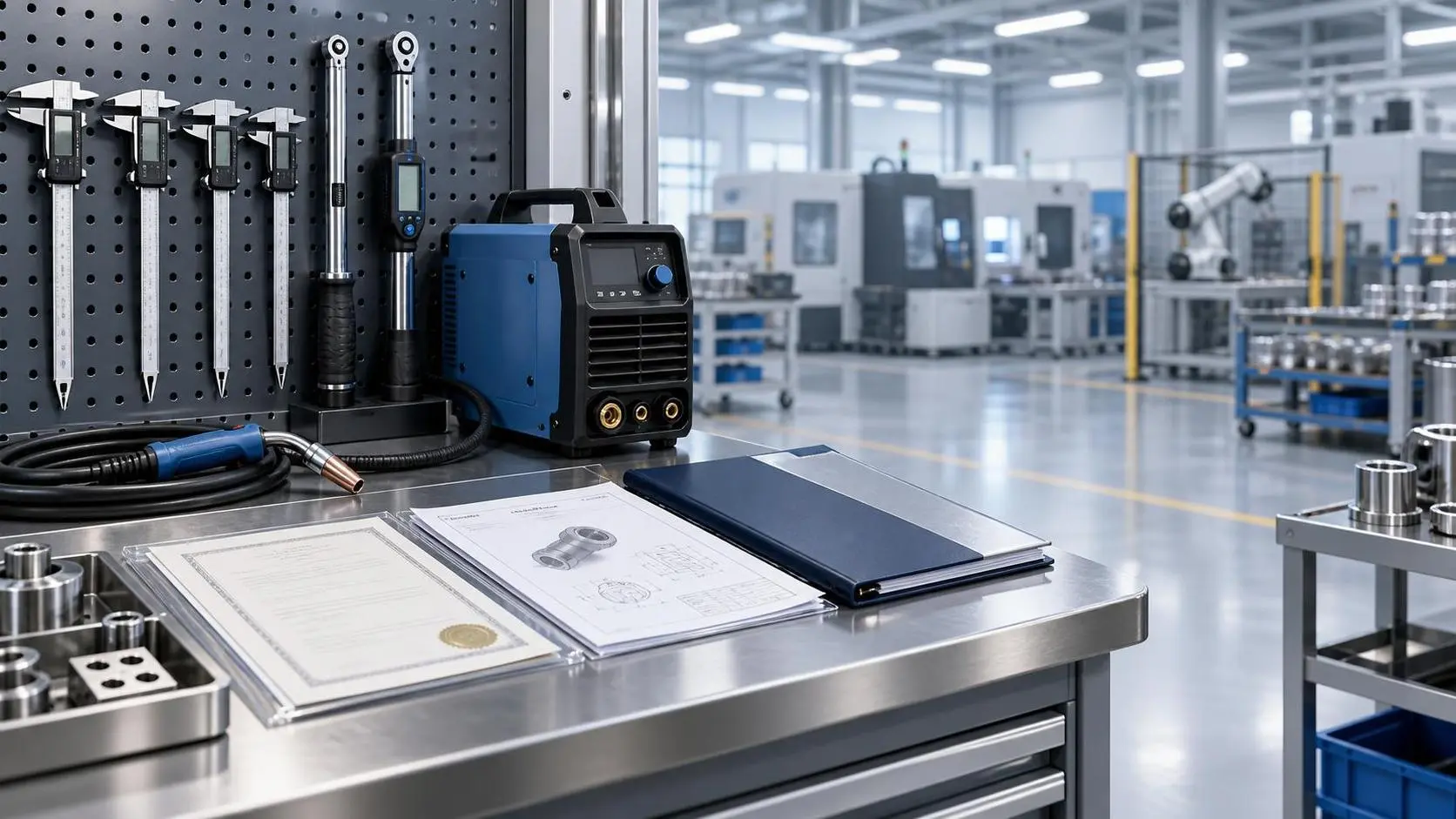
Product Comparison Resources in Europe: How Buyers Can Verify Specs and Suppliers
Product comparison resources Europe: learn how to verify industrial specs, compliance claims, supplier credibility, and delivery risk for smarter purchasing decisions.

How to Evaluate an Industrial Metrology Solution Manufacturer for Production Use
Industrial metrology solution manufacturer evaluation guide for production: compare accuracy, traceability, automation, software, service, and acceptance testing to reduce risk.
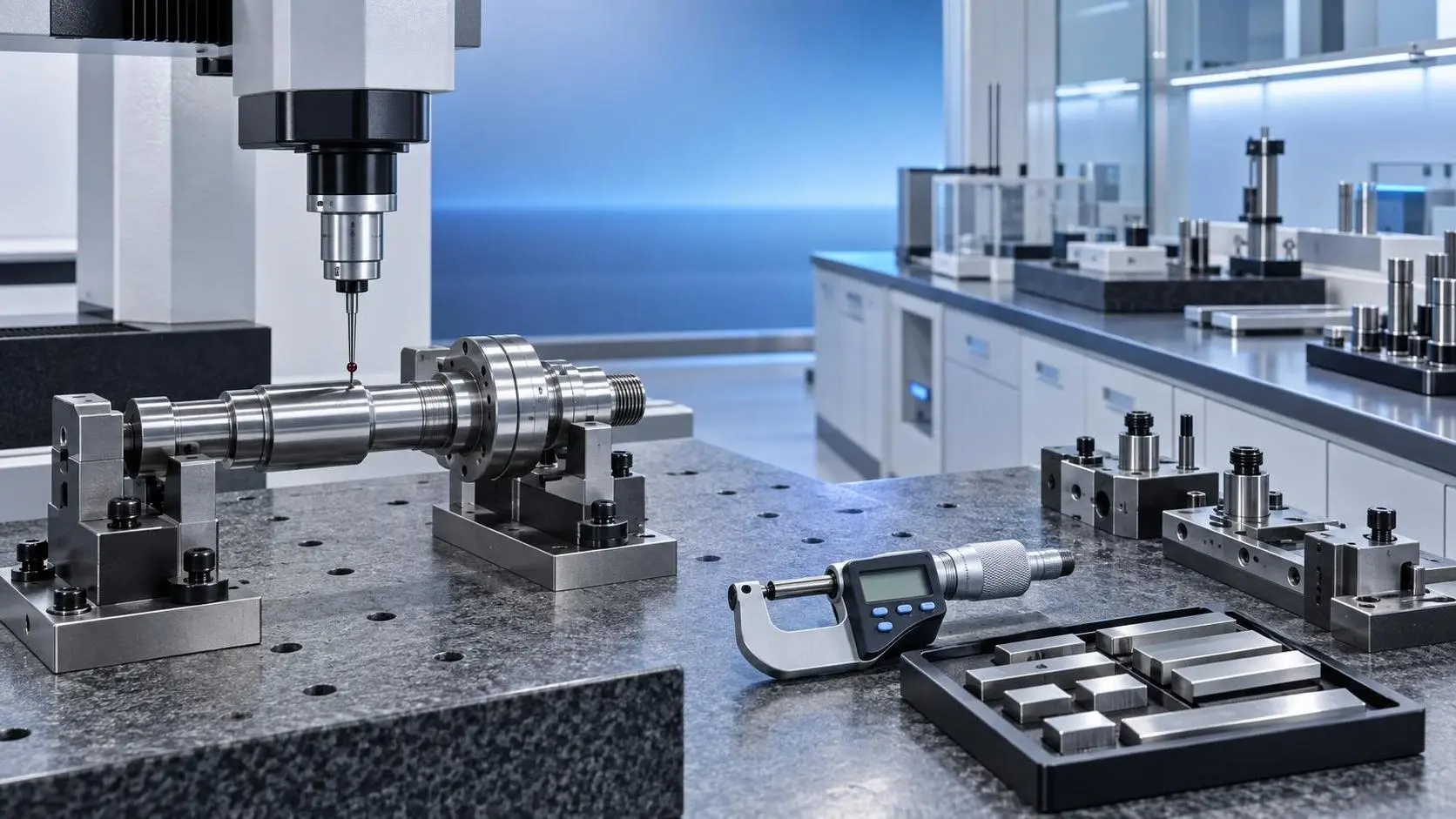
Which ISO Standards Matter Most for Precision Engineering Quality Control?
Precision engineering ISO standards explained: discover how ISO 9001, ISO/IEC 17025, ISO 10012, GPS, and ISO 3834 strengthen quality control, traceability, and compliance.
Related News
- 00
0000-00
How Battery, Torque, and Duty Cycle Affect Cordless Power Tool Efficiency - 00
0000-00
How to Size High-Torque Tool Motors for Continuous-Duty Assembly Lines - 00
0000-00
How to Choose 24V Brushless Tool Motors for Torque, Runtime, and Duty Cycle? - 00
0000-00
Automotive Repair Tools List: What Every Workshop Needs for Daily Service Jobs - 00
0000-00
36V Brushless Tool Motors Selection Guide: Torque, Efficiency, Thermal Limits, and Duty Cycle
Electro-Mech Tool Designer
Weekly Insights
Stay ahead with our curated technology reports delivered every Monday.