
Torque Tools vs Impact Wrenches: Which Delivers Better Fastener Control?





Fastener control is rarely just about tightening power. In assembly, maintenance, and repair work, the real question is how consistently a tool can reach the required clamp load without damaging threads, parts, or safety margins.
That is why the comparison between torque tools and impact wrenches matters. Both handle fastening tasks, yet they deliver force in very different ways, and those differences shape accuracy, speed, fatigue, and rework.
Across construction equipment, automotive service, metal fabrication, and industrial assembly, the choice often comes down to control versus throughput. GPTWM has tracked this shift closely, especially as intelligent torque control systems become more common.
In practical terms, torque tools are built to apply a defined amount of torque. Impact wrenches are designed to deliver rapid bursts of rotational force. The better option depends less on brand preference and more on the fastening result required.
What separates torque tools from impact wrenches
Torque tools focus on measured output. They may be manual, pneumatic, electric, or battery powered, but their main value is repeatability. The operator sets or monitors torque, then tightens to a defined target.
Impact wrenches work differently. An internal hammering mechanism delivers short, high-energy impacts. This helps break loose stubborn fasteners and drive them quickly, especially where rust, heavy preload, or high cycle time is involved.
Simple speed comparisons can be misleading. A fast tool is not automatically a controlled tool. In many joints, the cost of overtightening, undertightening, or damaging the mating surface is higher than the time saved.
The core difference is force delivery
Torque tools apply rotational force in a steady, measurable way. That makes them suitable for fastening tasks where a specified torque window must be achieved and documented.
Impact wrenches deliver force in pulses. Those pulses are effective for removal and rough run-down, but they are less precise when final clamp accuracy is critical.
Why fastener control is gaining more attention
Industrial fastening now sits inside a broader quality chain. Lightweight materials, tighter tolerances, and global standardization leave less room for guesswork. A joint that feels tight may still fail inspection or perform poorly in service.
This is one reason GPTWM places such emphasis on precision metrology and intelligent tools. The last mile of manufacturing often decides whether design intent survives real production conditions.
Another factor is traceability. In regulated sectors, fastening data can support warranty analysis, safety audits, and process improvement. That naturally increases interest in digital torque tools and connected tightening systems.
Even in general industry, poor fastener control creates familiar problems: stripped threads, warped flanges, brake component issues, gasket leaks, and inconsistent service outcomes. Those are operational problems, not just technical details.
Control affects more than the joint
- It reduces rework caused by uneven or missed torque.
- It supports safety where critical fasteners carry load or vibration.
- It improves consistency across shifts, sites, and service teams.
- It helps balance ergonomics, cycle time, and quality targets.
Where torque tools usually deliver better results
If the fastening specification matters, torque tools usually have the advantage. They are built for applications where the final torque value influences performance, durability, sealing, or compliance.
This includes wheel service, engine assembly, electrical enclosures, flanged pipe joints, structural bolting checks, aerospace maintenance, and precision equipment installation. In these settings, consistency matters as much as force.
Torque tools also help when materials vary. Aluminum housings, coated fasteners, composite structures, and small-thread assemblies are less forgiving than heavy steel joints. Controlled torque lowers the chance of thread damage or distortion.
More advanced torque tools go further. Electronic models can capture readings, flag out-of-range results, and integrate with workflow systems. That aligns with the wider industrial move toward intelligent, data-backed operations.
Typical strengths of torque tools
- Precise final tightening for critical joints.
- Better repeatability across repeated fastening cycles.
- Lower risk of damaging sensitive parts.
- Compatibility with calibration and quality programs.
When impact wrenches make more sense
Impact wrenches remain essential in many workflows. They excel where high breakout torque, speed, and productivity are the immediate priority. Corroded fasteners, heavy equipment service, and repetitive removal tasks are clear examples.
They are also useful for initial run-down on long bolts or large assemblies. In those cases, an impact wrench can reduce effort and save time before a torque tool is used for final tightening.
That combined workflow is common because it matches each tool to its real strength. One tool handles speed. The other confirms the final fastening condition.
The limitation appears when an impact wrench is used as a substitute for measured torque. Joint friction, battery condition, air pressure, socket wear, and fastener surface changes can all shift the actual result.
A useful rule in the field
If the goal is removal or fast run-down, start with an impact wrench. If the goal is verified final clamp control, finish with torque tools.
How to judge the right option for a real task
Choosing well starts with the joint, not the tool catalog. The same operator may need both options in a single shift, depending on the fastener size, material stack, access limits, and inspection standard.
Several questions usually clarify the decision quickly.
Points that are often overlooked
- Calibration matters as much as tool selection.
- Socket condition can influence torque transfer.
- Lubrication changes the relationship between torque and clamp load.
- Operator technique still affects outcomes, even with advanced tools.
What this means for current industrial practice
The market is not moving toward one universal fastening tool. It is moving toward smarter combinations of speed tools, controlled tightening, and measurement-driven verification.
That trend is visible in GPTWM coverage of brushless power tools, IoT-based torque systems, and ergonomic standardization. The objective is not only higher output. It is stable quality with less physical strain and better process visibility.
For many operations, the most effective setup is layered. Use impact wrenches where rapid loosening or preliminary tightening is needed. Use torque tools where the final condition must be known, not assumed.
That approach supports both craftsmanship and digital factory logic. It respects real-world tool behavior while bringing fastening work closer to measurable control.
A practical next step
A better fastening decision usually starts with a short review of the joints that fail, loosen, leak, or require rework most often. Those points reveal whether speed or control is the real bottleneck.
From there, compare the required torque range, tolerance, access, duty cycle, and documentation needs. In many cases, the answer is not torque tools or impact wrenches alone, but a clearer division of roles between them.
When fastener control affects safety, quality, or warranty exposure, torque tools usually provide the stronger foundation. When the task is dominated by stubborn removal or rapid run-down, impact wrenches keep the workflow moving.
The most reliable results come from matching tool behavior to joint demand, then reviewing that choice against real operating conditions. That is where better control becomes a practical advantage, not just a technical specification.
Related News
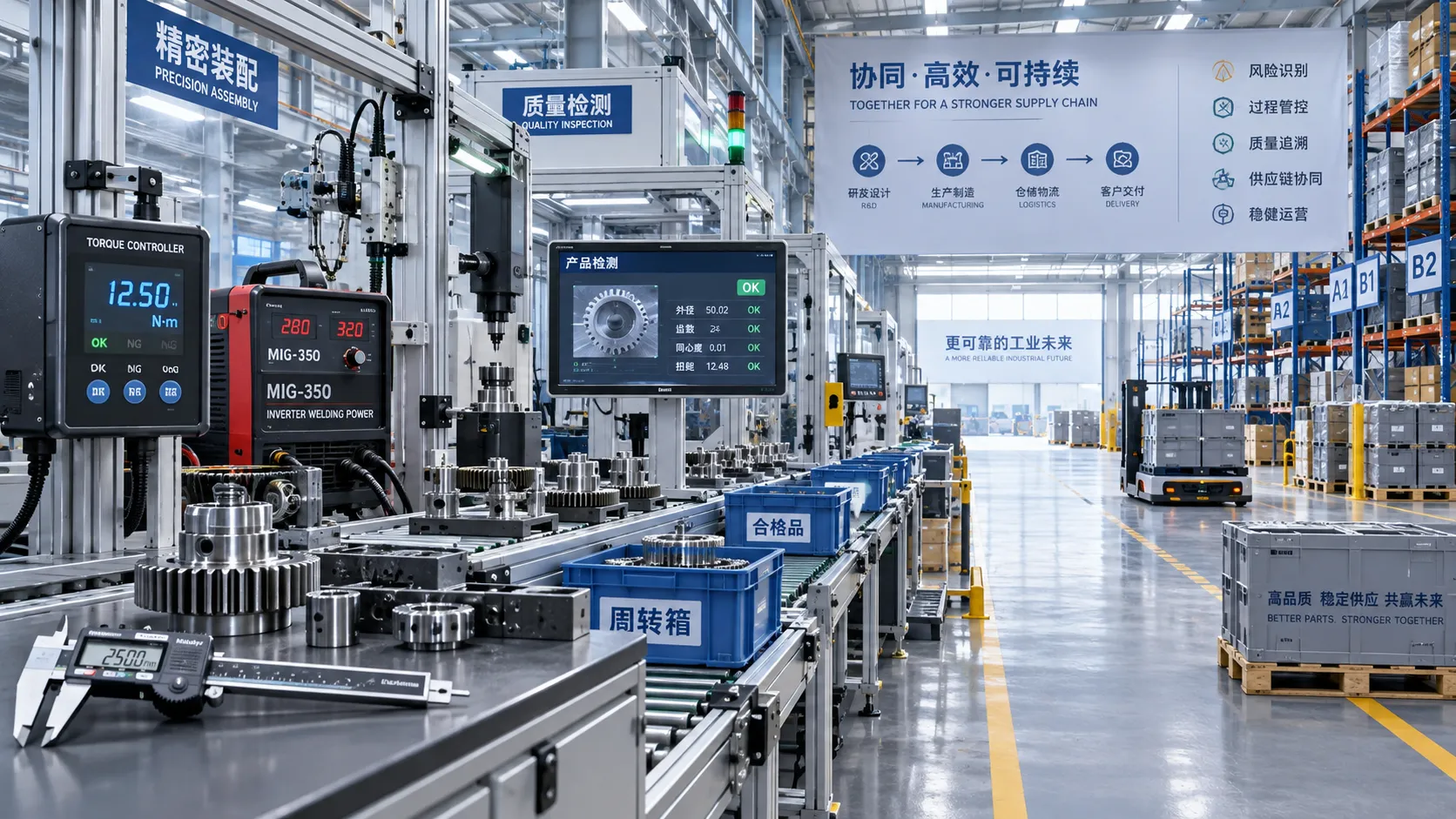
How Procurement Teams Can Map the Industrial Value Chain to Reduce Supply Risk
Industrial value chain procurement helps teams map hidden dependencies, qualify resilient sources, and reduce supply risk before disruptions stop production.
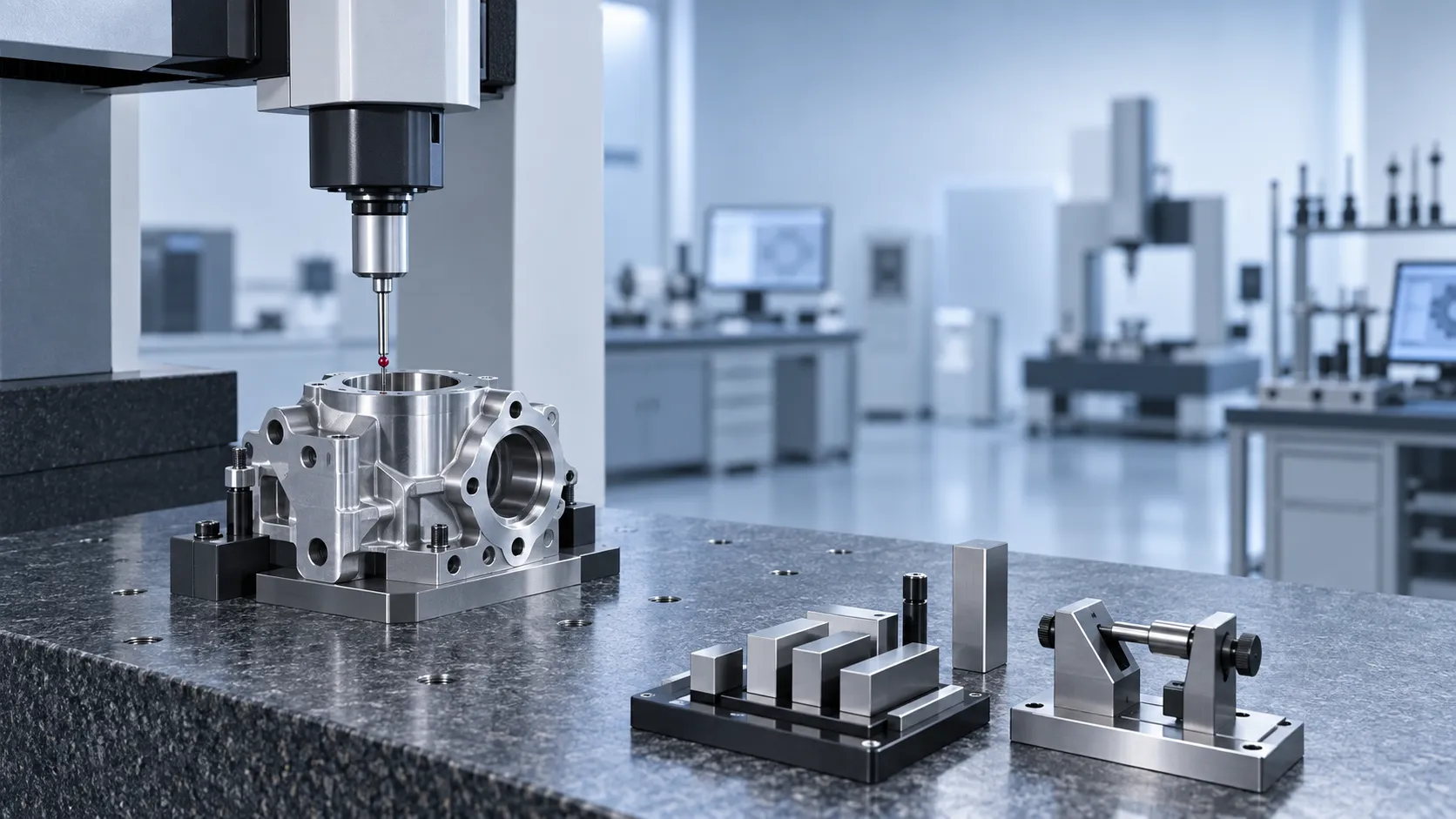
How Specification-Driven Articles Improve Precision Measurement System Selection
Specification-oriented articles precision measurement guidance helps teams compare accuracy, repeatability, environment, and data needs to select reliable systems with confidence.
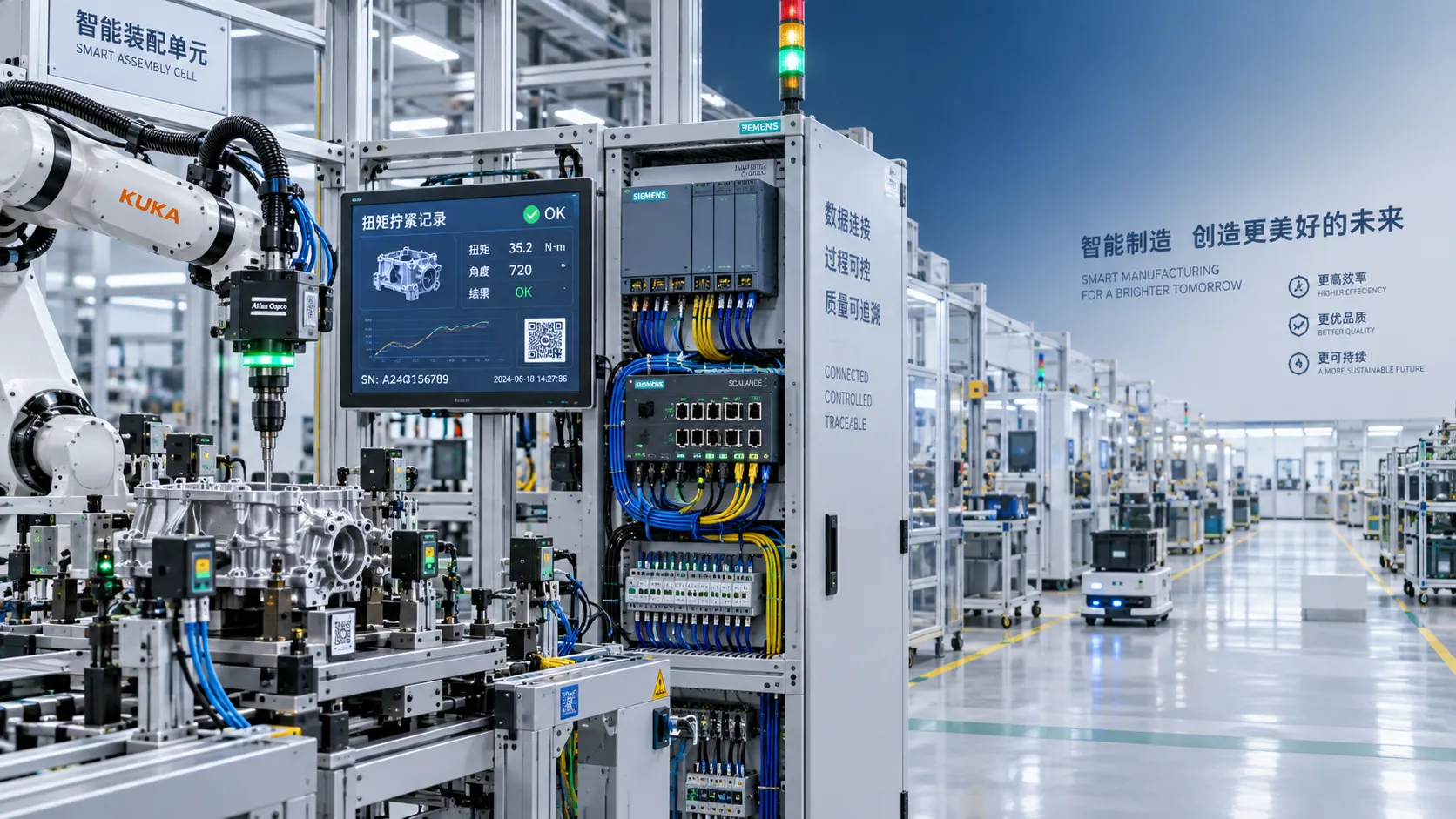
How to Evaluate a Technology Integration Service Provider for Complex Projects
Technology integration service provider selection guide: evaluate interface ownership, delivery discipline, scalable architecture, and risk control for complex projects.
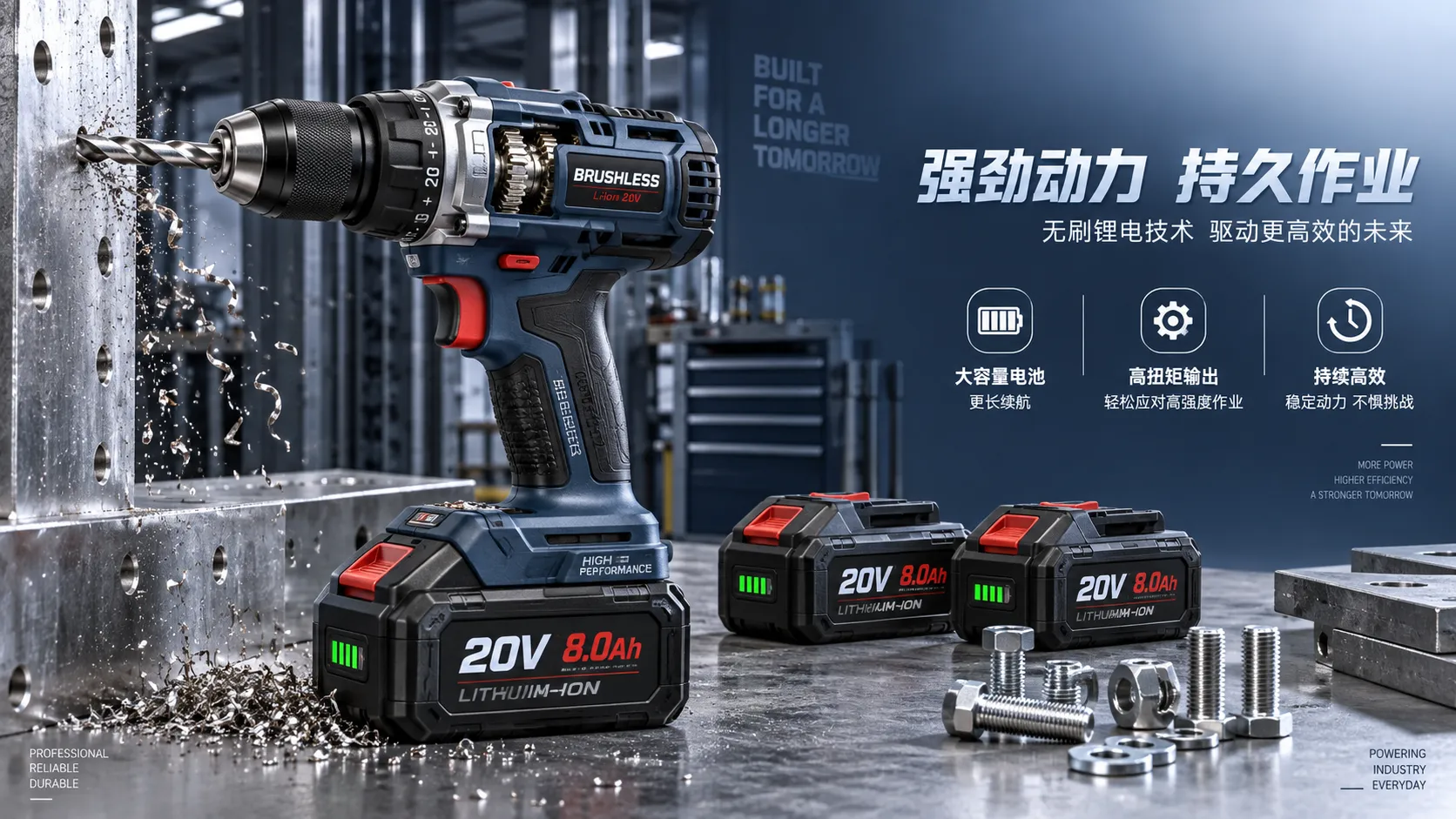
How Battery, Torque, and Duty Cycle Affect Cordless Power Tool Efficiency
Cordless power tool efficiency depends on battery output, torque, and duty cycle. Learn how to match tools to demanding jobs for stronger runtime and productivity.
Product Comparison Resources for Component Compatibility and Lifecycle Risk
Product comparison resources for components: evaluate compatibility, interfaces, service support, and lifecycle risk to reduce downtime, avoid redesigns, and make confident sourcing decisions.
How to Select Vernier Precision Calipers for Tight-Tolerance Machining Inspection
Vernier precision calipers for tight-tolerance machining: learn how to select the right range, jaw design, accuracy, and verification process for reliable inspection.
Product Comparison Resources in Europe: How Buyers Can Verify Specs and Suppliers
Product comparison resources Europe: learn how to verify industrial specs, compliance claims, supplier credibility, and delivery risk for smarter purchasing decisions.
How to Evaluate an Industrial Metrology Solution Manufacturer for Production Use
Industrial metrology solution manufacturer evaluation guide for production: compare accuracy, traceability, automation, software, service, and acceptance testing to reduce risk.
Which ISO Standards Matter Most for Precision Engineering Quality Control?
Precision engineering ISO standards explained: discover how ISO 9001, ISO/IEC 17025, ISO 10012, GPS, and ISO 3834 strengthen quality control, traceability, and compliance.
Related News
- 00
0000-00
How Battery, Torque, and Duty Cycle Affect Cordless Power Tool Efficiency - 00
0000-00
How to Size High-Torque Tool Motors for Continuous-Duty Assembly Lines - 00
0000-00
How to Choose 24V Brushless Tool Motors for Torque, Runtime, and Duty Cycle? - 00
0000-00
Automotive Repair Tools List: What Every Workshop Needs for Daily Service Jobs - 00
0000-00
36V Brushless Tool Motors Selection Guide: Torque, Efficiency, Thermal Limits, and Duty Cycle
Electro-Mech Tool Designer
Weekly Insights
Stay ahead with our curated technology reports delivered every Monday.