
How to Evaluate Intelligent Tools for Industrial Use: Key Functions, Data, and ROI





How to Evaluate Intelligent Tools for Industrial Use: Key Functions, Data, and ROI
Choosing intelligent tools for industrial use is rarely about features alone.
The real question is whether a tool improves output, safety, consistency, and decision speed.
That is why technical evaluation must move past brochures and focus on measurable evidence.
For technical evaluators, the strongest decisions connect functional performance with usable data and realistic financial return.
This matters even more in industrial assembly, welding, and precision measurement.
In these settings, small process gains often produce large business value.
GPTWM follows these shifts closely through its intelligence coverage of tools, metrology, and industrial efficiency trends.
From recent market signals, the most successful intelligent tools combine hardware reliability, software visibility, and clear operational impact.
Start with the Industrial Use Case
Before comparing brands, define the exact job the intelligent tools must support.
A smart torque system for final assembly is not judged like a handheld laser welding monitor.
Likewise, a connected caliper serves different goals than an IoT-enabled hydraulic tool.
In practical operations, unclear scope leads to weak evaluation and expensive overbuying.
Build the evaluation around five baseline questions:
- Which process step needs improvement most?
- Is the target quality, speed, traceability, or safety?
- What production environment will the tool face daily?
- Which systems must the intelligent tools connect with?
- What business result justifies the investment?
This early framing keeps the selection grounded in production reality.
It also makes later ROI discussions far more credible.
Key Functions That Actually Matter
The market offers many intelligent tools with impressive claims.
Still, only a few functions consistently influence industrial performance.
1. Process Control and Precision
Precision remains the first test for intelligent tools.
Check repeatability, calibration stability, tolerance control, and response under varying loads.
For welding and joining tasks, look at heat control, seam consistency, and operator guidance.
For metrology tools, focus on measurement resolution, drift behavior, and data integrity.
2. Real-Time Feedback
A tool becomes genuinely intelligent when it helps operators act in real time.
Alerts, deviation warnings, pass-fail logic, and guided correction all matter.
If feedback arrives too late, the tool adds data but not operational value.
3. Connectivity and System Integration
Many intelligent tools fail at the point of integration.
A strong solution should exchange data smoothly with MES, ERP, QMS, or maintenance platforms.
Open protocols, API support, and secure export options reduce long-term friction.
4. Usability in Harsh Environments
Industrial adoption depends on daily usability, not lab performance.
Review interface clarity, glove-friendly controls, battery endurance, and resistance to dust, vibration, and heat.
If operators avoid the tool, even excellent analytics will not deliver value.
Evaluate the Quality of the Data
Data quality is where many intelligent tools separate themselves.
More data does not always mean better decisions.
The useful question is whether data is accurate, complete, timely, and actionable.
Review these data criteria during technical assessment:
- Sampling frequency fits the process risk level.
- Time stamps are synchronized across systems.
- Data records are traceable to users, parts, and stations.
- Outlier handling is clear and auditable.
- Dashboards show trends, not just isolated readings.
- Reports support compliance and root-cause analysis.
This is especially important for regulated or export-sensitive operations.
Traceable data can support customer audits, warranty defense, and process improvement.
GPTWM has observed growing demand for intelligent tools that turn raw process signals into decision-ready evidence.
Look Beyond Performance to Integration Risk
A technically strong tool can still fail if deployment is difficult.
Integration risk often hides in software compatibility, user permissions, network limits, and support gaps.
From a decision standpoint, these issues affect cost, schedule, and confidence.
During vendor review, ask practical questions such as:
- How long does a normal implementation take?
- What local or remote support is included?
- How are firmware updates managed?
- Can the tool operate during network outages?
- What cybersecurity controls protect industrial data?
The stronger signal is not just whether a vendor answers quickly.
It is whether the answers reflect real industrial deployment experience.
Build a Practical ROI Model
ROI should not be reduced to purchase price versus labor savings.
For intelligent tools, the value often appears across several cost and performance layers.
A useful ROI model typically includes:
- Cycle time reduction
- Lower rework and scrap
- Fewer quality escapes
- Reduced downtime
- Less training time for new operators
- Better maintenance planning
- Improved documentation for audits and customers
In many factories, one avoided defect event can justify a major part of the investment.
That is especially true in aerospace, automotive service, and high-precision fabrication.
At the same time, hidden costs must be included.
A reliable ROI comparison makes different intelligent tools easier to judge on equal terms.
Use a Pilot Instead of a Promise
Shortlisted intelligent tools should be tested in a controlled pilot.
This is often the clearest way to confirm fit, adoption, and expected savings.
A good pilot is limited in scope but rich in measurable outcomes.
Set pilot success metrics before launch:
- Baseline defect rate versus pilot defect rate
- Operator acceptance and training time
- Data capture completeness
- Alarm accuracy and false alert frequency
- Impact on throughput and unplanned stoppages
This approach prevents decisions based on demonstrations that do not reflect plant conditions.
It also gives stakeholders a shared evidence base.
Common Red Flags During Selection
Even promising intelligent tools deserve careful skepticism.
- Vague claims about AI without process-level examples
- Strong dashboards but weak sensor accuracy
- Closed data structures that trap users in one ecosystem
- Impressive pilots with no clear scaling plan
- ROI models built on unrealistic labor assumptions
- Limited after-sales service in critical operating regions
More noticeably now, buyers are rewarding transparency over marketing language.
That trend favors vendors who can prove field performance with clean technical evidence.
Make the Final Decision with a Weighted Scorecard
When several intelligent tools look similar, a weighted scorecard improves clarity.
It reduces bias and keeps business priorities visible.
Typical scoring categories include:
- Functional fit
- Data quality and traceability
- Integration readiness
- Operator usability
- Lifecycle cost
- Vendor capability
- Estimated ROI
This method works especially well for cross-functional reviews.
Engineering, quality, operations, and procurement can align around shared criteria.
In real business settings, that alignment often matters as much as the technology itself.
The best intelligent tools are not simply advanced.
They are measurable, usable, connected, and financially defensible.
That is the standard driving smarter industrial selection today.
A disciplined evaluation process turns intelligent tools from a purchase decision into a long-term performance asset.
Related News
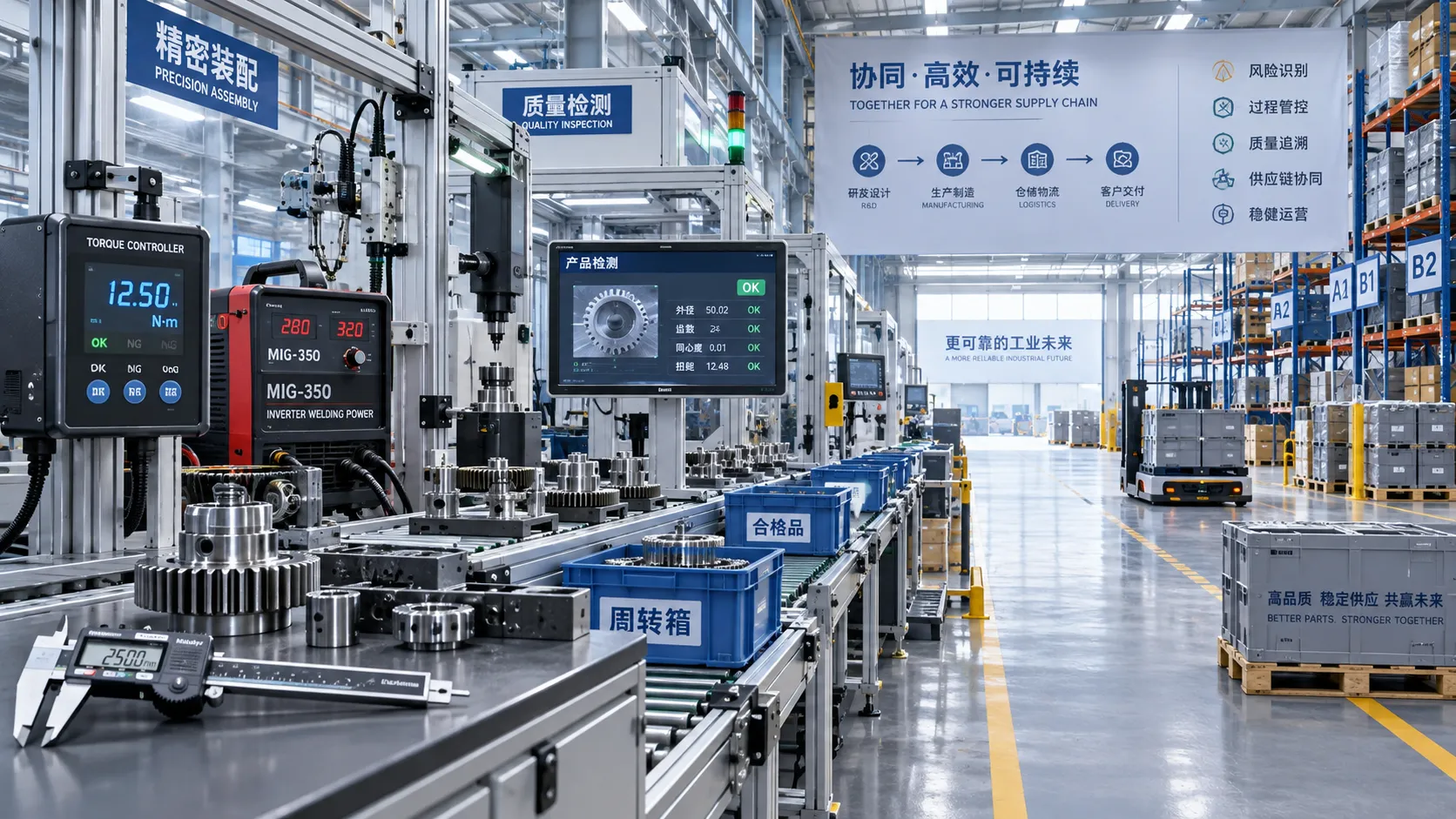
How Procurement Teams Can Map the Industrial Value Chain to Reduce Supply Risk
Industrial value chain procurement helps teams map hidden dependencies, qualify resilient sources, and reduce supply risk before disruptions stop production.

How Specification-Driven Articles Improve Precision Measurement System Selection
Specification-oriented articles precision measurement guidance helps teams compare accuracy, repeatability, environment, and data needs to select reliable systems with confidence.

How to Evaluate a Technology Integration Service Provider for Complex Projects
Technology integration service provider selection guide: evaluate interface ownership, delivery discipline, scalable architecture, and risk control for complex projects.
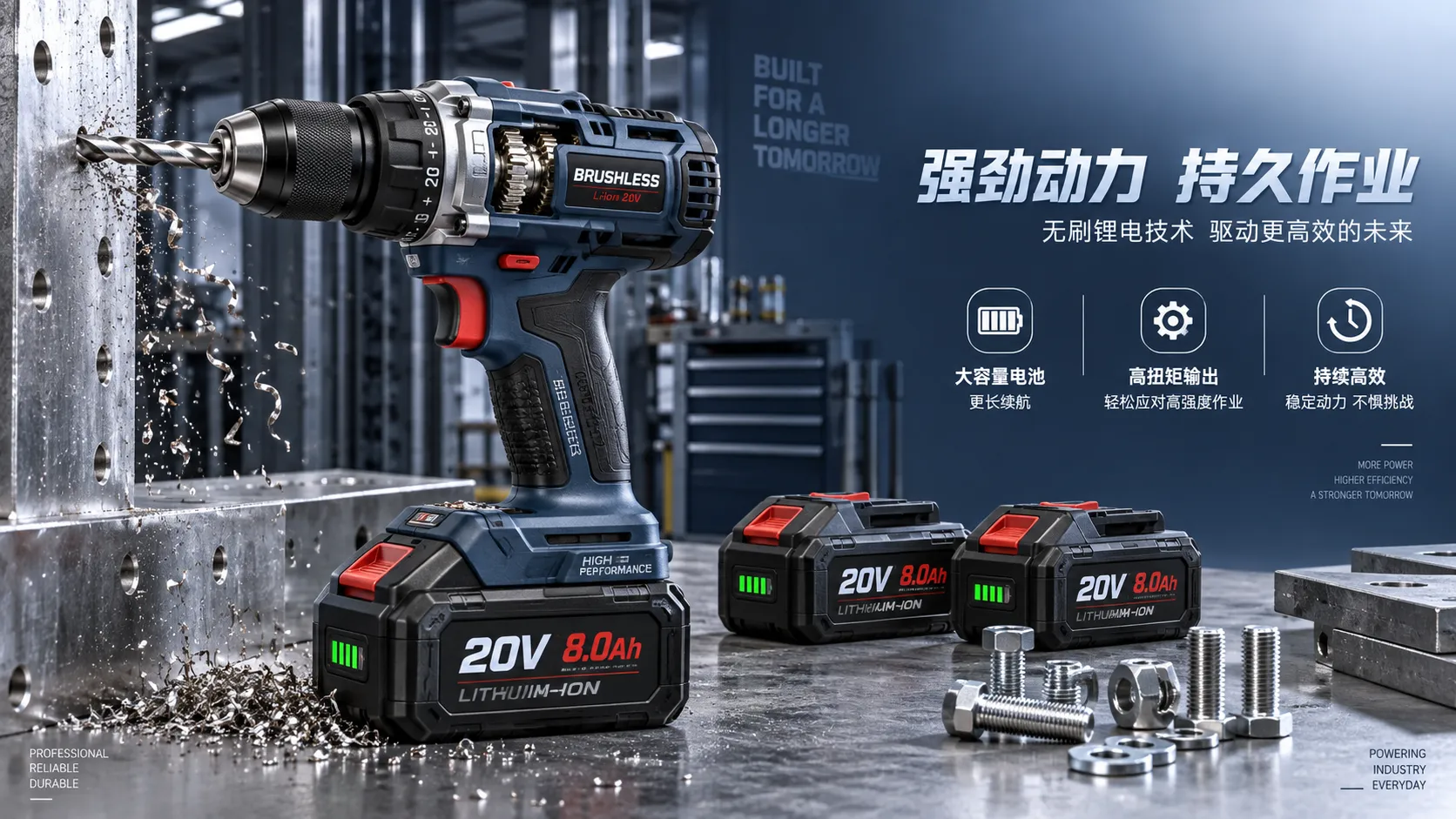
How Battery, Torque, and Duty Cycle Affect Cordless Power Tool Efficiency
Cordless power tool efficiency depends on battery output, torque, and duty cycle. Learn how to match tools to demanding jobs for stronger runtime and productivity.

Product Comparison Resources for Component Compatibility and Lifecycle Risk
Product comparison resources for components: evaluate compatibility, interfaces, service support, and lifecycle risk to reduce downtime, avoid redesigns, and make confident sourcing decisions.
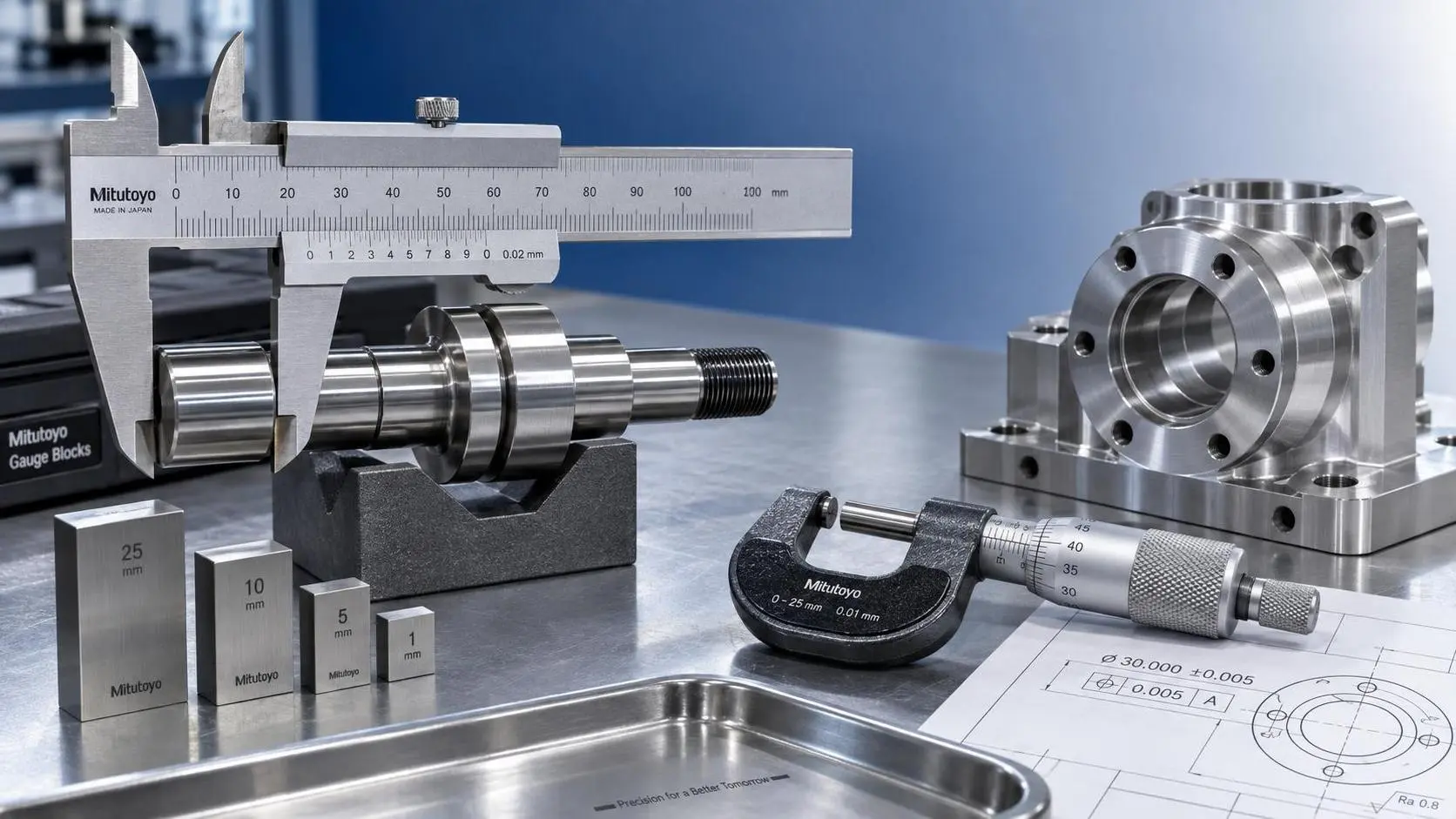
How to Select Vernier Precision Calipers for Tight-Tolerance Machining Inspection
Vernier precision calipers for tight-tolerance machining: learn how to select the right range, jaw design, accuracy, and verification process for reliable inspection.
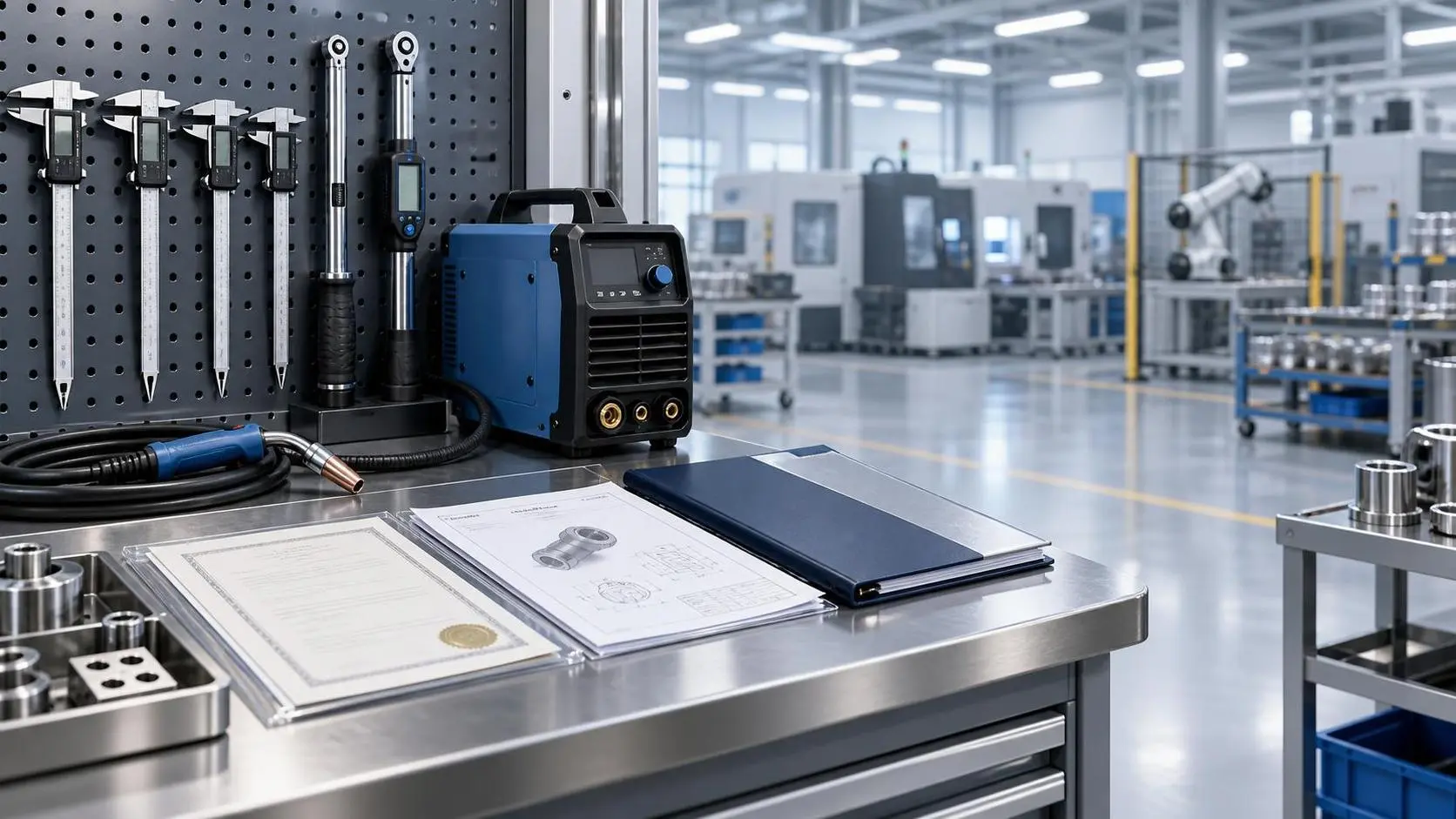
Product Comparison Resources in Europe: How Buyers Can Verify Specs and Suppliers
Product comparison resources Europe: learn how to verify industrial specs, compliance claims, supplier credibility, and delivery risk for smarter purchasing decisions.

How to Evaluate an Industrial Metrology Solution Manufacturer for Production Use
Industrial metrology solution manufacturer evaluation guide for production: compare accuracy, traceability, automation, software, service, and acceptance testing to reduce risk.

Which ISO Standards Matter Most for Precision Engineering Quality Control?
Precision engineering ISO standards explained: discover how ISO 9001, ISO/IEC 17025, ISO 10012, GPS, and ISO 3834 strengthen quality control, traceability, and compliance.
Related News
- 00
0000-00
How Battery, Torque, and Duty Cycle Affect Cordless Power Tool Efficiency - 00
0000-00
How to Size High-Torque Tool Motors for Continuous-Duty Assembly Lines - 00
0000-00
How to Choose 24V Brushless Tool Motors for Torque, Runtime, and Duty Cycle? - 00
0000-00
Automotive Repair Tools List: What Every Workshop Needs for Daily Service Jobs - 00
0000-00
36V Brushless Tool Motors Selection Guide: Torque, Efficiency, Thermal Limits, and Duty Cycle
Electro-Mech Tool Designer
Weekly Insights
Stay ahead with our curated technology reports delivered every Monday.