
Industrial Manufacturing Cost Drivers: What Affects Lead Time, MOQ, and Unit Price?





Industrial Manufacturing Cost Drivers: What Affects Lead Time, MOQ, and Unit Price?
In industrial manufacturing, lead time, MOQ, and unit price rarely move on their own.
They reflect material markets, process choices, tooling investment, quality demands, and supplier workload.
That is why two similar parts can receive very different quotes.
For industrial manufacturing buyers, the real advantage comes from reading the logic behind the number.
When cost drivers are visible, sourcing becomes less reactive and more strategic.
You can compare suppliers more fairly, negotiate with better timing, and reduce delivery risk before production starts.
This article explains what most strongly affects lead time, MOQ, and unit price in industrial manufacturing, and how to respond with confidence.
Why These Three Metrics Matter Together
Lead time, MOQ, and unit price are usually quoted together because they are operationally linked.
A shorter lead time often increases cost.
A lower MOQ can also increase unit price.
A more aggressive target on one side usually creates pressure on the other two.
In actual sourcing, suppliers calculate these figures through capacity, setup hours, scrap risk, and capital recovery.
This also means a quote is not just a selling price.
It is a snapshot of production conditions at a specific time in industrial manufacturing.
Raw Materials Often Set the First Cost Boundary
Material selection is one of the clearest cost drivers in industrial manufacturing.
Steel grade, aluminum series, copper content, coating type, and imported alloys all change the base price.
Recent market shifts show that volatility matters as much as the listed material price.
If mills raise minimum order requirements, suppliers may buy larger lots than current demand needs.
That inventory pressure can push MOQ upward.
Material availability also changes lead time.
A common grade in local stock may move quickly.
A certified or export-restricted material may add weeks before machining even begins.
This is especially true when traceability, heat numbers, or mill test reports are mandatory.
- Ask whether the quote is based on stock material or future purchase.
- Check whether the grade has domestic alternatives.
- Confirm if certification requirements limit supplier options.
Process Complexity Changes Both Time and Price
Not all manufacturing routes carry the same cost structure.
Laser cutting, CNC machining, stamping, forging, die casting, welding, grinding, and coating each create different cost patterns.
The more steps a part needs, the more handling, scheduling, and inspection it requires.
That extra touch time raises unit price even before packaging and freight are considered.
Complex geometry creates another issue.
Tight internal corners, deep cavities, thin walls, and multi-axis features reduce machining efficiency.
More obvious signals appear when tolerances are stacked across several dimensions.
The supplier may need slower feeds, special fixtures, or additional in-process checks.
In industrial manufacturing, process complexity often explains why visually simple parts still receive high quotations.
Common Complexity Triggers
- Multiple processes across different workshops
- Critical weld appearance or joint strength requirements
- Secondary deburring, polishing, or surface treatment
- Special gauges or custom inspection methods
Tooling Investment Usually Drives MOQ
MOQ is often misunderstood as a supplier preference.
In many industrial manufacturing projects, MOQ exists because setup cost must be recovered.
Tooling, dies, fixtures, programming, sample validation, and first-article inspection all require upfront work.
If order volume is too small, the supplier cannot spread those fixed costs efficiently.
This is why stamped, forged, molded, or custom welded assemblies usually carry clearer MOQ thresholds.
A CNC part may support lower MOQ if setup is simple.
A progressive die part may not.
In practical terms, MOQ is the point where industrial manufacturing becomes commercially reasonable for both sides.
How to Respond When MOQ Feels Too High
- Ask for a split quote with tooling separated from piece price.
- Request pilot-run pricing at a lower volume.
- Explore standard components instead of full customization.
- Bundle future demand if consumption is predictable.
Quality Standards Can Quietly Expand Cost
Quality expectations shape industrial manufacturing cost more than many buyers expect.
Tighter tolerances raise machine time, increase rejection risk, and require stronger process control.
Surface finish, coating thickness, concentricity, hardness, leak testing, or calibration all add labor and equipment demand.
Documentation requirements add another layer.
PPAP, FAI, COC, RoHS, REACH, ISO traceability, or welding procedure records can lengthen approval cycles.
That affects lead time even when production itself is not slow.
From a cost perspective, every quality requirement should connect to a real product need.
If a specification is inherited but not functionally necessary, it may be inflating industrial manufacturing cost without adding value.
Supplier Capacity Directly Affects Lead Time
Lead time is not only about how long a part takes to make.
It is also about when the supplier can start.
In busy periods, capable suppliers may be constrained by machines, skilled welders, inspectors, or external finishing partners.
This explains why a factory with strong quality records may still quote a longer schedule.
Capacity risk becomes more visible in industrial manufacturing when demand spikes in automotive service, infrastructure, or export replenishment cycles.
The same supplier may also prioritize stable customers with recurring forecasts.
That is why forecast visibility can become a negotiation tool.
- Confirm queue time separately from production time.
- Ask which process step is the bottleneck.
- Check whether finishing is outsourced.
- Share rolling demand if repeat orders are likely.
Packaging, Compliance, and Logistics Also Matter
Some industrial manufacturing quotes look competitive until downstream requirements are added.
Export cartons, anti-rust packaging, barcode labels, pallet rules, and drop-test standards all create additional cost.
So do compliance requests linked to destination markets.
More importantly, shipping mode can change total economics.
A lower unit price is less attractive if it forces air freight because lead time was misjudged.
In this sense, landed cost is the more useful view.
Industrial manufacturing decisions are stronger when part price, packaging, and logistics are reviewed together.
A Simple Framework for Better Quote Comparison
When comparing suppliers, use a structured review instead of focusing only on unit price.
This framework makes industrial manufacturing quotations easier to compare on a like-for-like basis.
It also helps separate a genuinely efficient supplier from one that simply leaves hidden costs outside the quote.
How to Reduce Cost Without Creating New Risk
The best savings in industrial manufacturing usually come from better specification management, not only price pressure.
- Standardize materials where performance allows.
- Relax non-critical tolerances after engineering review.
- Combine parts or reduce secondary operations.
- Give forecast visibility to improve scheduling.
- Separate urgent orders from routine replenishment.
- Review whether packaging specs are truly necessary.
These actions support lower cost while protecting delivery and quality performance.
That balance is usually the real win in industrial manufacturing procurement.
Final Takeaway
Lead time, MOQ, and unit price are not random outcomes.
They are the visible results of deeper industrial manufacturing conditions.
Raw materials, process complexity, tooling recovery, quality standards, capacity loading, and logistics all shape the final quote.
Once these drivers are clear, sourcing decisions become faster and far more accurate.
For teams tracking industrial manufacturing cost, the smart move is to ask better questions before negotiating harder.
That approach improves quote transparency, reduces surprises, and builds more reliable supply relationships.
In a market where timing and margin both matter, that is a practical edge worth keeping.
Related News
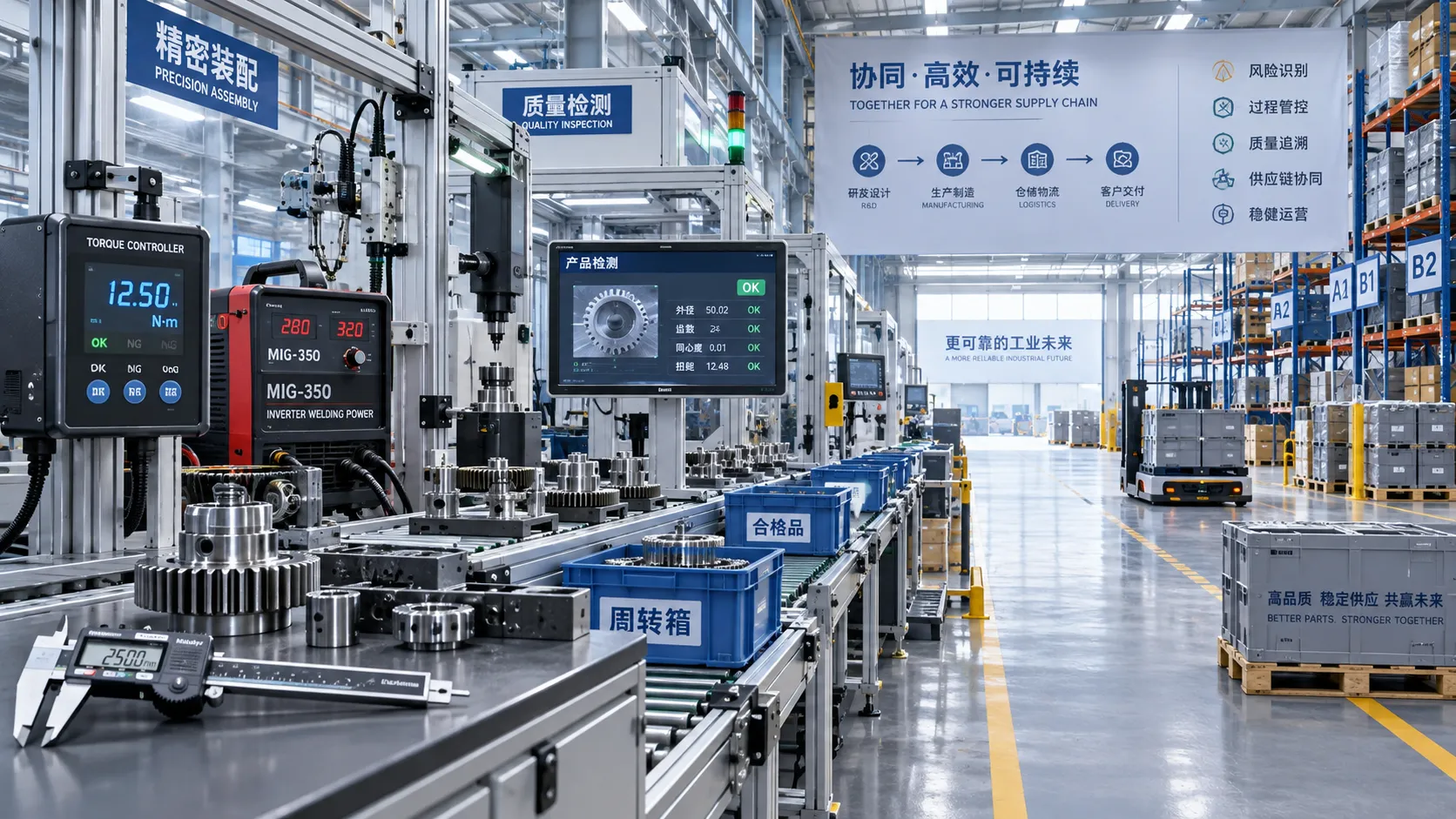
How Procurement Teams Can Map the Industrial Value Chain to Reduce Supply Risk
Industrial value chain procurement helps teams map hidden dependencies, qualify resilient sources, and reduce supply risk before disruptions stop production.

How Specification-Driven Articles Improve Precision Measurement System Selection
Specification-oriented articles precision measurement guidance helps teams compare accuracy, repeatability, environment, and data needs to select reliable systems with confidence.

How to Evaluate a Technology Integration Service Provider for Complex Projects
Technology integration service provider selection guide: evaluate interface ownership, delivery discipline, scalable architecture, and risk control for complex projects.
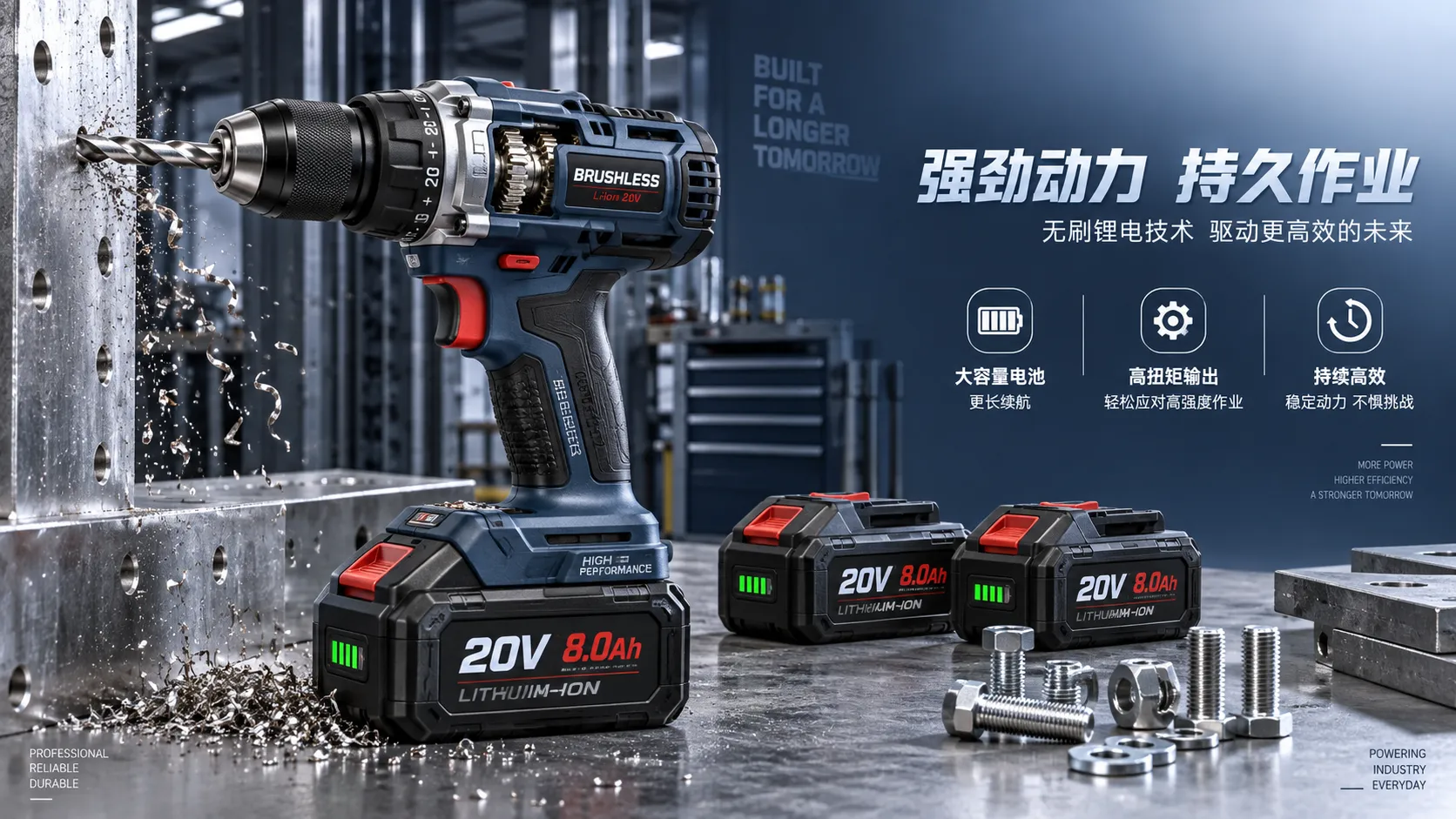
How Battery, Torque, and Duty Cycle Affect Cordless Power Tool Efficiency
Cordless power tool efficiency depends on battery output, torque, and duty cycle. Learn how to match tools to demanding jobs for stronger runtime and productivity.

Product Comparison Resources for Component Compatibility and Lifecycle Risk
Product comparison resources for components: evaluate compatibility, interfaces, service support, and lifecycle risk to reduce downtime, avoid redesigns, and make confident sourcing decisions.
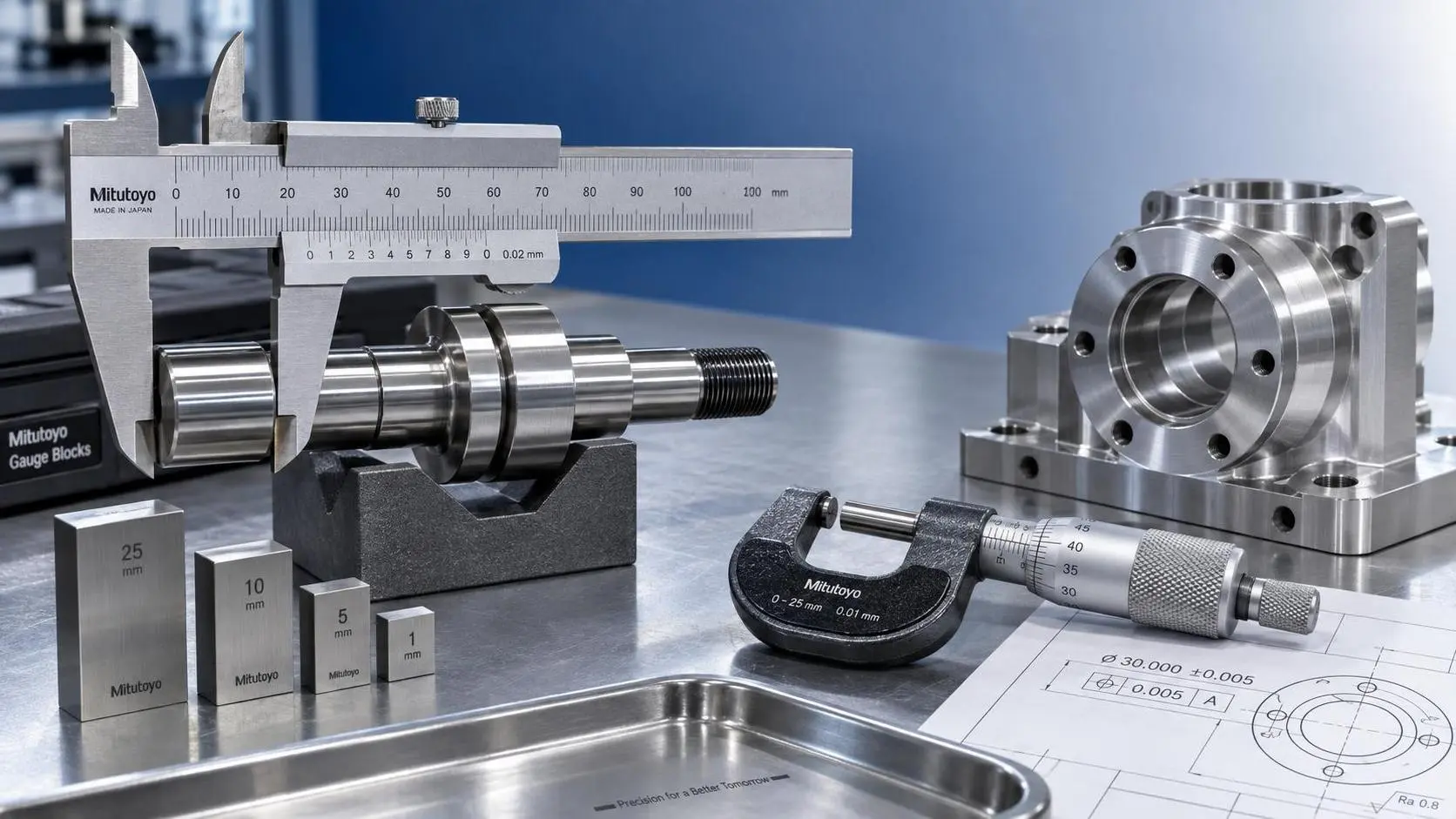
How to Select Vernier Precision Calipers for Tight-Tolerance Machining Inspection
Vernier precision calipers for tight-tolerance machining: learn how to select the right range, jaw design, accuracy, and verification process for reliable inspection.
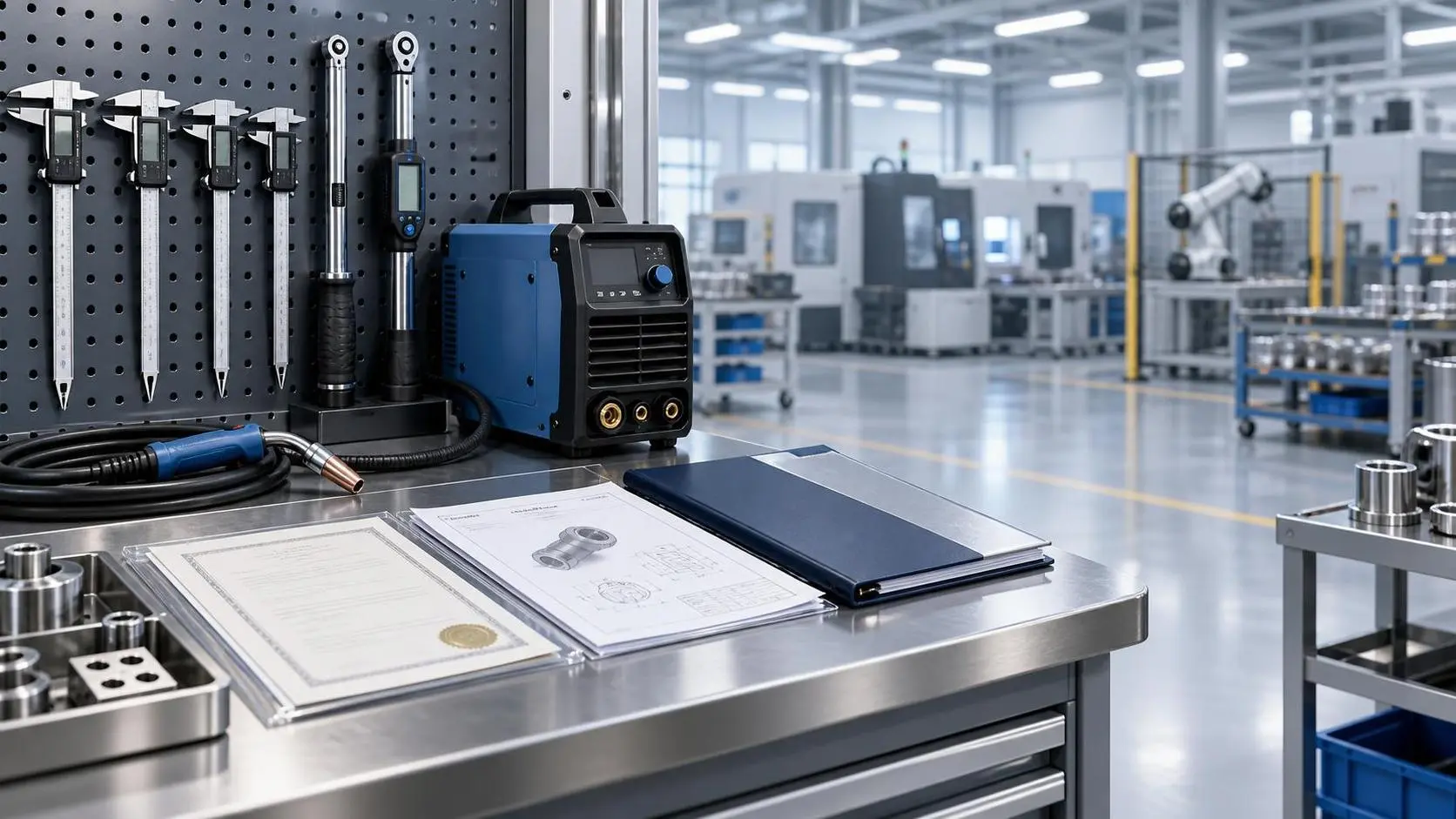
Product Comparison Resources in Europe: How Buyers Can Verify Specs and Suppliers
Product comparison resources Europe: learn how to verify industrial specs, compliance claims, supplier credibility, and delivery risk for smarter purchasing decisions.

How to Evaluate an Industrial Metrology Solution Manufacturer for Production Use
Industrial metrology solution manufacturer evaluation guide for production: compare accuracy, traceability, automation, software, service, and acceptance testing to reduce risk.

Which ISO Standards Matter Most for Precision Engineering Quality Control?
Precision engineering ISO standards explained: discover how ISO 9001, ISO/IEC 17025, ISO 10012, GPS, and ISO 3834 strengthen quality control, traceability, and compliance.
Related News
- 00
0000-00
What Does Data-Driven Intelligence Cost? Budgeting for Data, Tools, and Talent - 00
0000-00
What Determines Metrology Technology Prices for Factory Inspection Systems? - 00
0000-00
Welding Tools Price Guide: What Affects Cost and How Buyers Can Compare Options - 00
0000-00
What Drives Industrial Tools Cost? A Buyer’s Guide to Materials, Volume, and Lifecycle Expenses - 00
0000-00
Brand Premiums in North America: What Drives Price Gaps in Industrial Tools?
Ms. Elena Rodriguez
Weekly Insights
Stay ahead with our curated technology reports delivered every Monday.